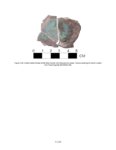
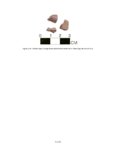
| OCR Text |
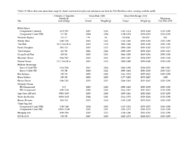
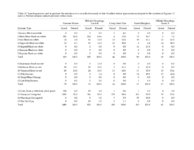
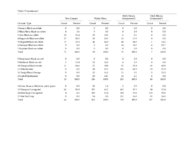
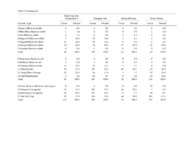
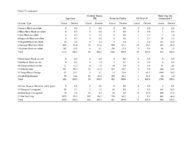
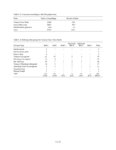
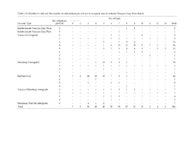
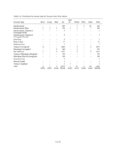
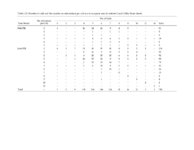
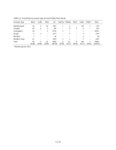
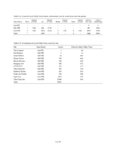
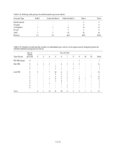
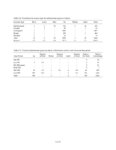
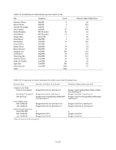
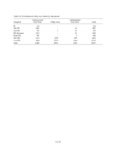
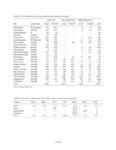
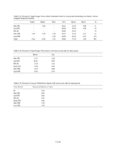
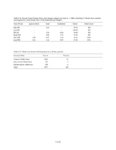
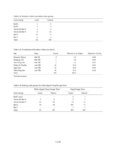
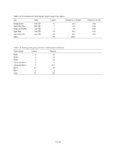
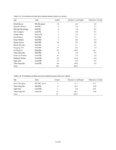
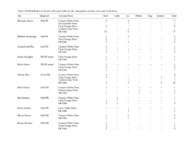
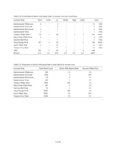
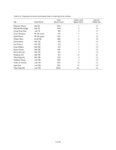
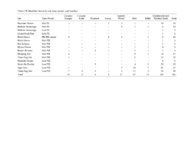
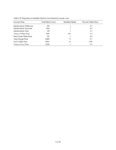
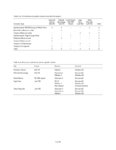
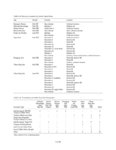
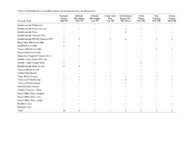
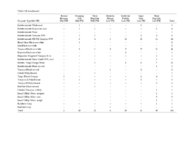
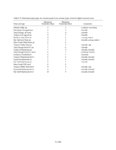
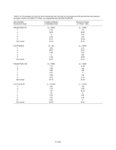
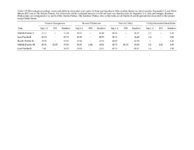
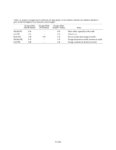
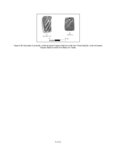
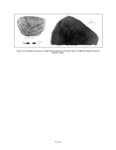
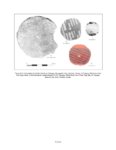
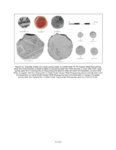
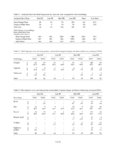
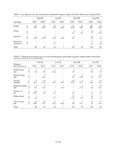
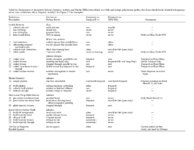
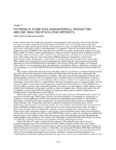
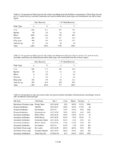
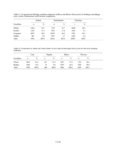
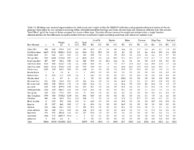
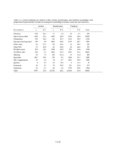
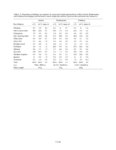
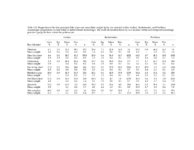
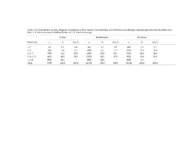
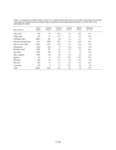
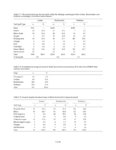
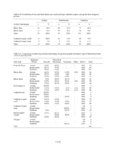
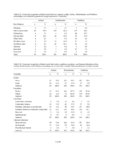
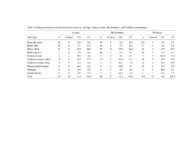
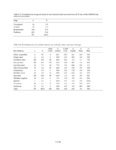
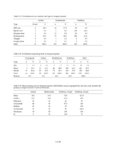
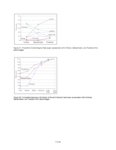
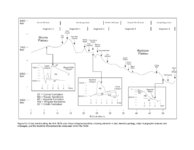
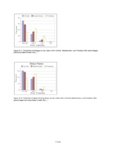
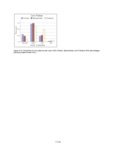
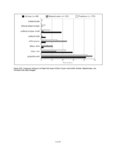
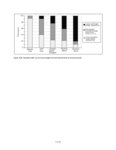
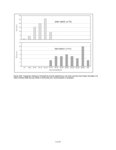
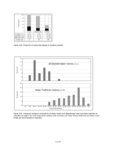
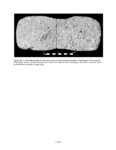
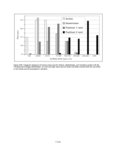
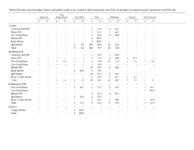
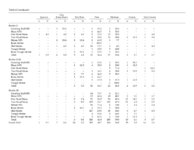
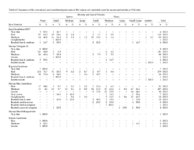
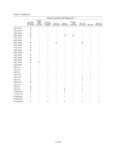
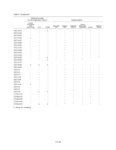
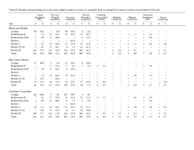
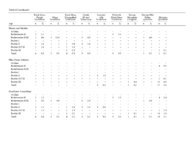
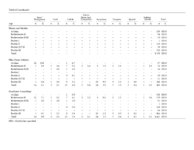
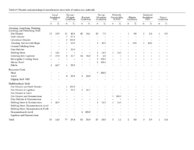
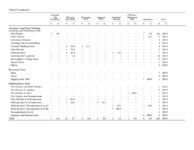
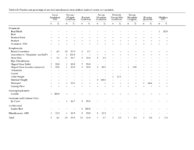
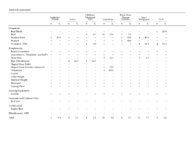
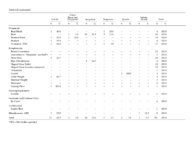
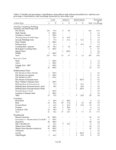
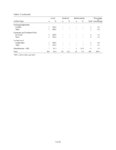
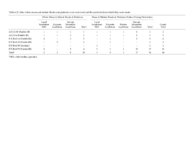
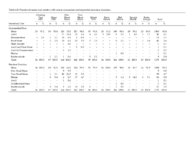
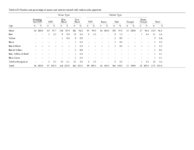
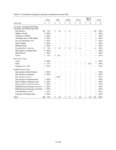
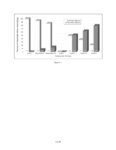
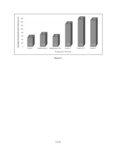
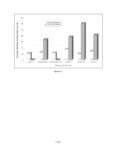
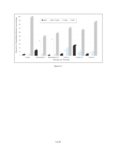
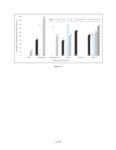
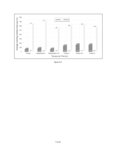
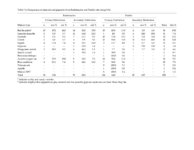
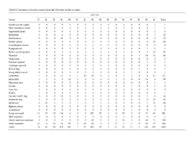
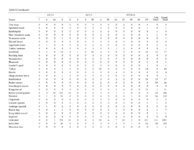
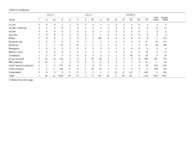
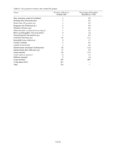
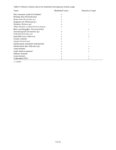
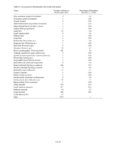
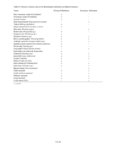
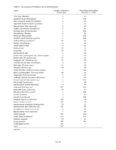
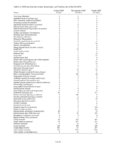
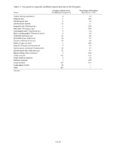
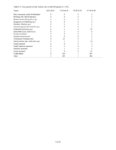
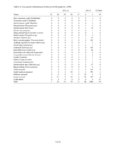
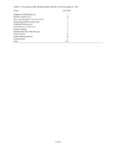
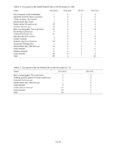
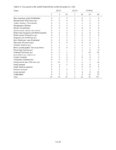
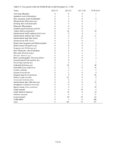
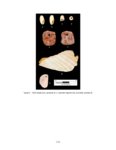
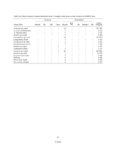
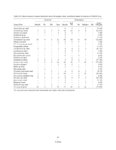
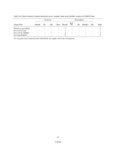
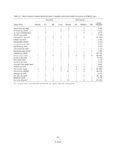
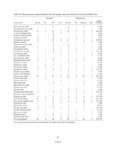
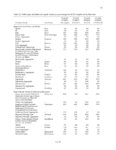
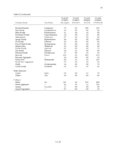
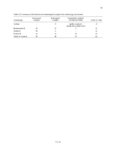
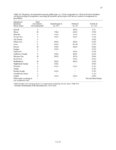
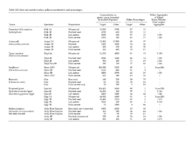
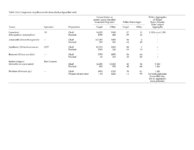
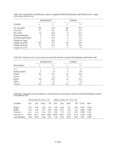
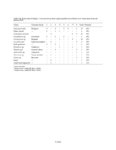
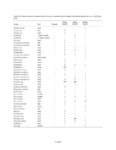
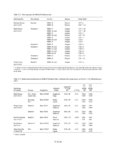
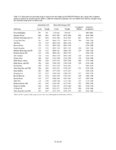
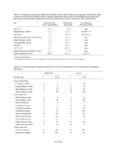
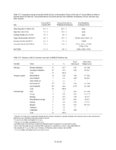
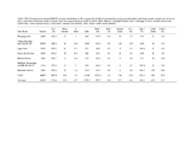
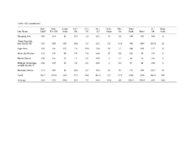
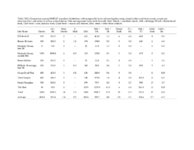
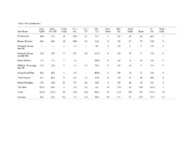
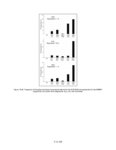
Show the Puebloan period, where more than half are cortical. This high proportion of cortical debris results from using bipolar reduction as a technique to facilitate the exploitation of small nodules close at hand to habitations. Except for core reduction, all other types of Archaic flakes have less cortex than any of the Basketmaker flake types. Why there is less cortex on Basketmaker core flakes is not exactly clear and the difference between the two is not overly great (5%). There are no differences between these temporal periods with regard to debitage from flaked tools, such as bifaces. In contrast, there are at least twice as many Puebloan biface thinning and pressure flakes with cortex, compared to Archaic and Basketmaker biface thinning and pressure flakes. This finding is not simply a result of lessened residential mobility during the Puebloan period because Basketmaker II groups also appear to have settled down substantially. It may relate in large part to the small size of the Puebloan projectile points compared to those in use during Basketmaker II and the Archaic. Puebloan arrow points were made on thin flakes that allowed the use of small nodules. As such, Puebloan flake blanks had a greater chance of being cortical. Related to this is the use of pressure flaking alone as the predominant or only production technique that Puebloans used to manufacture their points. It appears that a single pass of pressure flaking commonly sufficed to shape and finish a point, with no flaking expressly for thinning purposes because of using flat, thin flakes. Conversely, the larger dart points of the Archaic and Basketmaker periods required larger flake blanks, thus larger nodules, so there was less possibility of making do with small nodules that have a high proportion of cortex per stone mass. Moreover, dart points can involve a biface thinning stage and more extensive flaking overall than arrow points, and because more flakes are detached per finished tool this too results in proportionally fewer cortical flakes. The notable increase in proportion of cortical edge preparation flakes and tool rejuvenation flakes/spalls within the Puebloan period relates to the prevalence of core/nodular tools during this interval, principally pecking stones. These tools commonly consist of rocks collected and used either as found or with minimal flaking to create a projection or high-angle edge. The percentage of cortical core flakes probably also has much to due with the prevalence of these tool forms. Indeed the percentage of cortical core flakes in the Puebloan assemblage climbs to 30 percent after excluding Owl Rock chert, a material for which cortex identification was problematic. USED FLAKES, REJUVENATION FLAKES, AND TOOL SPALLS All debitage was inspected with a variable 7-45X binocular microscope for traces of use. At low power, micro-scarring is the primary form of use-wear that can be systematically identified; polish and striations can also be observed if the use was sustained (these types of use-wear are more easily observed on finetextured materials such as chert). The location of use-wear on a flake was key to differentiating between used flakes and those detached to refurbish the worn edges of tools or flakes accidentally removed (tool spalls). Used flakes exhibited use-wear traces that accumulated after flake detachment from using the artifact for some task such as cutting or scraping. In contrast, rejuvenation flakes exhibit use-wear traces that accumulated prior to detachment, the wear resulting from use of a tool that the flakes were subsequently detached from. These were not mutually exclusive categories in that a rejuvenation flake could also have been used directly and thus been analyzed as a used flake. Rejuvenation refers to evidence for the flake having been detached from a used tool of some type. Frison (1968) called attention to certain flakes of this sort, but many others are also recognizable, including some that are quite common at sites of the Kayenta region, such as those detached to resharpen heavy-duty pecking stones or pounders. The use-wear traces that allow identification of flakes as having been detached from used tools usually occur on the platform, though not exclusively. In some cases, usewear might occur along the margin of a flake that removes the edge of a tool such as a scraper or larger form like an adze (Crabtree's [1972:95] tranchet blow; also "orange peel" flakes [Shafer 1976]). Wear might also occur on the distal end of an overshot flake (e.g., a bifacial knife cutting edge). Some of the larger flakes from the project came from grinding tools such as manos or metates; these exhibit portions of the used surface on either the dorsal surface or platform. Some flakes exhibited probable use-wear suggesting detachment with the intent of refurbishing a tool edge but for which a definite functional assignment was not possible, so they were listed as indeterminate. Such a category allows the occurrence to be registered without having to force them into a known slot, thereby providing a means for keeping "clean"the known categories of rejuvenation flakes. Overlapping somewhat with rejuvenation flakes are items identified as tool spalls. These are flakes that appear to have been detached from tools accidentally during production or incidentally during use and it is often difficult to differentiate between these two processes. A good example of this are the tips or barbs of projectile points, which are easily removed in production by misapplied force in pressure flaking V.5.27 |