| OCR Text |
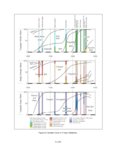
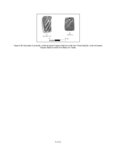
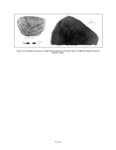
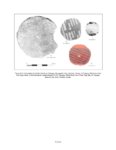
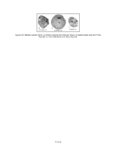
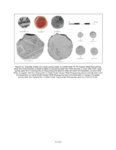
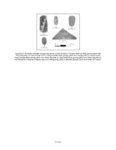
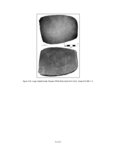
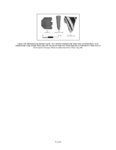
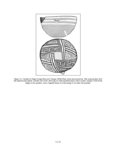
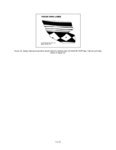
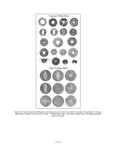
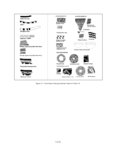
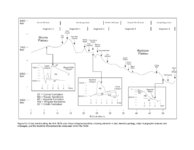
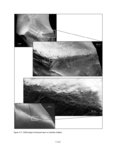
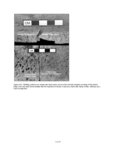
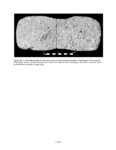
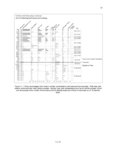
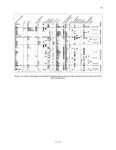
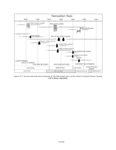
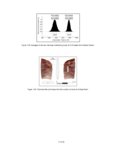
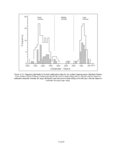
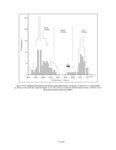
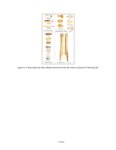
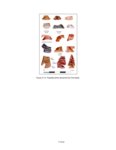
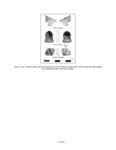
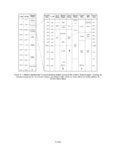
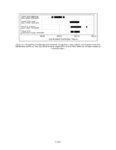
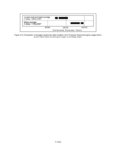
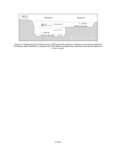
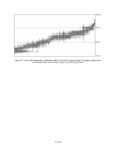
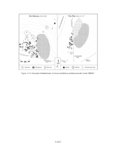
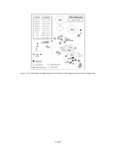
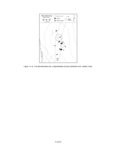
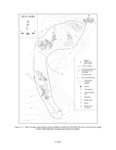
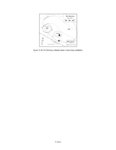
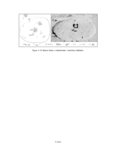
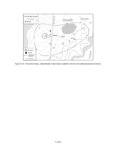
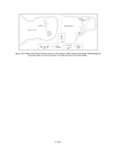
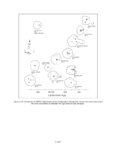
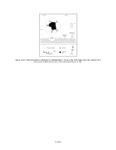
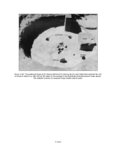
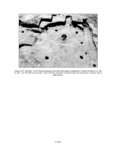
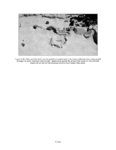
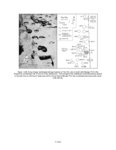
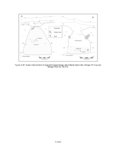
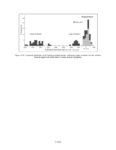
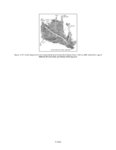
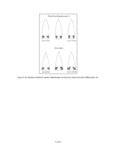
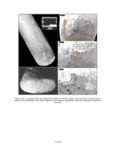
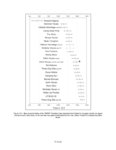
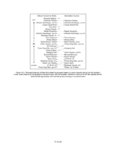
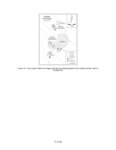
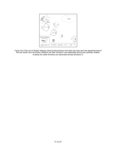
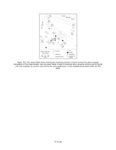
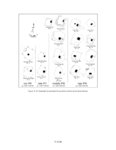
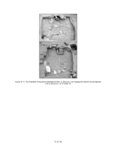
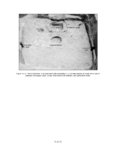
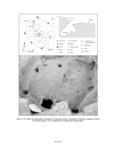
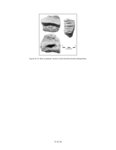
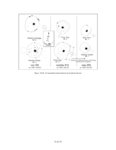
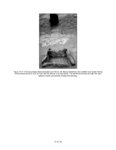
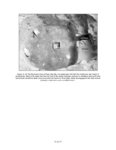
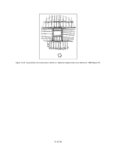
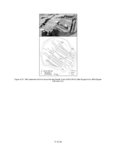
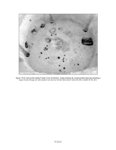
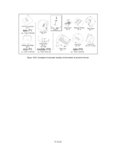
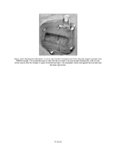
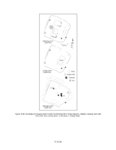
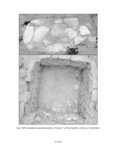
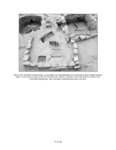
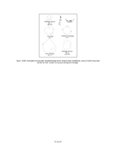
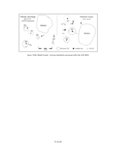
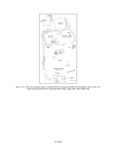
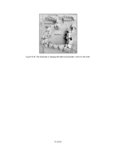
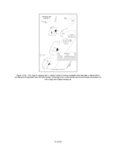
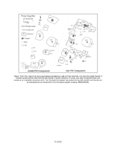
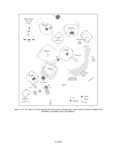
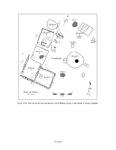
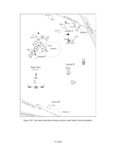
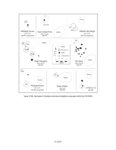
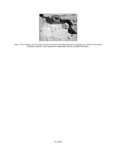
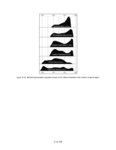
Show if patterning relates to changes in agricultural dependency, restrictions in residential mobility, or other factors. The NMRAP has gone far towards assembling a data set on Basketmaker structures for the northern Kayenta region, but it is still inadequate for broad generalizations. The presence on Piute Mesa of Basketmaker houses with long slab-lined ramp entries like those common to Cedar Mesa (Matson 1992; Pollock 2001), a rare feature in the NMRAP sample, indicates that there is spatial or temporal variability not yet adequately covered. Nonetheless a discussion of excavated Basketmaker houses will help document general trends in construction for the northern Kayenta region and enable comparisons with other areas. Temporal changes in construction details and interior features are evident, but how these relate to other variables is yet unknown. One important consideration is that we lack an equal sample of houses from functionally equivalent sites. Houses dating to the same time might be different because one was built as a long-term winter residence with a planned use-life of a decade or more, whereas another was built as a short-term summer residence with a brief use-life. Figure 14.24 depicts all completely excavated Basketmaker houses for the NMRAP ordered by time. Temporal placement for the structures is based on radiocarbon dating of maize or other high-quality remains from hearth and floor contexts. Structure 7 at Kin Kahuna is undated because of a lack of highquality organic remains. All structures are shown at the same scale and orientation. In general the Basketmaker houses are circular, usually about 4 to 5 m in diameter, and from 0.2 to 1 m deep below the prehistoric occupation surface. The oldest house was also the deepest, and it had straight walls meeting a level floor with a neat right angle. Most houses, however, had sloping pit walls and saucer-shaped floors. When evident, houses had eastern or southeastern ramp entries. All had at least one centrally located interior hearth. Deflectors commonly occurred between the hearth and the entry for many houses. Most deflectors consisted of small unshaped slabs and seemed oddly disproportionate to the task (Figure 14.25 and see Figure 14.19). In the oldest structure, the deflector consisted of a large trough metate (a basinshaped trough) set upright in the floor; this tool had a crack running through it, which might have been the reason it was recycled as an architectural stone. Changes in the nature of superstructure construction are difficult to evaluate because the evidence is dependent upon several factors such as whether a structure burned or was scavenged, whether the substrata helped or hindered preservation of construction details (e.g., clay vs. loose sand), and excavator experience. Some houses had no obvious interior postholes; these may have been roofed by leaning in timbers and linking them together at the top somehow, much like a forked-stick hogan. Several houses at Kin Kahuna had just two posts that would have supported a single N-S primary beam offset to the west from the center of the structure so as to allow creation of a smoke hole directly over the hearth. This type of roof support is most clearly exemplified by Structure 5 of Kin Kahuna, shown in Figure 14.26. The floor of the 1 m deep house was well preserved and plastered with a reddish clayey sand. Despite a careful and thorough search for additional postholes across the entire floor and especially along the east side in anticipation of a four-post support system, only the two postholes shown in the photo were found. A two-post support system is clearly quite different from the quadrilateral method so often discussed for Basketmaker houses. Structures 3 and 4 at this site also have what appears to have been a two-post support system. A typical four-post arrangement is evident at Structure 1 at Kin Kahuna (Figure 14.27), so at least two different roof support methods are evident at this site (actually a third method, that of leaners, is indicated by Structure 7 at this site). One of the most obvious temporal trends, although it is not clear in Figure 14.24, concerns the use of sandstone slabs in construction. In all houses dating before AD 200, upright slabs were used only as deflectors. At some point after AD 200, slabs began to be used in the construction of entry ramps, such as at Panorama House and Polly's Place. In these examples the entry slabs tended to be quite small, especially compared with those of the late Basketmaker II houses on Cedar Mesa (Matson 1991: Figure 1.3; Pollock 2001), which date to the Grand Gulch phase, ca. AD 200-400. Several undated Basketmaker II houses on Piute Mesa also have large slabs lining the entries (see Figure 14.22). The entry ramps of these Piute Mesa houses are so similar to those on Cedar Mesa that I would expect that they have a similar temporal placement, so sometime after AD 200. The NMRAP Basketmaker structure with the most use of upright slabs is Mountainview, where they formed a low partition across the front of the house and helped to define at least one storage bin (Figure 14.28). Given the steep east slope, the entry had eroded, so its construction remains conjectural. This house appears most similar to Basketmaker III houses of the Klethla Valley with tree-ring dates in the AD 500s (e.g. Pit House 1 of NA11,058, Swarthout et al. 1986:426-430). Nonetheless, the Mountainview structure is securely dated to sometime between cal. AD 220 and 350. Structures fully outlined by upright slabs occur at the large early ceramic habitation of AZ-J14-54 described previously and at AZ-D-2-355 (NAU), a small hamlet with a single living structure and multiple storage cists. In the open out in front of Atlatl Rock Cave there is a structure totally outlined by V.14.37 |