| OCR Text |
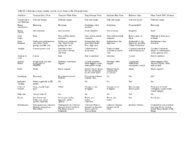
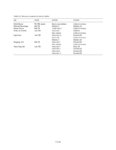
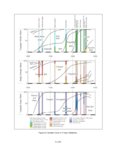
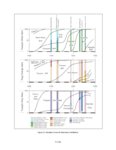
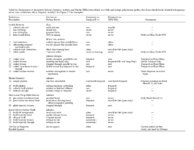
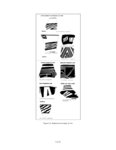
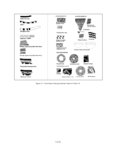
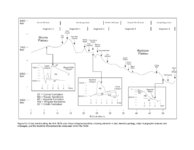
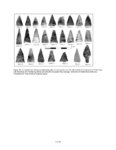
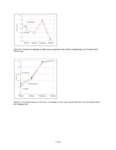
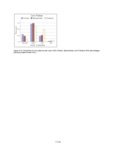
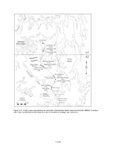
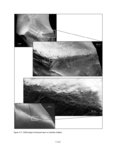
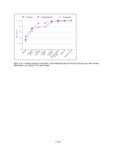
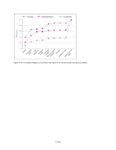
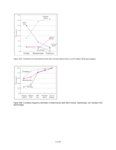
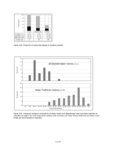
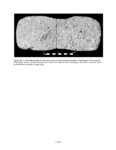
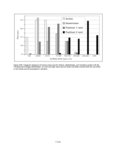
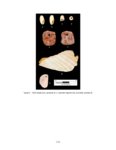
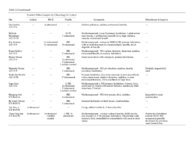
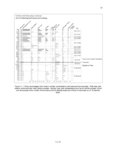
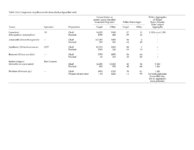
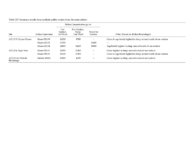
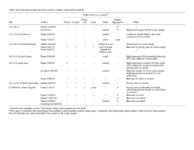
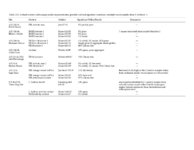
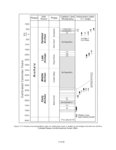
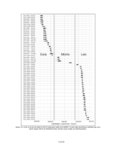
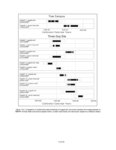
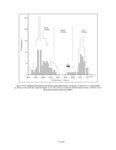
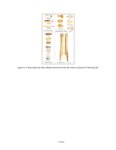
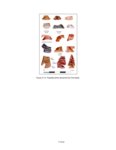
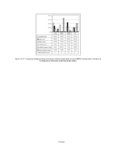
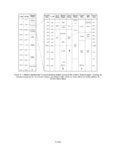
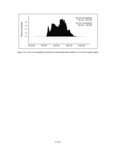
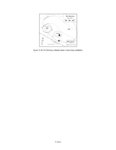
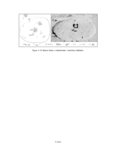
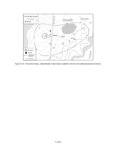
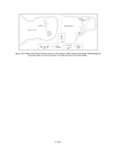
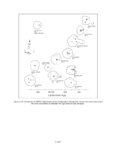
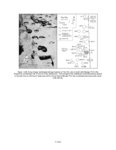
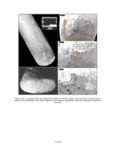
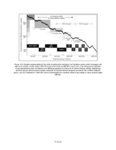
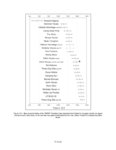
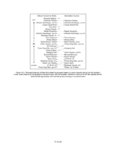
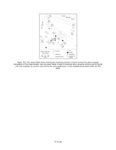
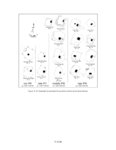
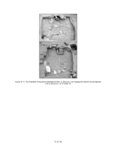
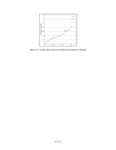
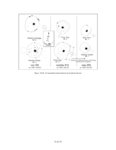
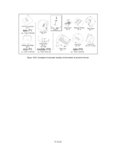
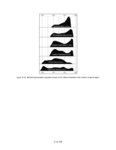
Show to the addition of pottery. Schroedl and Coulam (1994) presented a synopsis of the phases during their reevaluation of Cowboy Cave; their graphic summary is shown in Figure 13.2. The Desha Complex In the early 1960s, J. Richard Ambler defined the Desha Complex based on excavations at Sand Dune Cave and Dust Devil Cave on the northern part of the Rainbow Plateau. As reviewed in Chapter 1 of Volume I, this work was part of the Glen Canyon Project, and was one of the major contributions of that effort. The Desha Complex was originally characterized as having an artifact inventory that included open-twined sandals, warp-faced plain weave sandals, elongate and shallowly side-notched projectile points, one-rod basketry, twined grass matting, worked bobcat scapulae, worked mountain sheep hyoids, and shallow-basin grinding slabs (Lindsay et al. 1968:120-121). Closest affinities were seen with the Great Basin, although no specific parallels could be found with assemblages known four decades ago. Since then, Ambler (1996) has tried to restrict the defining characteristics of the Desha Complex, eliminating the warp-faced plain weave sandals; he has also added two additional Archaic complexes. The value of the findings from these two caves is diluted or diverted by the discussion of complexes because it ends in unsatisfactory debates over what is and is not part of arbitrary archaeological constructs and no light is shed on prehistory or the processes of behavioral and cultural change. Both caves were sporadically and at times intensively used by Archaic foragers who deposited a variety of remains therein, including various types of sandals and points, all of which have much to say about past lifeways. One indelible contribution was the analysis of 97 human feces recovered from the early Archaic Stratum IV of Dust Devil Cave (Van Ness 1986; Van Ness and Hansen 1996). Problems With Archaic Phases Admittedly, we need some method for partitioning time to look for change and to discuss temporal trends, but it seems that most Archaic phases are based on exceedingly limited data-a small sampling of remains that span thousands of years and hundreds of kilometers of space. As detailed excavation data are accumulated for specific regions of the Colorado Plateau, it might be possible to delineate phases that reflect spatially and temporally cohesive assemblages, such as currently seems possible for the late Archaic in the Tucson Basin of Arizona (Huckell 1984). All Archaic phases are essentially based on changes in projectile point types, just as Formative phases are based on changes in ceramic types. Most archaeologists recognize that ceramic-defined phases likely do not track with changes in other aspects of culture, and such phases are often abandoned entirely for other schemes that more closely track developmental trajectories or other aspects of interest (e.g., Cordell and Gumerman 1989; Gumerman and Gell-Mann 1994). There is every probability that phases derived from changes in projectile point styles may not correlate with changes in other aspects of culture and may obscure patterns of interest. A simple yet informative example of this is provided by examining changes in Archaic sandal types on the northern Colorado Plateau (Geib 2000). All direct dates on open-twined and plain weave sandals from the northern Colorado Plateau reveal that the former were restricted to the early Archaic from about 8000 to 5400 cal. BC, but the latter persisted in time from about 5800 to at least 1400 cal. BC. Not only do plain weave sandals overlap in time with open-twined sandals for a few hundred years, but the former seem to have developed out of the latter as exemplified by a few examples that exhibit both types of construction techniques (Geib 1996b). Plain weave sandals, therefore, provide evidence for cultural continuity from the end of the early Archaic through the late Archaic, during a period of multiple changes in favored projectile point styles, evident significant shifts in settlement strategies (or at least the abandonment of previously well-used shelters), and what seem to have been pronounced environmental fluctuations. This should serve to remind us that there were likely variable and independent rates and reasons for change in different aspects of culture. Any phases based on single aspects of culture are bound to misinform unless there is an a priori reason to suspect that such patterning is somehow tracking synchronous change in all aspects of prehistoric lifeways. We can probably learn more by independently analyzing each aspect of culture, or other variable of interest such as subsistence, against the dimension of time furnished by chronometric dates. Of course, projectile points must still serve the role of temporal assignment during survey or when chronometric dating is not possible. General Temporal Divisions In lieu of using phase systems, whether Oshara, those of Schroedl, or other examples (e.g., Jennings 1971; Buckels 1971; Black 1991), many researchers have opted for temporal designations with fewer implications about cultural content or other aspects of prehistoric lifeway. A tripartite division of the Archaic into early, middle, and late is commonly used throughout the Southwest (e.g., Geib 1996a; V.13.10 |