| OCR Text |
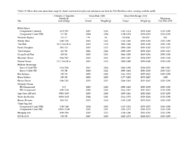
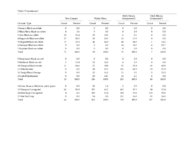
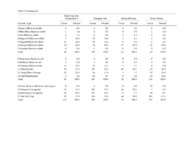
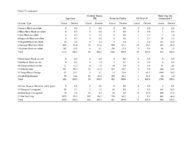
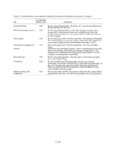
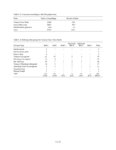
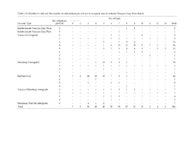
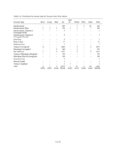
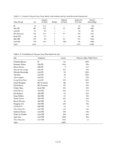
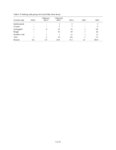
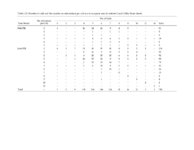
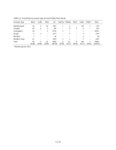
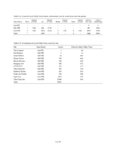
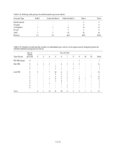
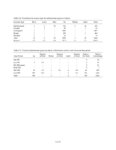
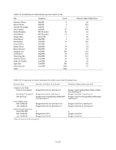
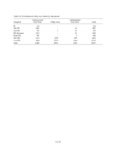
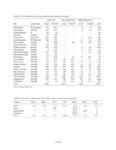
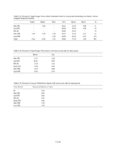
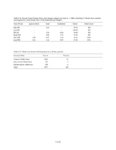
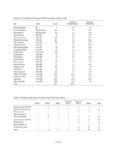
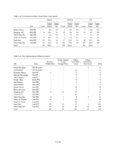
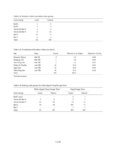
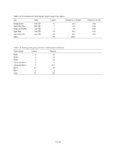
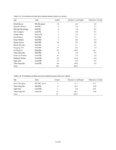
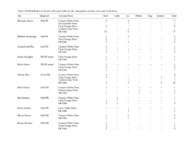
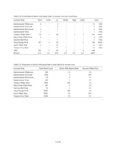
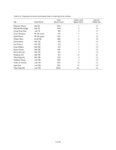
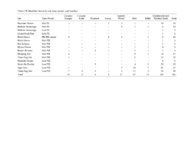
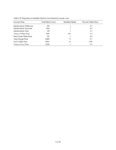
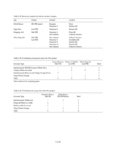
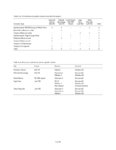
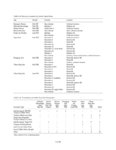
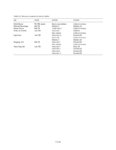
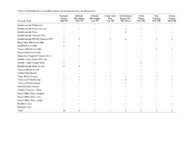
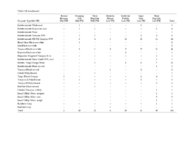
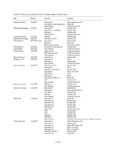
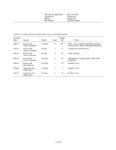
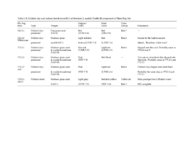
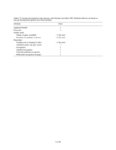
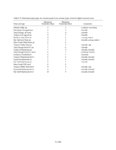
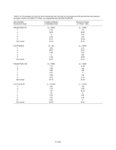
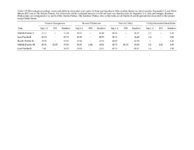
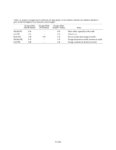
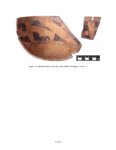
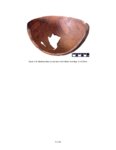
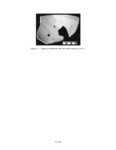
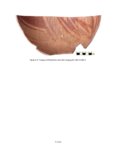
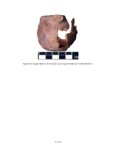
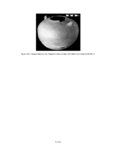
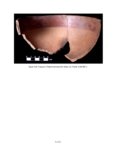
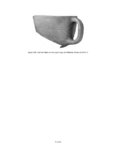
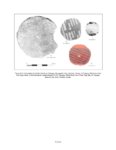
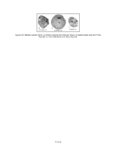
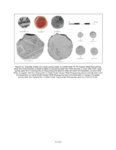
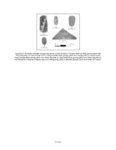
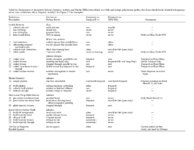
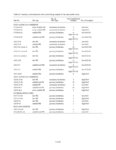
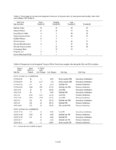
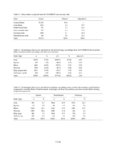
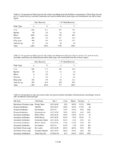
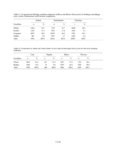
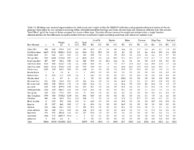
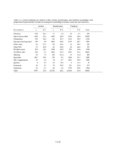
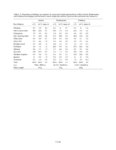
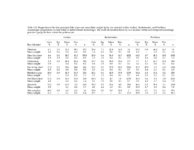
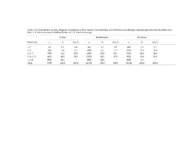
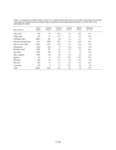
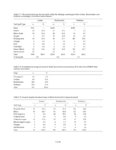
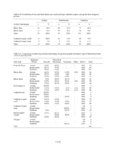
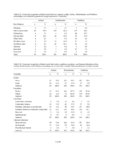
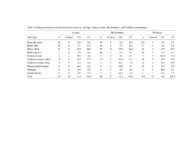
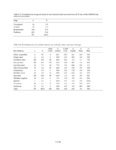
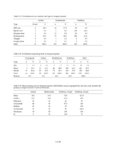
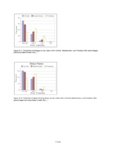
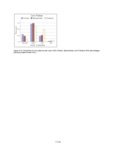
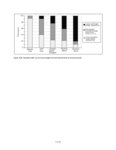
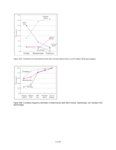
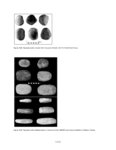
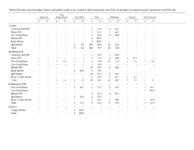
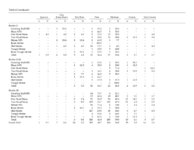
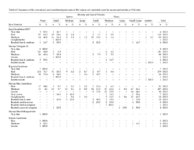
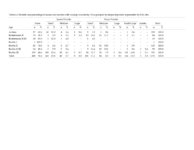
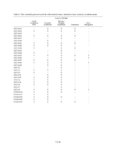
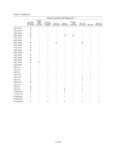
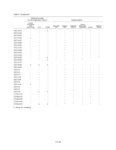
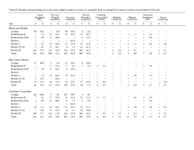
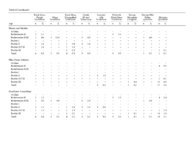
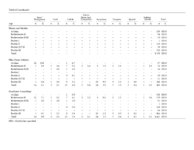
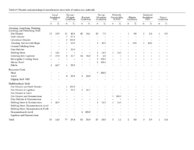
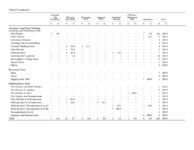
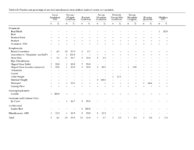
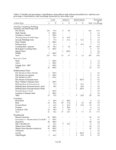
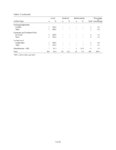
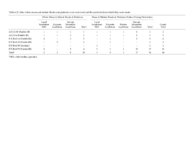
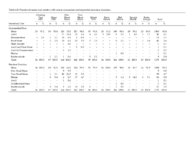
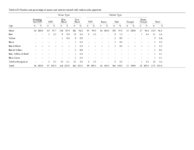
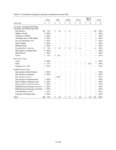
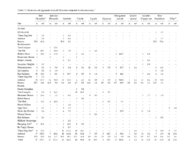
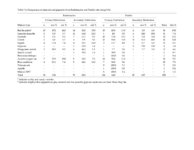
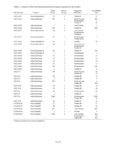
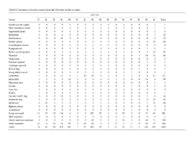
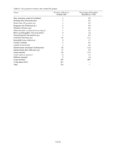
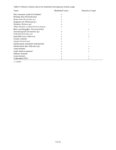
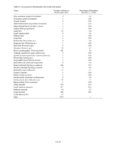
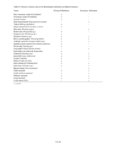
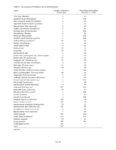
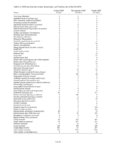
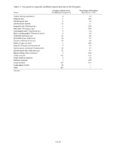
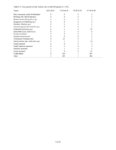
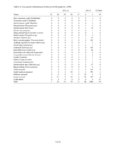
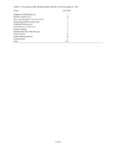
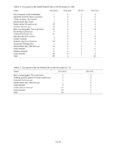
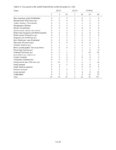
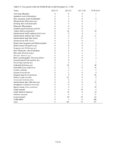
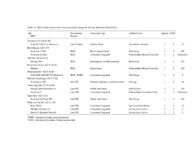
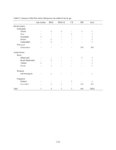
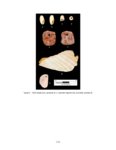
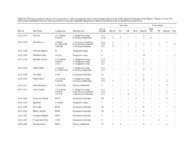
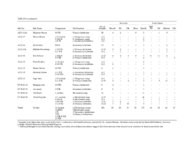
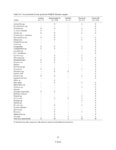
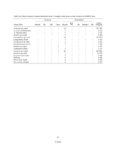
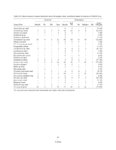
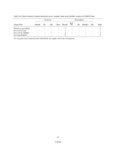
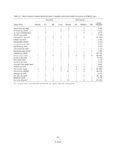
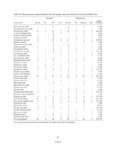
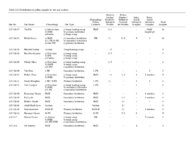
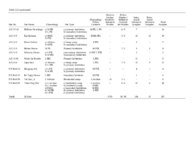
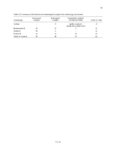
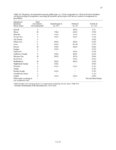
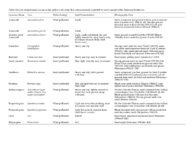
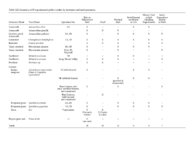
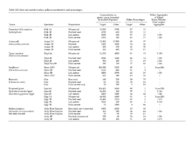
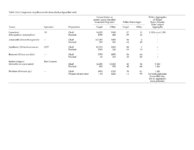
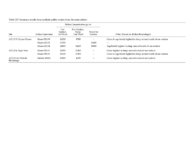
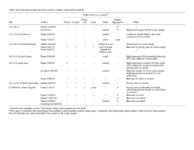
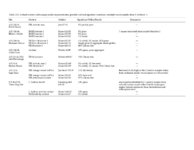
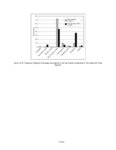
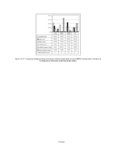
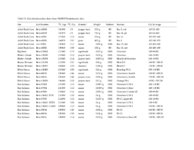
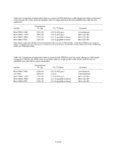
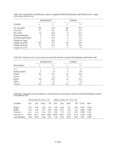
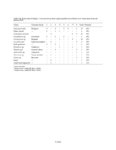
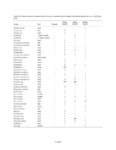
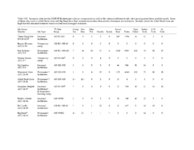
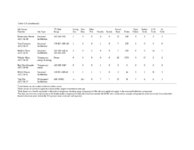
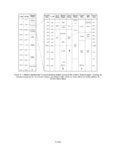
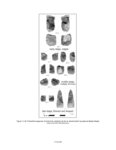
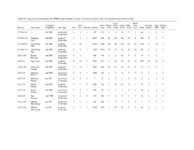
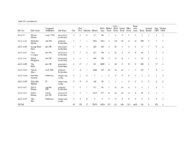
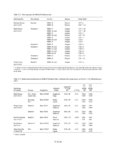
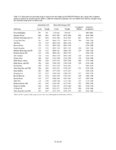
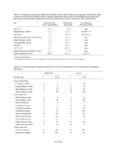
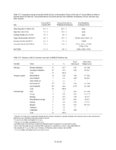
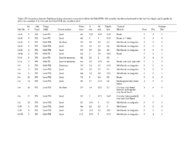
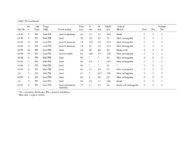
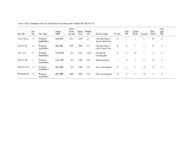
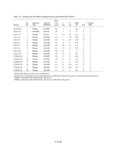
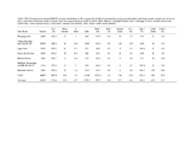
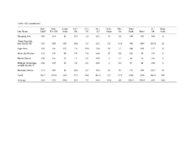
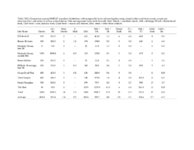
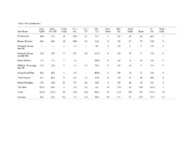
Show contrast to the wide variation and probable experimentation of the middle Pueblo III period. Most of the whiteware (94%) was almost certainly imported to the study area, while only about 6 percent could have been made locally. Most of the imported whiteware pottery (91%) is Tusayan White Ware, made from Cretaceous clays found on and around Black Mesa, south and southeast of the study area. Most of this was tempered with quartz sand, which is difficult to source, but some was tempered with volcanic ash and likely had more restricted production areas (see Chapter 4). Trace amounts appear to have been imported from the Mesa Verde area and perhaps unidentified extralocal sources. Diversity in whiteware sources increased over time. Whiteware assemblages contrast with redware primarily in terms of vessel form frequencies. Whereas bowl forms dominate the redware assemblage in all periods, and redware bowl sherds outnumber jar sherds by as much as 5:1 in some time periods, jar forms dominate the whiteware assemblage in all time periods. Bowl to jar ratios for whiteware range from 0.28 in the late Pueblo III period to 0.94 in the mixed Pueblo II/Pueblo III assemblages. For the most part, however, proportions of vessel forms remained relatively stable over time. Jars dominate bowls. Straight-rim bowls are always more frequent than incurved or flared bowls. As expected, narrow-neck jars are somewhat more frequent early on, and wide-neck jars are more frequent in the middle and late Pueblo III periods. Ladles, seed jars, pitchers, and miniatures are rare throughout the assemblage-around 1 percent or less of total whiteware sherds-and only one whiteware colander sherd was recovered (late Pueblo III). Whiteware and redware, then, may have been functionally and stylistically complementary. Possible reasons for this complementarity are explored in Chapter 3. MODIFIED SHERDS Modified sherds are those with repair holes and post-firing modification. Initial impressionistic examination of sherds recovered during testing suggested that the frequency of worked sherds and the variety of kinds of worked sherds may have increased over time. Additional data recovered during excavation demonstrated that this is the case. We attempt to explain this phenomenon in terms of changing ceramic technology, subsistence technology, degree of sedentism, and changes in site size and functions. We examine the frequency of modified sherds, the kinds of pottery selected for modification, the kinds of modified sherds produced, the range of different kinds of modified sherds, and depositional contexts of modified sherds at each site. These data are compared across sites in terms of time period, site size, and site type. Repair Holes Repair holes indicate that a vessel was valuable enough to the users to attempt to salvage it after cracking, so a tabulation of the types of vessels that exhibit repairs offers a clue to the relative value of different kinds of pottery. However, repair holes are related to the use of the whole vessel in which they appear, and are not included in the analysis of reuse of broken pieces for new purposes. We noted 344 sherds with repair holes from 15 sites within the N16 project area (Table 2.49). Overall, more Tsegi Orange Ware (n = 190, 55.2%) and Tusayan White Ware (n = 106, 30.8%) vessels had repair holes than any other ware observed in the N16 assemblage (Table 2.50). Most of the repaired vessels were bowls (n = 231, 67.2%) or jars (n = 99, 28.8%). Only a few sherds from ladles, a pitcher, and a mug had repair holes. These percentages indicate that repair holes are not randomly distributed by ceramic ware or by vessel form. We compared the frequencies of sherds with repair holes by ware with the total N16 assemblage by ware (Table 2.51). Mesa Verde White Ware vessels (2.0%), indeterminate whiteware vessels (2.0%), Tsegi Orange Ware vessels (1.8%), and Tusayan White Ware vessels (1.3%) were repaired more often than the other wares represented in this assemblage. The San Juan Red Ware assemblage was quite small, only 32 sherds recovered, with only one sherd exhibiting a repair hole, so although the percent within ware is the highest at 3.1 percent, the small sample size precludes making any conclusion. The remaining wares had 1 percent or fewer sherds with repair holes. The higher proportion of repaired decorated vessels indicates that the owners of these vessels considered them quite valuable. In the case of the Mesa Verde White Ware vessels, which include both eastern and western varieties, they may have been more valuable because they were imported. In the northern portion of the project area, where most of the Tusayan White Ware with repair holes is from, these vessels may have been considered valuable for the same reason. Hanging Ash had the highest percentage of sherds with repair holes (4.7%), more than any other site within the project area (Table 2.52). All other site assemblages had about 1 percent or less repair holes. There is no apparent correlation between temporal period, size of occupation, and number of repair V.2.48 |