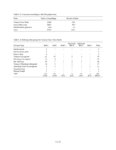
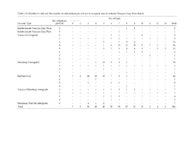
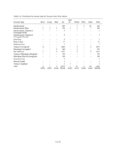
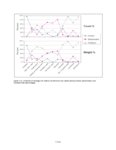
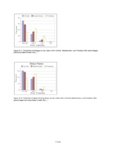
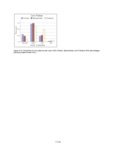
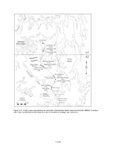
| OCR Text |
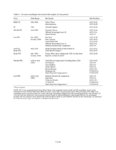
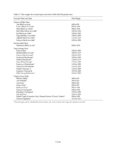
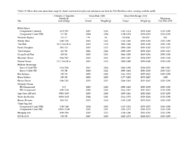
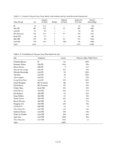
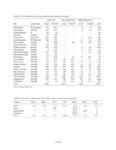
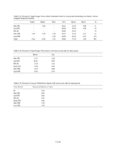
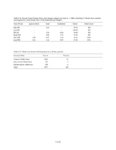
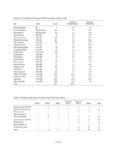
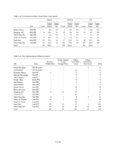
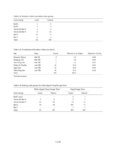
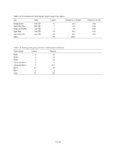
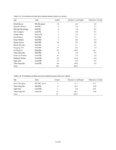
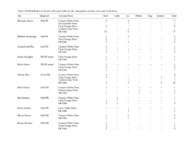
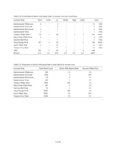
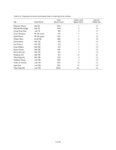
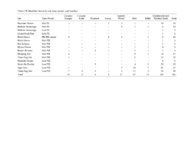
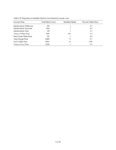
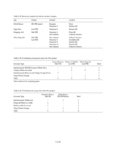
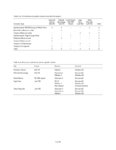
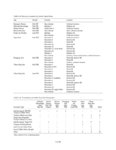
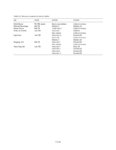
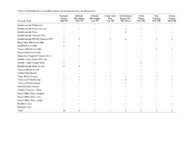
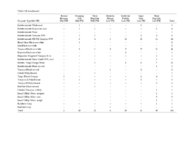
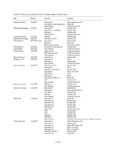
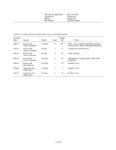
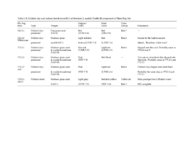
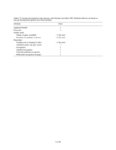
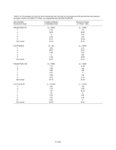
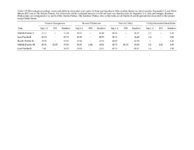
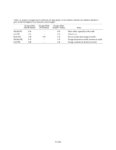
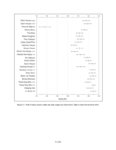
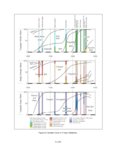
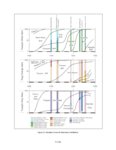
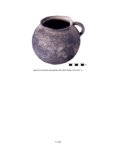
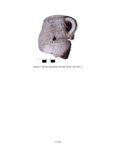
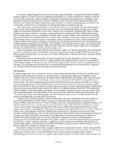
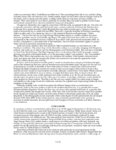
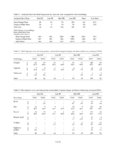
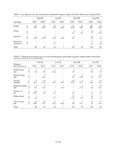
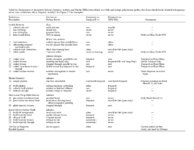
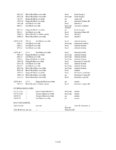
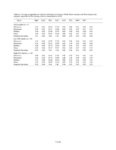
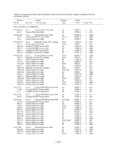
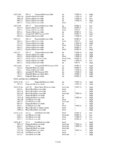
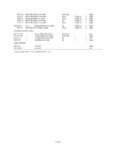
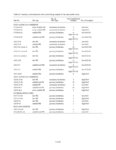
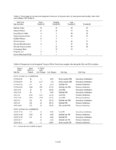
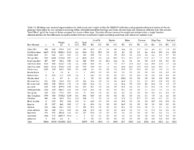
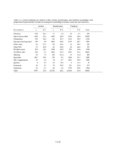
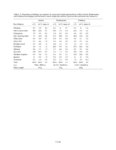
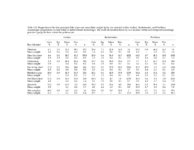
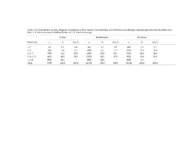
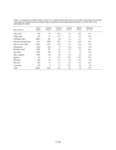
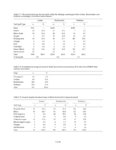
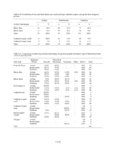
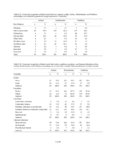
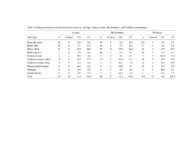
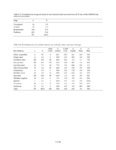
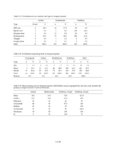
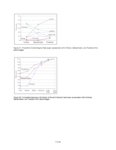
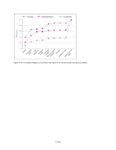
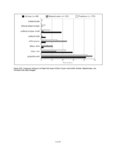
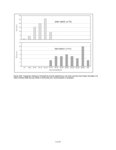
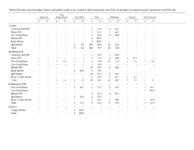
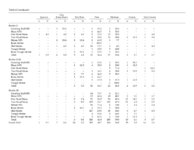
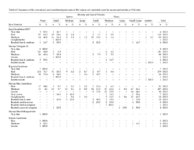
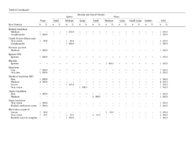
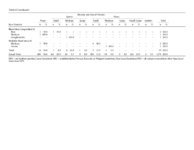
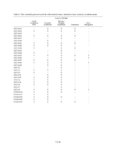
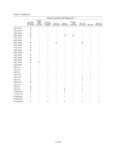
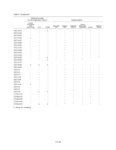
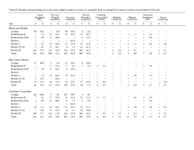
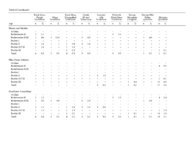
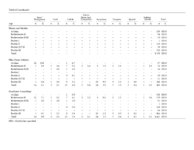
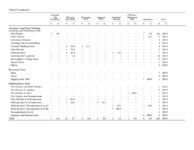
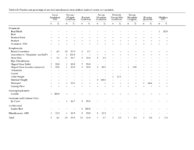
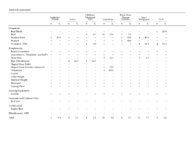
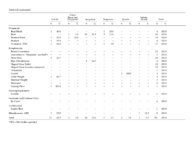
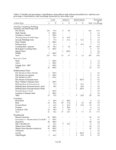
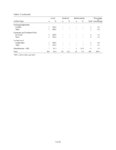
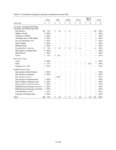
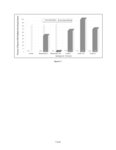
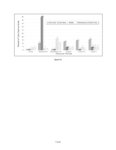
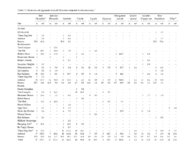
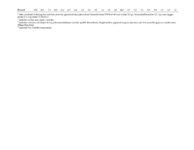
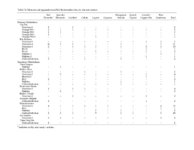
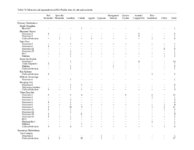
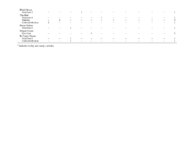
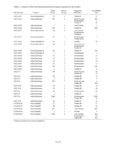
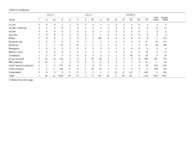
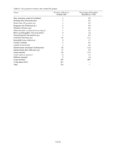
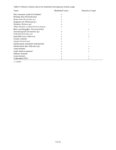
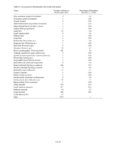
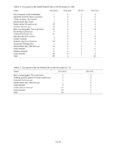
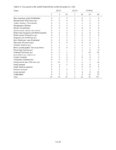
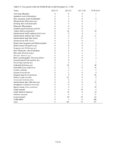
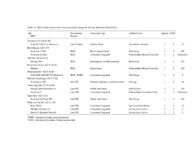
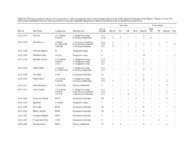
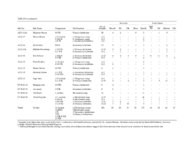
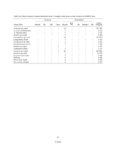
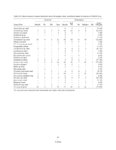
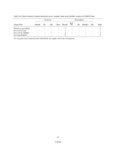
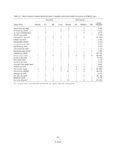
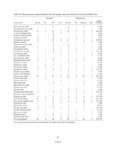
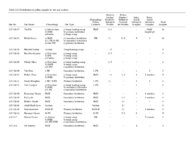
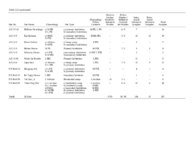
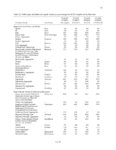
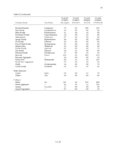
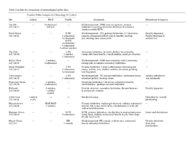
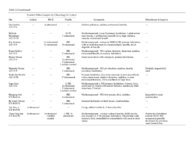
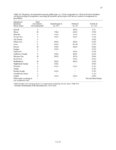
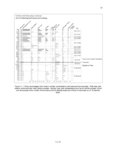
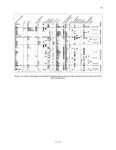
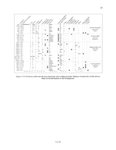
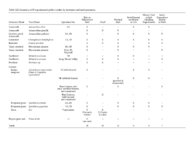
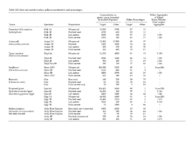
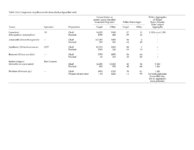
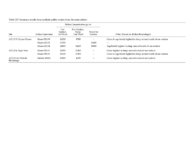
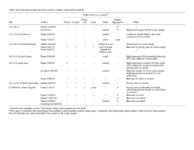
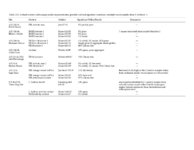
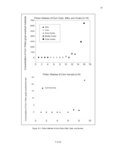
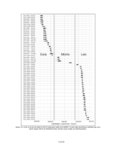
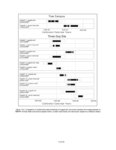
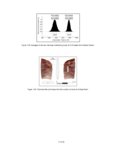
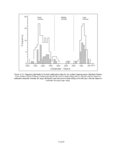
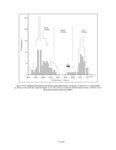
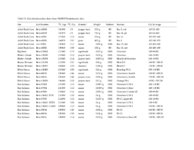
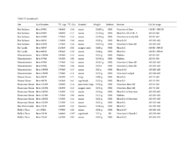
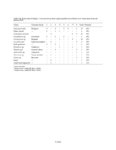
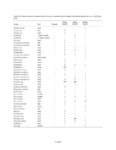
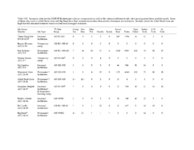
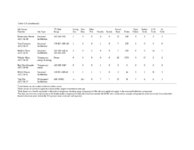
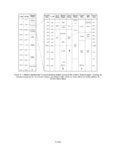
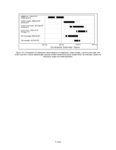
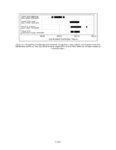
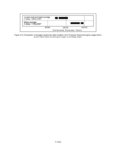
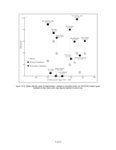
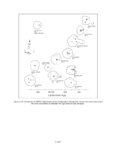
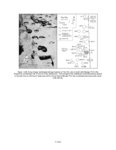
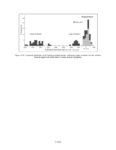
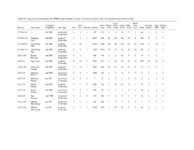
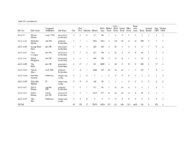
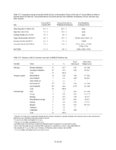
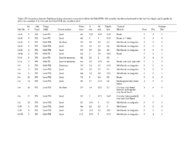
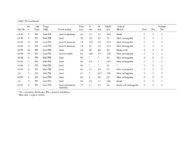
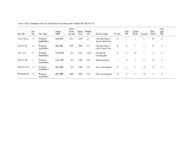
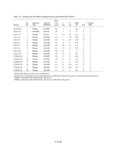
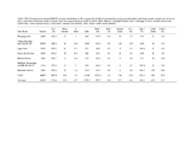
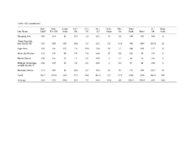
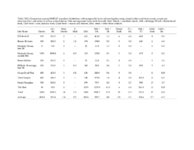
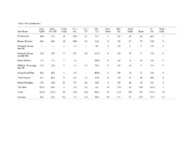
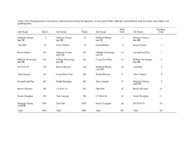
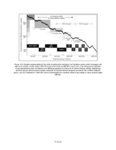
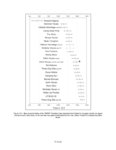
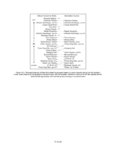
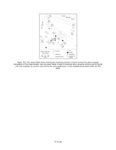
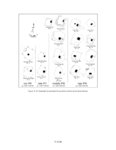
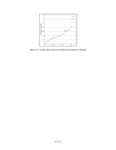
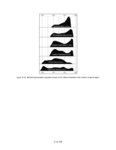
Show AMS facilities (discussed in detail below). At one point, the NSF-Arizona AMS Facility in Tucson analyzed several samples to assess inter-laboratory comparability. Later in the project, a further check of inter-laboratory comparability was performed by Beta Analytic using maize samples from two of the Basketmaker sites. In this final quality control study, both samples were sufficiently large that multiple graphic targets could be prepared from each for submission to different laboratories (results discussed later). The 75 Basketmaker radiocarbon dates obtained by the N16 excavations is a sizable data set, one based almost entirely on high-quality samples, especially maize. The dates are listed in Table 14.1 by site and then by conventional radiocarbon age in descending order. The dates come from 17 sites, a few of which were evidently occupied for extended intervals, with Kin Kahuna the best example. The 17 Basketmaker sites include the tested Atlatl Rock Cave reported in Chapter 2 of Volume II. Table 14.1 also provides information on the type of material dated, the initial pretreatment weight of the sample, the dating method used (beta-decay or AMS), the measured or assumed delta 13C value, the feature, and the calibrated two-sigma age range calculated using the OxCal program, Version 3.5 (Bronk Ramsey 1994, 1995, 1998). Geib and Spurr (2000: Table 9.1) listed many of these dates but others have been added since then; the calibrated age ranges presented by Geib and Spurr might differ from those given here because of using a different calibration program (CALIB, Version 3.0.3a; Stuiver and Reimer 1993). The 75 Basketmaker period dates range between 2230 BP and 1500 BP; Figure 14.2 plots all these according to their calibrated two-sigma age range. This figure also shows which of the dates are on maize. There is a continuous sequence of dates from around 400 cal. BC to cal. AD 650. This time span includes the interval during which pottery was introduced and became part of the local technology, sometime between cal. AD 220 and 350. The dating of pottery is detailed later in this chapter (also see Chapter 10 of Volume III). The earliest direct date on maize for the project is 2230 BP (410-100 cal. BC); this is also the earliest date of the Basketmaker chronology. It is supported by six additional dates on maize from 2210 to 2180 BP; together these seven maize dates, seen at the top of Figure 14.2, span the interval from 400-100 cal. BC. These seven early maize dates come from the two largest and longest occupied Basketmaker II open pit house habitations: Kin Kahuna and The Pits. If we assume for the sake of argument that the dates represent a single temporal interval (they are statistically indistinguishable), they can be averaged in an attempt to provide a narrower temporal range. Doing this produces an average of 2199 ± 21 BP, but the calibrated two-sigma range is still quite wide: 360-170 BC. Because the fluctuations in atmospheric 14C at this interval create a plateau and several small reversals (wiggles), temporal placement of an event will always be poorly resolved (Guilderson et al. 2005). Even with a standard deviation of 1 year, the two-sigma age range for a 2199 BP date is 360-200 BC (OxCal, v. 3.5). Therefore, we cannot know with any greater precision when the Basketmaker II interval started in the northern Kayenta region other than after about 400 cal. BC but before 200 cal. BC. None of the NMRAP sites that produced radiocarbon dates earlier than 2300 BP contained maize plant portions, whereas nearly all sites dated after this yielded maize cupules and kernels, some in considerable abundance. This pattern was based on both the field recovery of plant remains and the analysis of numerous flotation samples. As detailed below, we recovered maize remains from nearly every Basketmaker II site of the N16 ROW and a few Basketmaker habitations produced maize remains in an abundance equal to or exceeding that of Puebloan habitations of the project area. Of the numerous flotation samples analyzed from late Archaic sites, those dating earlier than 2300 BP contained no maize remains or other domesticates. All but one of the 17 open Basketmaker sites investigated during the project could be assigned a temporal placement based on radiocarbon dates, in most cases multiple dates. The exception is Windy Mesa, which lacked Basketmaker features within the ROW and thus carbon samples altogether; excavations outside the ROW at this site might eventually uncover dateable Basketmaker features. The presumed Basketmaker II component at Windy Mesa occurred within a stratum that overlay an early Archaic cultural stratum and underlay a Puebloan cultural stratum. Its temporal assignment is somewhat conjectural but is supported by the flaked stone assemblage. In addition to the 17 open sites, the limited test excavation of Atlatl Rock Cave recovered numerous carbon samples or other organic remains from many Basketmaker features and a thick accumulation of associated deposits; six of these returned assays within the Basketmaker chronology for the project area. Material Quality The NMRAP Basketmaker radiocarbon data set is not only robust but also based on high-quality samples from excellent contexts. Almost 70 percent of the dates are on maize (n = 51). Other high-quality samples include grass and juniper bark extracted from mortar used in cist construction (n = 3, all from Atlatl Rock V.14.8 |