| OCR Text |
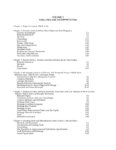
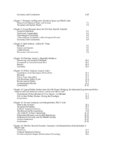
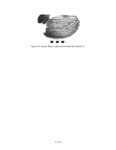
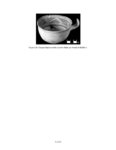
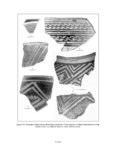
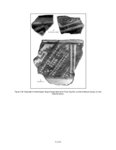
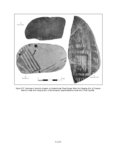
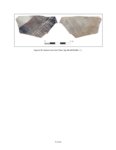
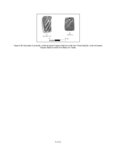
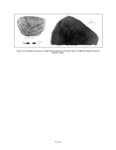
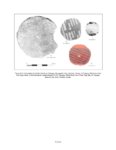
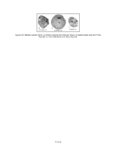
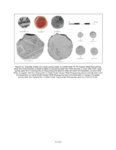
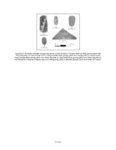
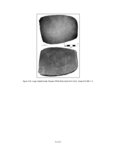
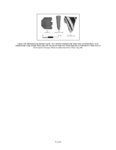
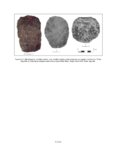
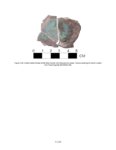
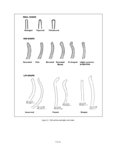
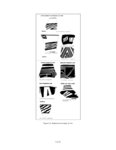
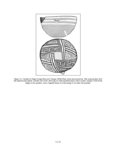
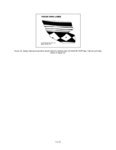
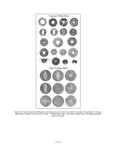
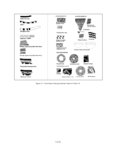
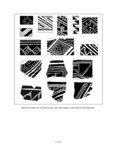
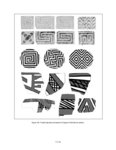
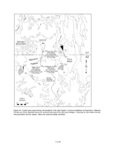
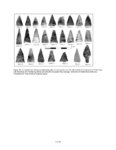
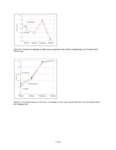
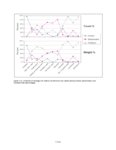
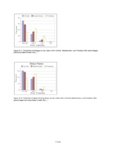
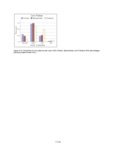
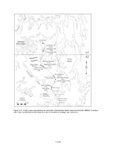
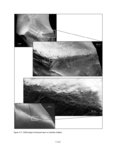
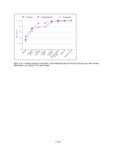
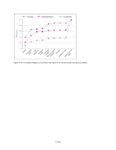
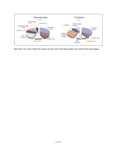
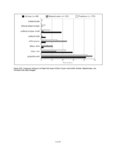
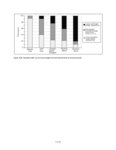
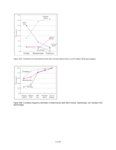
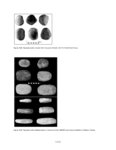
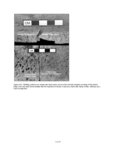
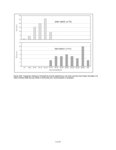
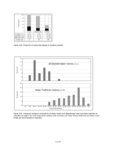
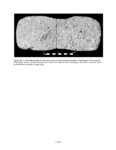
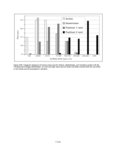
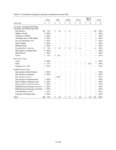
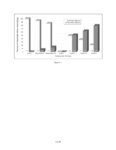
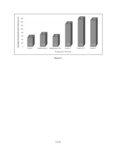
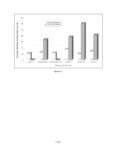
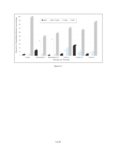
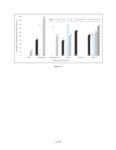
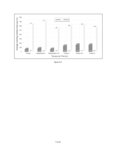
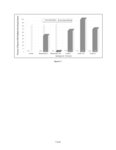
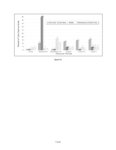
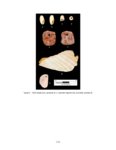
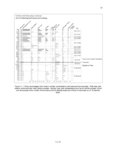
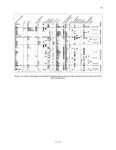
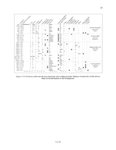
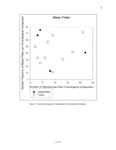
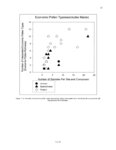
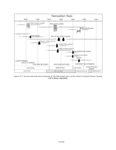
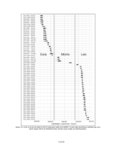
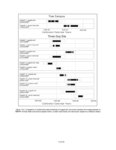
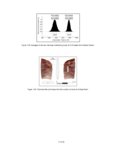
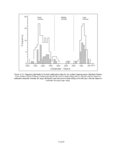
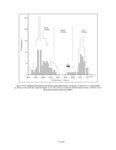
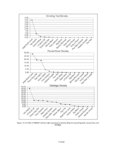
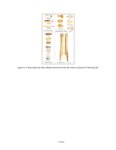
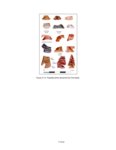
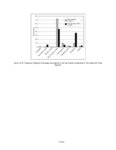
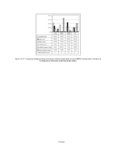
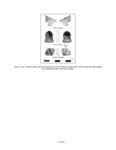
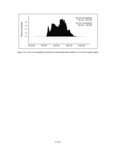
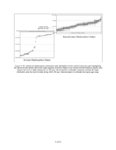
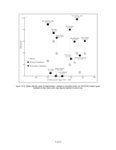
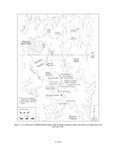
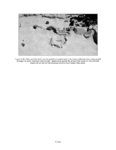
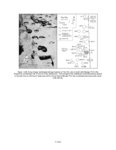
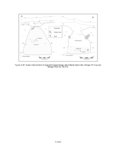
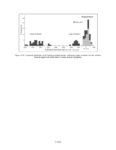
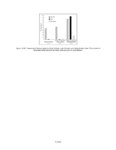
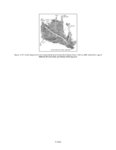
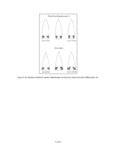
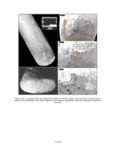
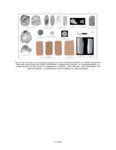
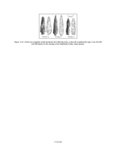
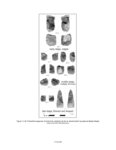
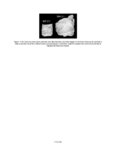
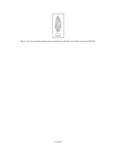
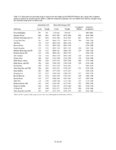
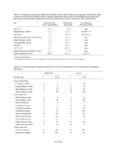
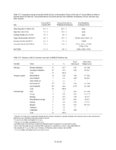
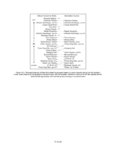
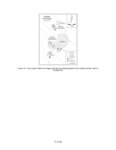
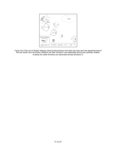
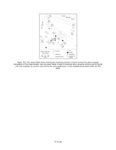
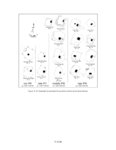
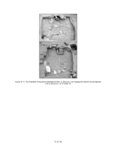
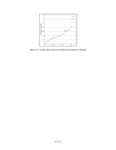
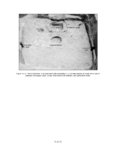
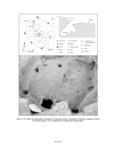
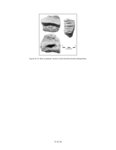
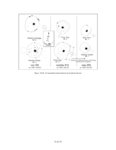
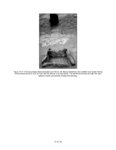
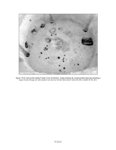
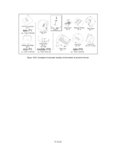
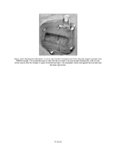
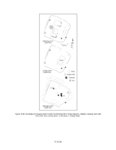
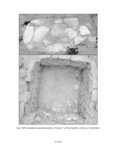
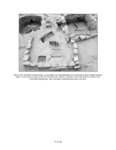
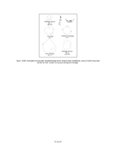
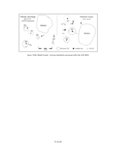
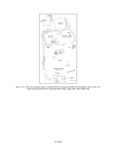
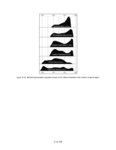
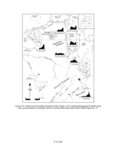
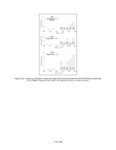
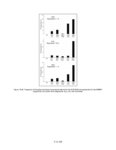
Show 5.29. 5.30. 5.31. 5.32. 5.33. 5.34. 5.35. 5.36. 5.37. 6.1. 6.2. 6.3. 6.4. 6.5. 6.6. 6.7. 6.8. Representative manos from the early Archaic Unit IV of Dust Devil Cave. Representative Basketmaker II manos from the NMRAP secondary habitation of Blake's Abode. Refitting portions of a broken two hand mano one of which exhibits abrasive rounding of the broken edge; such use-wear demonstrates that the fragment continued in use as a mano after being broken, although as a much smaller tool. Frequency histogram of length for manos classified as one hand and two hand types (includes only those finished tools that are whole or refit whole and not exhausted or recycled). Proportion of mano size classes by temporal periods. Frequency histogram of length for all whole manos from Basketmaker sites and those classified as classified as large or two hand types from Puebloan sites (includes only those finished tools that are whole or refit whole and not exhausted or recycled). A refit whole example of a two hand mano from the Puebloan component (field house?) of Kin Kahuna showing the ‘bow-tie" effect of reducing mano width in the middle for ease of gripping, a task that is sometimes aided by the addition of groves for finger grips. Frequency histogram of mano surface area for Archaic, Basketmaker, and Puebloan periods with the Puebloan assemblage differentiated by small and large mano size (includes only those finished tools that are whole or refit whole and not exhausted or recycled). Basketmaker II basket recovered from Grand Gulch in the collections of AMNH (cat # H13133) that contains a mixture of popped corn, squash seeds, pinyon nuts, and other items; extensive use of popped corn would have limited the need for large grinding tools. Percentages of one- and two-hand tools comprising those portions of the mano assemblages that could be classified as one- or two-hand manos. The number of manos represented by each percentage is given in each bar. Average whole mano grinding surface area by temporal period for N16 sites. The average area is provided above each bar and the number of grinding surfaces measured is provided in each bar. Average grinding surface areas for whole one- and two-hand manos by temporal period for N16 sites. The average area is provided above each bar and the number of grinding surfaces measured is provided in each bar. Percentages of the different types of metates comprising that portion of the metate assemblage that could be classified into specific type categories. The number of metates represented by each percentage is given above each bar. The one metate (a trough variety fragment) identified from the Pueblo I period is not listed. Average grinding surface areas of whole or reconstructible metates found at N16 sites arranged by temporal period. The average grinding surface area is presented above each bar, and the number of grinding surfaces measured is provided in each bar. Average grinding surface area of whole manos and metates by temporal period for N16 sites. The average area is provided above each bar and the number of grinding surfaces measured is provided in each bar. Percentages of one- and two-hand manos with more than one grinding surface for each temporal period represented by the N16 sites. The number of manos represented by each percentage is given in each bar. Percentages of one-hand manos, two-hand manos, metates, and miscellaneous stone grinding tools used as anvils for each temporal period represented by the N16 sites. The number of tools represented by each percentage is given in each bar. The one metate identified from the Pueblo I period is not listed. 9.1 Shell beads (a-d), pendants (e,f), unworked fragment (e), and stone pendant (f). 11.1. Pollen percentages from modern surface and selected subsurface sediment samples. Solid bars note modern control soil and moss polster samples. Hatched bars note archaeological and trench profile samples. Shrub and herb graphs show number of shrub taxa out of 9 possible types and number of herb taxa out of 19 possible types.. |