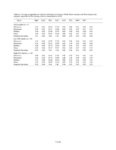
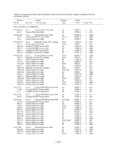
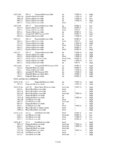
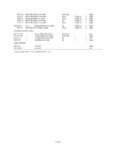
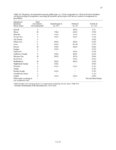
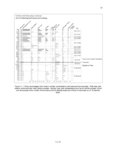
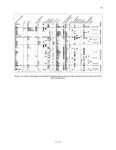
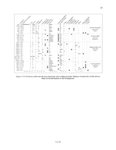
| OCR Text |
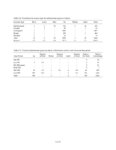
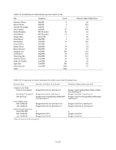
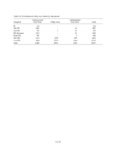
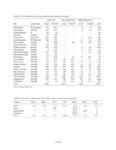
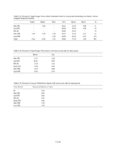
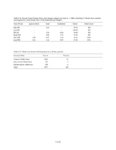
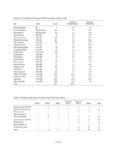
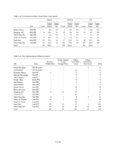
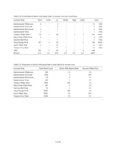
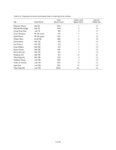
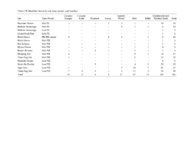
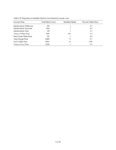
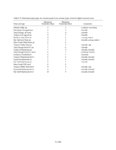
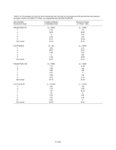
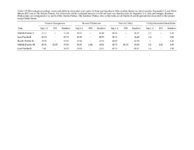
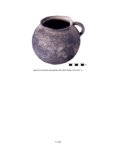
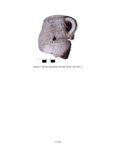
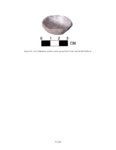
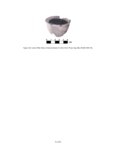
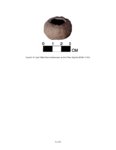
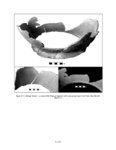
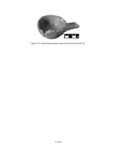
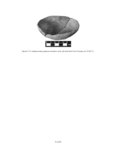
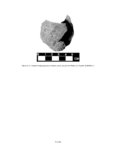
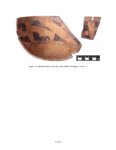
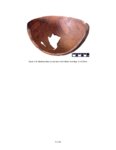
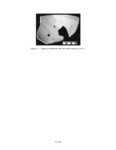
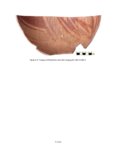
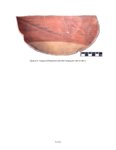
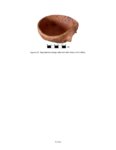
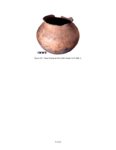
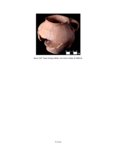
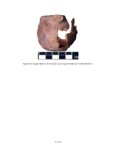
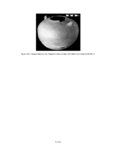
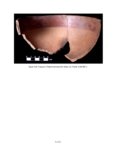
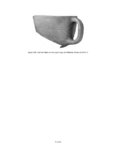
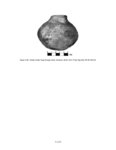
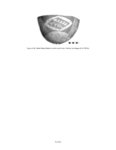
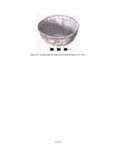
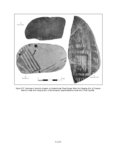
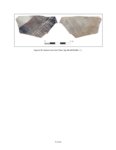
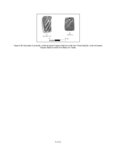
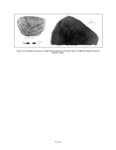
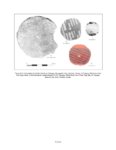
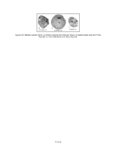
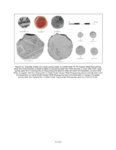
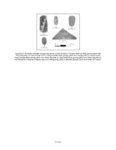
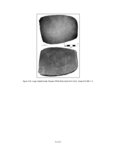
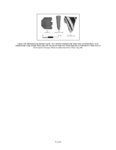
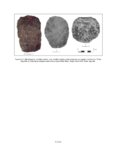
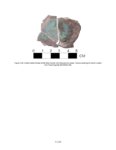
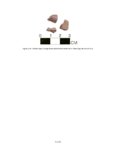
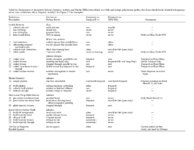
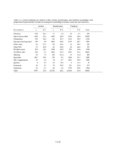
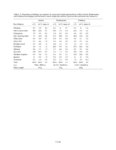
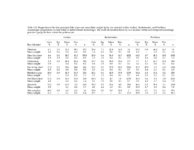
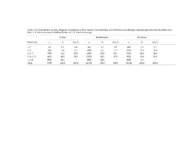
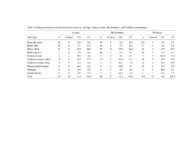
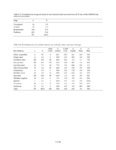
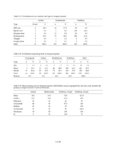
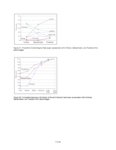
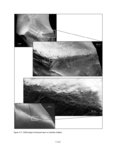
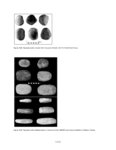
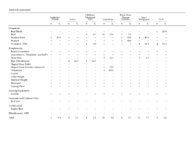
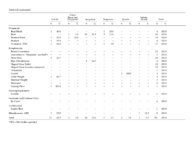
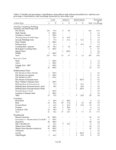
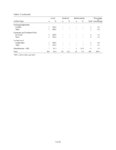
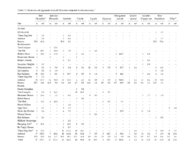
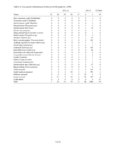
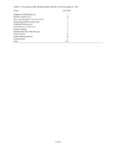
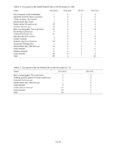
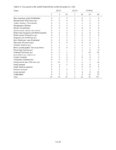
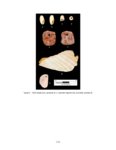
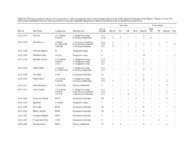
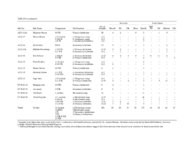
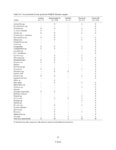
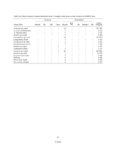
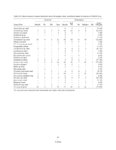
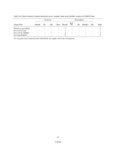
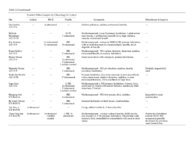
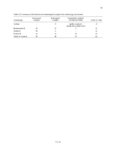
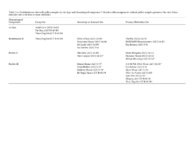
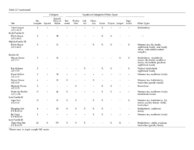
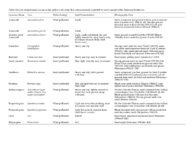
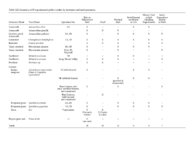
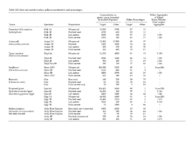
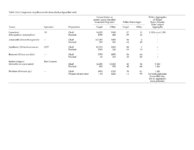
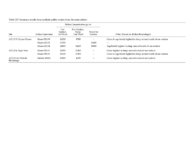
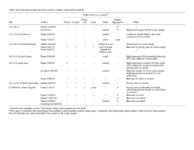
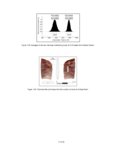
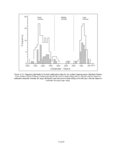
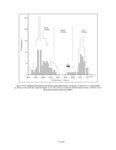
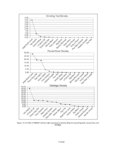
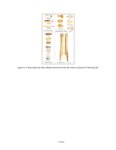
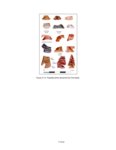
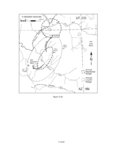
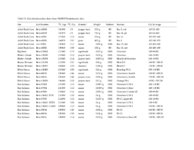
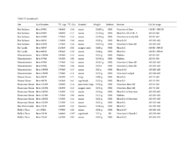
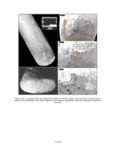
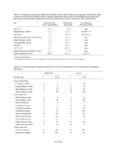
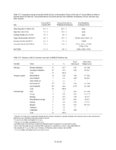
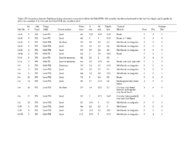
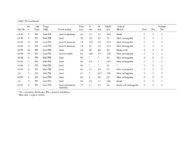
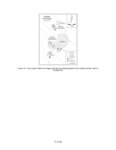
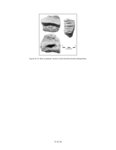
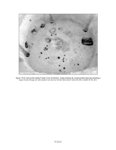
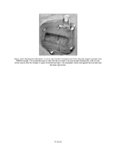
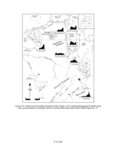
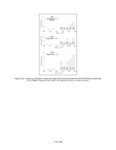
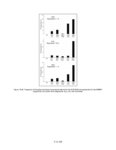
Show locations of prehistoric procurement and the potential use of these materials rather than being an exhaustive treatise on the mineral resources of the N16 region. Iron Oxides Iron oxides are most conveniently grouped by color and texture, characteristics that derive from compositional, structural, or depositional differences (see Jones 1978). The iron oxides primarily produce red and yellow pigments, the former generally called hematite (iron oxide) and the latter referred to as goethite (iron hydroxide, also termed limonite). Red hematite, which occurs in a wide variety of geologic environments, can be either a primary constituent of a formation or an alteration product. Goethite is generally a secondary deposit, formed by oxidation of iron-bearing rocks or minerals, including hematite. Specular hematite is dark gray to black in color with a metallic luster, and occurs most often as concentrations of tiny crystals. In the N16 assemblage, both red hematite and yellow goethite are quite variable in form, ranging from very soft, earthy, relatively pure "red ochre" and limonitic clay through fine-grained mudstone and siltstone stained with oxidized iron, to quartz sandstone cemented with iron-rich matrix. Similar textural variation, with the exception of the sandy variety, was noted in the pigments from Antelope House (Linford 1986:518-519). The siltstone specimens are typically lighter in color than the more pure forms, which can have a quite bright chroma. A few specimens of iron oxide exhibit both dark red and dark yellow coloration, often on opposite sides of a single nodule, making it difficult to classify as either hematite or goethite; in most cases we assigned samples based on the most prevalent color but noted the color gradation. The color change probably represents natural oxidation of hematite into yellow iron hydroxide. Hard, compact nodules of both hematite and goethite often exhibit ground facets on one or more sides and ends (cf. "paint stones" in Rohn 1971:128). These wear facets, which are present on 34 percent of the hematite and 29 percent of the goethite in the collection, indicate that red and yellow pigment was often produced simply by rubbing a nodule against an abrasive surface. In some cases this was probably the item being decorated. This technique would be quite satisfactory for producing rock art or coloring rough items such as wood tools, baskets, or textiles. The presence of pigment on ground stone tools demonstrates that pigment was also ground or crushed to produce powder, which could then be mixed with fat or some other binder and used as paint. Hard, sandy hematite nodules were probably crushed, and perhaps winnowed or sifted to remove the sand. The resulting red powder could then be mixed with a binder and used as pigment. Weber and Seaman (1985) report a variety of processing methods for red hematite used by the Havasupai, as well as a brief list of the uses to which the mineral was put. Much of the goethite recovered from Puebloan sites occurs as earthy, clayey lumps that contain varying amounts of fine sand. This soft material could be crushed and levigated to remove the sand. Both pure goethite and iron hydroxide (limonite) stained clay is available from the lower Petrified Forest member of the Chinle Formation, where it occurs surrounding mineralized logs that have been replaced by iron and other minerals (see Figure 5.7 in Volume I). Iron from the mineralized logs has leached out into the surrounding clay, staining it yellow to brownish. We have used the term "goethite" for all yellow pigment in the N16 collection, whether it is the more pure form of the mineral or less pure limonitic clay. The most intensely yellow clay fires to red in an oxidizing atmosphere, making it a probable source material for the slip and paint of Tsegi Orange Ware. The more pure, structureless limonite could have been powdered and added to clay to make a brighter red slip for ceramics. Both sources of yellow pigment could have been used for decorating items other than pottery, such as the yellow on the petals of the famous flower cache from Sunflower Cave (Kidder and Guernsey 1919:145-147, Plates 60 and 61). At least three sites in the N16 corridor produced ceramic sherds with heavy pigment staining on the interior surfaces, probably indicating that powdered pigment was stored in the vessels. In several cases the presence of red pigment deep in pits on the interior surface of vessels suggests that the pigment was stored in a slurry form, rather than as a dry powder. Storage of pigment in vessels has been documented by numerous previous projects in the surrounding region. Powdered red hematite was noted on the interior of an Obelisk Utility seed jar from a site south of White Mesa (Hagopian 2002) and a cache of unworked limonite (goethite) was found in a miniature jar at a Basketmaker III site in the Klethla Valley (Ambler and Olson 1977:39). An effigy vessel from a Pueblo II site along the N21 road corridor produced several grams of powdered red hematite (Hagopian 2002). Numerous sherds stained with red hematite and a jar containing lumps of hematite were found on the eastern Shonto Plateau (Anderson 1969:55). Bowls containing limonite, malachite, and pyrolucite were found west of Kayenta (Beals et al. 1945:79). Hematite and goethite are typically the most common pigments recovered from archaeological contexts in the Kayenta region (Ambler et al. 1964; Anderson 1969, 1980; Beals et al. 1945; Christensen V.7.2 |