| OCR Text |
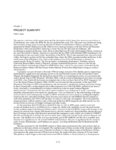
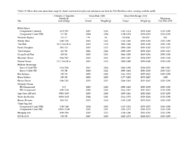
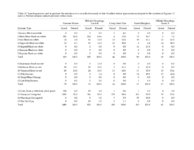
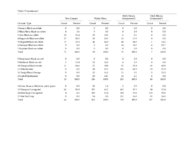
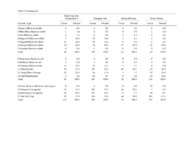
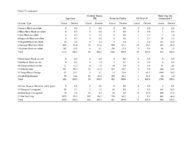
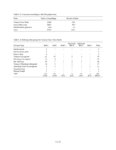
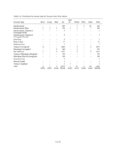
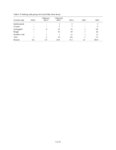
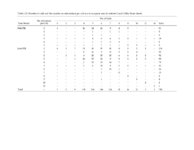
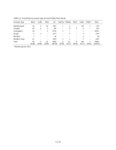
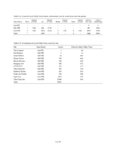
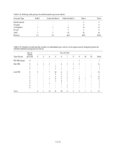
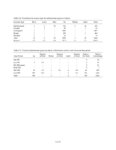
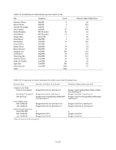
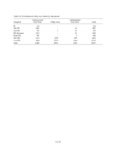
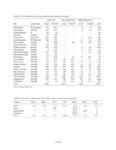
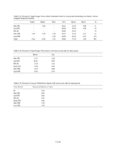
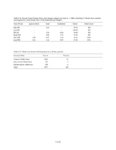
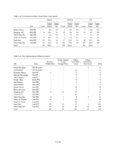
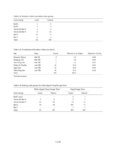
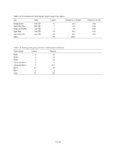
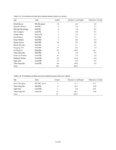
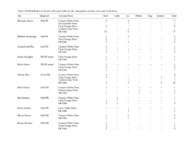
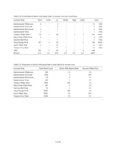
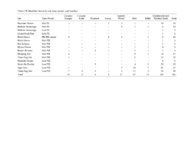
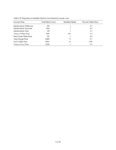
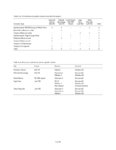
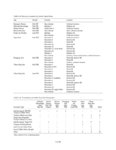
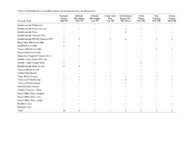
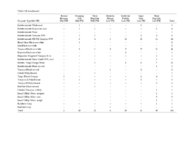
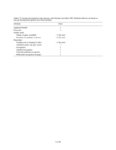
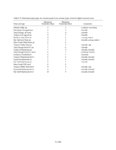
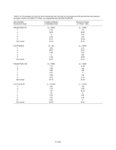
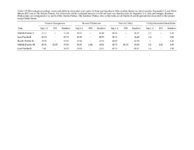
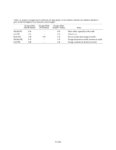
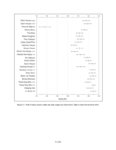
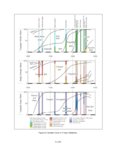
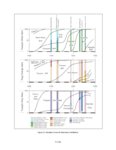
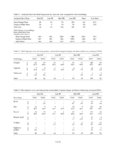
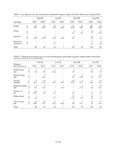
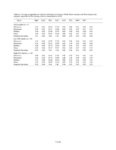
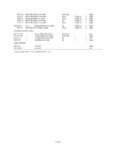
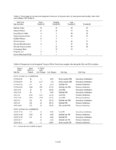
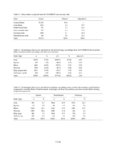
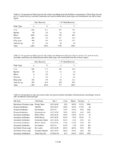
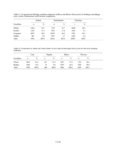
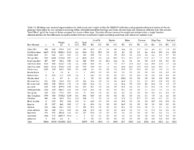
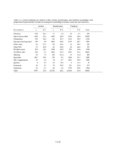
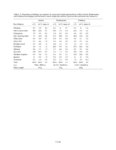
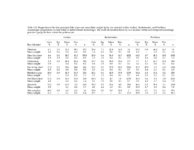
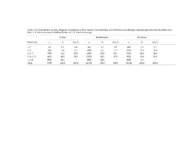
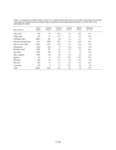
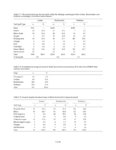
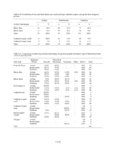
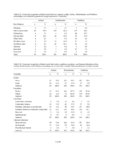
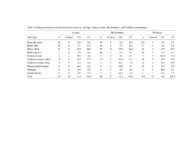
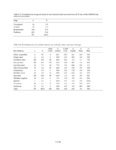
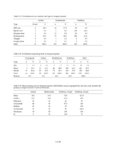
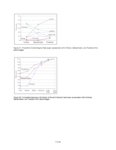
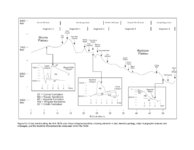
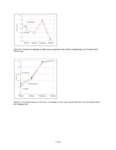
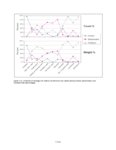
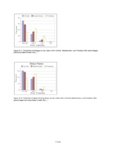
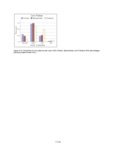
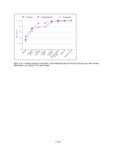
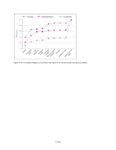
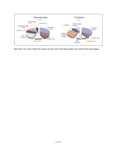
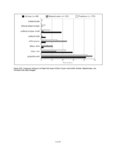
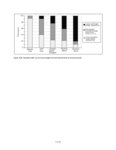
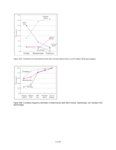
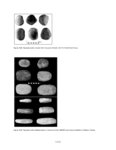
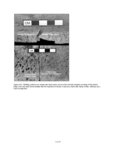
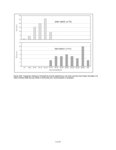
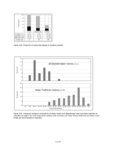
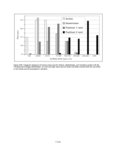
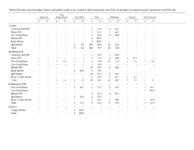
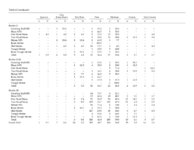
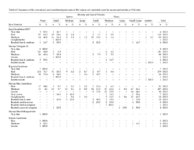
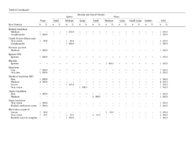
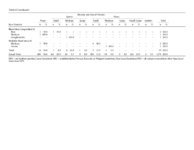
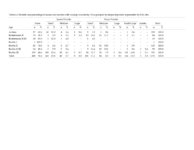
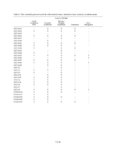
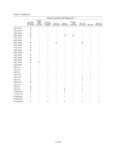
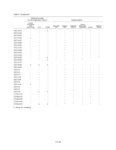
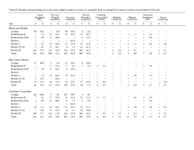
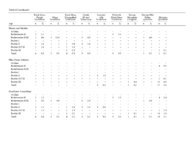
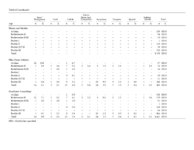
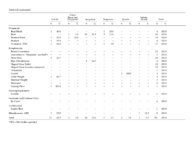
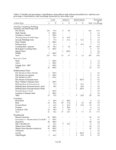
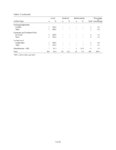
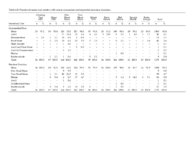
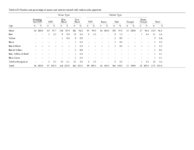
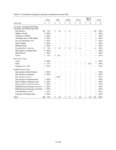
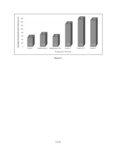
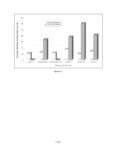
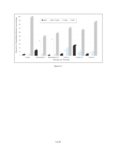
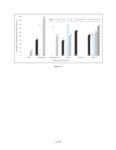
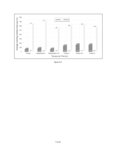
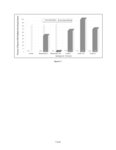
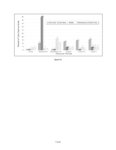
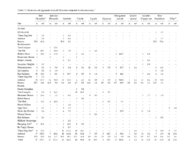
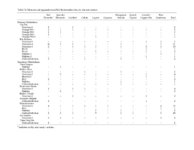
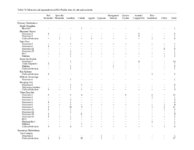
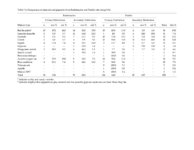
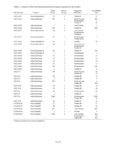
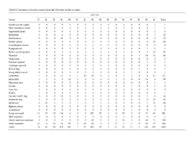
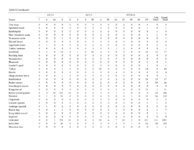
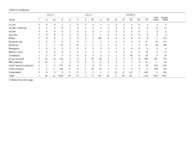
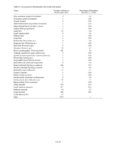
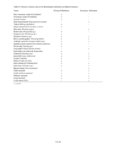
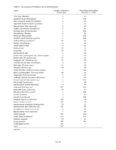
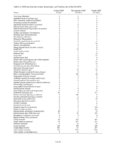
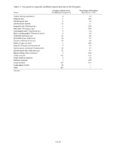
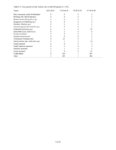
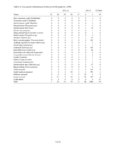
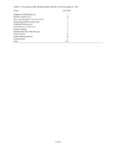
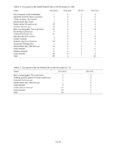
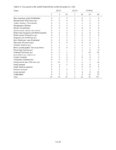
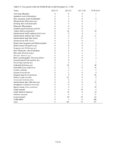
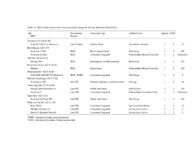
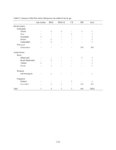
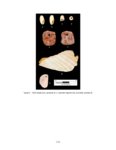
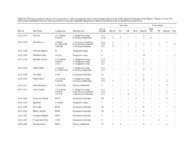
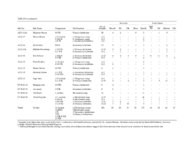
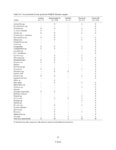
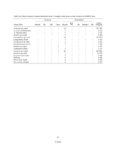
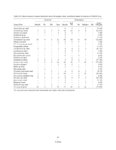
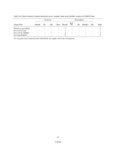
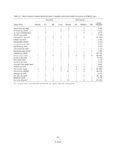
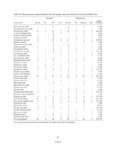
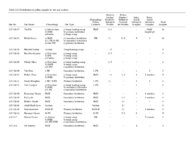
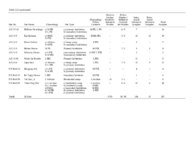
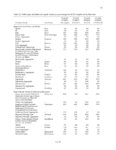
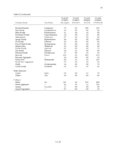
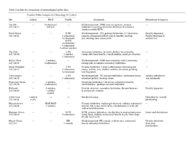
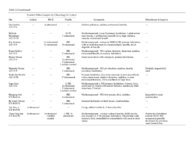
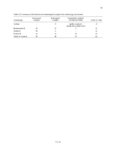
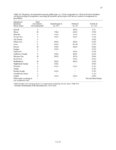
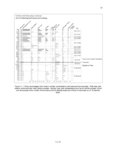
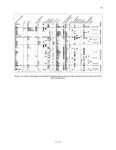
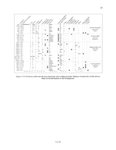
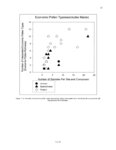
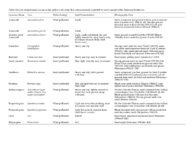
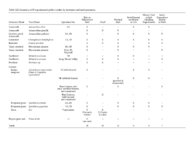
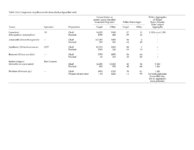
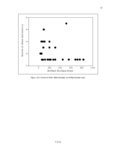
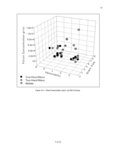
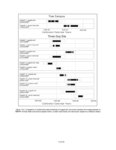
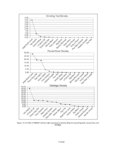
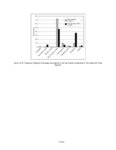
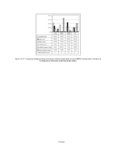
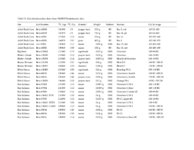
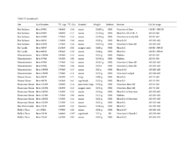
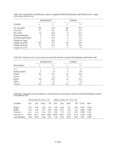
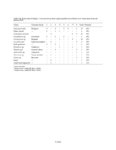
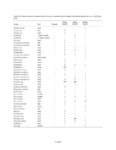
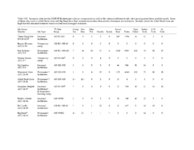
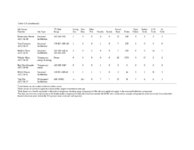
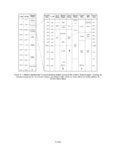
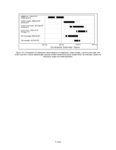
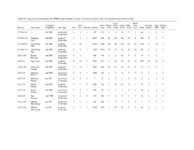
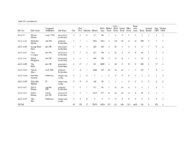
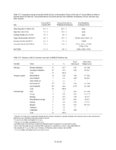
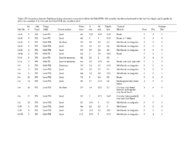
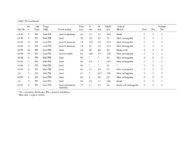
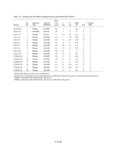
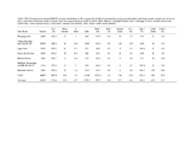
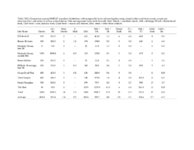
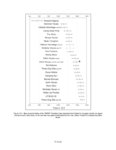
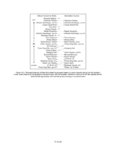
Show reliable, however. Even if reliable, this result probably would be due to the longer use-span of habitation sites and the buildup over time of broken utility ware vessels. Note, however, that the non-habitation sites have a great proportion of unscored sherds, perhaps due to smaller, less easily identified sherds in what may be shallower deposits (sites from this time period do not appear to have substantially more unidentified, locally produced ceramics). Mid-Pueblo III assemblages do not appear to vary significantly. Differences are not great, and are not patterned. The apparently greater proportions of sherds with both low and high production step measures at the non-habitation sites, and fluctuating numbers in between, simply suggest non-significant variation and the greater proportion of identified sherds at the non-habitation sites. As opposed to the middle Pueblo II case, this difference is probably due to the appearance at this time of unclassified locally produced utility ware. Differences among Pueblo III assemblages are surprisingly small, especially given the large discrepancies in sample size. The only notable difference is that the type with the highest labor input, Kiet Siel Polychrome, appears only at habitation sites. Its numbers are miniscule, however, and if types with scores of 9 and 10 are combined, the proportions at habitation and non-habitation sites are identical. This study could be refined by carefully considering vessel form (which would result in assigning decorated jar sherds a lower production step value) and scoring the very large numbers of "unidentified" and "indeterminate" sherds, and smaller numbers of rare types that were not included in the production step measure. This pilot study is adequate, however, to address the question in the research design about differential access to high-quality ceramic vessels. Results clearly suggest that people at non-habitation sites had access to the same range of pottery vessels as people at habitation sites. This supports the view that the same people probably used both kinds of sites. SUMMARY AND CONCLUSIONS The questions we initially posed about ceramic technology are the following: (1) Why do Kayenta Anasazi sites of the Pueblo II-III periods always have two dominant decorated wares-Tsegi Orange Ware and Tusayan White Ware? (2) How is the development over time of fine-paste whiteware (for example, Kayenta Black-on-white, ash-tempered Tusayan Black-on-white) technologically linked to craft specialization, trade, and differential recycling of broken whiteware vessels as tools such as ceramic knives? (3) Does the appearance of Rainbow Gray in the late Pueblo III period represent a locally developed new technology for the production of cooking vessels? The first two questions are addressed in Chapters 3 and 4, respectively. In brief, we believe that potters south of the study area produced whiteware vessels for trade as well as for their own use. Potters there probably made some Tsegi Orange Ware for their own use, and possibly for trade as well (see Chapter 3 this volume; Beals et al. 1945). Potters in the study area probably received some of each ware in trade, or via migration. In addition, they probably made some of the orangeware they used, particularly in the late Pueblo III period in the northern part of the study area. The presence of two decorated wares, with distinct colors and styles, may be due to an ideology of earth/sky complementarity played out in ceramic vessels-primarily orangeware bowls with designs based on plaited basketry and whiteware jars with textile patterns that refer to cotton, clouds, and moisture. Whiteware production appears to have become increasingly specialized over time in areas south of the study area, while orangeware production became increasingly bifurcated into more expedient versions, including large amounts of fairly expedient Tsegi Orange and Tsegi Black-on-orange, and more labor-intensive versions-the much rarer whiteline polychromes. Fine-paste whiteware was imported to the study area. Jar forms were increasingly favored. Whiteware sherds were selected for reuse as tools and ornaments more often than random selection would predict, suggesting that whiteware sherds were preferred. Most reworked sherds were informally worked and there is no evidence that specialized production of reworked sherd tools ever developed. Only one possible ceramic knife appeared in the project area-a much lower frequency than in the Klethla Valley to the south (Geib and Callahan 1988). Perhaps this is because flakable stone suitable for long cutting edges is rare in the Klethla Valley but far less so in the Navajo Mountain area (see Chapter 5 of this volume). In contrast to the increasingly specialized production of decorated ware, utility ware production became increasingly localized, and perhaps more expedient, in the study area. In the Pueblo I and II periods, virtually all utility ware was imported from south of the study area. Pueblo III period sites evidence a trend of increasing experimentation with local production, including a wide variety of tempers and surface treatments. These variations could have been local innovations as the availability of imported pottery declined, or they could have been introduced by relatively small, dispersed groups of migrants (population in the study area grows, but there is no evidence for settlement of large groups of V.2.57 |