| OCR Text |
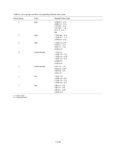
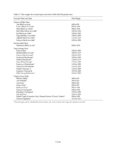
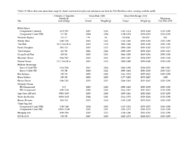
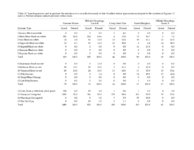
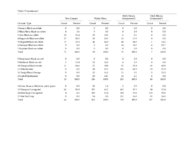
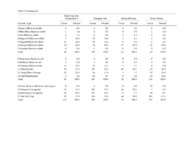
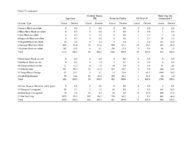
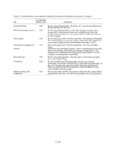
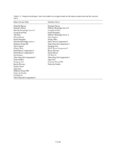
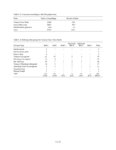
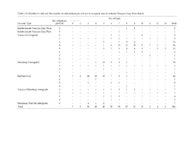
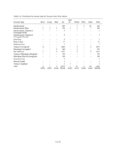
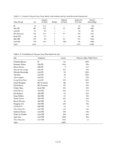
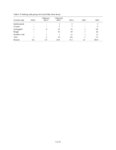
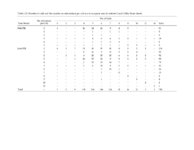
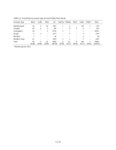
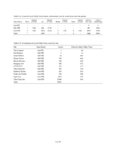
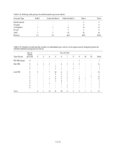
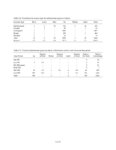
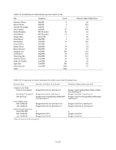
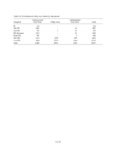
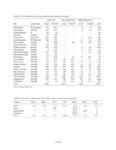
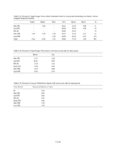
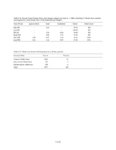
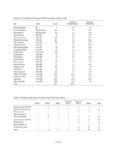
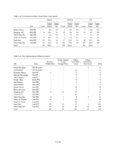
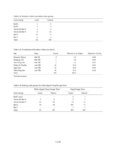
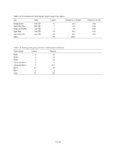
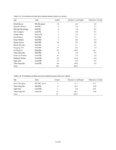
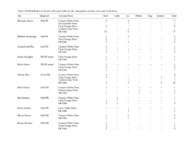
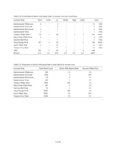
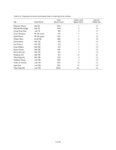
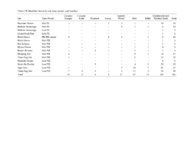
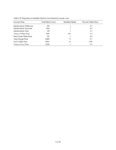
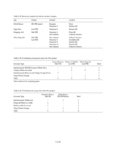
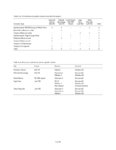
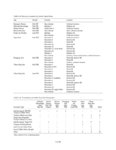
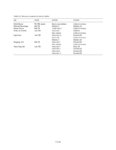
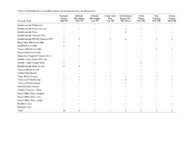
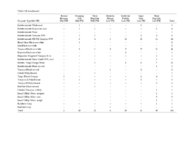
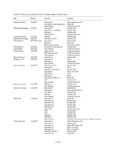
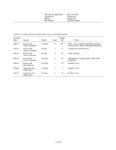
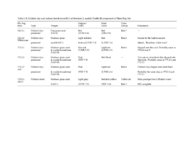
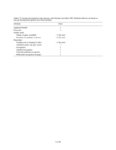
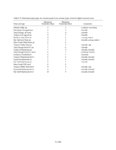
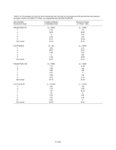
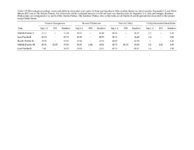
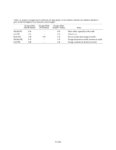
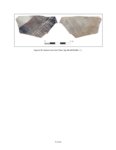
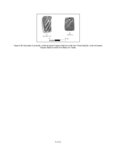
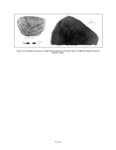
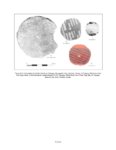
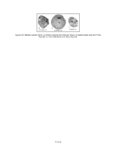
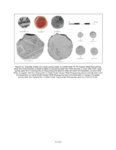
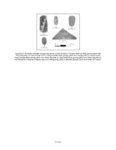
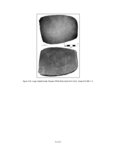
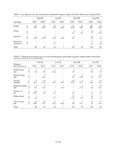
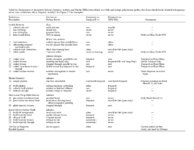
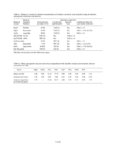
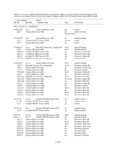
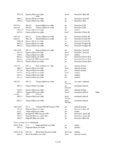
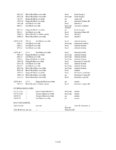
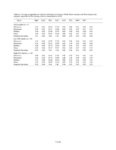
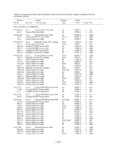
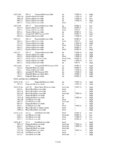
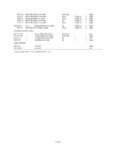
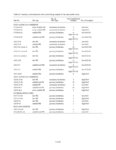
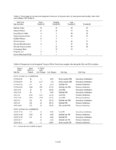
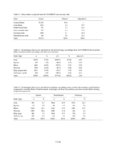
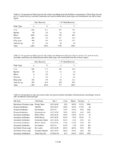
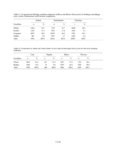
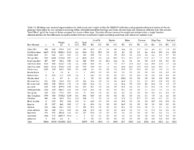
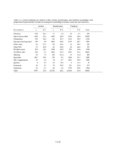
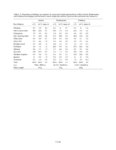
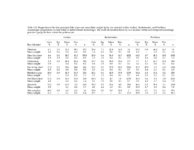
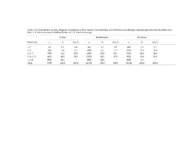
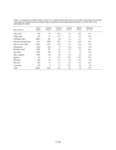
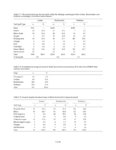
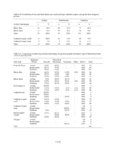
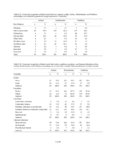
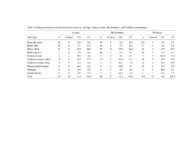
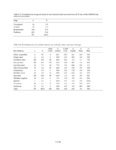
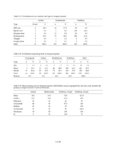
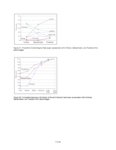
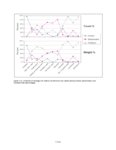
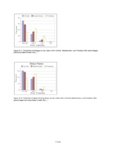
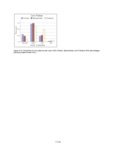
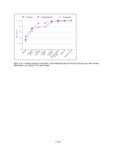
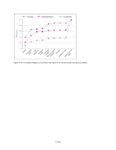
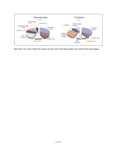
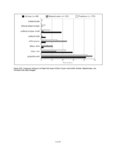
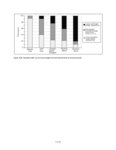
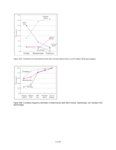
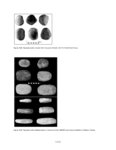
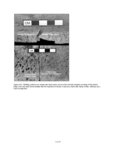
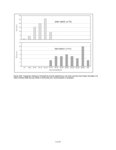
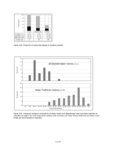
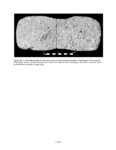
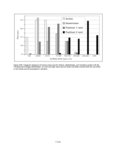
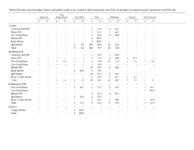
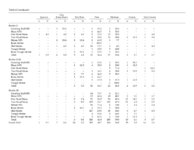
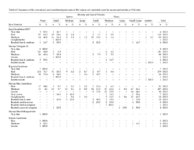
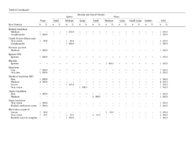
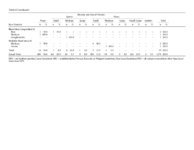
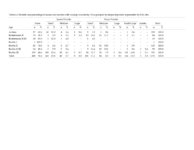
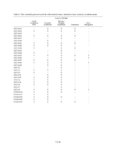
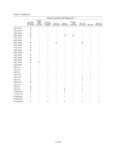
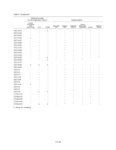
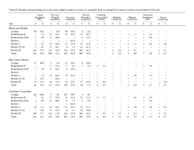
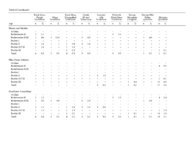
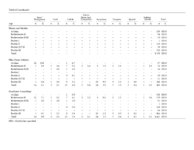
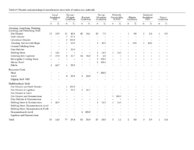
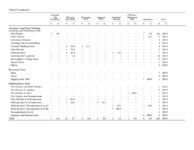
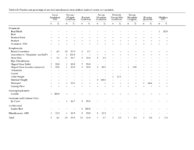
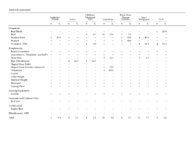
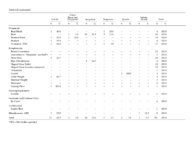
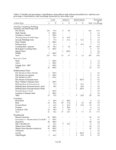
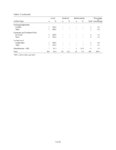
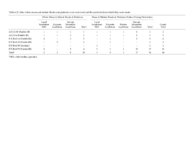
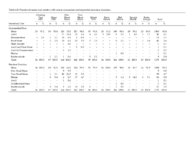
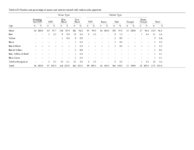
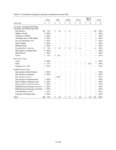
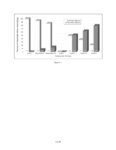
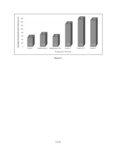
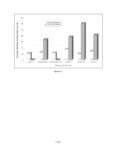
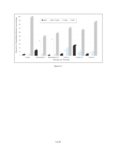
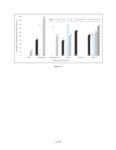
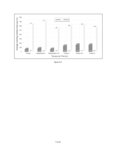
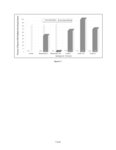
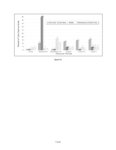
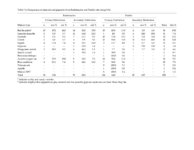
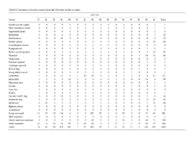
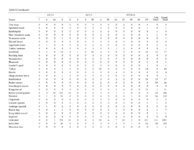
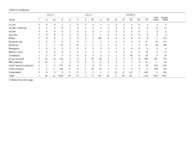
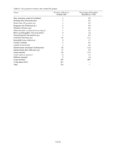
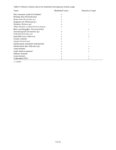
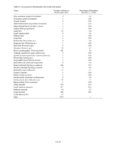
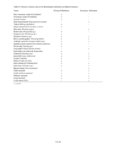
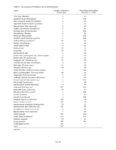
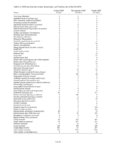
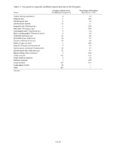
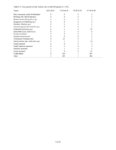
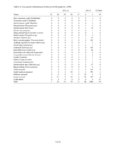
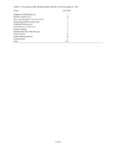
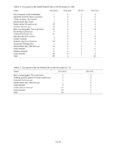
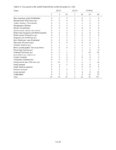
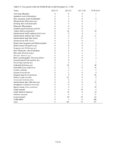
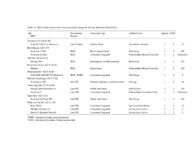
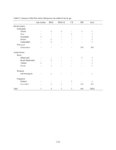
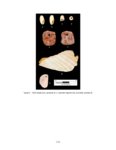
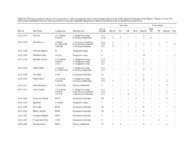
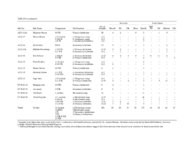
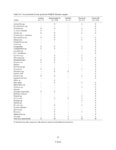
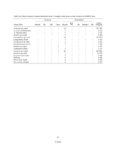
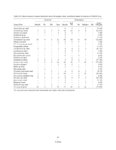
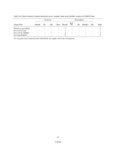
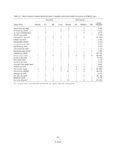
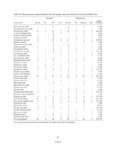
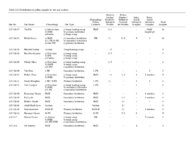
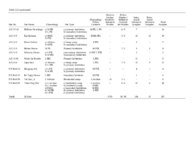
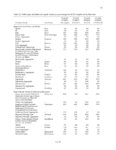
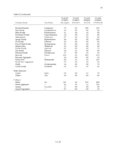
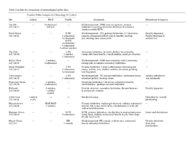
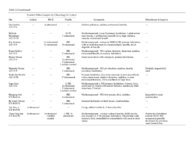
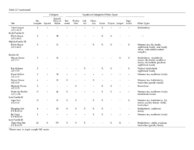
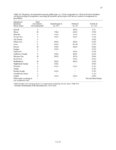
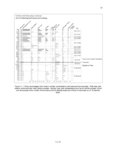
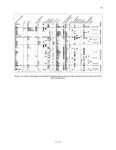
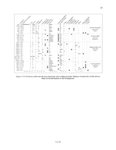
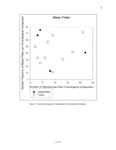
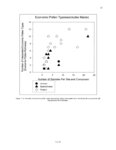
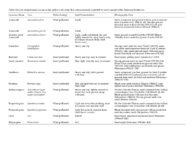
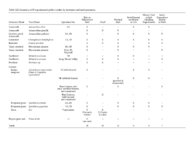
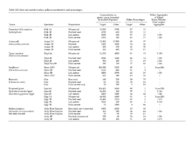
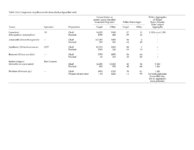
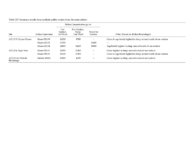
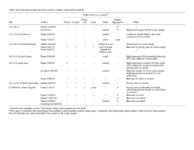
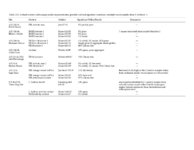
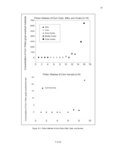
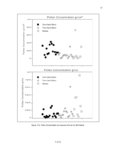
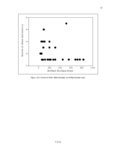
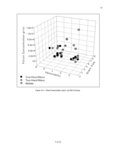
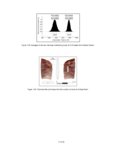
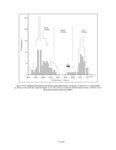
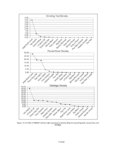
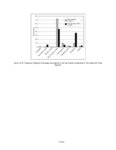
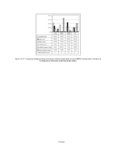
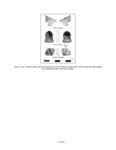
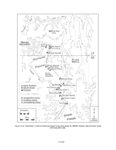
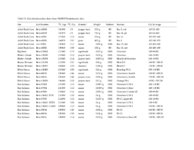
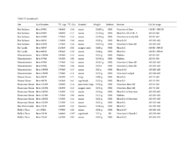
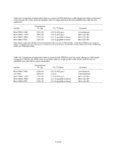
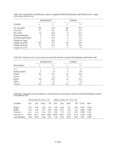
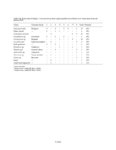
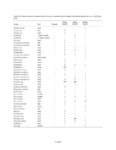
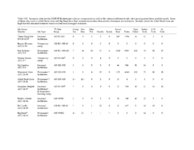
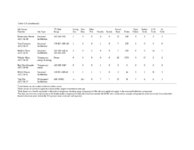
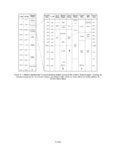
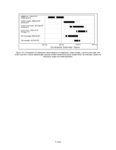
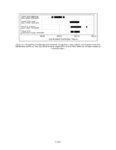
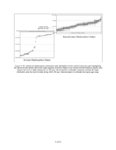
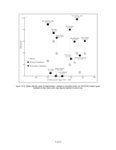
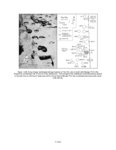
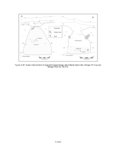
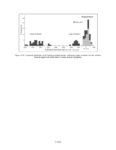
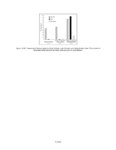
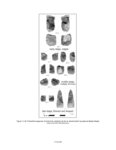
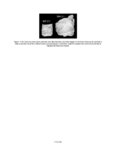
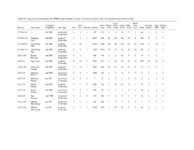
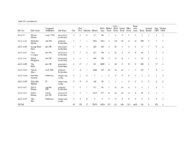
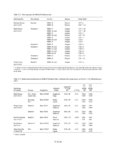
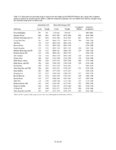
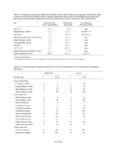
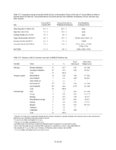
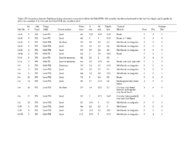
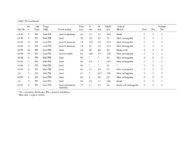
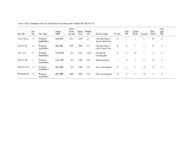
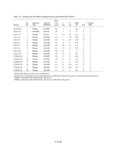
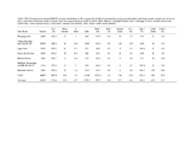
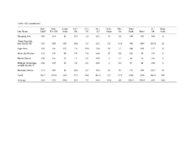
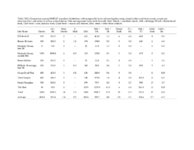
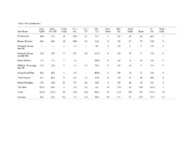
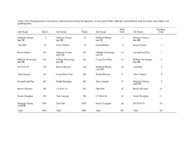
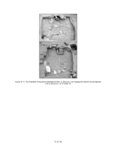
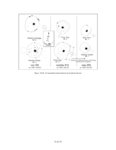
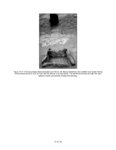
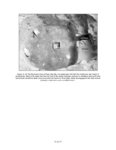
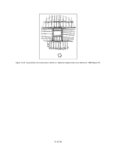
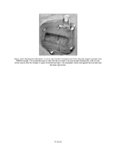
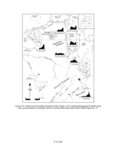
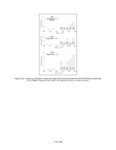
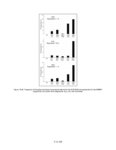
Show 9 recovered from stone grinding tools with many vesicles and coarse grain size. The comparison of control sediment samples and multiple washes from the same artifact also failed to fulfill our simple-minded predictions. The composition of pollen assemblages was not unique to the use-surface of the artifact washed. One of the many surprises in this study was that maize pollen, the only clear cultigen type, was associated with the sediment control samples and not the washes. Why this is so might be related to an insight gained in the seed wash experiments-that more pollen of the processed plant is left in the chaff. The sediment control samples are closely linked to the locations of food processing where plant materials may have accumulated, whereas manos and metates are processing "cleaned" seeds and other resources. Samples processed from artifact washes are composed of sediment and other materials, such as micro particles of charcoal that have become embedded in the pores, pockets, and interstices of the artifact, and entrained within this material is pollen. The pollen part of an artifact wash can represent a variety of sources, including ambient atmospheric pollen rain, other pollen hitchhiking on materials processed on the tool, and pollen of the processed plant resource. How much pollen adheres to the artifact surface depends on the dynamic interactions between a host of factors, such as the physical characteristics of both the plant part being processed and the pollen of the processed species; how the crop was harvested and prepared; pollination ecology and the season of harvest; and the physical attributes of the artifact. The history between last use of a tool and-centuries later-its excavation, curation, and laboratory analysis also influences the pollen assemblage that can be recovered from the artifact. The artifact washes and experiments show that in the archaeological record, there is no linear connection between plant part pounded by a rock and pollen recovered from that artifact several centuries later. It is not impossible to identify plant processing from pollen washes; however, the pathways are infinitely more subtle and complex than a simple cause-and-effect link. The practical recommendations to archaeologists are that candidates for artifact washes should be from very protected situations. Tools that were probably associated with plant processing (such as metates and storage vessels) should be chosen, and materials with coarse textures and micro pits, holes, or vesicles will have a greater probability of carrying and preserving a pollen signature of cultural plant use. Metates stored upside down in protected contexts, like the metate from Atlatl Cave, and artifacts deliberately stored inside another feature, such as a house or pit, are good examples. Tools that appear to have been casually left on a surface or in a feature, or artifacts found in trash fill, are not likely to be informative. Artifacts selected for pollen washes should be bagged as soon as possible upon exposure. It is best to excavate the artifact with an encasing rind of sediment so that the sediments can be scraped away from the artifact in the laboratory. We also recommend that artifact washes be performed by the palynologist to ensure that the materials washed from the artifact surface are from the use-surface and not diluted by extraneous sediment. V.12.9 |