| OCR Text |
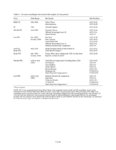
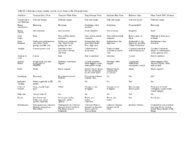
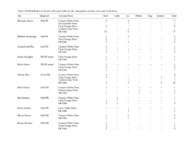
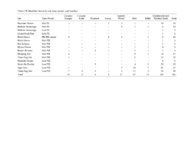
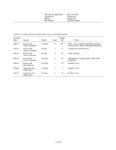
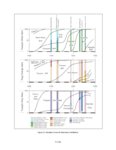
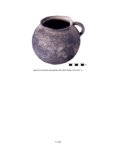
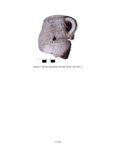
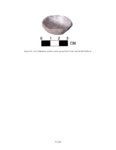
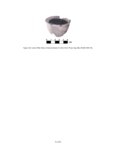
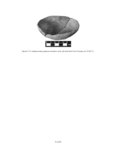
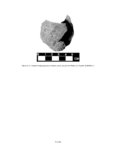
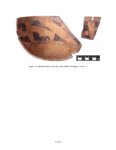
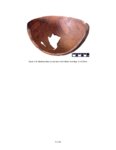
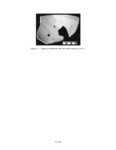
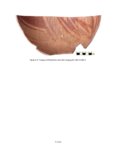
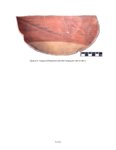
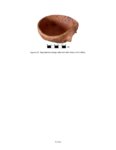
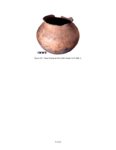
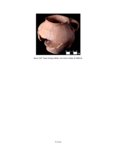
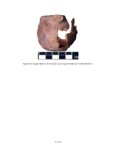
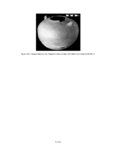
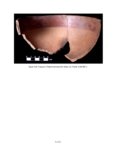
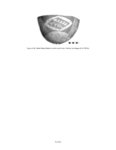
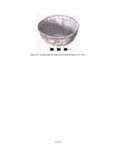
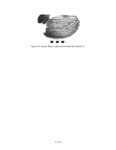
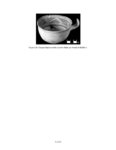
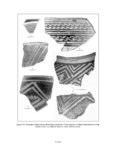
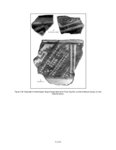
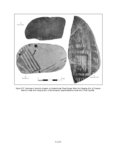
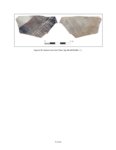
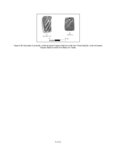
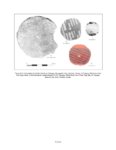
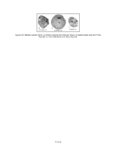
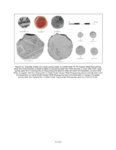
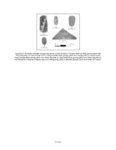
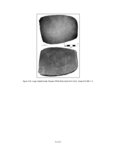
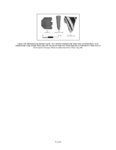
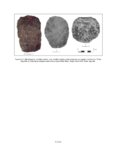
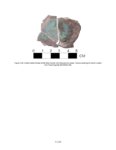
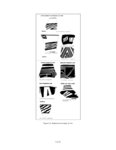
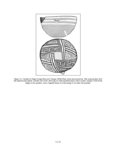
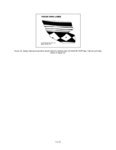
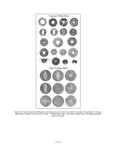
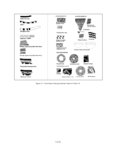
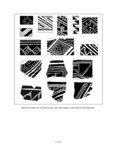
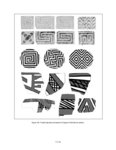
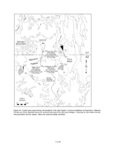
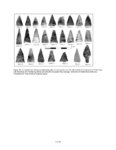
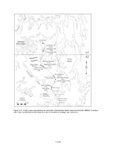
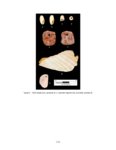
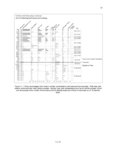
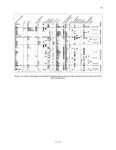
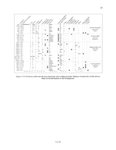
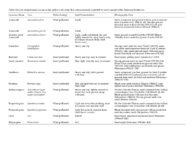
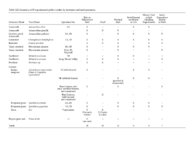
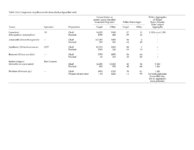
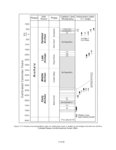
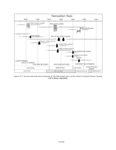
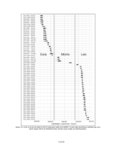
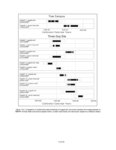
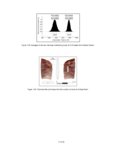
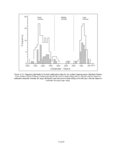
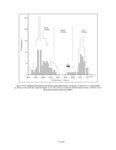
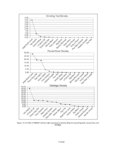
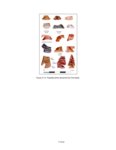
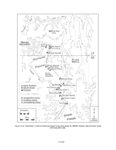
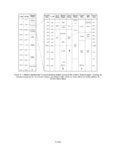
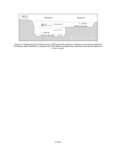
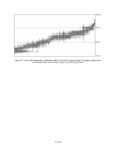
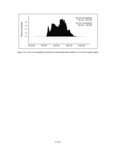
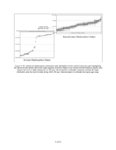
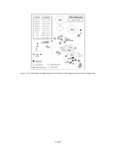
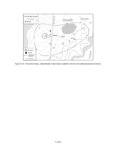
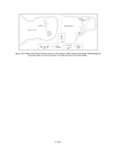
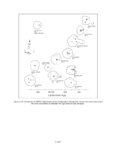
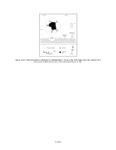
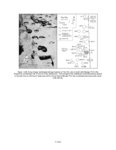
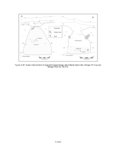
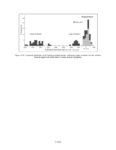
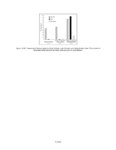
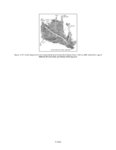
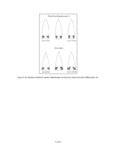
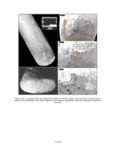
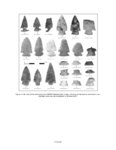
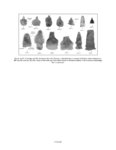
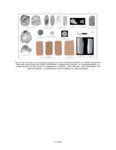
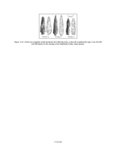
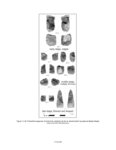
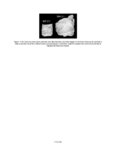
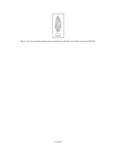
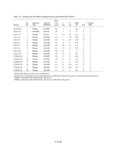
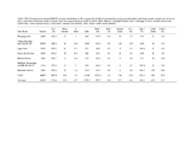
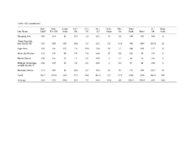
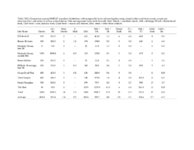
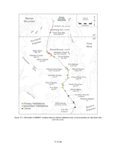
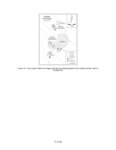
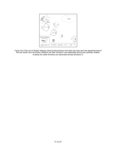
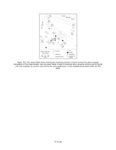
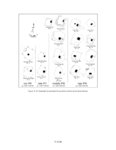
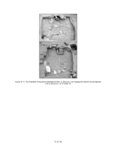
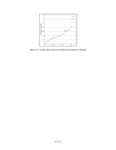
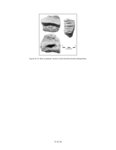
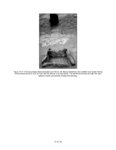
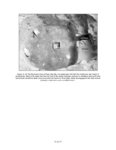
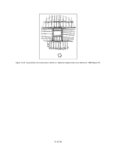
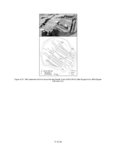
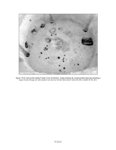
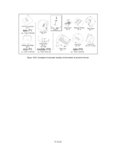
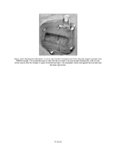
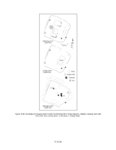
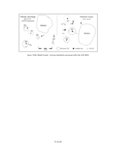
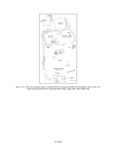
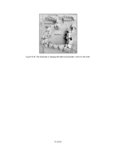
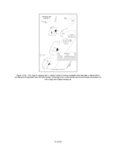
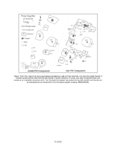
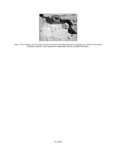
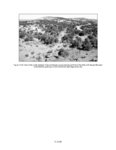
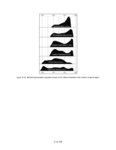
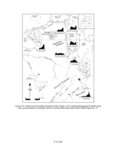
Show sample was broken off for refiring. It has three fire clouds on its exterior from the original firing, but no soot or residue deposits, chipping, or abrasion. It has a band design parallel and attached to the rim, with upper framing lines that measure 3 mm and 1 mm thick, and lower framing lines of 6 mm and 1 mm. The band has interlocking hooked triangles that are rotated, producing a fine negative meander between them. Temporal trends in the decoration of Tusayan White Ware in the project area reflect what has already been reported for this ware by others, such as Colton and Hargrave (1937) and Beals et al. (1945). The Pueblo I period style is dominated by very thin lines and fringed triangles, with a great deal of space left white, and very little painted. Black and white are more evenly balanced in Pueblo II and early Pueblo III, with the big, bold elements of the early Pueblo II Black Mesa style giving way to smaller elements later on. Hatched elements appear rarely but consistently on some Black Mesa Black-on-white sherds in eleventh-century assemblages, and the fully hatched Dogoszhi style comes in sometime around AD 1050. To some extent, the Dogoszhi style (found on both Dogoszhi Black-on-white and Tusayan Black-onred) may have developed via emulation of the similar Gallup style being used in the San Juan Basin perhaps a few decades earlier, but it is not a close copy. Hachure on Dogoszhi and Tusayan pottery is thicker and more widely spaced than on Gallup Black-on-white, as demonstrated on the Navajo Route 33 project (Hays-Gilpin et al. 1999:548-550). In both the northern Chuska Valley (N33 road) and northern Kayenta area (N16 road), the hachure density on Dogoszhi Black-on-white is nearly identical to that on Tusayan Black-on-red and Deadmans Black-on-red. Chuska and Cibola types have significantly denser hachure. Apart from the hatched Dogoszhi style, Tusayan White Ware styles from late Pueblo II through late Pueblo III show an increasing trend toward smaller, more densely packed elements, and increasing ratios of black paint to white space. By the latest occupation of the project area, in the late 1200s, some Tusayan and most Kayenta style black-on-white pottery exhibits "negative painting." Potters used this technique to produce designs that at first glance appear to consist of white lines on a black ground. The first lines applied usually consisted of closely spaced parallel thin black lines or a grid. The design was applied next, and includes filled in squares, dot-in-square patterns, keys, terraces, zigzags, stairsteps, and other elements. Similar designs appear on painted textiles from the Four Corners area, and the overall impression is very textile-like. Further discussion of decorative styles appears in Chapter 3. Mesa Verde White Ware and Gray Ware (with contributions by Winston Hurst) Winston Hurst examined 250 whiteware and grayware pottery sherds from five sites (Hymn House, Sapo Seco, Water Jar Pueblo, Hanging Ash, and Three Dog Site) that Hays-Gilpin and Hagopian had tentatively assigned to the Mesa Verdean ceramic tradition (Figure 2.34). All these sites date to the Pueblo III time period. We present his discussion of grayware here as well as whiteware because the appearance of both helps elucidate their likely source. Hurst's full report appears in Appendix H2. Hurst concluded that although all the sherds in the collection fall within the range of known variability for Mesa Verdean sherds, only a relative few exhibit the suite of characteristics expected to occur on typical mainstream ceramics from the Mesa Verdean heartland of southwestern Colorado and southeastern Utah, east of Comb Ridge. The majority exhibit characteristics common to ceramics from the western fringes of the northern San Juan drainage, west of Comb Ridge and around the flanks of Elk Ridge. All exhibit properties typical of the Pueblo III period, ca. AD 1150-1280+. Hurst's understanding of variability in Mesa Verdean ceramics, which serves as the basis for his assessment, can be summarized as follows: Pueblo III period Mesa Verdean whiteware ceramics are typically characterized by medium to fine textured, moderately well to well mixed, gray to white paste tempered with medium-fine crushed leukocratic to mesocratic igneous rock, often with sparse to abundant crushed sherd and/or fine to medium quartz sand/sandstone inclusions. Minute muscovite mica inclusions are occasionally evident. The crushed rock temper typically consists of white to translucent feldspars with black ferromagnesium crystalline mineral inclusions (predominantly hornblende). Less common variants include more melanocratic igneous rock with a much higher incidence of dark minerals (diorite, not the olivine-sanidine-trachy basaltic temper of the Chuskan series), and a leukocratic granitic rock consisting mostly of quartz with occasional dark minerals. Abundant crushed fine-grained quartz sandstone also occurs as a common temper variant, with or without crushed sherd or igneous rock. Vessels are well formed, relatively thick (ca. 5-8 mm), and well finished, with a thick, hard, polished, and lightly to moderately crazed slip on all visible surfaces. Designs involve a diverse mix of motifs, many with roots in earlier ceramic styles, often worked into formal bands or complex "all-over" designs. V.2.40 |