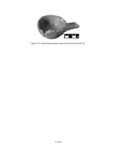
| OCR Text |
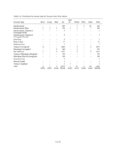
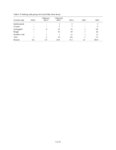
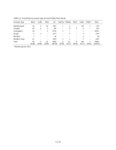
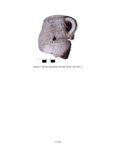
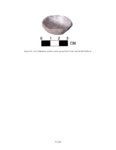
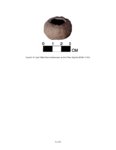
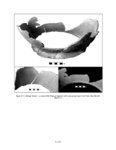
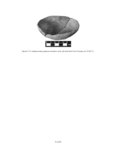
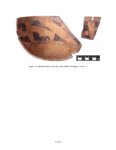
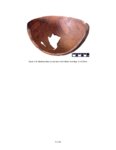
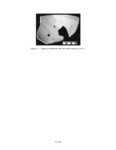
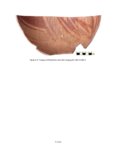
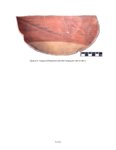
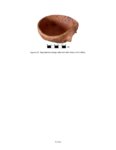
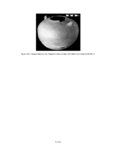
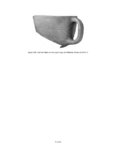
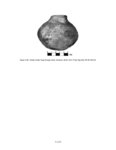
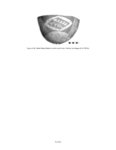
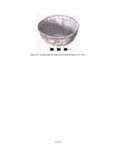
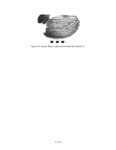
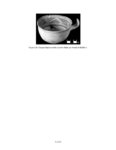
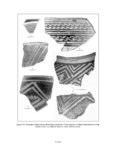
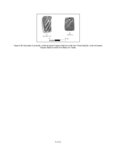
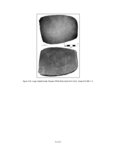
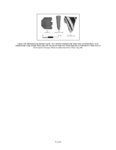
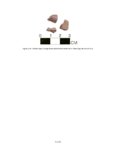
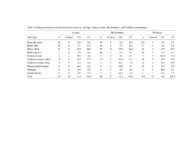
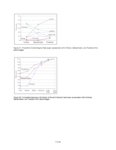
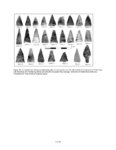
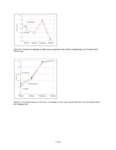
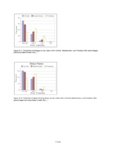
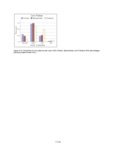
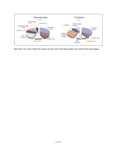
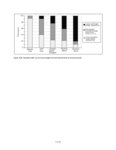
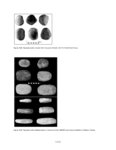
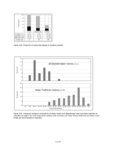
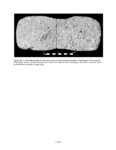
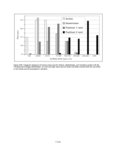
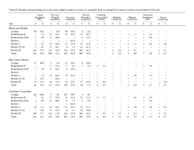
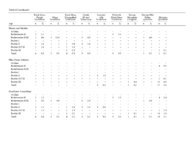
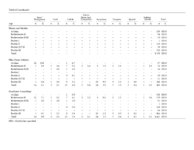
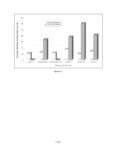
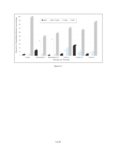
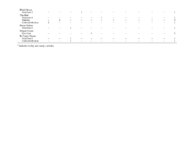
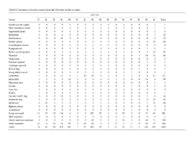
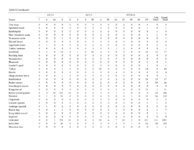
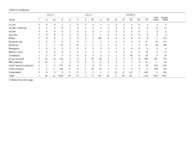
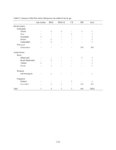
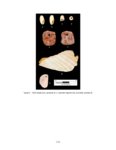
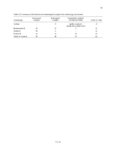
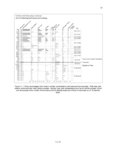
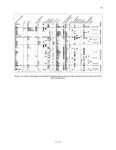
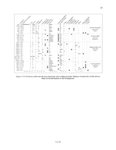
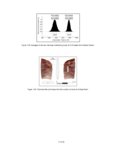
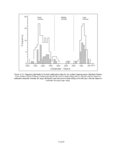
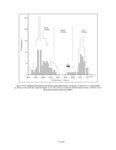
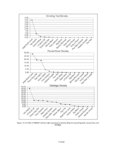
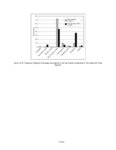
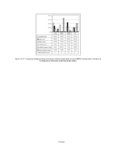
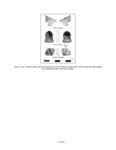
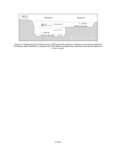
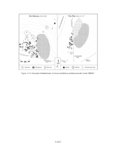
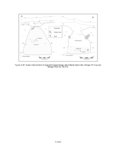
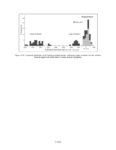
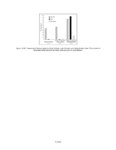
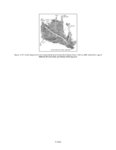
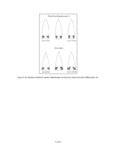
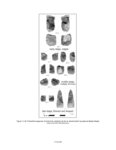
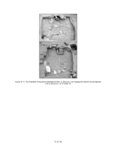
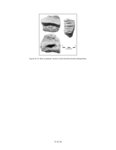
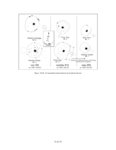
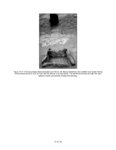
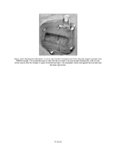
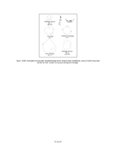
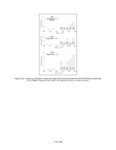
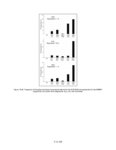
Show Flared shapes are more frequent in whiteware than orangeware, and appear only in the Pueblo III period. Flared rims first appear in the mid-Pueblo III assemblage, and frequency jumps from 5 percent of whiteware bowl rims in the mid-PIII assemblage to 18.5 percent in the late PIII set. The proportion of flared rims rises a little in Tsegi Orange Ware, from 4.7 to 7.5 percent, over the same interval. Flared lips first appear in the mid-PIII period in both wares (about 5% in both). In the late Pueblo III period, whiteware vessels were more likely to have flared lips (18.5%) than orangeware (7.5%), but this form remained far less popular than the simple, straight lip. Some researchers believe that northern potters began to imitate Hohokam bowl shapes at this time. The flared shape is more frequent in Little Colorado White Ware (Walnut Black-on-white) than in Tusayan White Ware (Flagstaff and Tusayan Black-onwhites). If most Tusayan White Ware was made further to the south than most Tsegi Orange Ware, the higher frequency of flared rims in whiteware might be due to potters' closer proximity to the makers of Walnut Black-on-white, who in turn might have had some contact with Hohokam potters or their products. Flared rim bowls are fairly common in Walnut Black-on-white and very common in the Hohokam area. Although beyond the scope of the N16 project, let us consider the performance characteristics of different rim forms and speculate about why the incurved rim form is not frequent in the study area, and about why it dominated later (Pueblo IV) assemblages. Several hypotheses should be considered: The incurved rim might have been imported by local emulation or by migrants from some other area where it occurred earlier; it might reflect an innovation in ceramic manufacturing techniques; it might reflect a change in the intended uses of pottery bowls for food preparation, serving, or storage. We do not in fact find incurved rims dominant in any neighboring Pueblo III period complex so we can eliminate the first hypothesis. To evaluate the other two, we must consider forming techniques and performance characteristics. Thickened rims and slight external projections can be solutions employed to shorten parts of an uneven rim while the vessel is in the final stages of forming. If this is the case, the thickening or external folding should appear on only part of a vessel rim. Some whole vessels have one or the other of these rim treatments all the way round, however, suggesting that they are deliberate and may have some function, perhaps to strengthen the vessel rim. In the Pueblo IV period assemblage, reinforced rims and incurving walls are the norm, and appear uniformly on virtually all decorated bowls; therefore thickened rims were probably a deliberate feature. Tapered walls would probably weaken the rim of a bowl, but vessels with thinner walls should be lighter to carry, use less clay, and require less fuel to fire. Beveling serves no obvious function, but experiments with strength, resistance to abrasion, and ease of finishing a level rim might reveal one or more beneficial characteristics. Flared rims have the advantage of opening up the interior design field to increased visibility, and may also serve to reduce rim chipping; experiments to test this hypothesis would be useful. Recurved rims probably add strength. Incurved and S-shaped rims restrict visibility of the interior design field, so potters might have avoided this shape except for one clear advantage: they facilitate the particular hand-scooping gesture that contemporary Hopi and Zuni women use to transfer a handful of liquid batter from a pottery bowl to the griddle stone when making the traditional paper-thin piki bread. Scooping batter from a bowl with a flaring or straight rim results in most of the batter dripping over the side. The incurved rim pushes batter into the cupped hand as it is drawn upward along the vessel wall and turned to a palm-up position. This is not to say that all incurved-rim bowls were used to make piki, but that potters designed them so they could be used for a variety of functions including piki making. Piki stones do not appear in the archaeological record of northern Arizona until the late AD 1200s or early 1300s (E. Charles Adams, personal communication). Piki stone fragments were recovered at Homol'ovi in deposits dating between AD 1250 and 1300, together with bowls that have incurved rims. No thirteenthcentury piki stones have been identified north of Homol'ovi, though they are frequent by the middle to late 1300s, well after the settlements in the N16 project area were abandoned. At the same time that bowl walls became more incurved, the design field of fourteenth-century Western Pueblo pottery became centered in the bottom of the bowl, and potters opened up more space between the rim and the primary design field, inserting a broad banding line and thin framing line. The incurved vessel wall makes framing features difficult to see in their entirety. (Design framing conventions are discussed later in this chapter.) Handles Identical horizontal strap handles appeared on both whiteware and orangeware bowls in the Kayenta tradition (Figure 3.4) at just the time when painted decoration diverged most strongly from other regional traditions, making Kayenta vessel forms as well as painted decoration distinct from those of their V.3.4 |