| OCR Text |
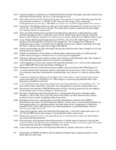
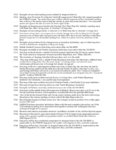
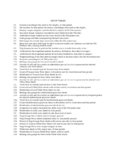
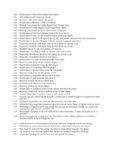
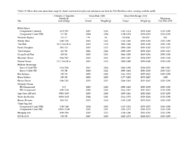
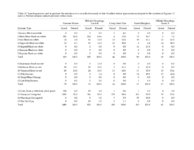
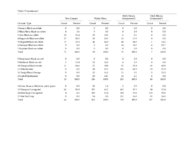
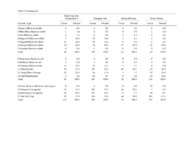
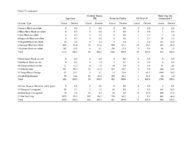
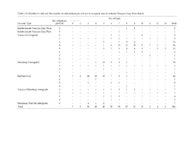
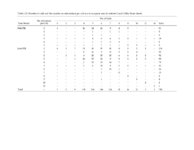
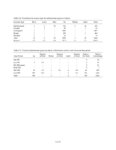
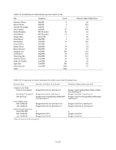
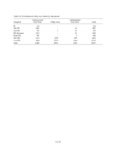
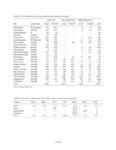
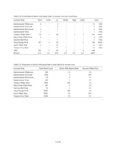
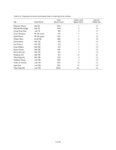
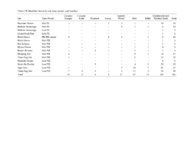
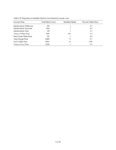
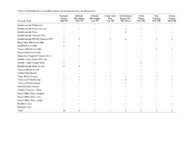
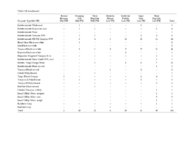
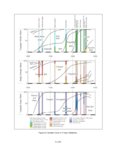
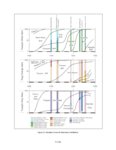
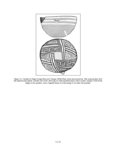
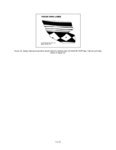
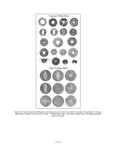
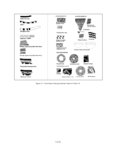
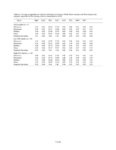
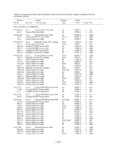
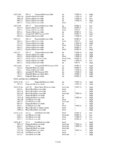
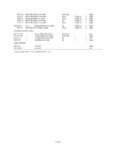
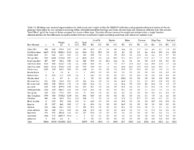
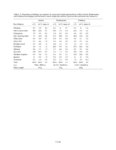
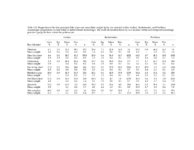
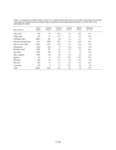
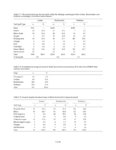
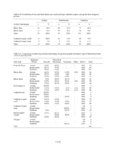
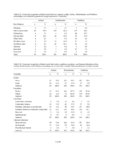
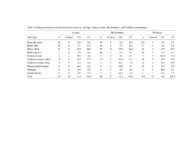
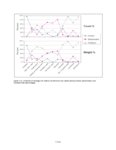
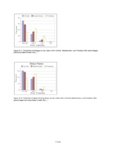
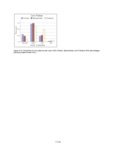
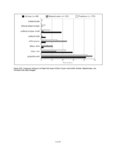
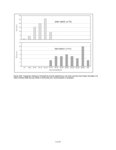
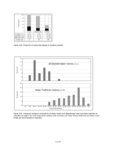
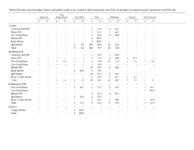
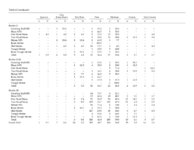
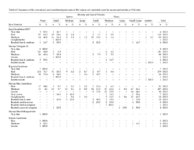
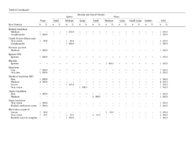
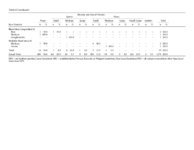
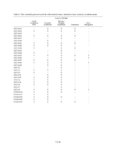
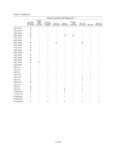
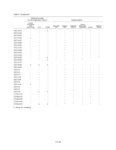
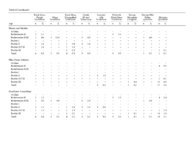
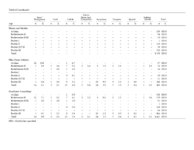
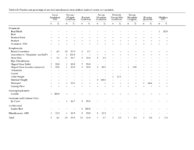
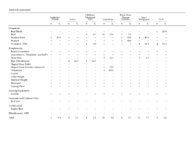
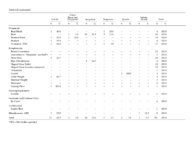
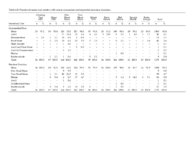
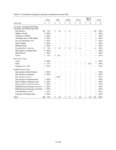
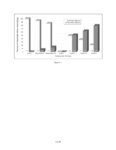
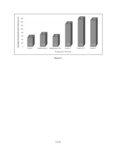
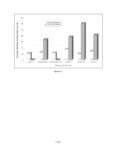
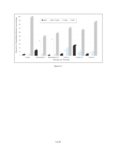
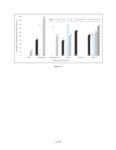
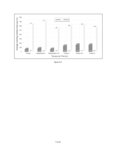
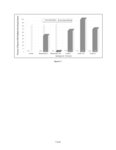
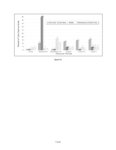
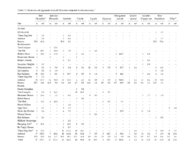
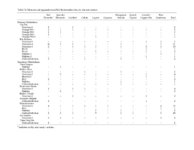
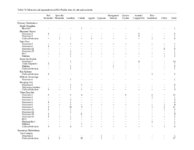
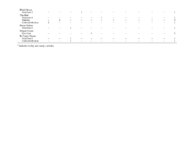
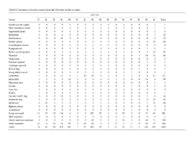
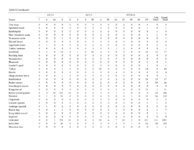
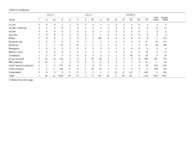
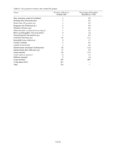
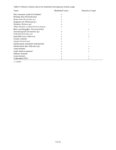
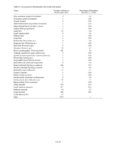
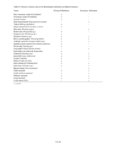
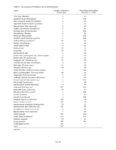
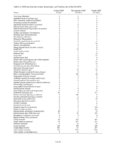
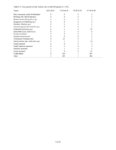
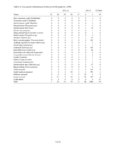
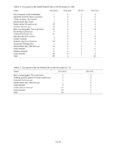
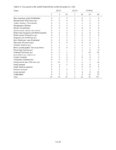
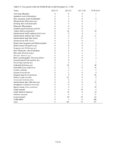
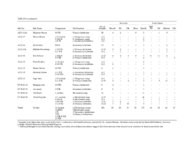
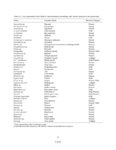
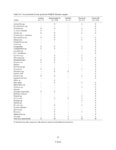
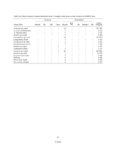
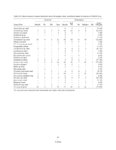
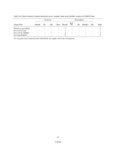
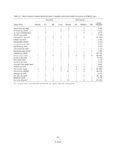
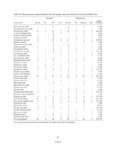
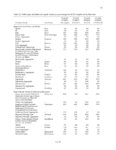
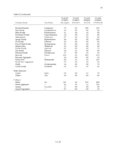
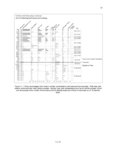
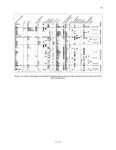
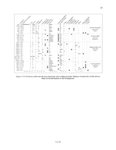
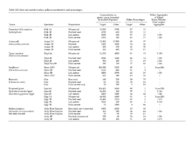
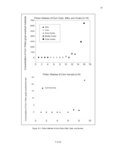
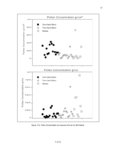
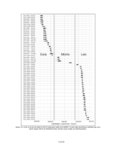
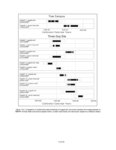
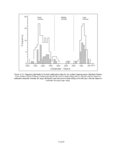
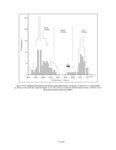
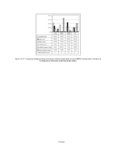
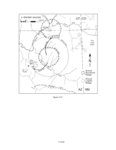
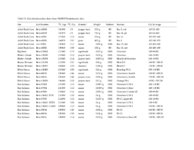
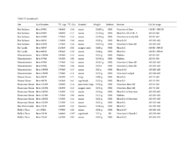
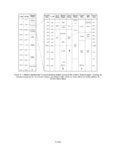
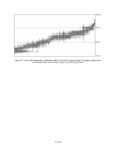
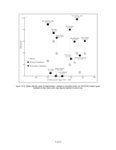
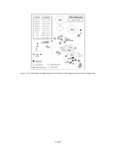
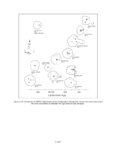
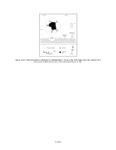
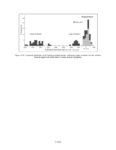
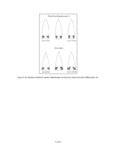
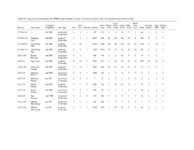
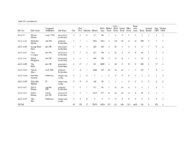
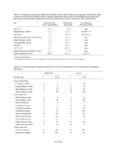
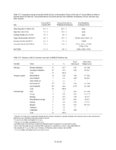
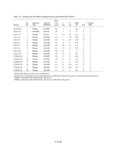
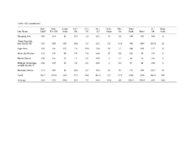
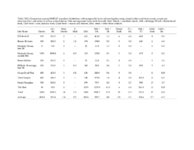
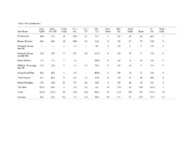
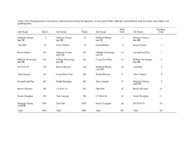
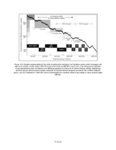
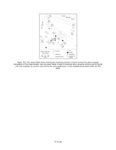
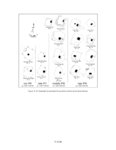
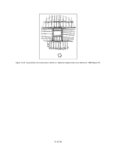
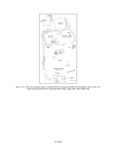
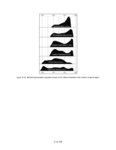
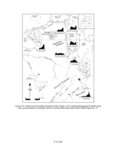
Show 8 exist in five types of contexts in the N16 data: middens (n = 8), bell-shaped extramural storage pits (n = 20), activity areas and ramadas (n = 17), and floor samples from structures (n = 44) and kivas (n = 13). The pollen results from this set of 102 samples are displayed in Figure 11.2 (note category labels to right side of diagram). Within each context group, sites are arrayed south to north from the top. Several sites are represented; for the sites with multiple samples in the same contexts, the site number is blocked out in the diagram. Middens usually yield pollen assemblages rich with economic types, but the N16 middens were disappointing. Cheno-Am, maize, and aggregates of maize pollen were evident, and there were some high values of grass pollen, but there were no definitive spikes to indicate other economic resources. Bellshaped pits were more informative. The majority of samples in the bell-shaped pit category (Figure 11.2) were from two Basketmaker II sites-eight samples from three pits at The Pits (AZ J-14-17) and 10 samples from four pits at Kin Kahuna (AZ J-3-8). The Pits produced a unique signature dominated by pinyon pine and aggregates of pinyon pollen. In contrast, the bell pit samples from Kin Kahuna (AZ J-3-8) are characterized by high Cheno-Am, sagebrush, sunflower family, and beeweed, and a 50 percent sample frequency of maize pollen. Geib suggests in the site report for The Pits that the rich pinyon signal could mean that green cones were stored (see Chapter 3 of Volume III). Secondary trash in the majority of bell-shaped pits at The Pits contained abundant maize macro remains, so clearly maize farming was an important site function, but maize pollen was recovered in only one of eight samples. Based on the pollen washes of corn husks and kernels documented in Chapter 12, corn pollen could well be absent in features where shucked corn was stored. Thus, absence of corn pollen in the pits at The Pits is not negative evidence for storage of maize. However, the spectra from the Kin Kahuna (AZ J-3-8) pits are overwhelmingly a signature of maize storage, complemented with weedy pollen types (Cheno-Am, sunflower family, and beeweed). The two robust contrasting pollen signatures from The Pits and Kin Kahuna correspond to the environmental setting of each site. The Pits is located in a dense pinyon forest and Kin Kahuna is in the transition zone to the sagebrush flats. The pinyon aggregates from The Pits are unique among all of the samples shown in Figure 11.2. Pollen aggregates are attributed to introduction of flower anthers (Gish 1991:238-239), and the presence of aggregates carries a strong seasonal signal. All of the pines pollinate primarily in May to June (Hevly and Renner 1984); thus, the unique pinyon pine signature from The Pits could reflect that these features were open to atmospheric pollen rain during the late spring and early summer, when pinyons were pollinating. There is one pattern unique to all 20 bell-shaped pit samples and that is an absence of any buffaloberry type pollen, yet this grain type was documented in all other context classes (Figure 11.2). It may be that the sealed nature of storage pits excludes this particular pollen type, but most other taxa are well represented in these extramural features. Perhaps buffaloberry pollen is a successful hitchhiker on people and resources brought in to sites, or possibly it is an indicator type showing use of specific habitats in the region. Whatever the cause, the pattern is striking. Samples from activity areas and ramadas present three common patterns-a lack of grass aggregates, low frequencies of Cheno-Am aggregates, and high percentages of juniper pollen. Maize was rare in activity areas, occurring in only 3 of the 17 samples. Minimal aggregates in these extramural loci, compared to the other sample types, may reflect that these are not the locations where plant materials were manipulated. The high juniper values are from three ramada samples at Three Dog Site (UT-B-6339) and Mouse House (AZ-J-3-7), which probably reflects the use of juniper boughs for ramada roof thatch. Almost half of the activity area samples are from Three Dog Site, with two Basketmaker II samples and six Late Archaic samples. As discussed previously in the Modern Pollen section, juniper pollen appears to be high at this site compared to other sections of the N16 ROW, and the expression is interpreted to reflect the local environment. One other pattern in the activity areas is the occurrence of nightshade pollen in two of the three samples from the ramada at Mouse House (AZ-J-3-7), which stands out because this pollen type was rare from the project. Buckwheat pollen was also notable in the ramada and activity area samples at sites AZ-J-3-7 and AZ-J-3-8. The environmental gradient in the project area can be seen in the samples from structure floors. South of Kin Kahuna (AZ-J-3-8), pollen samples are characterized by oak and high pinyon and grass frequencies, but low Cheno-Am. Relatively high Cheno-Am percentages and low conifer values characterize sites from Kin Kahuna north, until Three Dog Site (UT-B-63-39), where again the site signature of higher juniper is expressed. Sagebrush is high in the southern portion of the ROW, and Mormon tea and beeweed are high in the sagebrush flats north of Kin Kahuna. Kiva floor samples show some interesting differences compared to the other contexts. There are spikes of pinyon and juniper pollen in individual samples that do not appear related to environment, and V.1.8 |