| OCR Text |
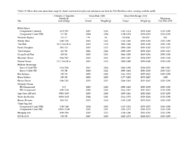
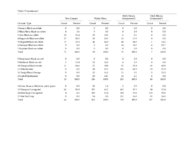
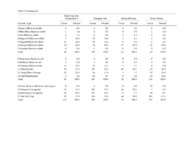
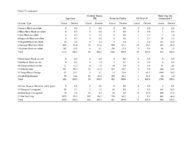
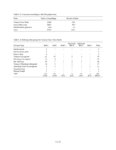
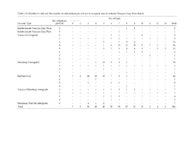
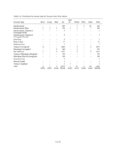
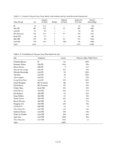
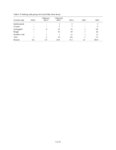
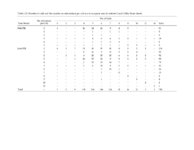
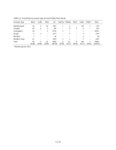
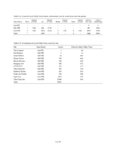
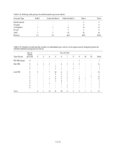
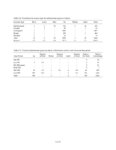
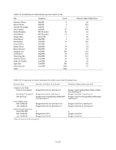
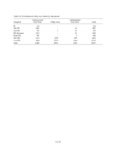
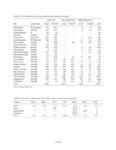
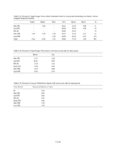
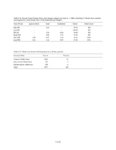
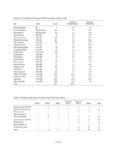
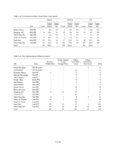
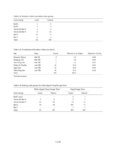
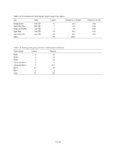
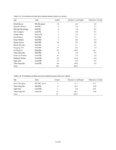
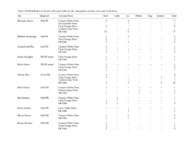
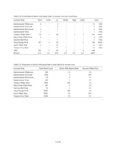
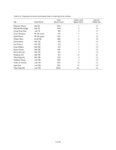
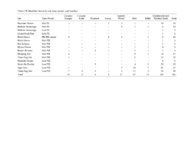
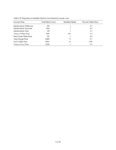
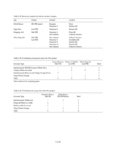
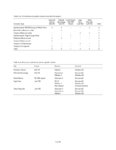
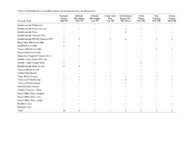
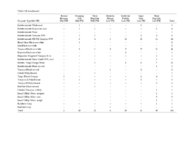
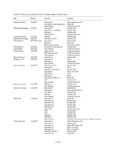
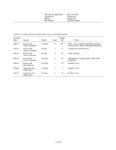
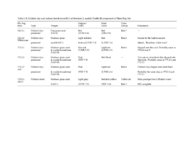
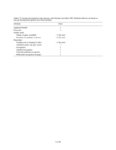
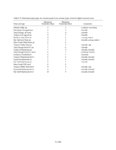
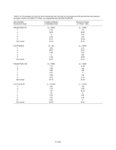
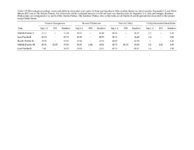
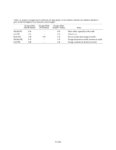
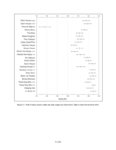
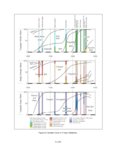
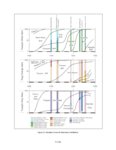
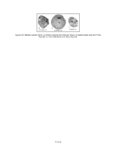
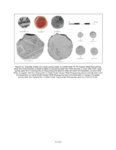
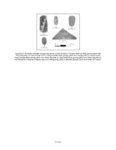
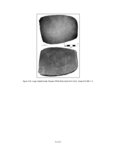
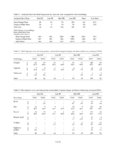
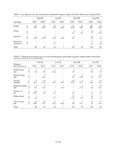
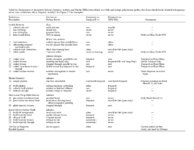
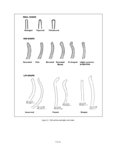
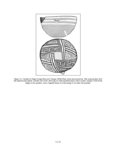
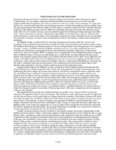
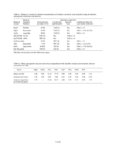
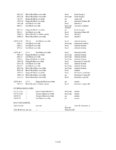
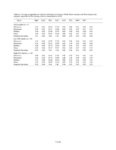
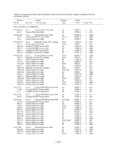
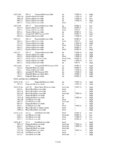
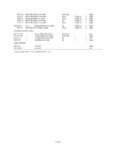
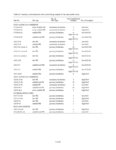
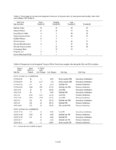
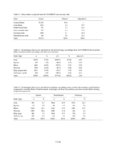
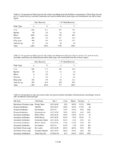
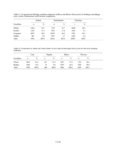
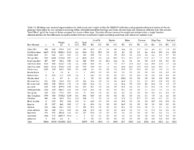
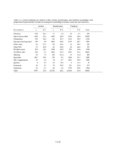
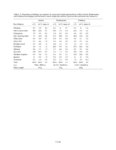
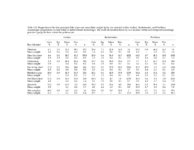
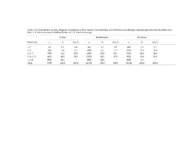
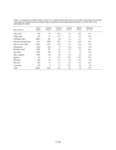
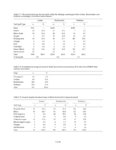
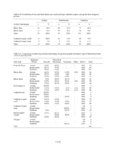
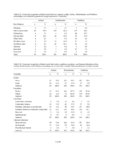
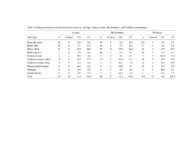
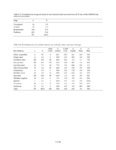
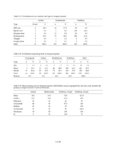
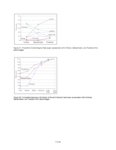
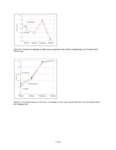
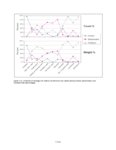
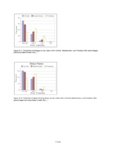
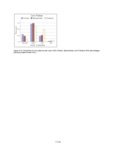
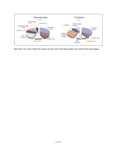
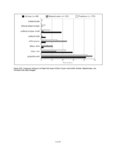
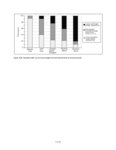
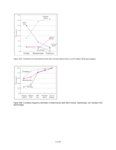
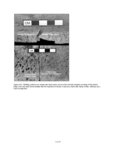
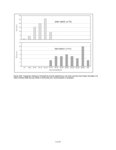
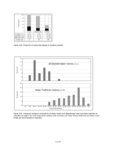
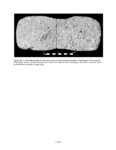
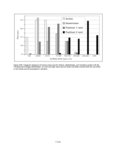
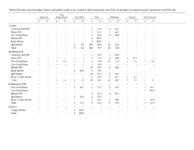
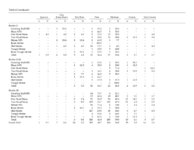
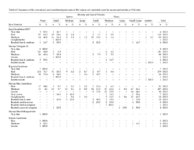
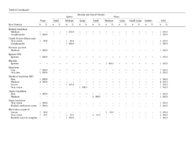
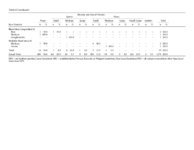
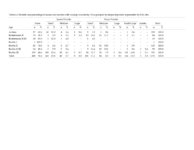
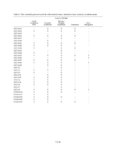
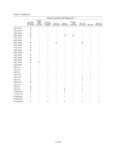
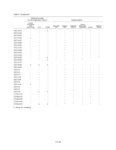
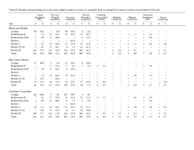
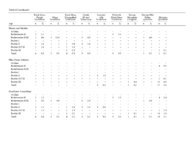
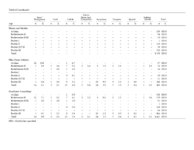
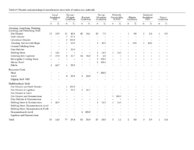
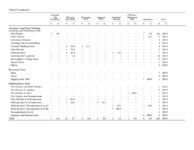
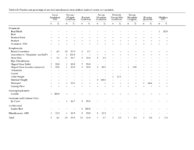
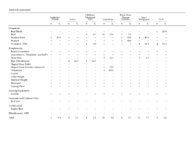
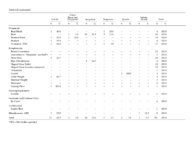
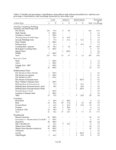
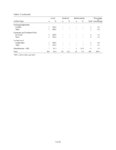
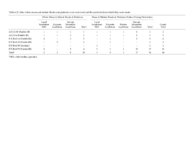
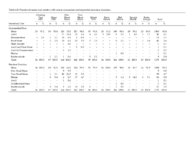
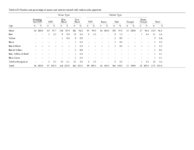
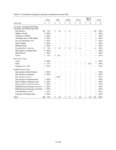
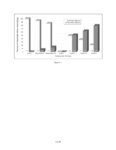
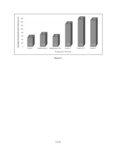
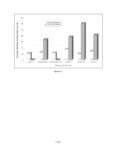
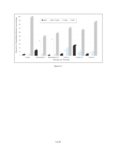
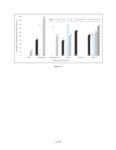
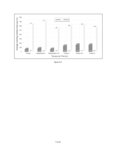
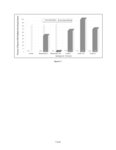
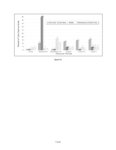
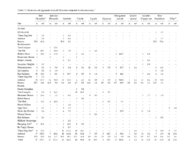
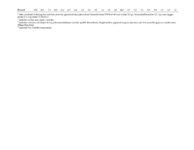
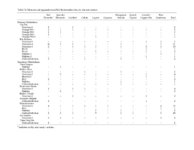
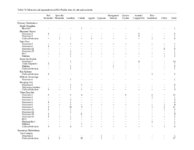
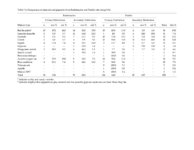
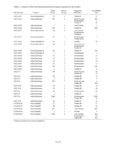
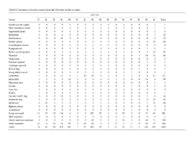
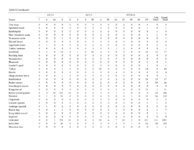
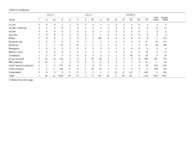
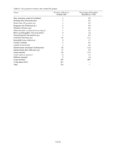
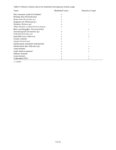
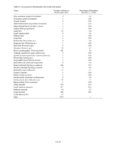
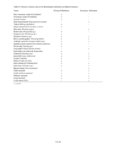
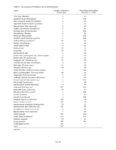
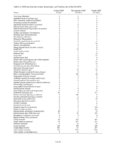
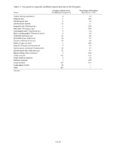
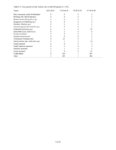
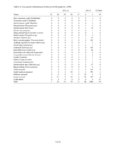
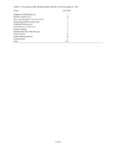
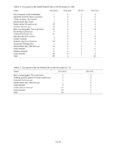
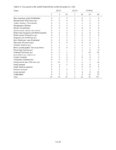
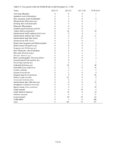
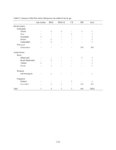
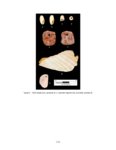
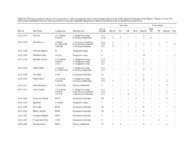
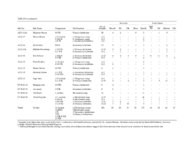
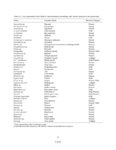
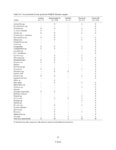
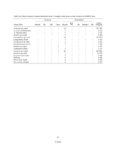
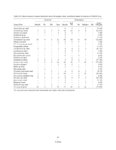
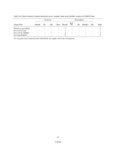
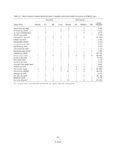
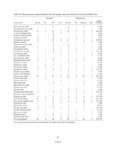
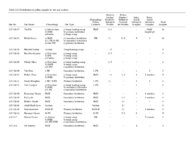
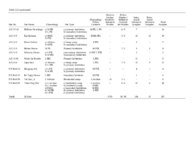
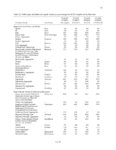
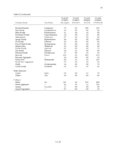
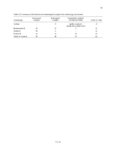
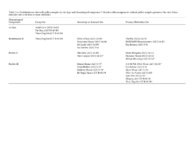
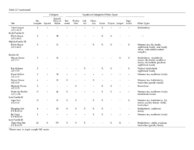
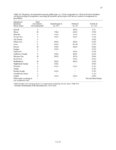
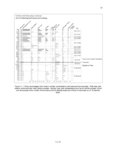
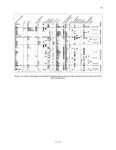
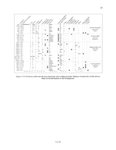
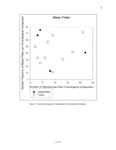
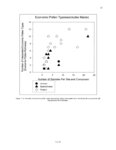
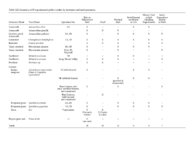
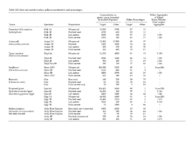
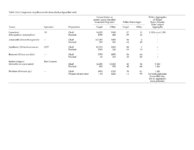
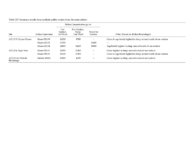
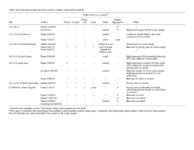
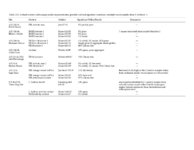
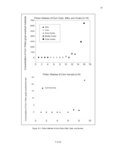
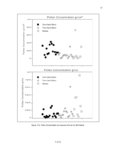
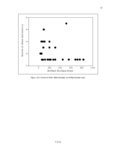
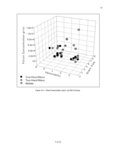
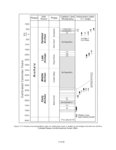
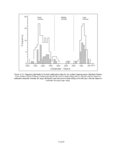
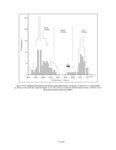
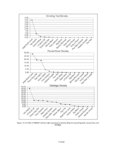
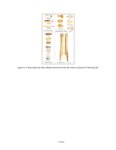
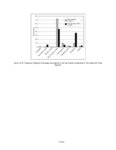
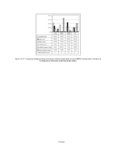
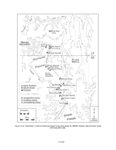
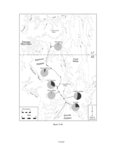
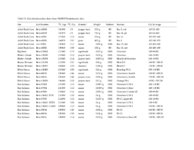
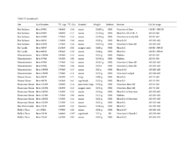
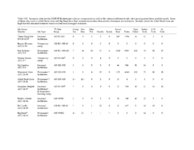
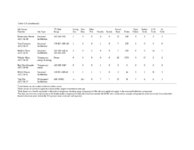
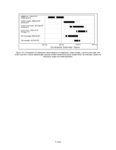
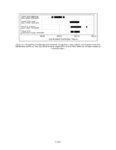
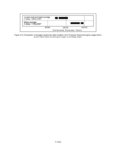
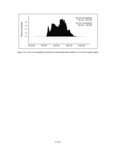
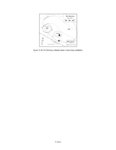
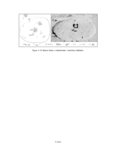
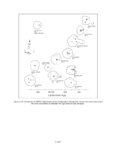
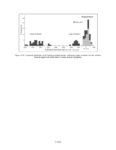
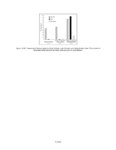
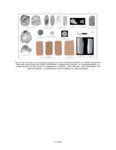
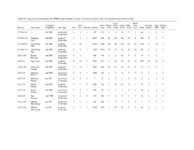
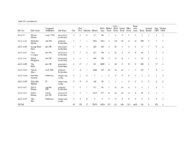
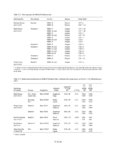
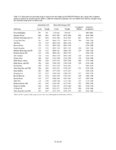
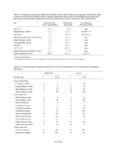
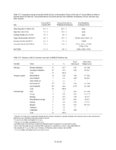
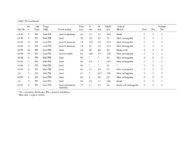
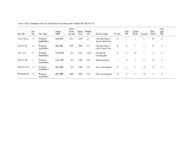
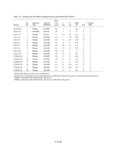
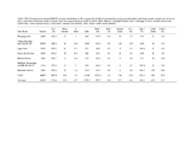
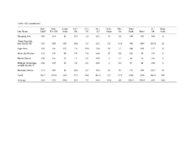
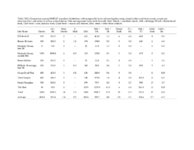
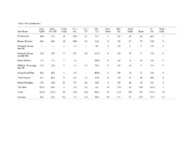
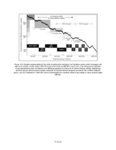
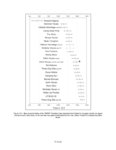
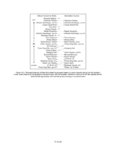
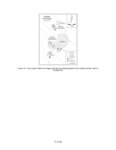
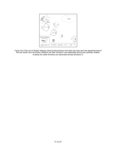
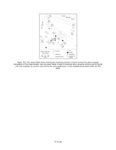
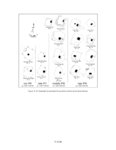
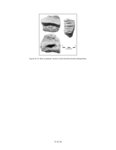
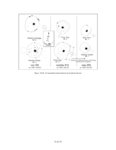
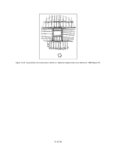
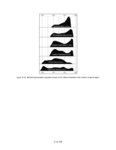
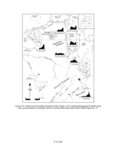
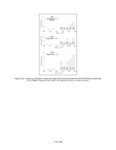
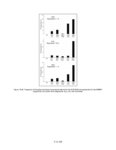
Show 4 of the pollen counted. Differences in the pollen spectra between the two field camps corresponded to the local vegetation communities. Juniper and pinyon are dominant pollen types in two of the three field metates from the Kaiparowits Plateau, and at the juniper savannah site, grasses, herbs, and shrub types are better represented in the pollen washes. Other pollen contributed more than 80 percent of all pollen counted in four of the seven metate washes, and there were dramatic spikes in individual types. In the beeweed field trial, 59 percent of the pollen counted was grass, and 65 percent of the dropseed metate wash was juniper pollen. If these were wash samples from excavated artifacts, an analyst would probably conclude that grass was processed on the beeweed metate and juniper on the dropseed metate. Cheno-Am, Indian ricegrass, tansy mustard, and sunflower did register high enough to be interpreted as the processed seeds. However, in the grass and mustard washes, there were high values of other types that could be interpreted as processed seeds. Dropseed grass and amaranth did not register high enough to be clearly recognized as the processed seed. In Table 12.5, bold values indicate potential pollen types that could be interpreted as the processed resource. The interpretive process encompasses consideration of pollen representation relative to what is known about pollination ecology for individual taxa, seasonal timing and abundance of pollen rain, and source plant communities (Faegri and Iversen 1989). For example, 19 percent Cheno-Am from the Kaiparowits Plateau is interpreted as significant in the amaranth wash sample, yet 16 percent Cheno-Am from the juniper savannah is interpreted as not significant in the Indian ricegrass trial, because of the potential for a greater Cheno-Am component in the native vegetation (e.g. saltbush, goosefoot, etc.). Overall, the samples from the juniper savannah produced less ambiguous results, which may be due both to a shorter exposure period (4 days versus 13 days), and to the November timing of the experiment. Less pollen is predicted to be in the air in November, compared to the August experiment on the Kariparowits Plateau. What About Corn? Total samples extracted for pollen consisted of four cobs with kernels, one bare shucked cob, nine husk samples, three silk samples, and nine samples of shucked kernels. The results show that only the outer husks of the cobs retained corn pollen (Figure 12.1). There was essentially no corn pollen on cobs, inner husks, silks, or kernels. In the nine samples of kernels, only three produced any corn pollen and the counts ranged from 1 to 11 grains. The sample with 11 grains also included a pollen aggregate of corn. The maximum concentration of corn from these productive kernel washes was 23 gr/gm. Summary 1. Pollen from the harvested seed was abundant in all the laboratory pollen washes, but abundance decreased through each step of the process from raw seeds, after parching, and after grinding. In all of the laboratory washes (seeds and metates) there was a component of other pollen types, assumed to represent plant communities from where the seeds were harvested. 2. The greatest abundance of pollen was in the chaff, which means that more pollen sticks to the plant parts encasing the seed than persists on the seeds. 3. In the field grinding experiments, "other pollen" representation was significantly higher than "other pollen" from grinding seeds in the laboratory, and it exceeded the processed seed pollen in four of seven field metate washes. This increase is atmospheric pollen rain. There was no seasonal difference in the abundance of atmospheric pollen; there were differences between field sites corresponding to site vegetation. Environmental pollen is deposited on seeds and tools, winter through summer, at any location where seeds and tools were exposed to air. 4. Pollen abundance varied significantly between species. The variability is a function of each species' pollination ecology and the architecture of seeds. How seeds were harvested, winnowed, and ground is another factor in how much pollen might persist through the various processing steps. 5. Pollen aggregates were absent from beeweed and amaranth at all stages of processing, but aggregates were common in the tansy mustard and grass species. Cheno-Am and sunflower produced some aggregates. This result reinforces interpretations of grass or mustard use from artifact washes with high single grain and aggregate pollen representation. 6. Corn pollen is concentrated on the outer husks and is essentially absent from inner silks, kernels, and husked cobs. Corn recovered from metate pollen washes is probably not related to grinding, but may be incidental from crops in nearby fields, from stripping husks near grinding loci, or simply from the hands and clothes of farmers. V.12.4 |