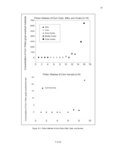
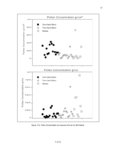
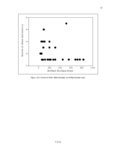
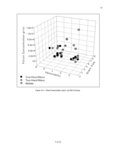
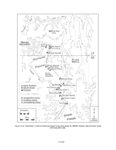
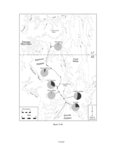
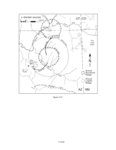
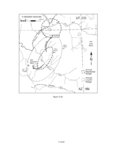
| OCR Text |
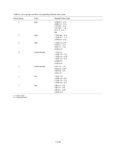
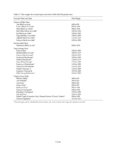
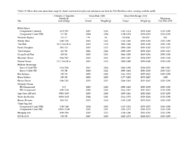
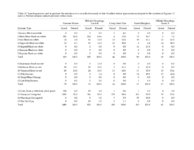
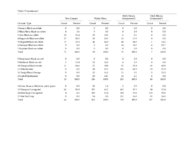
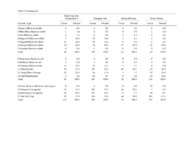
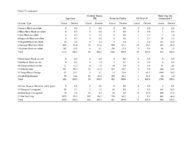
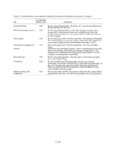
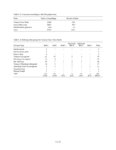
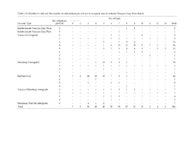
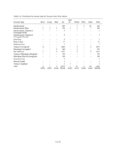
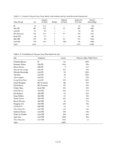
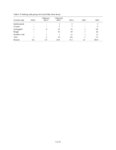
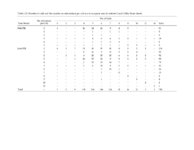
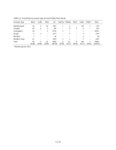
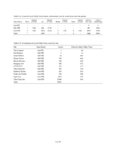
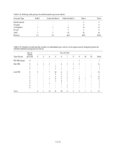
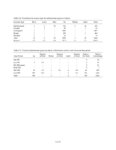
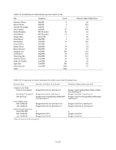
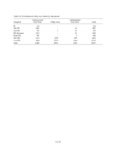
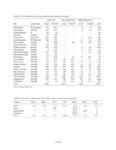
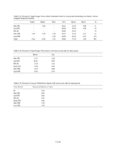
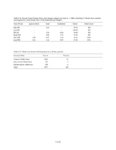
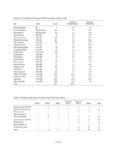
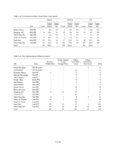
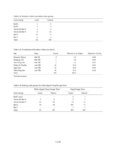
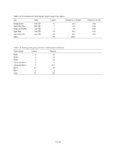
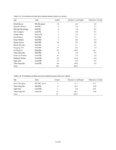
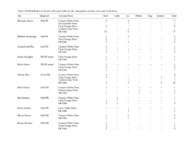
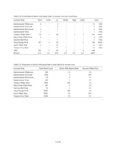
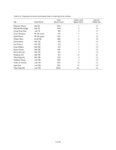
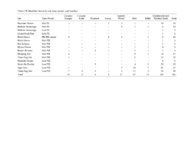
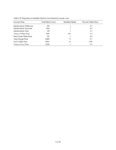
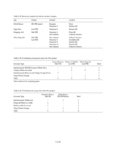
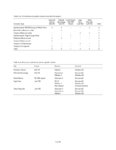
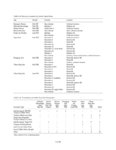
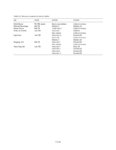
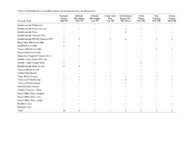
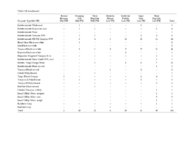
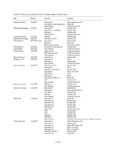
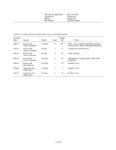
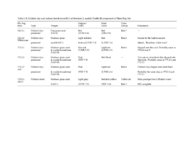
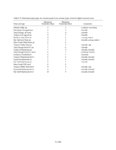
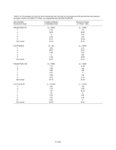
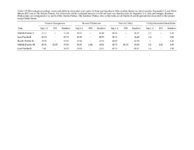
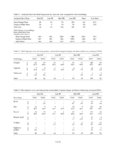
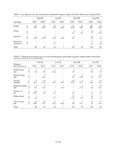
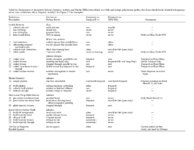
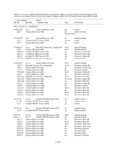
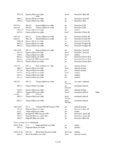
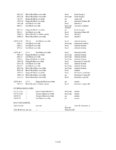
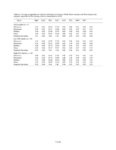
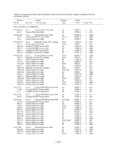
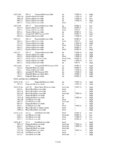
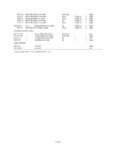
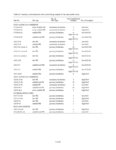
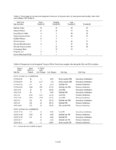
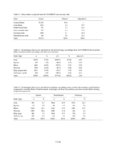
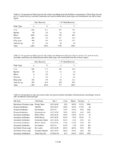
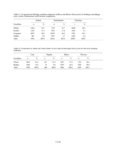
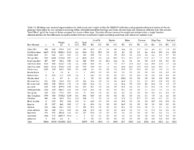
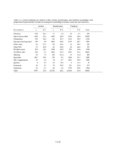
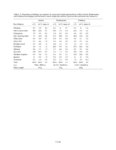
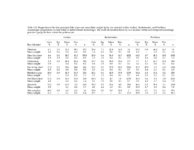
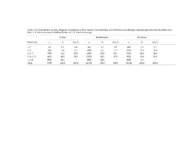
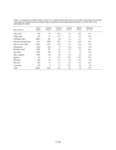
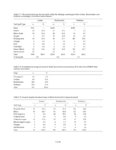
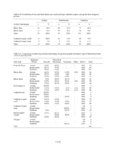
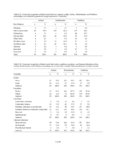
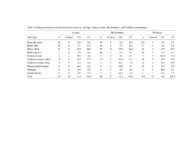
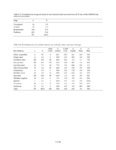
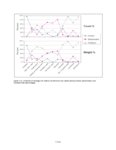
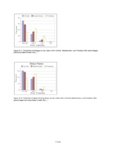
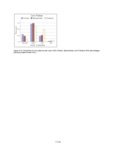
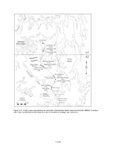
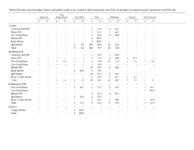
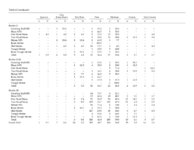
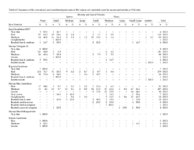
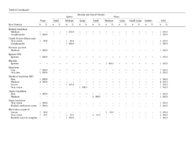
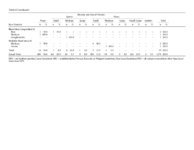
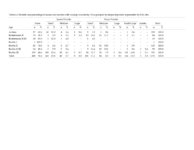
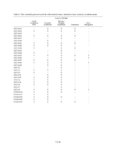
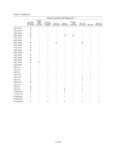
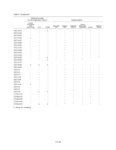
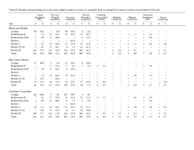
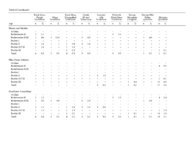
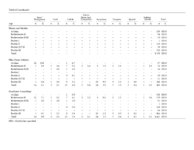
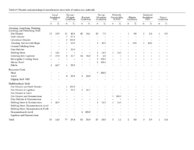
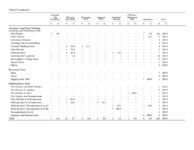
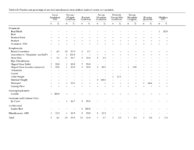
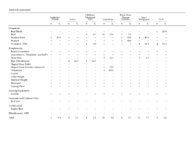
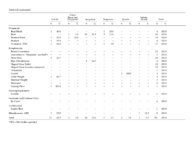
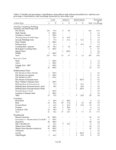
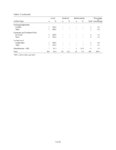
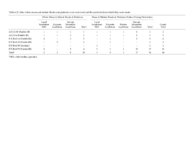
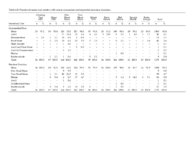
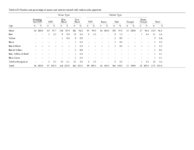
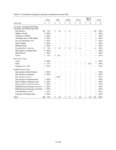
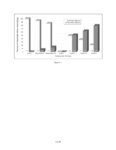
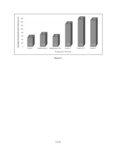
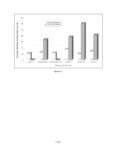
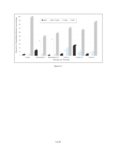
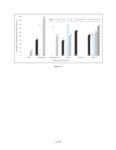
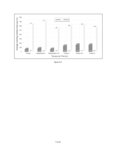
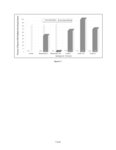
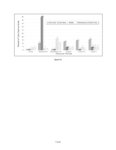
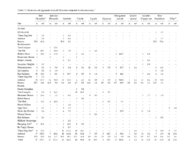
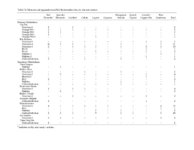
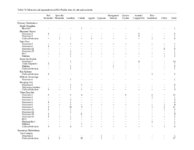
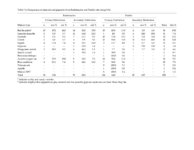
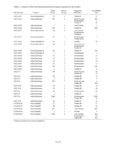
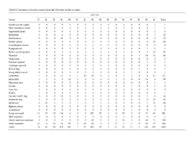
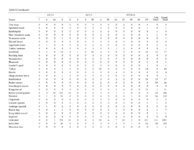
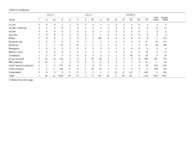
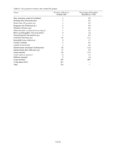
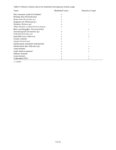
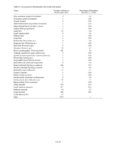
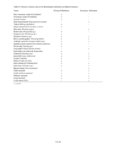
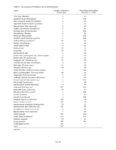
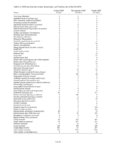
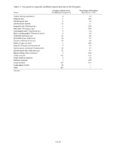
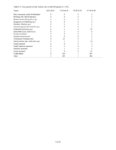
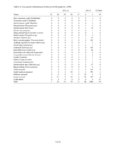
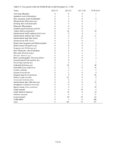
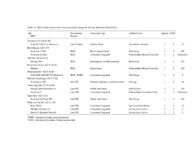
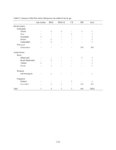
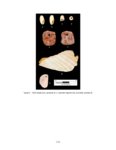
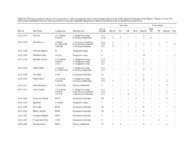
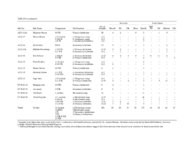
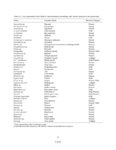
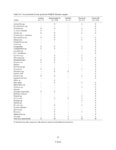
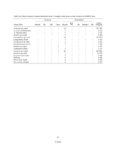
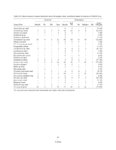
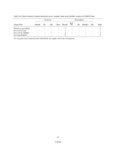
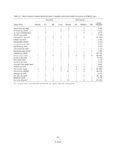
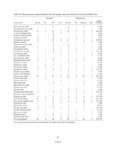
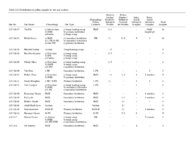
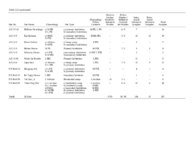
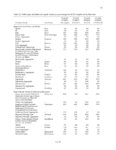
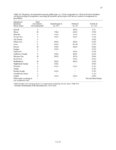
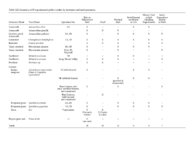
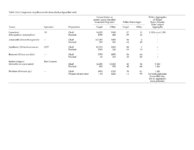
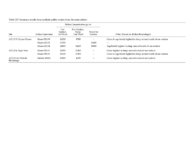
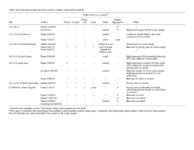
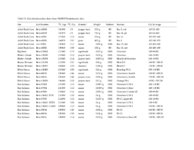
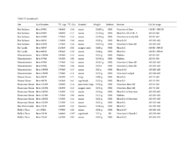
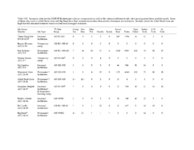
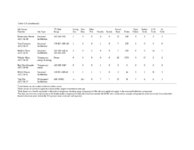
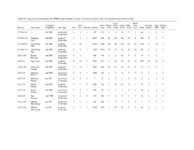
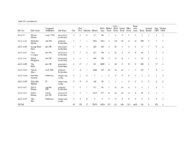
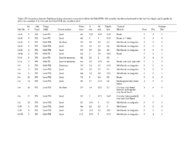
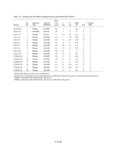
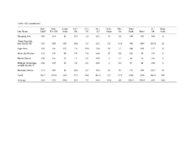
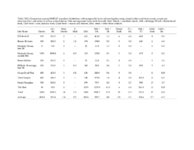
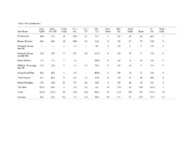
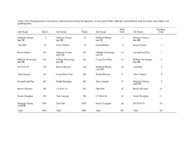
Show 5 Conclusions of Experimental Study We have shown that every step in plant processing reduces the amount of target pollen that adheres to seeds, leaving less to be added to metate use-surfaces. Even a week's exposure to atmospheric pollen rain registers on metate surfaces and dilutes the signal of the processed seed. How much blurring of the record occurs over the centuries since last use of the artifact? Is it valid to interpret plant processing from artifact pollen washes? Clearly prehistoric people processed much greater quantities of seeds than the tenth of a liter or less sample used for most taxa in our experiment, and it could be argued that the sheer quantity of food produced would leave a pollen signal on grinding tools visible to researchers centuries later. However, the micro pores and interstices on the use-surface of a tool can be viewed as a reservoir with a fixed capacity that once filled would not preserve any more pollen regardless of the quantity of plant material processed. What happens to these artifacts after last use is key to whether a real signal of the processed plant can be recovered. Metates deliberately stored upside down after last use in a roofed context or some situation that excluded ambient pollen have the best chance of contributing credible information. The ultimate archaeological pollen samples would be from harvest reduction contexts- where the chaff landed, not where the final product was stored or mealed-and with the caveat that the processing locus was protected from atmospheric pollen rain. Palynologists have analyzed and interpreted artifact pollen washes generally from the focus of how pollen is transported and deposited in natural systems. Of course pollination ecology is important in any pollen investigation, but we submit that for archaeological studies, it is critical to also understand the human behavior component. How does the dynamic between plant architecture, pollen ecology, and human behavior determine how pollen moves and where it will be preserved? It is only through handson practice of harvesting, processing, and grinding these seeds that we have gained some understanding that the archaeological pollen record of subsistence resources is related to the specific plant and what was done to it. N16 ARTIFACT POLLEN WASHES: TESTING THE PARADIGM The insights gained from the seed and groundstone experiments provided a practical framework to delve into pollen washes from archaeological artifacts. We generated 58 pollen washes from 49 artifacts from 13 of the N16 sites (Table 12.6). The artifacts consisted of 31 manos, 10 metates, 1 grinding slab, and 7 miscellaneous artifacts (jars, lapstone, ladle, and cobble). This set of washes was accessorized with 30 control samples taken from sediment in direct or close association with the artifacts. We used these data to examine several aspects of pollen from artifact washes. First, focusing just on manos and metates, we asked whether there was any relationship between pollen recovery and the size and physical attributes of tools. Second, if the paradigm that plants processed on artifacts leave a pollen signature that can be recovered and correctly interpreted is accurate, then artifact washes should produce assemblages distinct from other kinds of samples. We tested this assumption with two sets of experiments. We washed different sides of the same artifact as separate samples; and we compared the pollen spectra from control samples to the spectra from artifacts. Methods All wash samples were spiked with tracers (Lycopodium spores), which allows calculation of the abundance of pollen in each sample (pollen concentration). Surficial sediments adhering to artifacts were removed, and for several samples this sediment was saved and processed for control samples. Non-usesurfaces were rinsed but the liquids were not saved, and then the use-surfaces of the artifacts were scrubbed with hot distilled water and 10 percent hydrochloric acid. For a select set of tools, separate washes were collected from the use-surface and the non-use-surface for comparison. The wash liquids were sieved through 0.018 mm mesh screen and centrifuged, and the sediment volume was noted. Samples were then processed with either a hydrofluoric acid treatment followed by a heavy liquid gravity separation (zinc bromide, 1.9 specific gravity) and acetolysis, or only the acetolysis treatment. The difference in processing was determined by how "dirty" the wash liquids were; samples with abundant material (inorganic and organic) were treated with the longer procedure. The processed samples were mixed with glycerol and stored in vials. Sediment samples were all processed by the heavy liquid method used for the archaeological bulk sediment samples described in the Methods section for the archaeological samples. Material from the processed samples was subsampled from the vials, dropped onto microscope slides, sealed with a cover slip, and examined at 400x magnification using a Reichert compound microscope. Pollen assemblages were documented by counting all pollen observed during a tally of a V.12.5 |