| OCR Text |
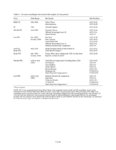
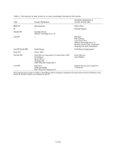
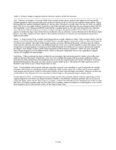
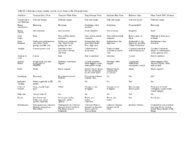
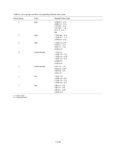
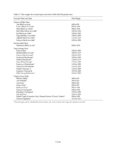
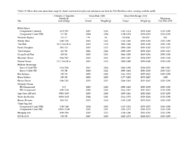
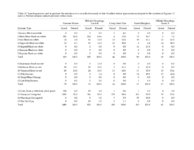
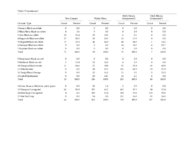
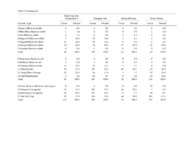
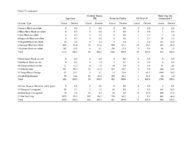
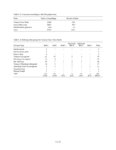
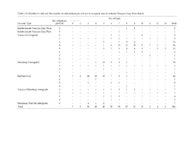
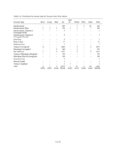
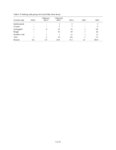
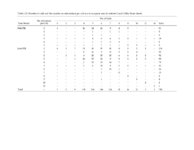
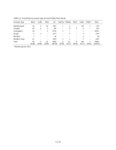
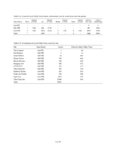
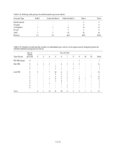
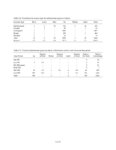
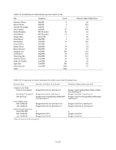
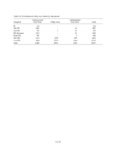
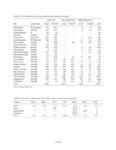
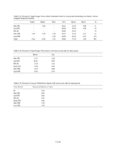
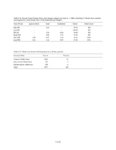
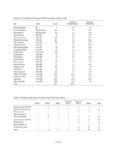
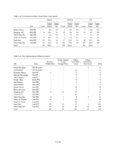
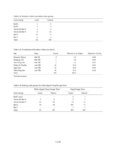
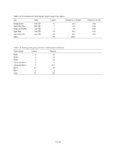
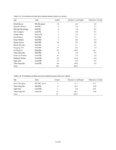
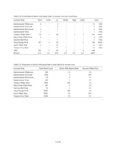
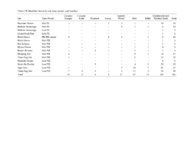
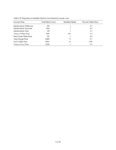
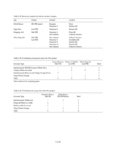
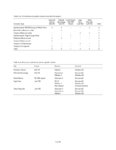
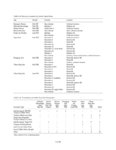
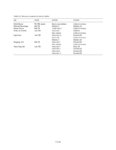
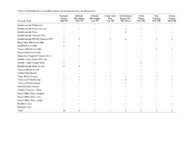
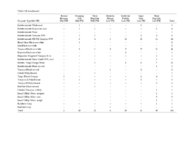
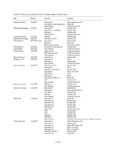
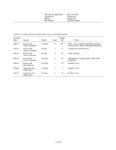
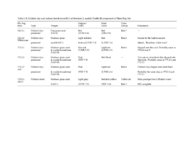
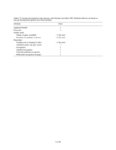
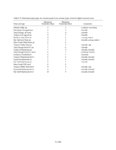
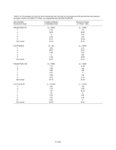
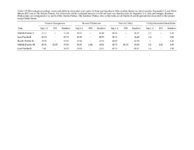
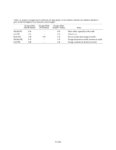
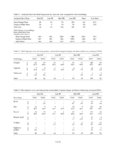
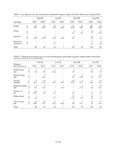
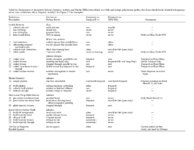
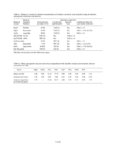
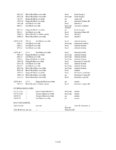
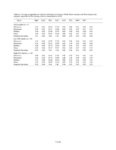
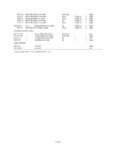
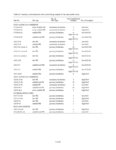
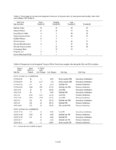
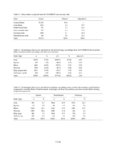
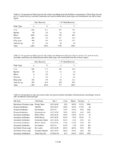
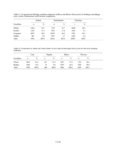
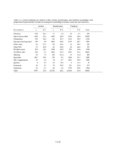
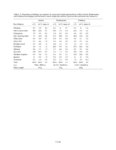
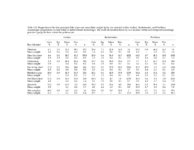
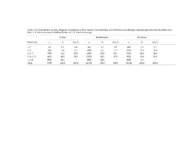
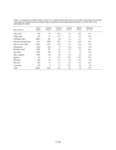
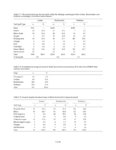
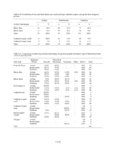
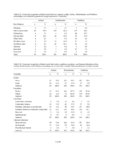
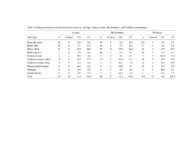
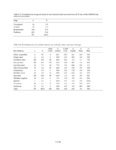
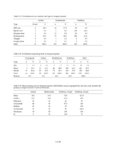
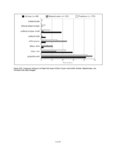
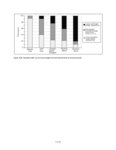
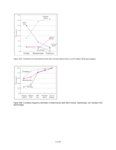
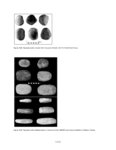
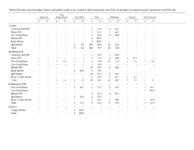
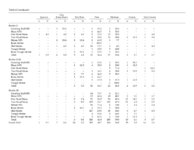
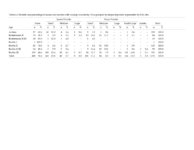
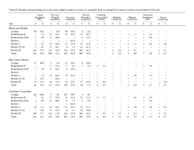
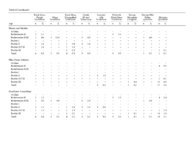
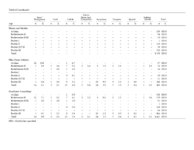
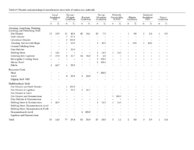
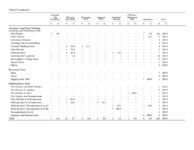
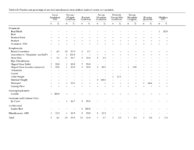
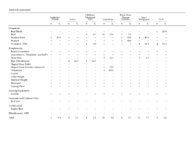
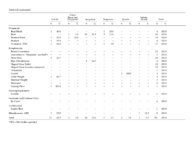
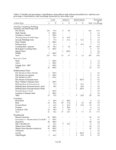
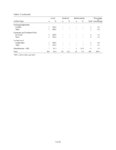
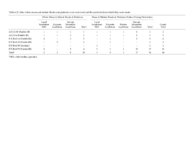
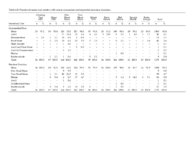
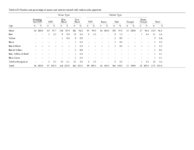
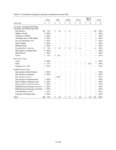
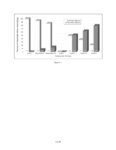
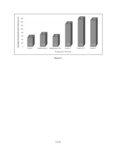
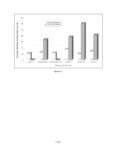
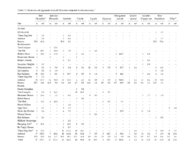
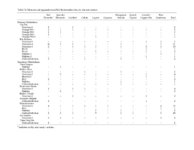
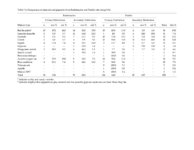
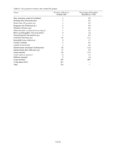
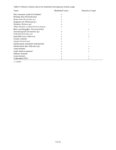
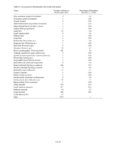
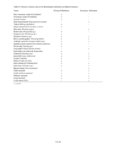
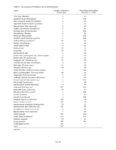
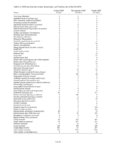
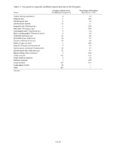
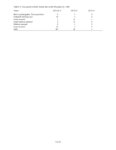
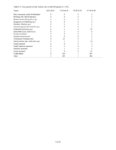
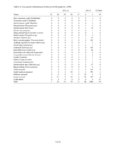
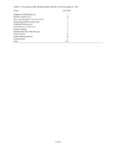
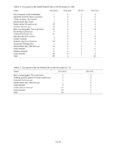
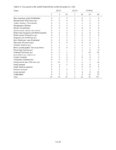
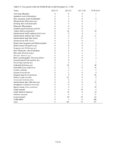
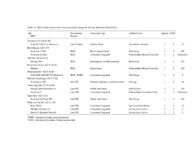
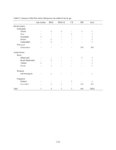
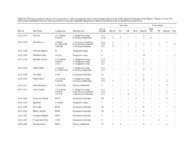
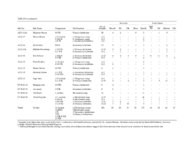
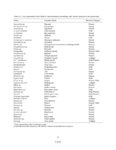
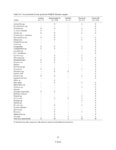
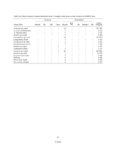
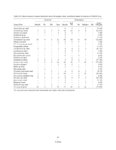
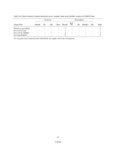
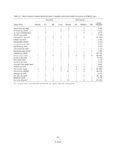
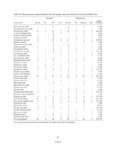
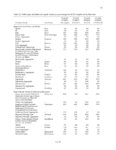
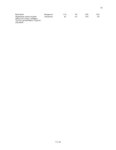
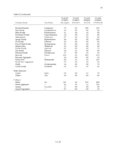
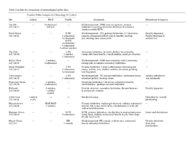
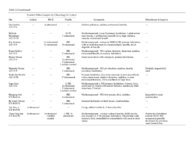
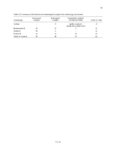
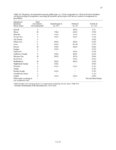
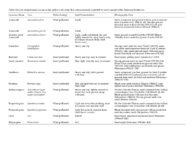
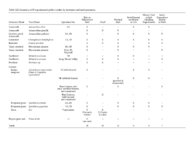
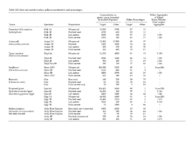
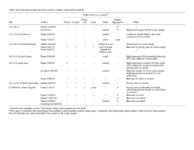
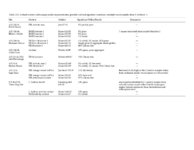
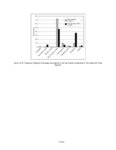
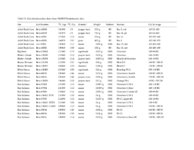
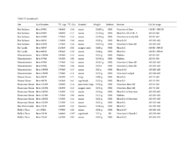
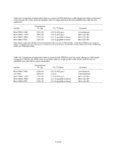
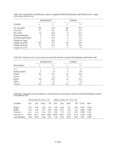
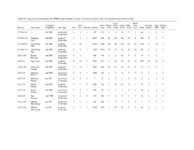
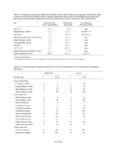
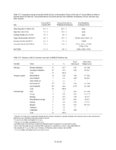
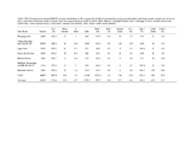
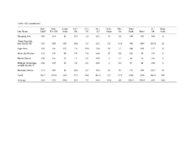
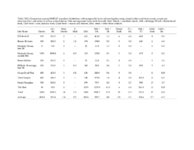
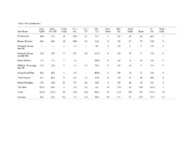
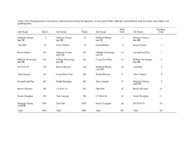
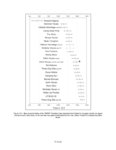
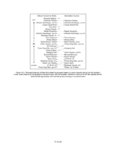
Show but are also easily removed in use. Production-related breakage can at times be securely identified, as with a tip removed by perverse fracture, but a tip removed by bending force might have occurred just as easily while embedded in an animal as during manufacture. Differentiating purposeful flakes from accidental spalls derived from pecking stones can be somewhat easier. Because these tools are used against hard stone with the force usually directed straight into an acute edge, the use-derived fractures can expand and eventually result in detachment of spalls that retain battering use-wear traces on the platform (and dorsal) surface. These may resemble flakes purposefully detached to resharpen the blunted edge of a pecking stone, except that the latter usually has a defined bulb of force from conchoidal fracture whereas the incidental spalls lack this because of wedging initiation. For some purposes of comparison the purposeful flakes and incidental spalls from pecking stones can be combined because together they provide a useful measure of the overall significance of pecking stones in assemblages. Table 5.15 presents the types of used flakes identified for the debitage assemblages of each of the three temporal periods of the NMRAP site sample. One immediately apparent trend is the increasing incidence of used flakes through time, from less than 1 percent during the Archaic period to more than 4 percent in the Puebloan period. There are probably two interrelated factors behind this occurrence. In the Archaic and Basketmaker assemblages a considerable amount of reduction is directed at producing relatively small, facially thinned tools, which contrasts with the Puebloan assemblage where the emphasis was on producing flakes for use or on modifying large core tools. The Archaic and Basketmaker emphasis results in a considerable number of flakes, many of which are quite small (late-stage biface percussion shaping and pressure) and thus poorly suited for use. The Puebloan emphasis however results in fewer but larger flakes overall, thus a higher proportion are more readily usable because of being easier to hold. A reason for the increased proportion of used flakes through time that has nothing to do with relative proportions of flakes suitable for use concerns the vastly different nature of the settlements among the different time periods. Both the Puebloan and Basketmaker sites are mainly residential in nature and were occupied over many years on a quasi-permanent or many-month basis. As such, the tools should reflect the great many production and maintenance tasks that would have been required at a habitation. In contrast, most of the Archaic sites were limited in the extent of stay and had rather specific settlement roles, such as for hunting or other extractive tasks. Even the probable residential camps were likely used on a transient basis. The greater diversity of tasks undertaken at the Puebloan habitations is probably reflected by the greater diversity of inferred functions for the used flakes when compared to the Archaic assemblage, where only cutting and scraping tasks were identified. Of course more formal tools may have met these needs at the Archaic sites, which appears to be true for the Basketmaker assemblage. Retouched drills, for example, are a common aspect of the Basketmaker II assemblage (described later). Task diversity in the Puebloan assemblage is not simply the result of sample size since the Puebloan assemblage has a greater variety of used flake functions than the Basketmaker assemblage, which is ca. 20 percent larger. At this level of comparison it seems prudent to not make too much of any inter-assemblage differences in inferred functions, except perhaps to note the number of flakes used for pecking within the Puebloan assemblage. What is of interest is the proportion of used flakes that exhibited obvious traces of an additional use. In evaluating use-wear the analyst always characterized the most obvious or most extensive pattern as the primary function, but also noted a secondary function if one was evident. Almost 20 percent (18.9%) of the Basketmaker flakes exhibited secondary use compared to just 4.3 percent of the Archaic flakes and 5.5 percent of the Puebloan flakes. It is tempting to attribute this patterning to a higher degree of residential mobility for the Basketmaker groups, since having a flake that can accomplish several tasks reduces transport weight, but then this would seem to apply even more so for the Archaic foragers, yet they have the lowest incidence of multiple uses. Even if Basketmaker groups had relatively low levels of residential mobility, which seems probable, they appear to have had a high degree of logistic mobility. The inferred tool types of identified rejuvenation flakes by time period are presented in Table 5.16. There are some marked shifts in the types of tools being refurbished or otherwise modified. Fully 86 percent of the Puebloan rejuvenation flakes are from pecking stones compared to just 7 percent in the Archaic assemblage. Given the general lack of pecking stones from the Archaic assemblages generally, it is even possible that the Archaic flakes identified as being from this tool type are actually derived from a different sort. Scrapers are the tools most commonly represented by the Archaic rejuvenation flakes, followed by knives (bifaces). Both of these tool types are poorly represented in the Puebloan assemblage, as might be expected given their relatively low incidence in the tools. The Basketmaker assemblage is somewhat intermediate between the earlier and later assemblages; it includes a high proportion of V.5.28 |