| OCR Text |
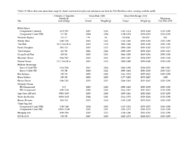
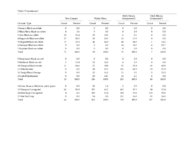
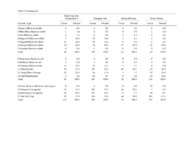
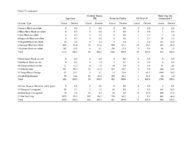
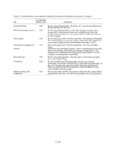
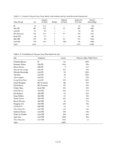
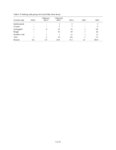
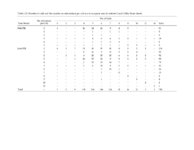
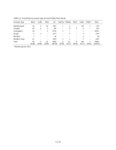
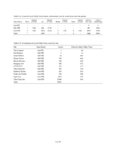
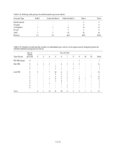
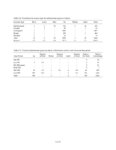
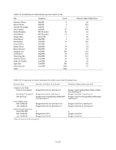
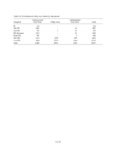
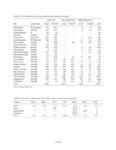
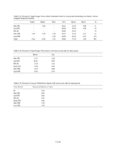
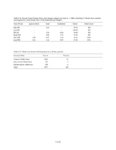
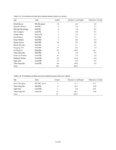
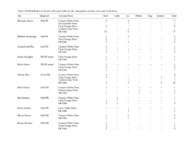
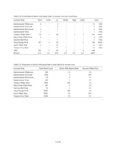
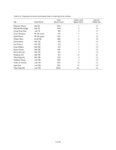
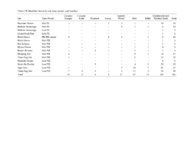
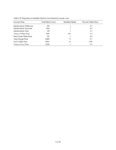
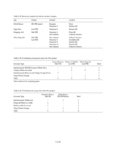
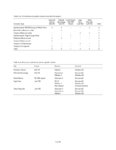
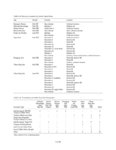
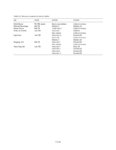
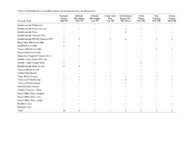
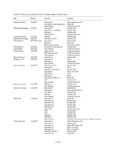
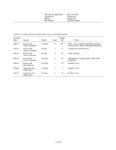
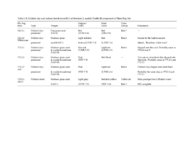
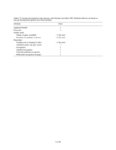
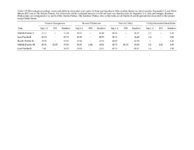
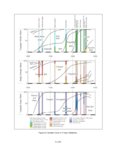
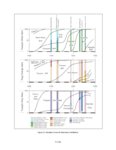
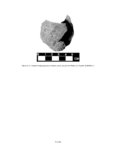
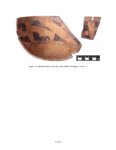
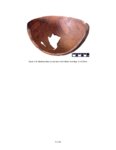
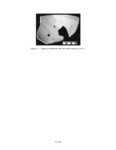
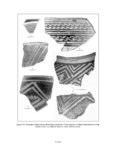
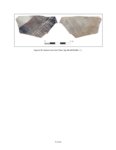
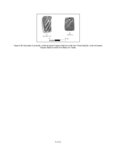
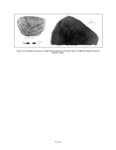
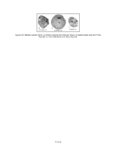
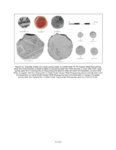
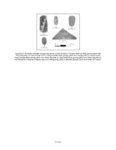
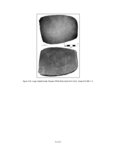
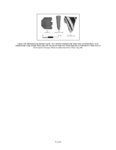
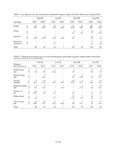
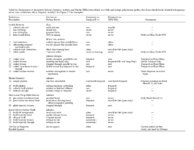
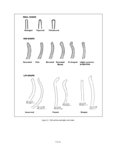
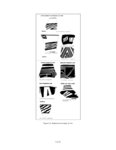
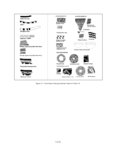
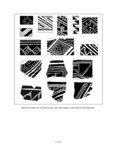
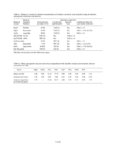
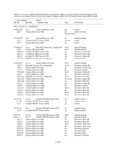
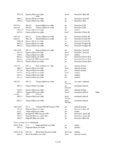
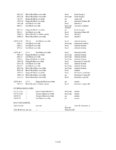
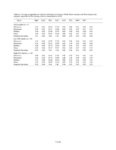
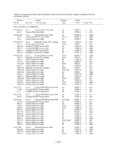
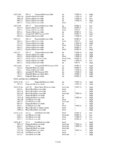
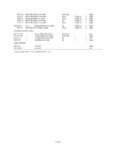
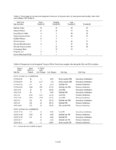
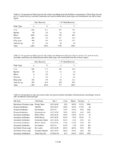
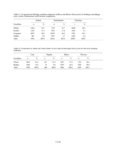
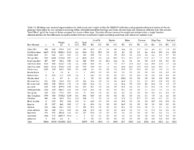
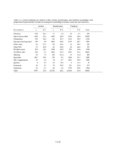
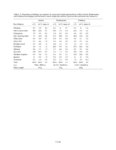
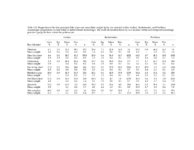
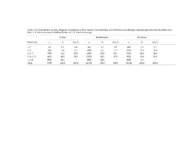
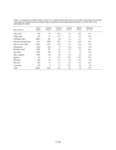
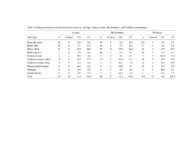
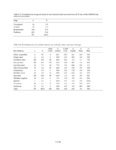
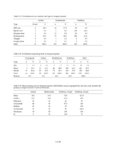
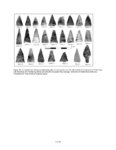
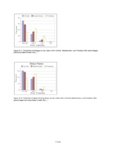
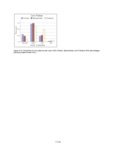
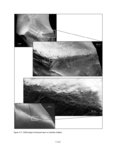
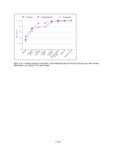
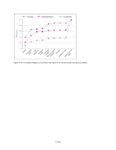
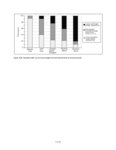
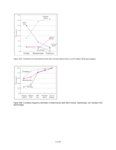
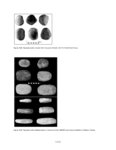
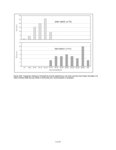
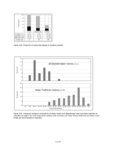
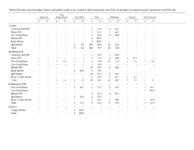
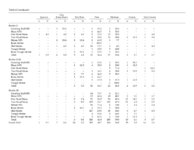
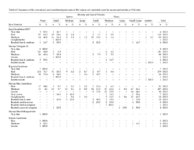
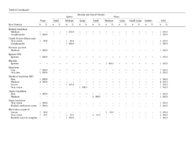
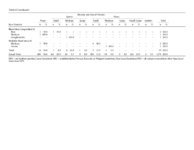
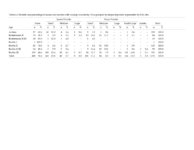
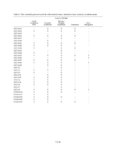
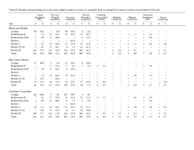
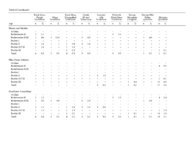
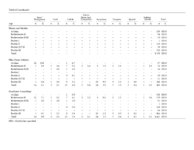
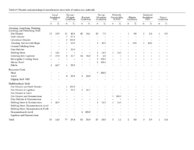
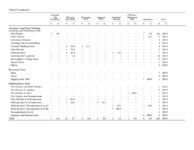
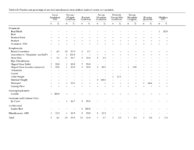
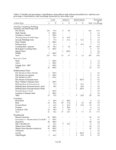
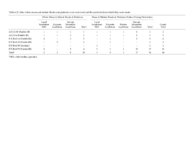
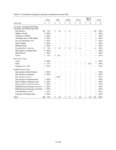
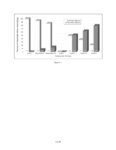
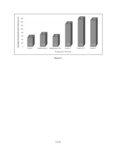
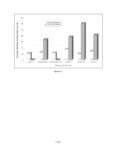
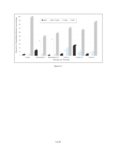
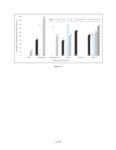
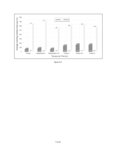
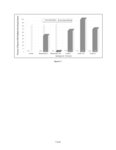
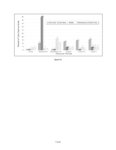
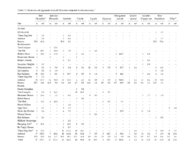
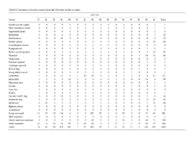
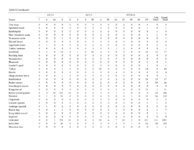
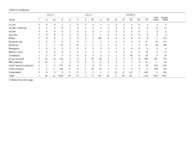
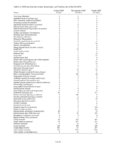
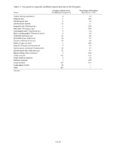
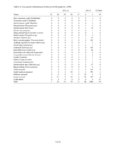
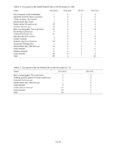
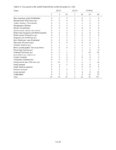
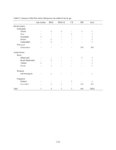
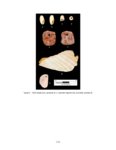
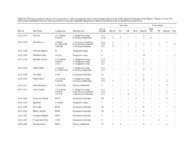
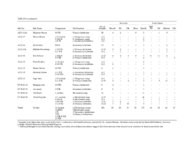
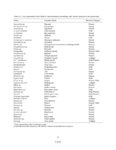
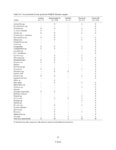
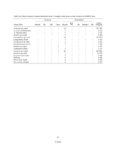
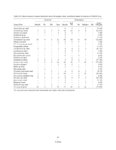
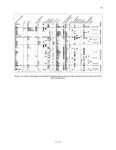
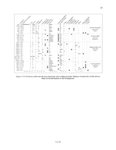
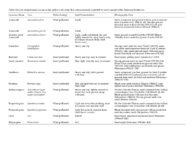
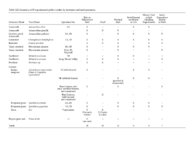
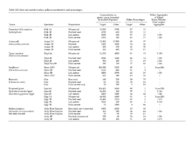
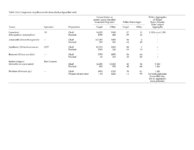
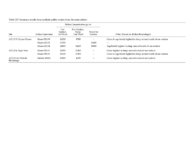
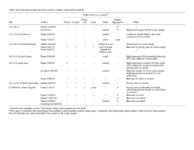
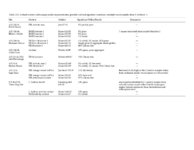
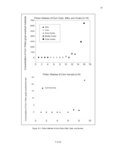
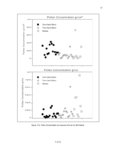
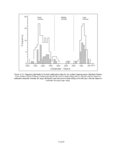
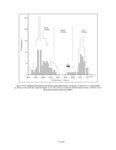
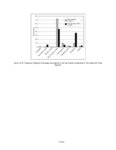
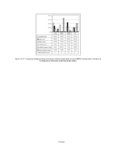
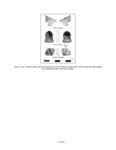
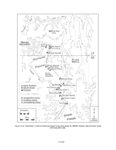
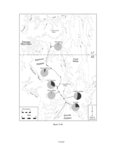
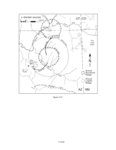
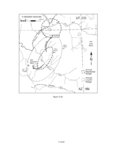
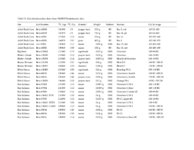
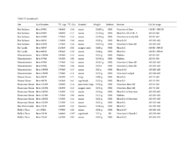
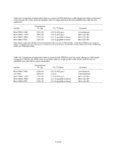
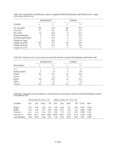
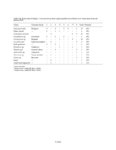
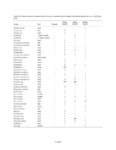
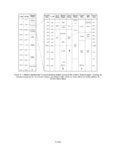
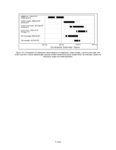
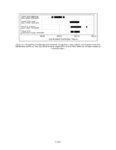
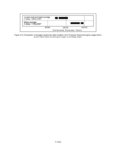
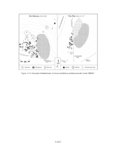
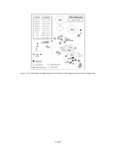
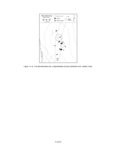
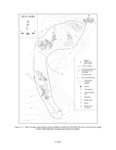
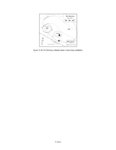
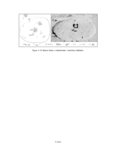
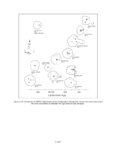
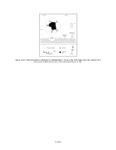
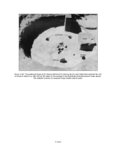
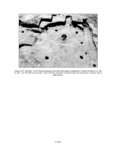
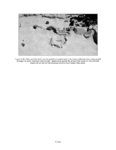
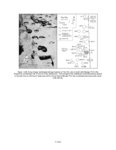
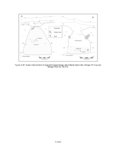
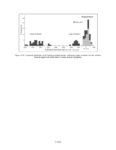
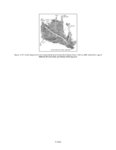
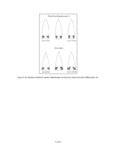
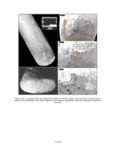
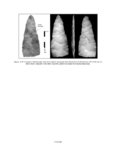
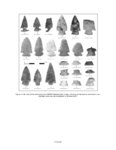
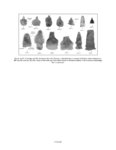
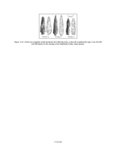
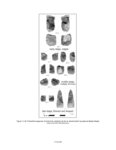
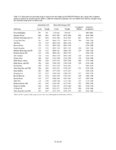
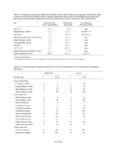
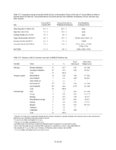
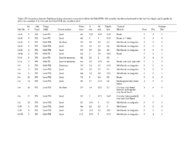
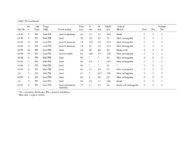
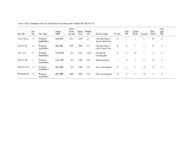
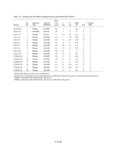
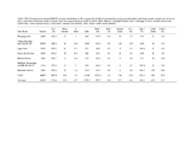
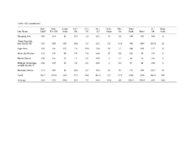
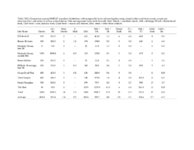
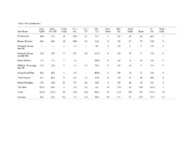
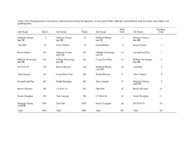
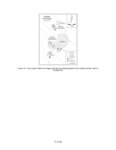
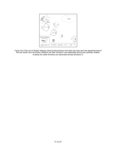
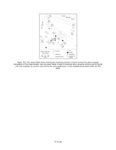
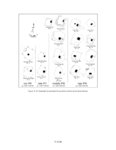
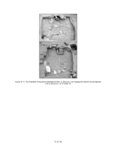
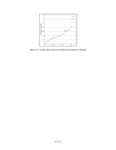
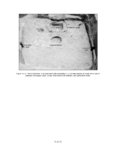
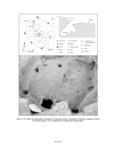
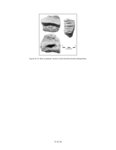
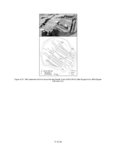
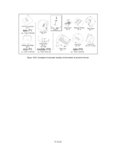
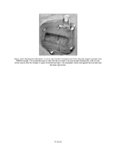
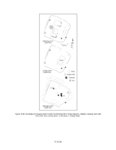
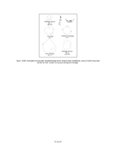
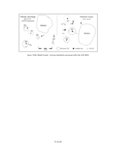
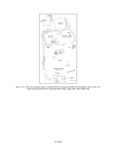
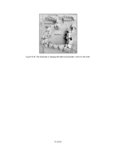
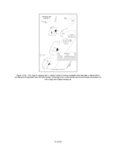
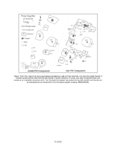
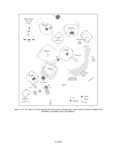
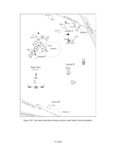
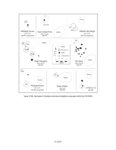
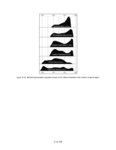
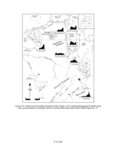
Show an example). The positioning of most forager residential camps on the Colorado Plateau was likely predicated upon the distribution and seasonal ripening of local floral resources. There are at least three important reasons that this was likely so: (1) floral resources comprised a major portion of the diet; (2) most plant foods are bulky with respect to nutritional value; and (3) most plant foraging was probably done by females whose travel range and length of absence from residential bases were minimized. The second point concerns transportation costs, which to be minimized require locating the consumers close to the resource. The opposites of these three points are commonly applicable to faunal resources, especially big game, and provide reasons that logistical hunting camps exist, even for foragers. Not only did meat likely make up less of an Archaic forager diet than plants, but meat comes in highly nutritious and comparatively low bulk packages that can be moved to consumers. Hunting is also predominantly a male activity, so there are fewer constraints on making overnight forays well beyond the daily travel radius of the family camp. Five examples of Archaic hunting camps were identified in the NMRAP sample based principally upon the co-occurrence of modest assemblages of debitage and faunal remains, in conjunction with an absence of grinding tools. The negative evidence is significant since the previously discussed Archaic residential camps contained an abundance of bone, debris from late stage biface reduction, and projectile points-game processing and the preparation and refurbishment of weaponry is not exclusive to hunting camps. Indeed, because more time would normally be available at residential camps than at transient sites to repair gear and rearm foreshafts by removing point fragments, it is perhaps more likely for point bases snapped across the notches (bending breaks) or larger portions with tip impact fractures to be more common at residential sites than hunting camps. This said, all but one of the five hunting camps have projectile points (Figures 14.17 and 14.18) and the exception (Sapo Seco) seems to have been occupied for the briefest interval based on scant remains around a single hearth. This site perhaps provides some indication of the temporal factor mentioned previously since brevity of stay would limit the activities conducted and tools discarded. Bifaces at various stages of reduction are also present at most of the hunting camps, but the range of tool forms overall is limited. The flaking debris at the five hunting camps was derived from a mixture of flake types (Table 13.13), sometimes with an almost exclusive emphasis on late stage biface reduction, such as the 94 percent pressure flakes from Sapo Seco, but also earlier reduction stages, perhaps reflecting variability in activity. Several of the hunting camps had a moderately high incidence of obsidian, between 25 and 54 percent, an indication that the sites were probably situated well outside the normal annual foraging range of the groups involved. This topic is discussed in greater detail below but it is worth pointing out in passing that such evidence is consistent with the notion that logistical camps should normally occur when travel for subsistence pursuits extends outside the normal foraging range of a residential base. Obsidian provides a handy means for identifying such extensive travel but in most cases a material indicator is unlikely to exist. For example, nearly all of the pressure flakes at Sapo Seco consist of Navajo chert, a material widely available across much of the Kayenta region including the Rainbow Plateau. The individual who left these flakes at the site may or may not have resided outside the Kayenta region, but the debitage raw material provides no means for knowing this. Hearths were present at four of the five hunting camps and are to be expected for the preparation of game, with burned faunal bone indicative of meat preparation and consumption. Though it is likely that fires were used at hunting camps, hearth presence is not essential for inclusion in this class, since a lack of these features might be a preservation problem related to building fires directly upon the ground surface rather than within some sort of basin. Such surface fires are far more easily eliminated by deflation and other post-depositional processes, especially at sites many thousands of years old and shallowly buried. Testing of hearths on the Kaiparowits Plateau (Geib et al. 2002) provides sufficient cause to infer that surface heating fires at 1000-year-old hunting camps, let alone those from anywhere from 3000 to 8000 years old, might not last the ravages of time. Processing Camps. Six of the NMRAP Archaic sites were classified as processing camps based principally on scant remains (Table 13.8). The potential for processing camps to exist as functionally distinct from residential camps is partially dependent upon the temporal period under investigation. Sites are more likely to have served as logistical processing camps during the Basketmaker and Puebloan periods than during the Archaic period. Groups during this earlier temporal interval were more likely to have operated using a foraging strategy wherein resources other than large game were gathered within close proximity to constantly shifting residential bases. Foragers generally have little need for logistical camps because if a desired resource occurs outside the daily travel distance from a residential base, then the base itself is relocated close to the resource. Farmer-foragers, in contrast, because they tend to maintain semi-permanent residential bases close to farm fields, may well have used logistical camps for V.13.39 |