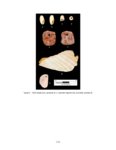
| OCR Text |
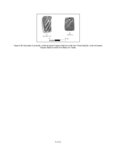
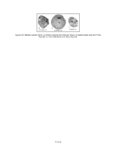
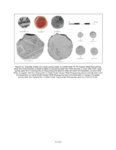
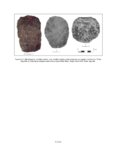
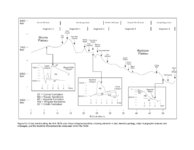
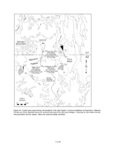
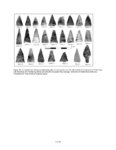
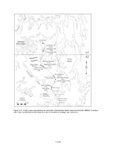
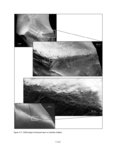
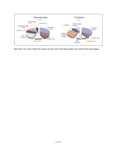
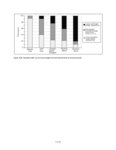
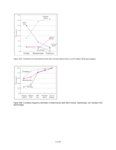
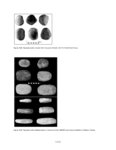
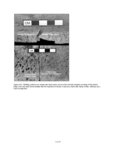
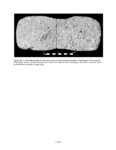
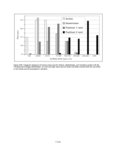
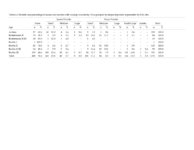
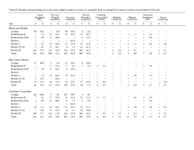
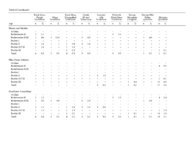
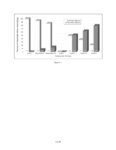
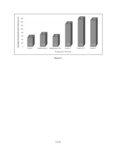
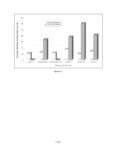
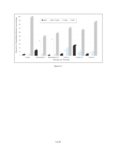
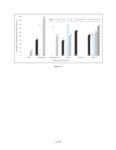
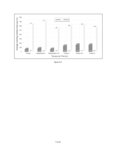
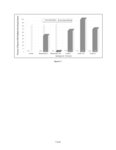
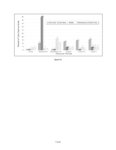
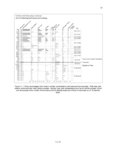
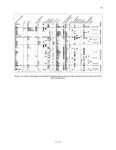
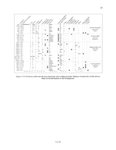
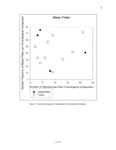
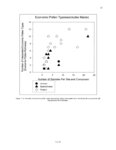
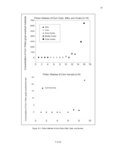
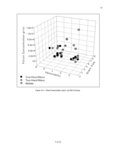
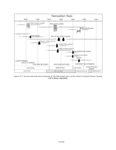
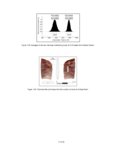
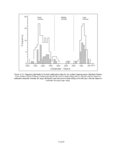
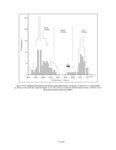
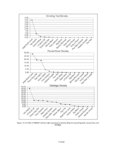
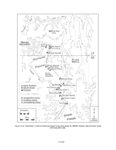
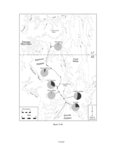
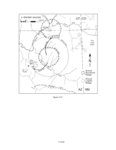
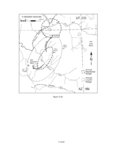
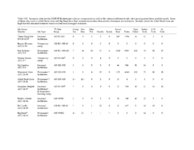
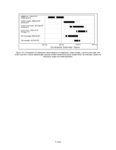
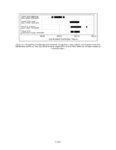
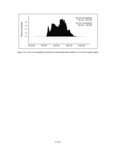
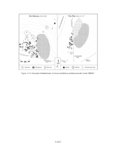
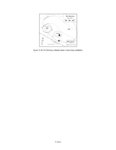
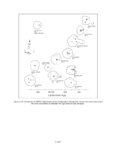
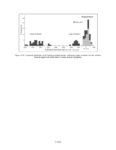
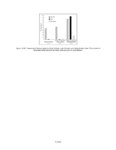
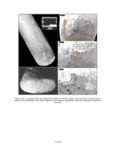
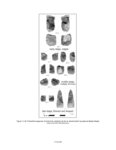
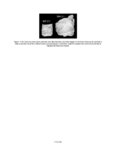
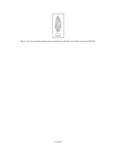
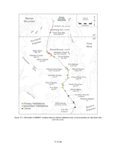
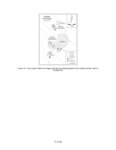
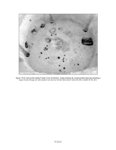
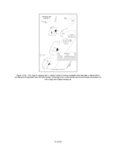
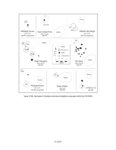
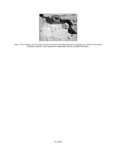
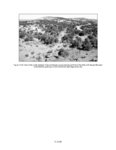
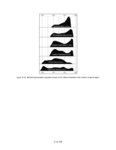
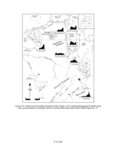
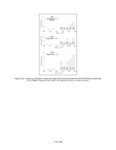
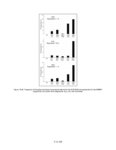
Show the debris derived therefrom is generally far too small for effective expedient use. Furthermore, the greatly reduced residential mobility of Puebloan women (e.g., Ogilvie 2005) may have also limited their procurement of stone to a far more circumscribed area than was true during earlier times. The net effect of these factors, since the need for tools by women remained high, would have been a willingness to make do with whatever flakable stones were most immediately available, and this often required use of the bipolar technique as the only effective reduction strategy. We can infer only very generalized tasks from use-wear analysis, which tend to be cutting , scraping, and drilling, none of which necessarily apply to gender-specific tasks. Men as well as women perhaps used core and bipolar flake tools; however, in the domestic setting it is probable that the proportions to which men and women used and made these tools were widely disparate. We have long held the position that much of the debitage at Puebloan habitations is the byproduct of female activity, as argued recently by Sassaman (1998:159). This aspect appears linked to the appearance of bipolar reduction at Puebloan sites because of how reduced residential mobility impacted women's access to raw material for stone tools. Residential stability may have impacted men's access to stone as well, but probably far less given the potential for more distant travel on hunting excursions and for other tasks. With stable residencies and women close to home because of the myriad of duties to sustain the family, principally food preparation and child rearing (see review in Lowell 1991), women commonly had to make do with whatever stone was available close to the habitation. One of women's principal tool needs was certainly sharp edges for simple cutting, scraping, and drilling tasks. Bipolar reduction provided a highly efficient means of obtaining sharp-edged flakes from the small nodules scattered near many habitations, or from recycling discarded flakes or tools from more distance sources that were available close at hand in the midden or scrounged from adjacent sites. Being able to obtain useful flakes for expedient tools from small chunks of local chert rather than having to travel and search out larger nodules from more distance sources also helped with time management (Torrence 1983). The most direct evidence for women having employed bipolar reduction comes from the analysis of secondary use-wear on pecking stones recovered from the floors and near-floor contexts of mealing rooms-places arguably used exclusively by women (e.g., Schlanger 1995). Robins and Warburton (2004: Figure 11.38) showed in a comparison between the use-wear on prehistoric pecking stones and modern examples used in replicative experiments that they exhibited the same type of distinctive striations that appear to be particularly diagnostic of bipolar reduction. These striations appear to result from contact with the wedge-shaped edges of bipolar cores. Although these are not distinguishable in the areas of dense attrition, they are plainly visible on the peripheries of these areas. Also supportive of women's role in bipolar reduction is the frequent observation of anvil pitting on manos (see next chapter). The assemblages recovered from within mealing rooms might be potentially informative given that these rooms are likely to be considered female space, but unfortunately these rooms in the NMRAP sample were quite thoroughly dismantled and scavenged. More important, however, is that it actually doesn't make much sense to conduct dipolar reduction in such a confined and relatively dark space, where the abundant small sharp debris could easily get mixed with food. Activities in the rooms were probably restricted to the narrow objective of food preparation and the pecking of grinding tool surfaces to maintain them. Pueblo III Economic Specialization: Point Production and Hunting The production of bifacial tools (arrowheads and knives) obviously continued into the Puebloan period although the debris therefrom is proportionally greatly reduced in quantity over the Basketmaker II period. In no small part this occurred because of the switch to arrow points from darts, resulting in less flaking debris per tool and far less that is potentially recoverable by standard excavation practice. Since Puebloan arrow points were produced largely or entirely by pressure flaking alone, much of the resulting debris is too small for even 1/8" mesh recovery, let alone the standard 1/4" mesh commonly used in the Southwest. Moreover, wooden arrow points were commonly used all across the Southwest, as any examination of museum collections with perishable artifacts will attest. Wooden points may have been commonly employed in the procurement of small game (e.g., Szuter 2000:204) with stone used principally for large game hunting and war. There is also the possibility that production of hunting tips was mostly done elsewhere, away from the majority of domestic settings, but there are some notable exceptions to this within the N16 ROW, which also track with other evidence provided by tools and faunal bone to suggest not only some specialization in arrow point production during Pueblo III but also greater hunting of big game. An excellent example of this is provided by three late Pueblo III sites excavated for the project and shown in Figure 15.4. Two of these are the sites of Sapo Seco and Waterjar Pueblo which occupy the V.5.17 |