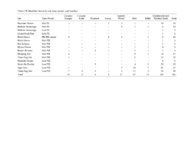
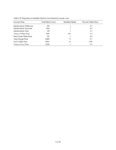
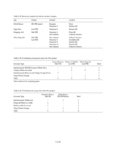
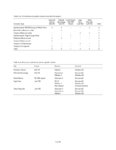
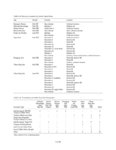
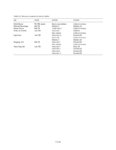
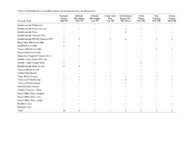
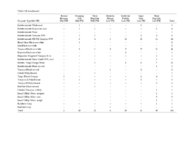
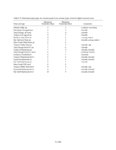
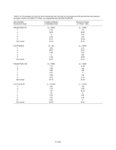
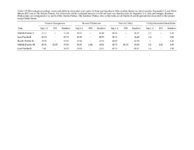
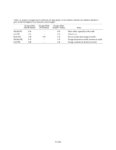
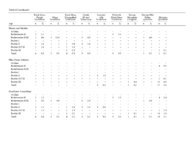
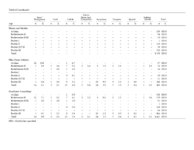
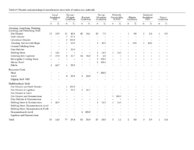
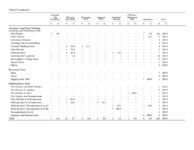
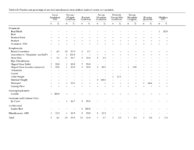
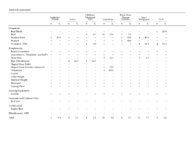
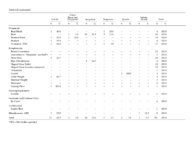
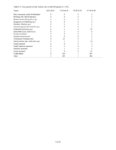
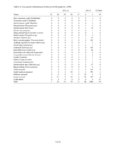
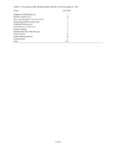
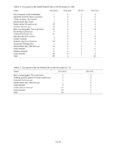
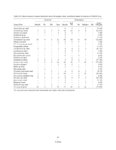
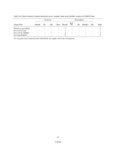
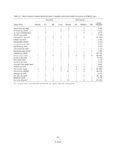
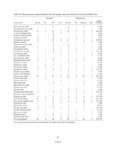
| OCR Text |
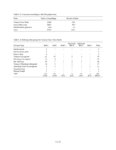
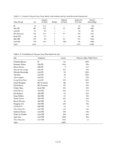
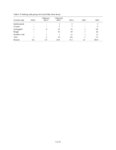
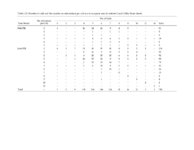
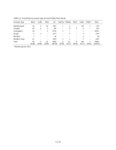
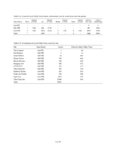
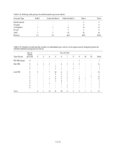
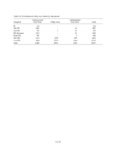
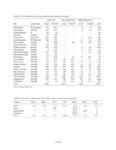
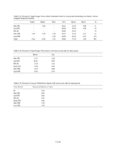
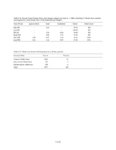
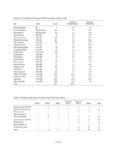
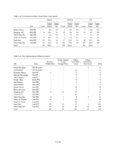
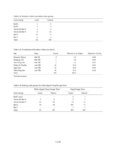
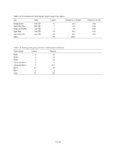
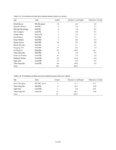
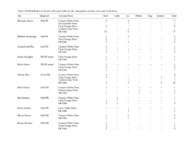
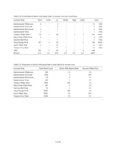
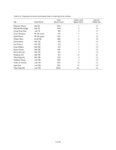
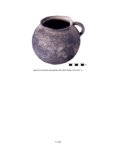
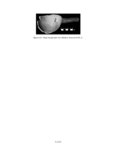
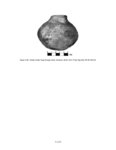
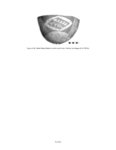
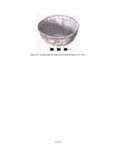
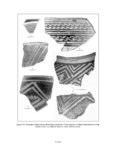
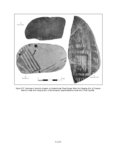
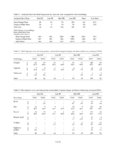
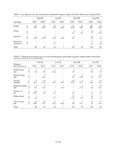
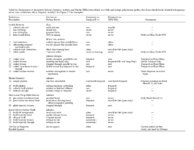
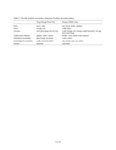
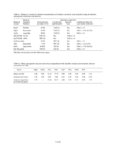
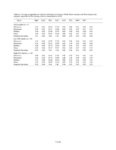
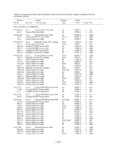
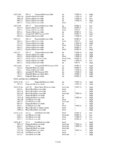
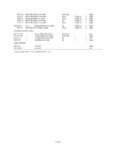
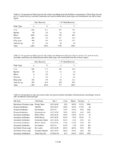
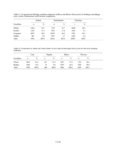
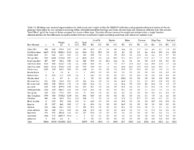
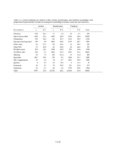
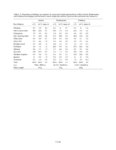
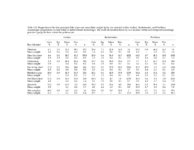
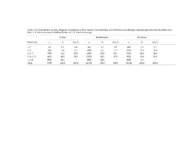
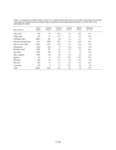
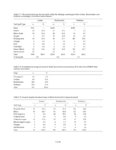
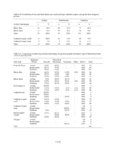
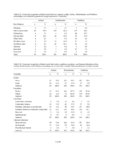
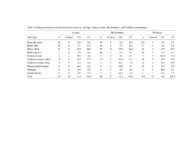
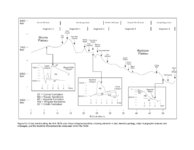
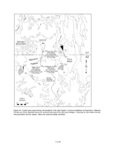
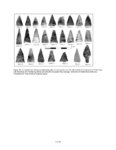
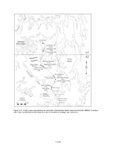
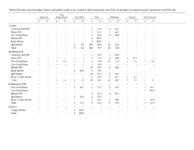
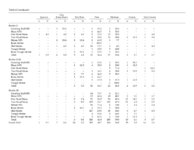
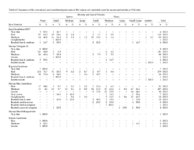
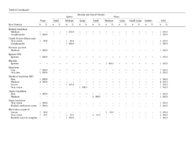
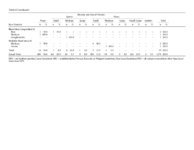
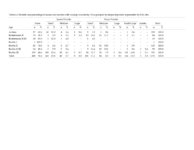
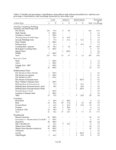
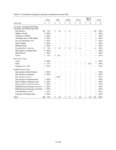
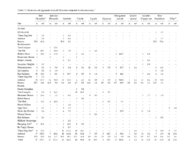
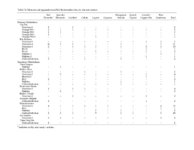
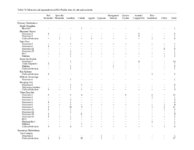
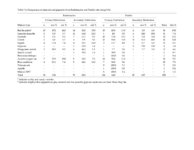
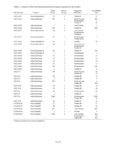
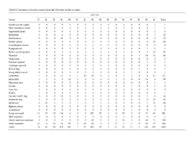
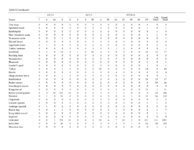
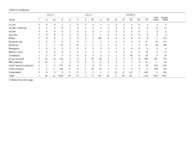
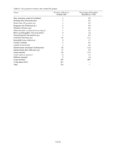
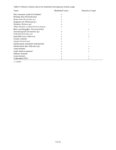
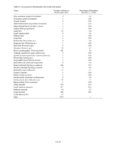
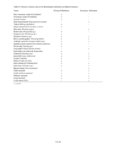
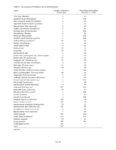
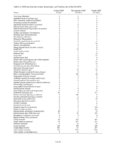
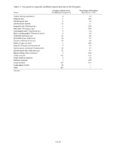
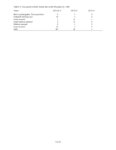
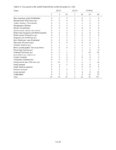
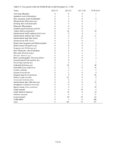
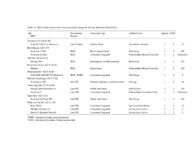
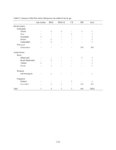
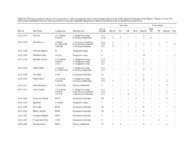
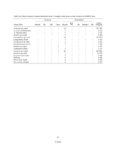
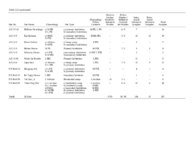
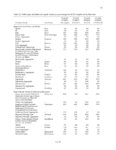
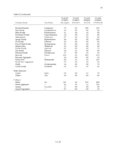
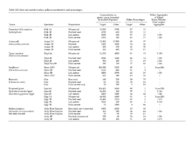
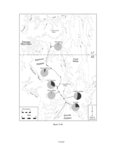
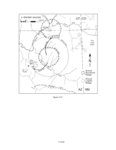
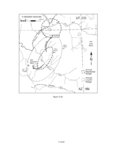
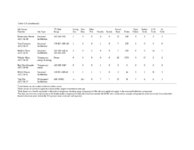
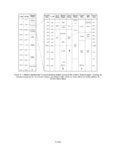
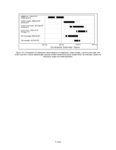
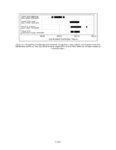
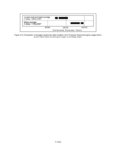
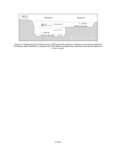
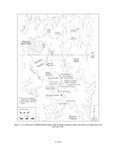
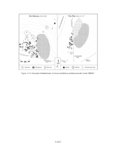
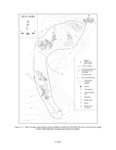
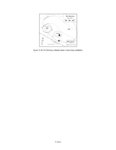
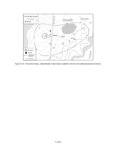
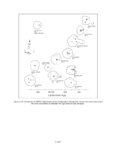
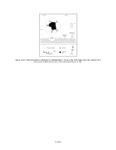
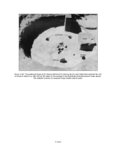
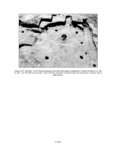
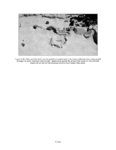
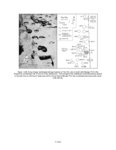
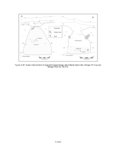
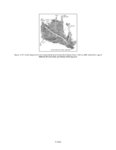
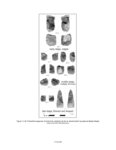
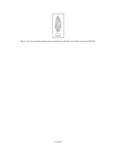
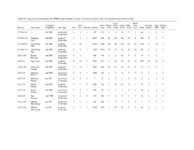
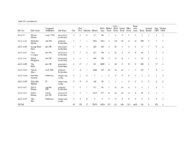
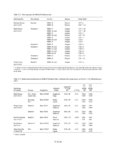
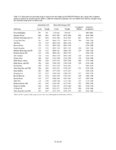
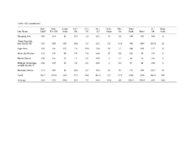
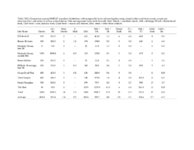
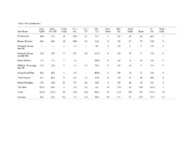
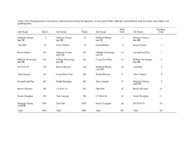
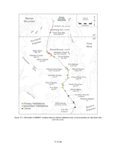
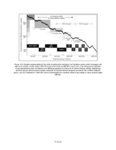
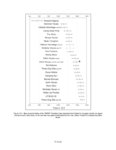
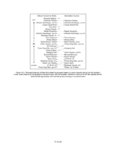
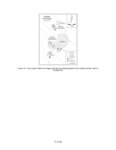
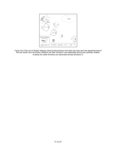
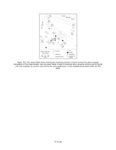
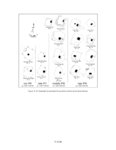
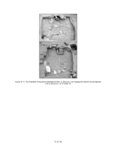
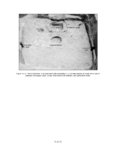
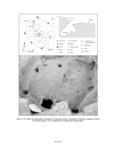
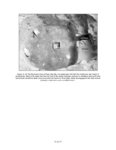
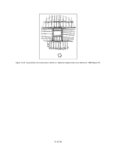
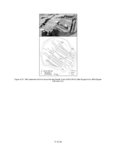
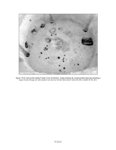
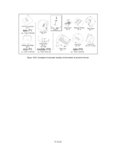
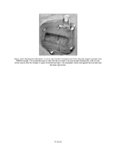
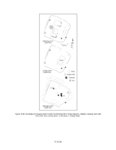
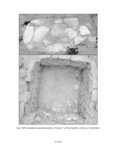
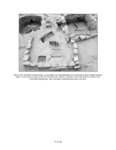
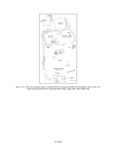
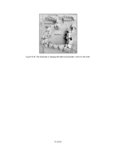
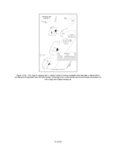
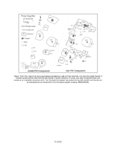
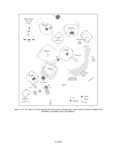
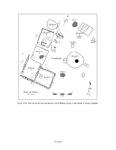
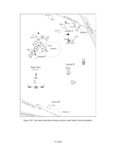
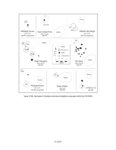
Show Located just 500-600 m upslope from Mountainview is a large Basketmaker habitation (AZ-J-14-54) with the same Obelisk Utility pottery assemblage (Figure 14.17). Mountainview might even be an outlying part of this large site. This site has surface evidence for at least five structures scattered on level portions of a sandstone ridge and there could well be more along with probable storage cists. At least one of the houses here is entirely lined with upright sandstone slabs. Its is impossible to say whether all of the houses were contemporaneous, but the artifact assemblages associated with each are similar, including early brown ware pottery along with arrow and dart points. This is just one of several Basketmaker habitations with storage features and early pottery that are located on the southeast edge of the Rainbow Plateau and are known from surface evidence alone. They range in size from a single residential structure with five or more associated storage cists, such as site AZ-D-2-355 (NAU) on the west rim of upper Piute Canyon (Fairley 1989), to sites like AZ-J-14-54 with multiple residential structures. Secondary Habitations In contrast to the sites previously discussed are single family habitations, which appear to have been occupied for far less duration and perhaps not during the winter, as they lack bulk food storage facilities. The six excavated NMRAP Basketmaker habitations of this type include Blake's Abode, Ditch House, Polly's Place, Panorama House, Tres Campos, and Sin Sombra. Sites that likely also belong to this class include Ko' Lahni, Scorpion Heights and Three Dog Site, but in each case past disturbances preclude certain classification. The sites of this class are characterized by a structure or two associated with a small trash midden and extramural hearths; small pits may also be present. The middens are never more than a few paces in front of the houses, immediately east or southeast of the entryways. They are relatively artifact poor, characterized mainly by abundant burned rock in a matrix of charcoal-stained and flecked soil. The small size of the middens and comparative scarcity of artifacts seems to indicate temporary habitation, yet the presence of moderately formal structures suggests that the occupants envisioned more than a brief, single use episode. It is possible that this type of site was sequentially occupied over several seasons, or occupied for a month or more during a single season. Lacking storage features, the likely time of site occupancy was summer or fall when survival would not depend upon stored foods. The inference seems supported by the less substantial nature of house construction, especially when compared with the houses at Kin Kahuna. Polly's Place contains two structures, but radiocarbon dating demonstrates a lack of contemporaneity between them; they happen to occupy roughly the same area but this does not imply multiple families, just single families at different times. It seems likely that Panorama House also has more than a single structure, with one or more located outside the ROW, but in this case too, the houses are probable not contemporaneous. Seasonal habitation is another potential name for this type of site, but I ultimately avoided this term because it seemed that the name might imply use during a certain season when we lack such information and indeed there may never have been a specific season of use, but short-term use during several seasons or with different examples of this site type being used during different seasons. The common denominator among them was the suggestion based on features and remains that they never served as a principal abode but rather as a less permanent residential node-satellite sites of sorts that were tied to more permanent residential bases. Single Structure Sites: Sin Sombra and Blakeʼs Abode. Sin Sombra is a good example of a secondary habitation in its simplest form (Figure 14.18). It was characterized by a single, relatively small dwelling facing east, three extramural basin hearths to the east and southeast of the house, and a small trash midden located a few steps away from the house door. The calibrated two-sigma date range for the site is AD 120 to 330 based on the average of four statistically contemporaneous radiocarbon dates on maize from the structure, midden, and one extramural hearth. The semi-circular house at Sin Sombra was 4.8 x 4.6 m in size, 70 cm deep, and accessed through its east side by a narrow stubby ramp 85 cm long and 45 cm wide. A series of probable shallow postholes along the perimeter of the structure may have marked the position of logs leaned toward the center to provide a roof similar to that of a forked-stick hogan. Near the center of the basin-shaped and slightly irregular floor was a cluster of three partially overlapping shallow basin hearths. A small deflector constructed of two upright slabs lay between the hearths and the ramp entry. A few meters southeast of the house was a trash midden up to 20 cm thick, whose main area measured 3 m in diameter, with a lighter density of material covering an area about 5 m in diameter. The midden consisted of charcoal-stained sand, charcoal, ash, burned rock, flakes, and bone. The density of artifacts was not great, less than nine flakes on average per sq m and less than one bone per sq m. For the entire site, excavations yielded 916 flakes, 22 flaked tools and cores, 3 manos and metates, and 6 other stone artifacts (Table 14.10). Another good example of a seasonal habitation in its most basic form is Blake's Abode. This site V.14.26 |