| OCR Text |
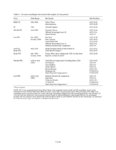
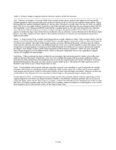
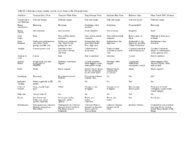
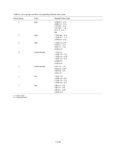
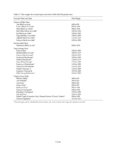
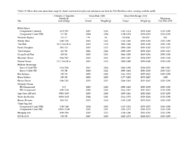
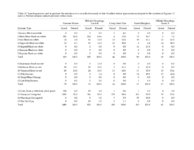
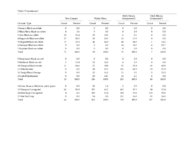
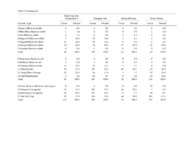
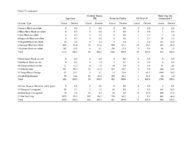
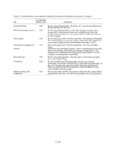
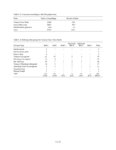
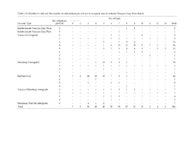
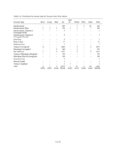
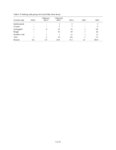
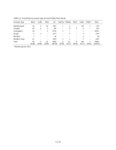
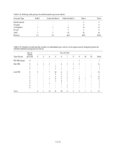
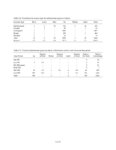
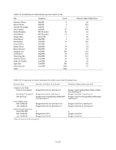
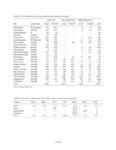
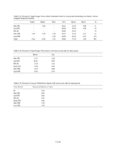
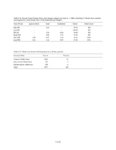
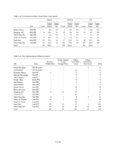
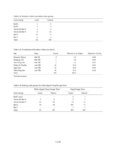
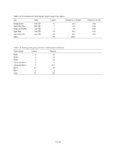
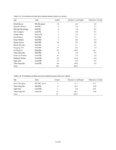
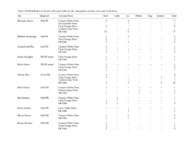
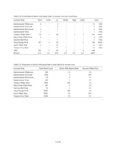
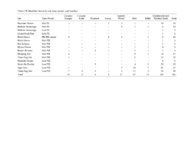
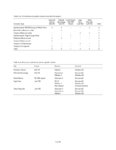
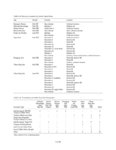
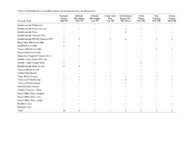
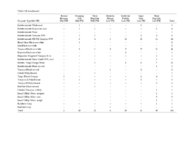
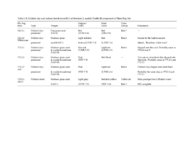
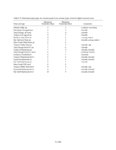
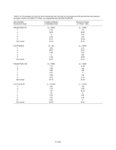
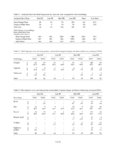
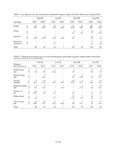
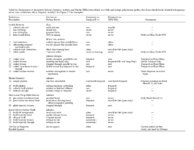
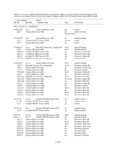
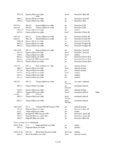
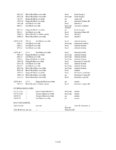
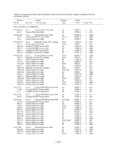
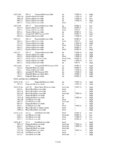
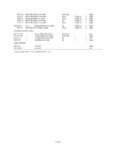
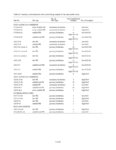
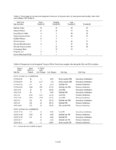
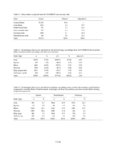
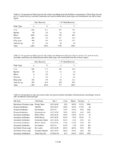
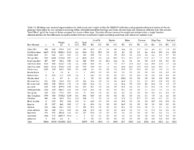
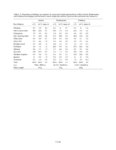
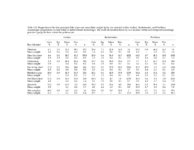
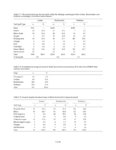
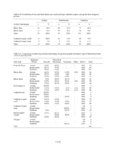
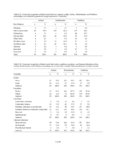
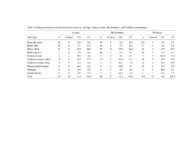
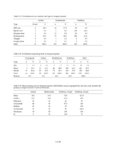
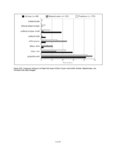
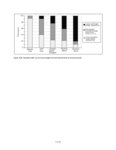
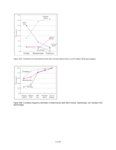
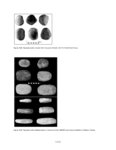
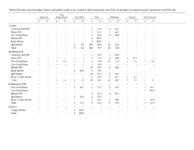
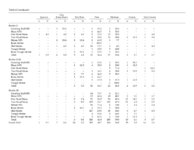
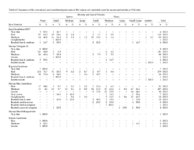
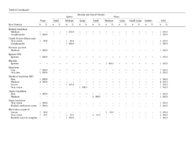
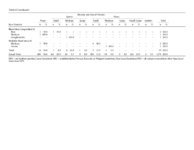
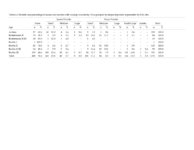
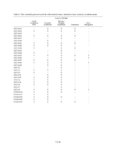
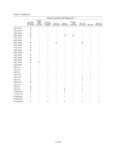
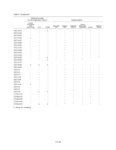
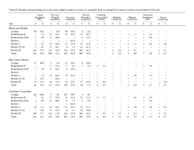
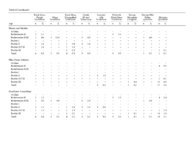
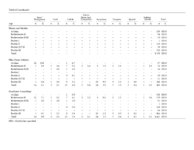
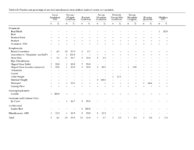
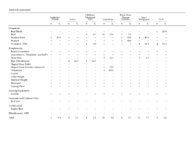
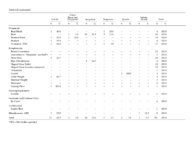
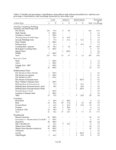
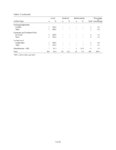
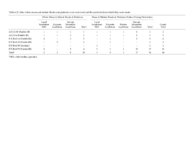
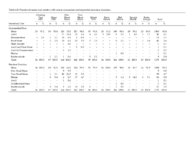
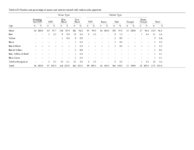
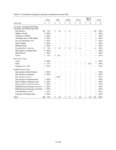
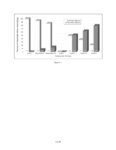
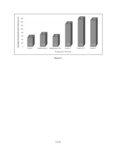
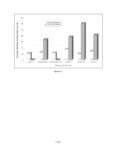
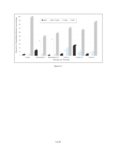
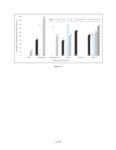
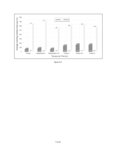
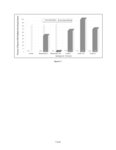
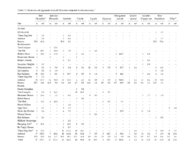
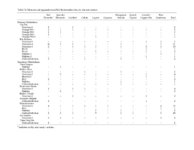
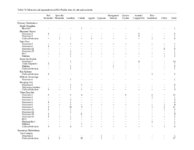
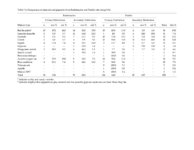
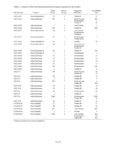
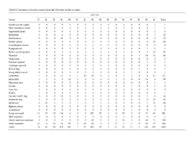
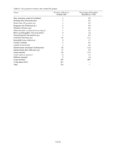
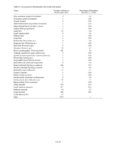
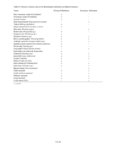
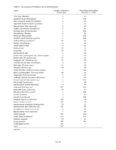
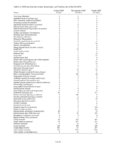
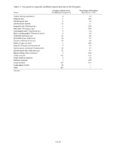
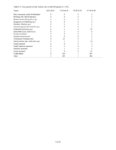
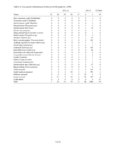
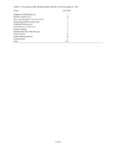
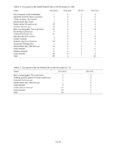
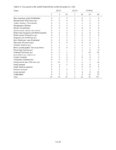
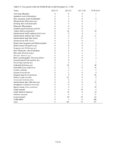
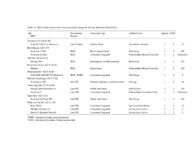
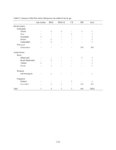
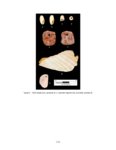
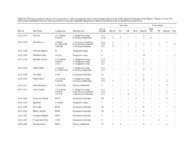
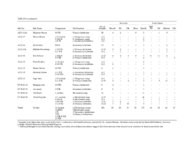
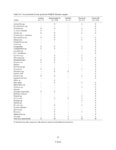
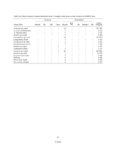
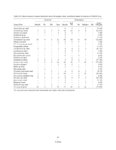
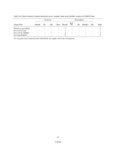
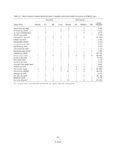
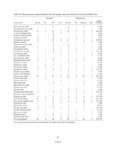
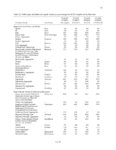
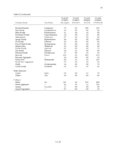
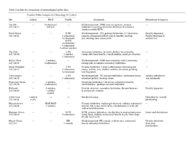
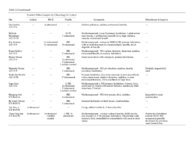
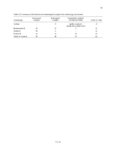
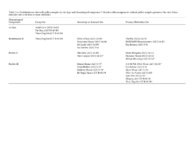
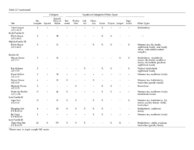
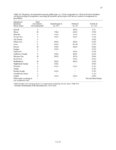
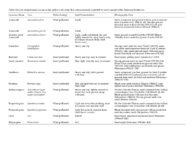
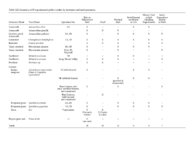
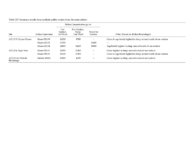
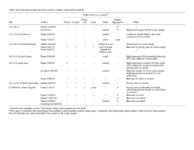
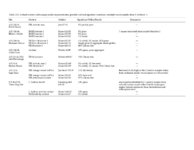
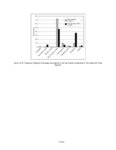
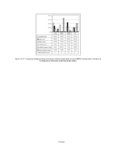
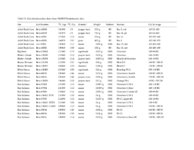
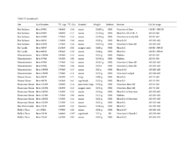
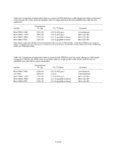
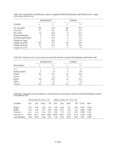
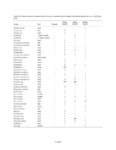
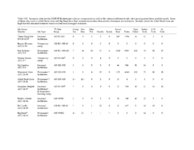
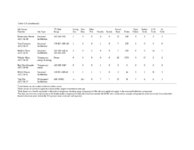
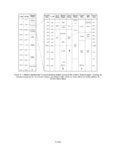
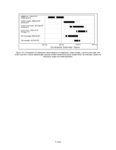
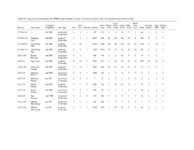
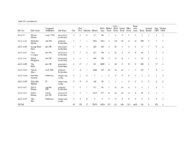
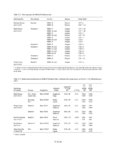
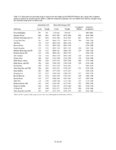
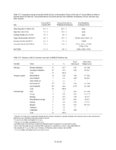
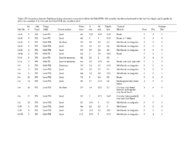
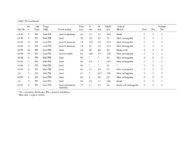
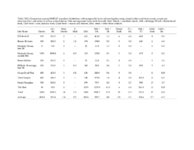
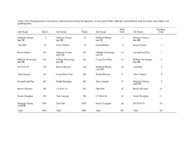
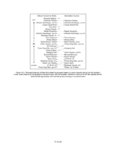
Show 1 Chapter 12 SPECIAL POLLEN STUDIES FROM THE N16 PROJECT: BRIDGING THE INFERENTIAL GAP BETWEEN POLLEN ANALYSIS AND PAST BEHAVIOR Susan J. Smith and Phil R. Geib During the course of the N16 project we designed and completed two special pollen studies. The first study was an investigation of whether pollen washes of seeds and grinding tools capture recognizable signals of plant processing in controlled experiments. In the second special study, we extended the investigation of pollen washes to 49 artifacts recovered from the N16 excavations. We tested artifact washes for any type of unique use-surface pollen representation through comparison to control samples and washes from non-use-surfaces. EXPERIMENTAL POLLEN WASHES OF CORN, SEEDS, AND METATES Artifact pollen washes are supposed to reveal what plant resources were processed with the tools, and indeed pollen is generally recovered from pollen washes. Vorsilla Bohrer (1972:26) demonstrated years ago that pollen was present on edible portions of six out of seven important Southwest food plants, but does pollen persist on seeds through preparation techniques, such as winnowing and parching? If pollen does persist through processing steps, would it become embedded in metate surfaces in enough abundance to be recovered in a pollen wash and recognized by analysts as the processed resource? Does the pollen recovered from artifact washes truly reflect the plants processed in centuries past? To help bridge this inferential gap between artifact pollen assemblages and human behavior, we conducted a series of experiments designed to provide an independent test of the assumption that pollen spectra recovered from metate washes preserve a signal of the processed plant. Seeds from weeds and grass species (Table 12.1) used by Southwest Indians were harvested and processed using a variety of traditional methods-winnowing, parching, and grinding to flour on a metate. The first phase of the study was conducted in a controlled laboratory setting to quantify how much pollen sticks to seeds through the various processing steps without the dilution effects of atmospheric pollen rain. Pollen remaining in the winnowed chaff was also examined from pollen washes of chaff. In the second part of the study, the natural atmospheric pollen rain input to assemblages was tested; seven of the seed taxa were ground outside on metates that had been exposed for several days, before and after grinding. A separate set of experiments was designed to document the level of corn pollen that could be recovered from different parts of corn-the cob (with kernels), different layers of husks (exterior, middle, and interior), corn silks, and shucked kernels. In total, 57 pollen washes were completed for different treatments of the wild seeds and 26 pollen washes were done for the domesticate corn-9 pollen washes of corn kernels and another 17 of corn husks, cobs, and silks (Table 12.2). All of the data are documented in two tables of Appendix C: the raw counts from all of the seed washes and grinding trials are in Table C.3 and data from the corn husk and silk washes appear in Table C.4. The results produced some surprises and insights, but more importantly they emphasize that there is no interpretive substitute for the insights derived from empirical data. Wild Seed Harvesting and Processing Methods Collecting seeds was the first step. We focused on 12 native taxa (see Table 12.1) that were important foods in the Southwest since at least 8000 BC. Seeds were harvested during peak seasons-June for ricegrass and September to October for the other plants. Individual species were harvested in a 50 m radius at single sites primarily by hand-stripping the seed heads. Indian ricegrass was both handstripped and field-burned by torching piles of cut grass, which produced a shower of small, dark seeds. Field burning would have been effective in concentrating seeds from both palmer amaranth and dropseed grass. The mature seeds in these two plants are tightly encased-in the grass by lemma and palea and in the palmer amaranth by stiff, spiny bracts, which made unprotected hands look like V.12.1 |