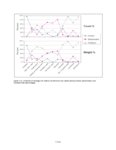
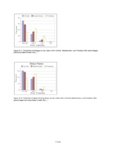
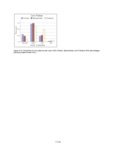
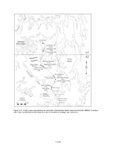
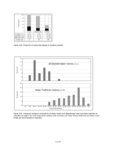
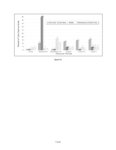
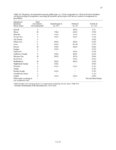
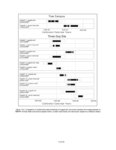
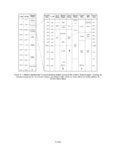
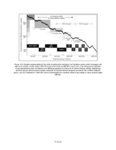
| OCR Text |
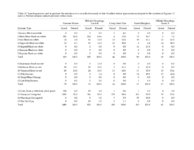
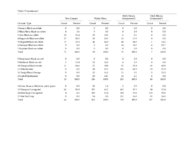
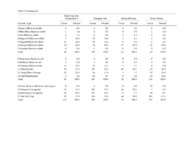
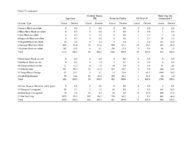
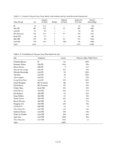
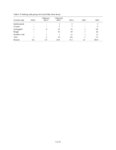
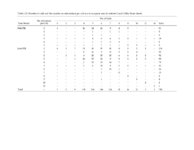
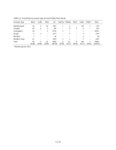
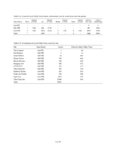
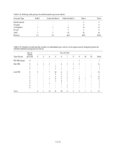
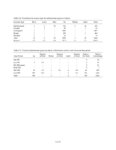
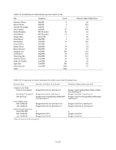
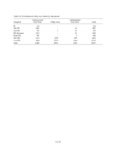
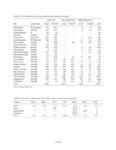
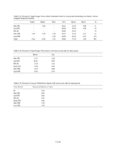
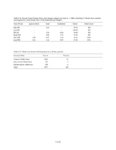
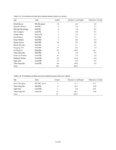
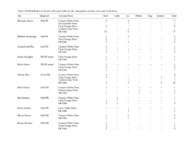
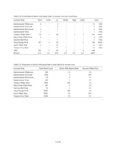
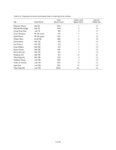
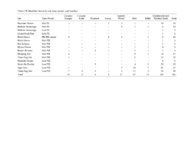
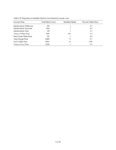
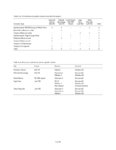
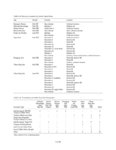
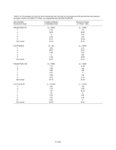
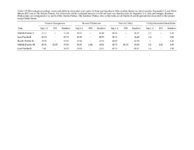
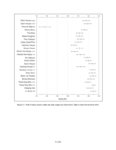
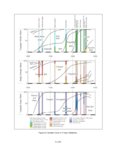
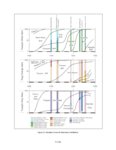
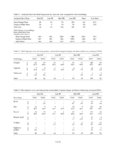
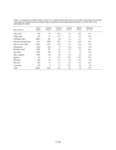
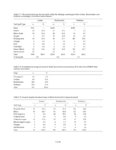
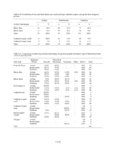
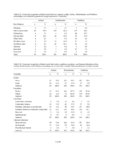
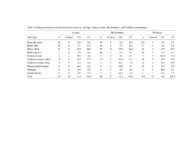
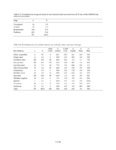
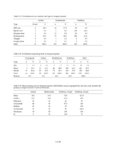
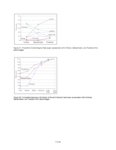
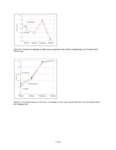
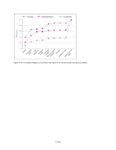
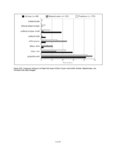
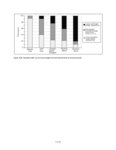
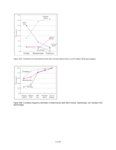
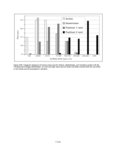
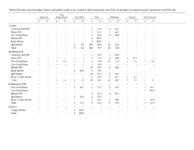
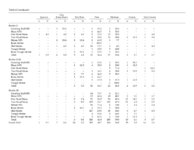
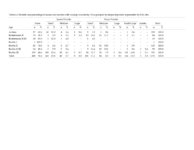
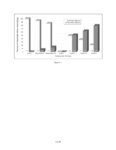
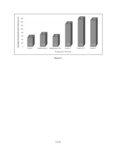
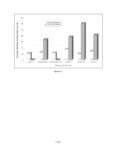
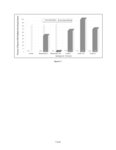
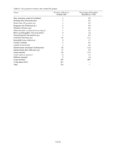
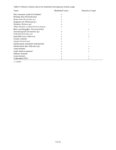
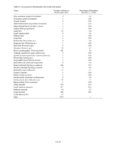
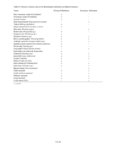
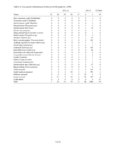
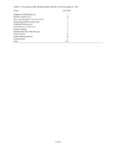
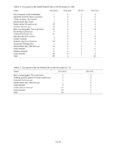
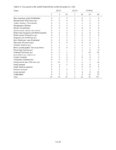
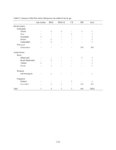
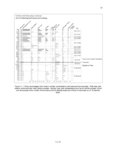
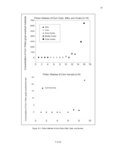
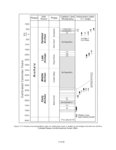
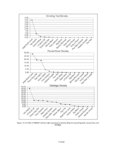
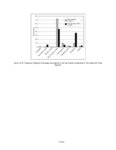
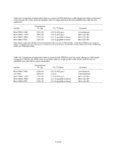
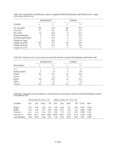
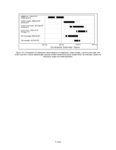
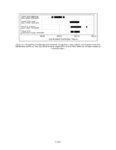
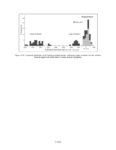
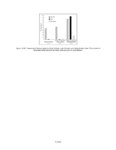
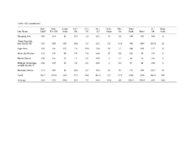
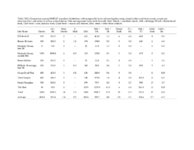
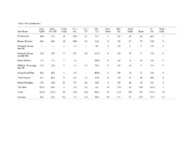
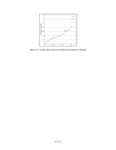
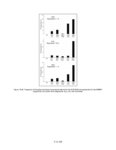
Show mechanical failure of very thin flakes that separate into several pieces during biface and tool manufacture." All broken flakes have distal ends that add to the count of fragments in an assemblage and with biface reduction a broken flake often results in more fragments such as a medial piece. Obviously the data presented here do not reveal the overall profile of debitage condition types for these various reduction activities. Bipolar reduction, for example, results in large quantities of shatter and fragments relative to whole and broken flakes (e.g., Kuijt et al. 1995: Table 2, Figure 4). From his experiments, Magne (1985:104-106) concluded that bipolar reduction produces lots of shatter (which in his study included fragments as well an non-orientable pieces) relative to platform-bearing flakes, on the order of 10:1. The reduction experiments of Kuijt et al. gave results of 7:1 for fragments plus shatter relative to whole plus broken flakes (excluding split flakes). It is therefore expectable that the 604 platform-bearing bipolar flakes identified in the NMRAP debitage collections represent on the order of 4000-6000 fragments and shatter, with about equal amounts of both. It is interesting that Kuijt et al.'s experiments produced nearly no broken flakes relative to whole flakes, so the less than 10 percent broken bipolar flakes identified in the NMRAP data set fits the expected pattern for bipolar reduction. If a flake can be identified as bipolar it is more often than not whole and rarely just a proximal piece. Figure 5.9 is a composite graph that plots the proportions of both technological types and condition types within the debitage assemblage for each temporal period. The technological types are shown as a standard bar graph with the condition types as a line graph. The technological types have been reduced to the four principal reduction activities identified in the NMRAP collection. This combination plot facilitates appreciation of the relationships among condition categories and technological types for each period, which are characterized by pronounced changes in reduction behavior as discussed earlier. The patterns are quite obvious and, given prior discussion, should need little explication. Characterized by high proportions of percussion biface and pressure flakes, the Archaic assemblage has a high proportion of flake fragments and nearly equal proportions of whole and broken flakes. Across the assemblages of all three periods, the Archaic has the highest incidence of broken and fragmented flakes, and the lowest incidence of whole flakes and shatter. At the other end, the Puebloan assemblage is characterized by the highest incidence of simple core reduction flakes and bipolar flakes and the lowest proportion of biface and pressure flakes. The Basketmaker assemblage is intermediate on this graph because of temporal placement, but it would be intermediate based on the data alone, as is obvious from Figure 5.9. There are nearly uniform decreases in broken flakes and fragments with corresponding increases in whole flakes and shatter at the same time that core flakes make a huge up-swing in assemblage proportion at the expense of pressure and biface flakes. Although this presentation gives some support for Sullivan and Rozen's (1985) argument and condition categories do clearly separate the assemblages from the three temporal periods, we would not want to be in a position of having to interpret condition categories alone. They have meaning in this case because of having recorded technological flake type. Indeed, even in Sullivan and Rozen's presentation, the technological meaning of the groups created by clustering site assemblages according to relative frequencies of debitage condition categories only comes through by recourse to other variables such as percent faceted and lipped platforms, flake thickness, and percent cortex (1985:762-766). Many factors can reduce any simple patterning between reduction strategies and debitage condition (see review in Prentiss 1998:637). Among these are raw material texture, size, shape, cortex type and internal flaws, reduction tool size, weight, and material, and flintknapper skill or care. Other sources of variability that can affect debitage condition include post-depositional processes (Rozen and Sullivan 1989a:171) such as trampling (Prentiss and Romanski 1989:94-96) and occupational and organizational variability (Sullivan 1987:42). Applying debitage condition typologies to archaeological assemblages must be done with full cognizance of factors that can confuse technological interpretation. We readily acknowledge that the above discussion does not circumvented the central aspect of Amick and Mauldin's critique of Sullivan and Rozen-that there is no independent frame of reference to serve as arbiter of accuracy. By using a technological flake typology we were able to present a far more detailed interpretation of reduction behavior among three broad temporal intervals than ever could have been possible with the Sullivan and Rozen typology, but is it any more valid? Our counter is that the technological typology that we use derives from numerous experimental studies and experiential episodes with flaked stone reduction, both our own and those of many modern flintknappers. As such, the typology has some degree of validity if not replicability when it comes to making technological inferences. Moreover we make no claim that each and every flake is correctly identified; what is important is to treat the results as assemblage-based characterizations. When one is comparing assemblages based on thousands of items there is reason to have confidence that the patterning is telling us something about past reduction behavior and changes therein through time. V.5.20 |