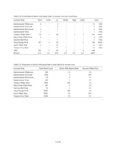
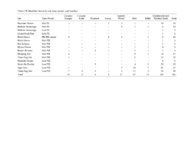
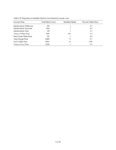
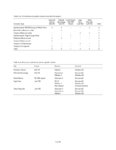
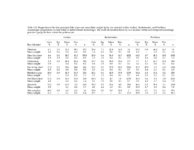
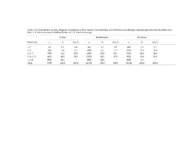
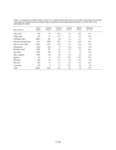
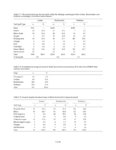
| OCR Text |
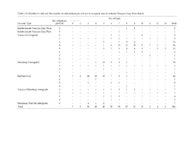
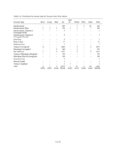
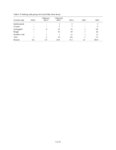
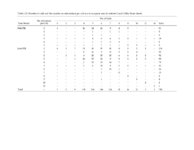
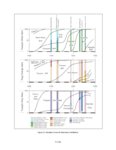
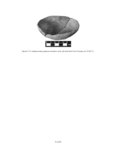
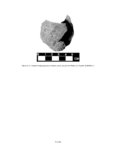
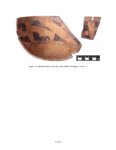
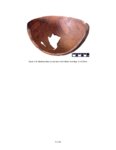
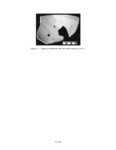
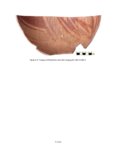
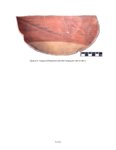
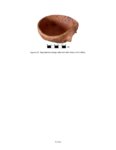
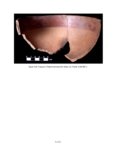
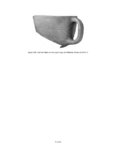
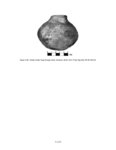
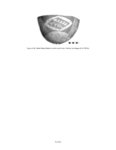
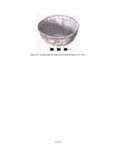
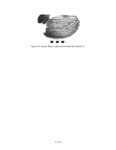
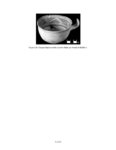
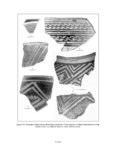
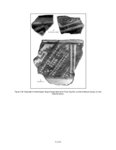
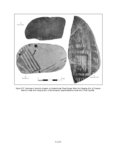
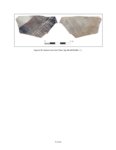
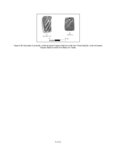
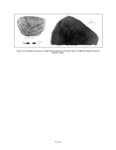
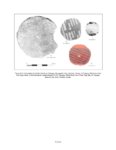
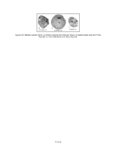
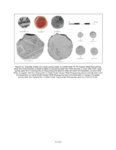
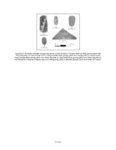
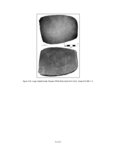
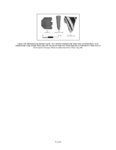
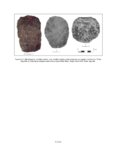
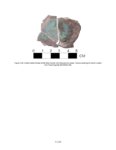
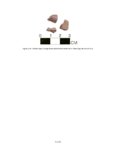
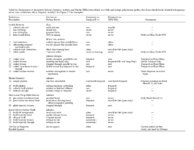
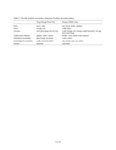
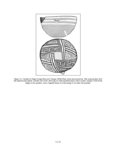
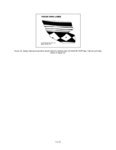
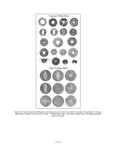
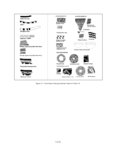
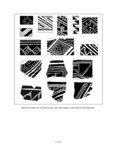
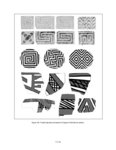
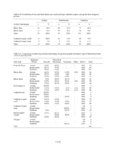
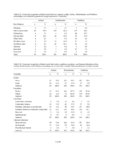
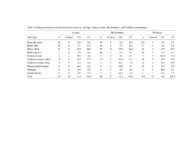
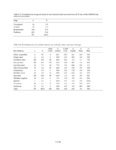
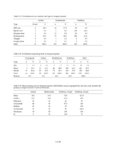
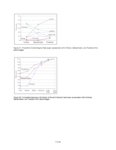
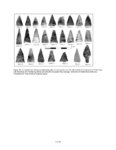
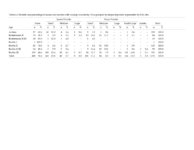
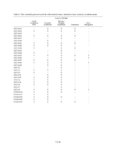
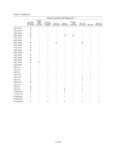
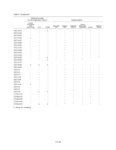
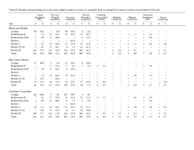
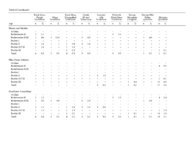
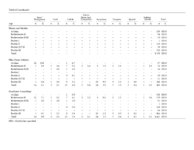
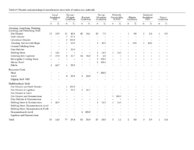
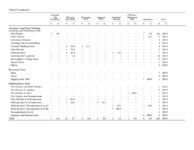
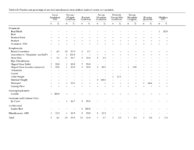
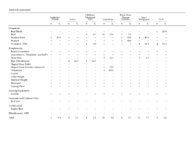
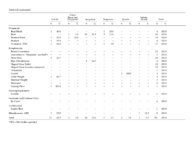
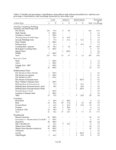
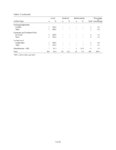
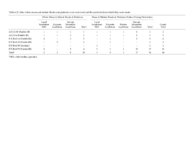
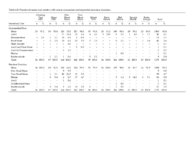
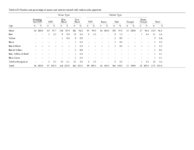
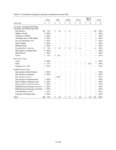
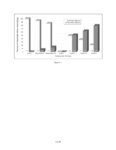
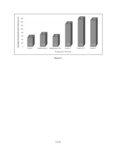
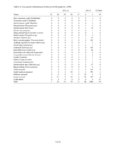
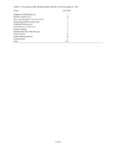
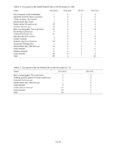
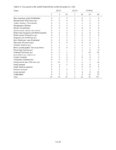
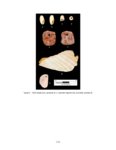
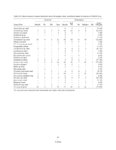
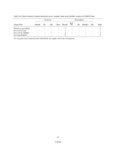
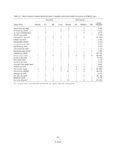
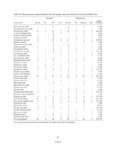
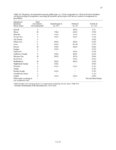
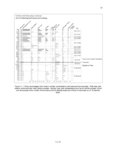
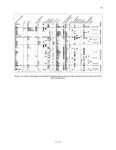
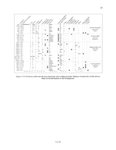
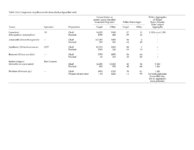
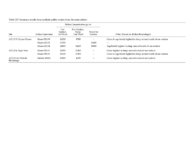
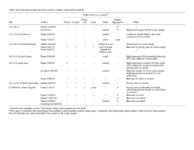
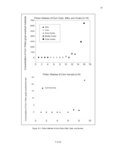
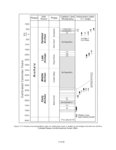
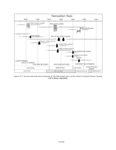
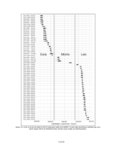
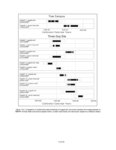
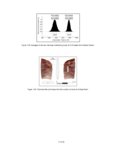
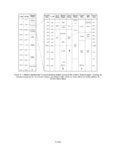
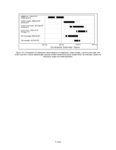
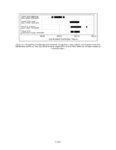
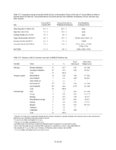
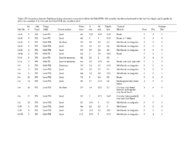
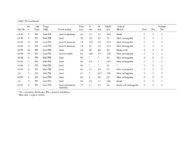
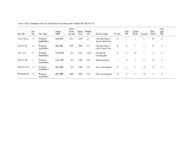
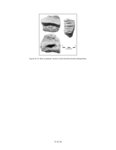
Show Finally, and most important, redware can be produced by selecting iron-rich clays, then firing pottery in an oxidizing atmosphere. When potters and ceramic analysts talk about redware, this is usually what they mean, and this is what we mean here when we say that redware comprises about 20 percent of the N16 ceramic assemblage. Potters in southeastern Utah north of the San Juan River used this recipe to produce early San Juan Red Ware types such as Abajo Red-on-orange, decorated with red paint, and Bluff Black-on-red, decorated with a manganese-based black paint. Potters later added a red slip for a more even and intense red color, producing Deadmans Black-on-red (also known as La Plata Black-on-red). Deadmans Black-onred was traded into the Kayenta Anasazi area for a few centuries before local potters learned to produce their own redware pottery in the AD 1000s. In the N16 project area, San Juan Red Ware is rare, principally because most sites in the N16 ROW postdate the production of this ware: fewer than 30 sherds at Hillside Hermitage, four sherds at Hammer House, in deposits dating primarily to the middle Pueblo II period, and one probably intrusive sherd at Hanging Ash (intrusive to the Pueblo III component from the Pueblo II component upslope). Tsegi Orange Ware types comprise the vast majority of redware pottery in the N16 project area (just over 10,400 sherds). This ware was produced somewhere in the Kayenta region and some, perhaps quite a lot, was probably produced in or near the project area. Potters selected relatively iron-rich clays that fire to a fairly uniform orange color when oxidized, but pink and red also appear. An unfired specimen from Three Dog Site suggests that the original clay color was pinkish. When only partially oxidized, Tsegi Orange Ware tends to fire brown, and some sherds are partially reduced to dark gray and even greenish. Red slips and paints were obtained from bright yellow limonitic/goethite clays that fire bright red in an oxidizing atmosphere (see Chapter 5 of Volume I, Figures 5.6 and 5.7). Black paint appears to be an ironmanganese mix, and white paint is probably iron-free kaolin clay. Kayenta area potters lacked the source of crushed andesite rock temper used by their northern neighbors, and instead used crushed potsherds (primarily whiteware) as temper. The earliest Tsegi Orange Ware type, Medicine Black-on-red, mimics the style of Deadmans Black-on-red, from its all-over red slip to its black designs dominated by rows of elongated triangles and parallel thin lines. Later potters shifted from copying San Juan Red Ware to using the Dogoszhi style, which appears earlier in whiteware pottery in many regions, perhaps earliest in the Chaco Canyon area. Hatched elements do appear in the N16 study area on a small number of Black Mesa Black-on-white and Medicine Black-on-red sherds, however, suggesting a possible local evolution of the Dogoszhi style. Only in the 1100s did Tsegi Orange Ware potters develop a distinct style, not shared in any other region. Citadel and Cameron Polychromes and the later Tusayan Polychrome use the natural orange of the fired paste as a background color, and restrict use of red paint to broad ribbons outlined in black on bowl interiors and jar exteriors. Polychrome bowl exteriors began as fully slipped red in the AD 1000s, then partly red and partly orange in the 1100s. By the 1200s, exteriors usually had one or more red stripes or simple designs. Increased diversity in Tsegi Orange Ware styles and technology in the middle to late 1200s included the return of all-over red slip on Kiet Siel Black-on-red and Polychrome bowl interiors (exteriors remained unslipped or partly slipped), the introduction of white outlining on Kiet Siel and Kayenta Polychromes, and a number of undecorated and minimally decorated types-Tsegi Orange, Tsegi Blackon-orange, and Tsegi Polychrome. The range of colors and tempering materials increased over time. Virtually all sand, sandstone, and igneous rock-tempered Tsegi Orange Ware in the N16 assemblage dates to the middle to late Pueblo III periods. Vessel function may have diversified as well-an increased proportion of orangeware bowls exhibit exterior soot and spalling, suggesting use over a fire or hot coals. Beals et al. (1945) noted a similar pattern in the Tsegi Canyon area, where orangeware frequencies increased relative to grayware in the Pueblo III period, and sooted orangeware became frequent. Classification and Chronology Descriptions and production dates provided by Colton (1956) and Ambler (1985b) were the primary sources for Tsegi Orange Ware classification. Additional information provided by Christenson (1994), Mills et al. (1993), and Schroedl and Blinman (1989) was also incorporated. This ware was manufactured during the Pueblo II and Pueblo III periods in the Kayenta region, and Colton (1956) believed it to be a continuation of the San Juan Red Ware tradition. Tsegi Orange Ware is characterized by orange paste with sherd temper that appears as light-colored angular fragments, often mixed with sand. Carbon streaks are frequent. Bichrome design styles involve applying an iron-manganese paint over a surface slipped with limonite-rich (likely goethite) clay that turns bright red in oxidized firing. The mineral paint can range in color from gray to black to brown. V.2.28 |