| OCR Text |
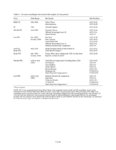
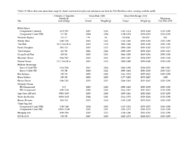
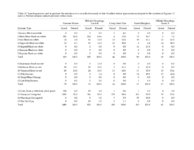
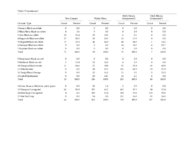
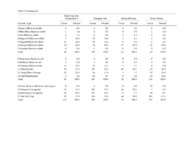
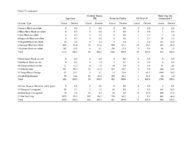
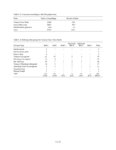
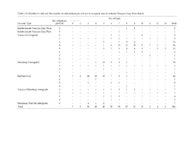
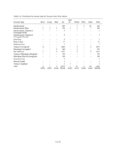
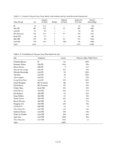
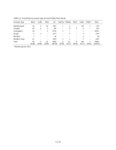
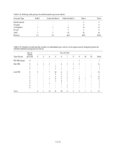
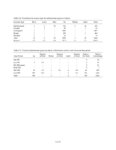
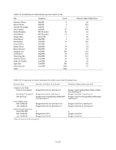
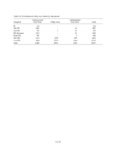
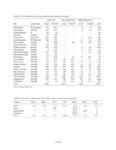
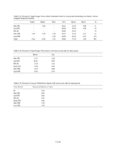
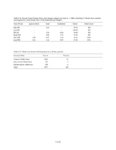
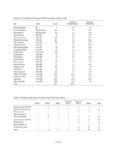
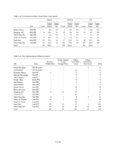
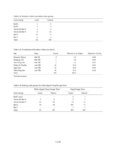
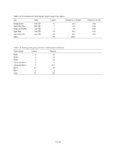
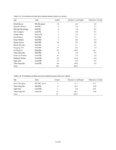
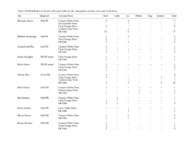
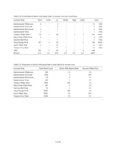
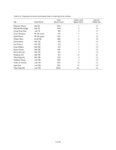
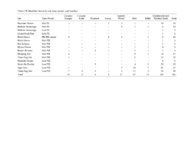
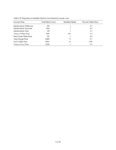
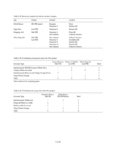
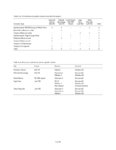
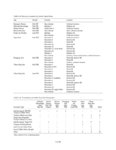
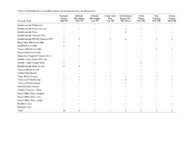
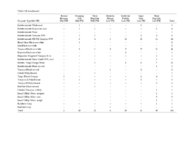
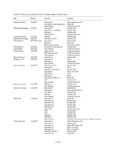
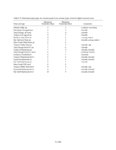
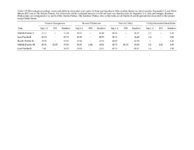
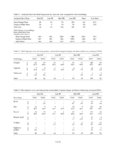
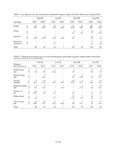
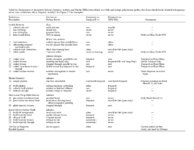
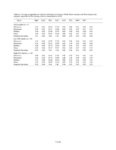
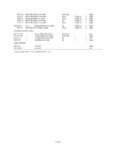
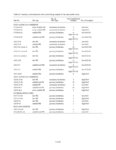
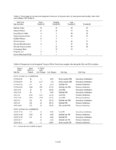
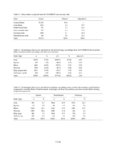
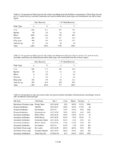
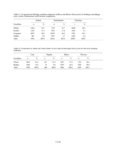
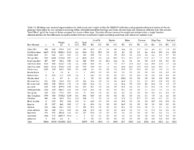
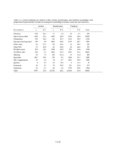
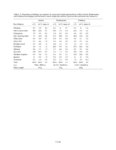
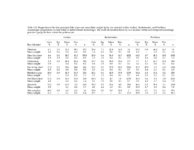
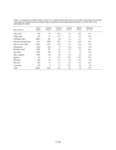
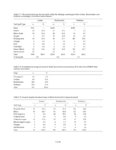
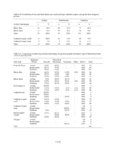
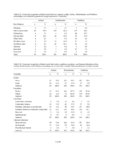
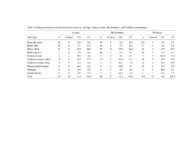
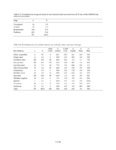
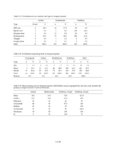
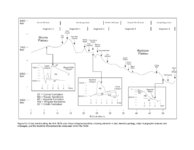
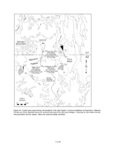
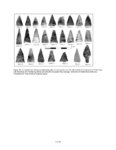
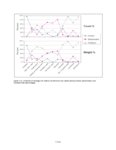
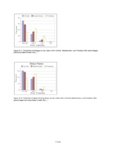
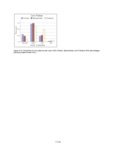
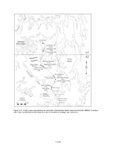
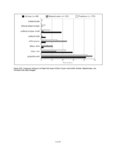
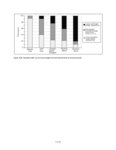
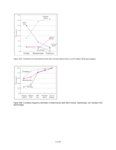
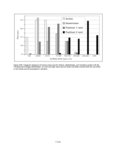
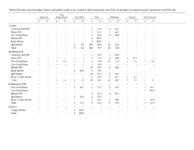
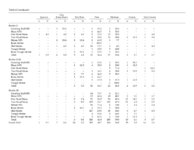
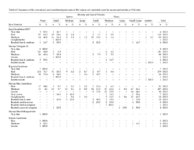
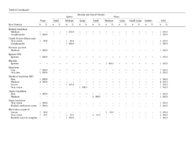
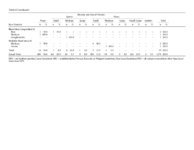
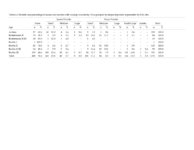
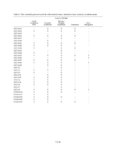
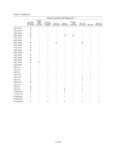
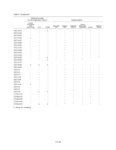
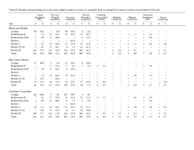
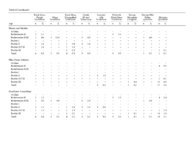
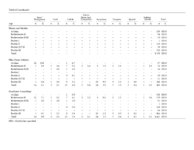
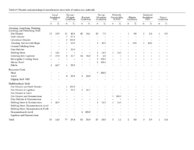
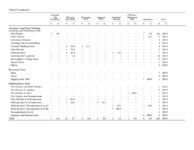
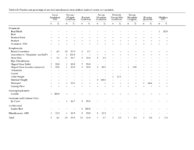
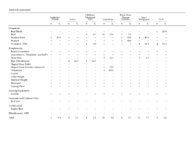
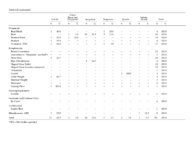
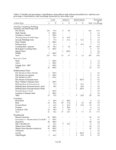
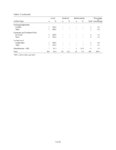
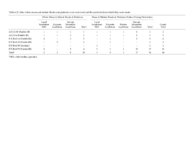
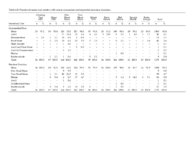
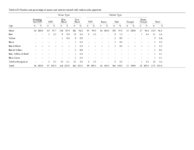
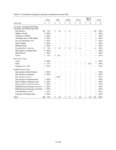
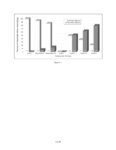
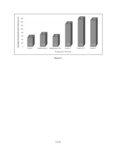
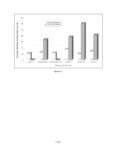
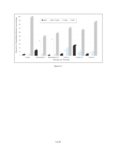
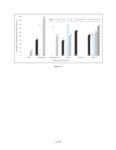
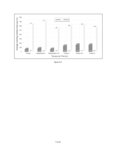
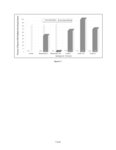
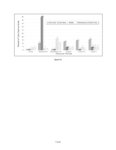
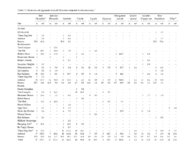
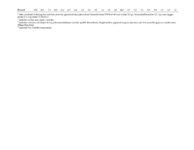
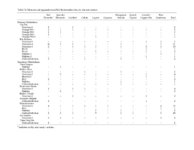
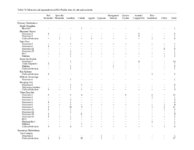
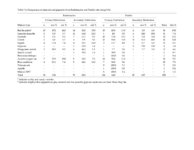
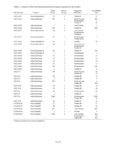
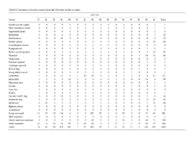
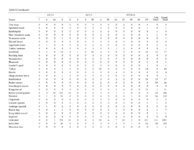
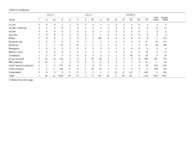
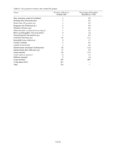
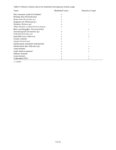
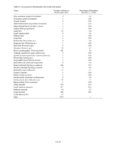
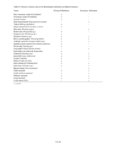
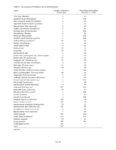
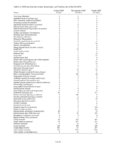
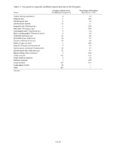
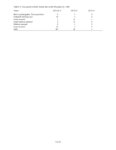
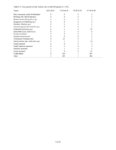
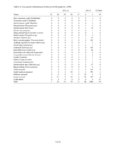
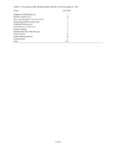
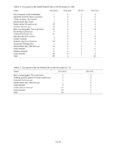
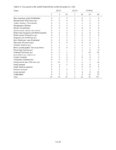
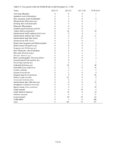
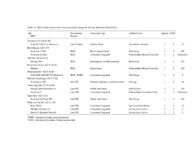
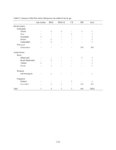
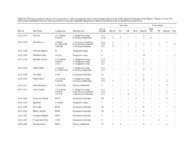
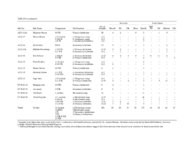
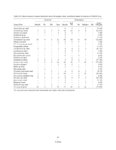
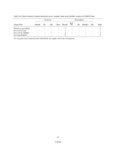
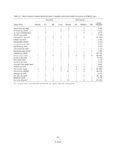
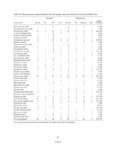
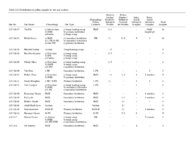
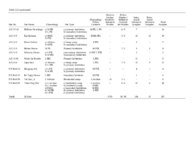
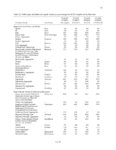
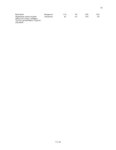
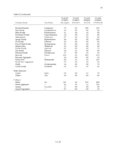
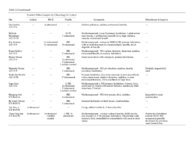
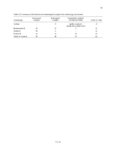
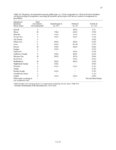
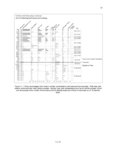
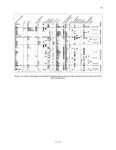
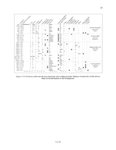
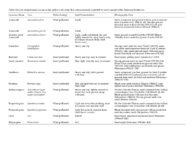
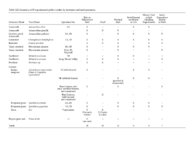
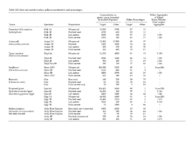
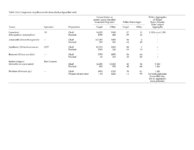
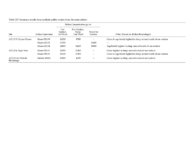
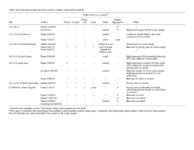
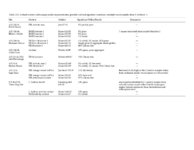
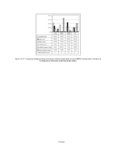
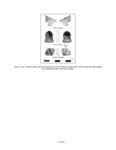
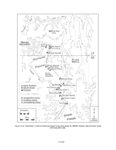
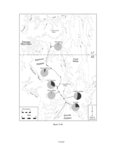
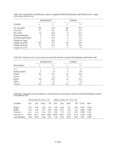
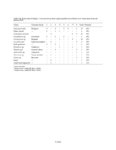
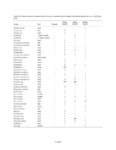
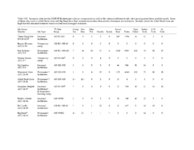
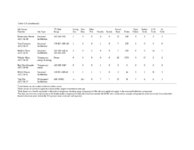
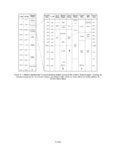
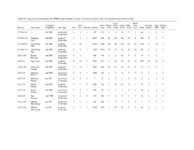
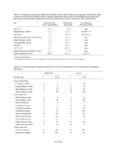
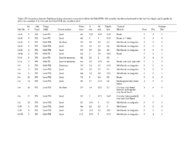
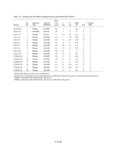
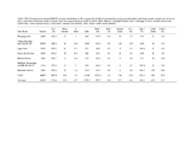
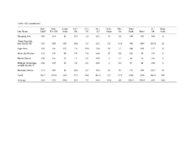
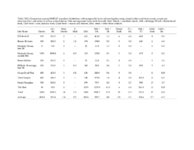
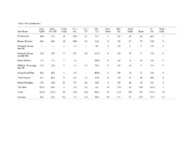
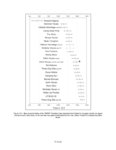
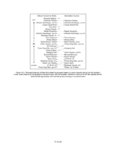
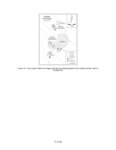
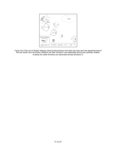
Show geographical scale far exceeding the size of the project area, especially over the span of several consecutive years. As many have observed, and Ford (1984:129) stated emphatically, "calories were a limiting factor for hunters and gatherers in the pre-maize Southwest. Plant foods were not sufficiently abundant in any one location to support large populations or even the annual return of small bands." But if this is true for the N16 project area, which is admittedly quite ecologically diverse, given the close proximity of the Glen Canyon lowlands and Navajo Mountain, then it would be even more true for the relatively uniform expanses to the south, such as the Kaibito Plateau and Painted Desert. As such, the area traversed by the NMRAP may have included more than a single forager settlement system. Indeed, given the broken geography that separates the Shonto and Rainbow Plateaus, it might be reasonable to postulate that this broken ridge line could have served as one of those obvious physical markers of different territories (it works this way today for the Inscription House and Navajo Mountain communities). If the NMRAP study area includes components of different subsistence-settlement systems, then the interpretation of the remains is vastly different than if the various synchronous sites are all part of one system. But how can we know this? Raw material use provides one means, especially obsidian because it comes from point-specific sources far away from the project area and artifacts can be chemically assigned to those sources. In an informative study, Shackley (1990) used geochemical sourcing of obsidian to reconstruct the procurement ranges of middle and late Archaic groups in southern Arizona (cf. Ingbar 1993). The interest here is slightly different in that I start with the lithic assemblages from the sites of one relatively small area to see if the nature of the raw materials represented makes sense with regard to being part of a single settlement system or parts of more than one. One critical assumption for Shackley's interpretations is direct procurement of obsidian embedded within subsistence-related tasks. Under the same assumption and also using obsidian and the visually distinctive Washington Pass (Chuska) chert, Vierra (1994:124-131) used source distance to calculate the potential size of annual foraging ranges for Archaic foragers in the San Juan Basin of New Mexico. When obsidian proportions are low, the assumption of direct procurement is questionable, since casual exchange could have been the means for obsidian movement. For example, Brown (1988:315) has attributed the small quantities of obsidian from two Archaic sites on the Kaibab Plateau (0.1% of the debitage at AZ B:8:7 and 1.1% at AZ B:12:2) as resulting from casual exchange relationships rather than direct procurement. An important part of his interpretation is the diversity of sources represented at the two sites, with obsidian derived from both Utah and northern Arizona. More will be said about the inference of procurement strategies later, but first we will look at what raw materials Archaic foragers used in the project area. Obsidian at NMRAP Sites Table 13.14 shows the major raw material types represented at the NMRAP Archaic sites; some minor resources are lumped together as "other." The incidence of obsidian is clearly quite variable, ranging from none at several sites to more than 50 percent at Hólahéi Scatter, with two other sites having proportions above 20 percent. The extraordinary proportion of obsidian flakes at Hólahéi Scatter is the highest for any site investigated within the Kayenta region. The one site with a somewhat similar proportion of obsidian is Ariz. D:11:3063, an early Archaic limited activity site on northeastern Black Mesa radiocarbon dated to around 8100-7800 BP (Lebo and MacMinn 1984). At that site 40 percent of the flakes (68 of 169) were obsidian (Parry 1987b: Table 6-A-25)-this material is misidentified as "burnout" in the site report (Lebo and MacMinn 1984:341)-and there were two projectile points and two bifaces of obsidian. Because only 1/4" mesh was used to screen site sediments, the number of obsidian flakes at Ariz. D:11:3063 may have been considerably higher, with a proportion perhaps even greater than for Hólahéi Scatter. For example, if NNAD excavators had not used 1/8" mesh at Hólahéi Scatter, 35 percent of the obsidian flakes would have been left in the backdirt; of the 268 total flakes that would have been lost (all flakes less than 1/4" in size), 61 percent are obsidian. Although obsidian might be well represented at some sites, it generally occurs in relatively small size such that it accounts for just a tiny fraction of any assemblage by weight representation. For example, at Hólahéi Scatter the representation of obsidian declines from 54 percent by count to only 7 percent by weight. The small size of the obsidian debris at all sites is readily apparent by the mean weight of obsidian flakes presented in the bottom row of Table 13.15, where values range from less than a tenth of a gram to just over one gram. The sites with the largest average obsidian flakes are Windy Mesa and Dune Hollow, but this is only because these sites have next to no obsidian (two pieces at the former, one at the latter) and in both cases the large obsidian flakes are likely to have been brought to the sites for use as is rather than resulting from on-site reduction. The minuteness of the obsidian debitage results from both V.13.44 |