| OCR Text |
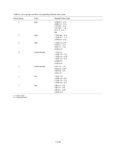
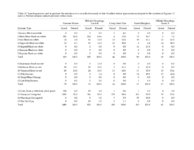
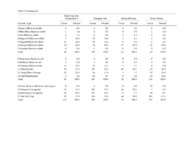
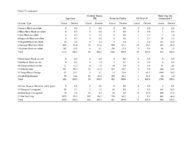
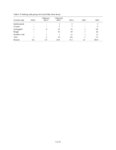
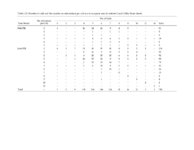
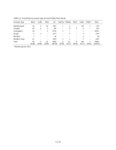
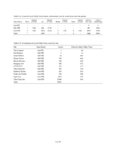
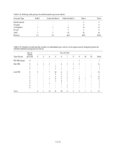
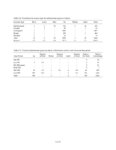
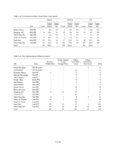
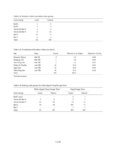
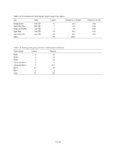
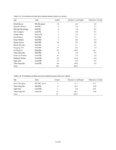
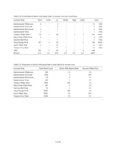
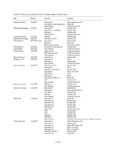
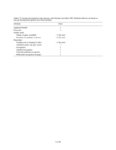
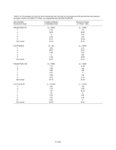
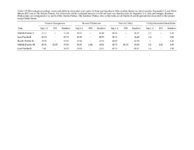
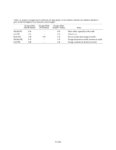
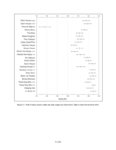
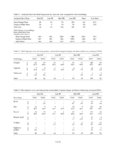
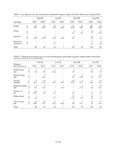
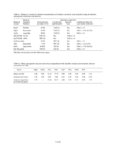
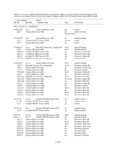
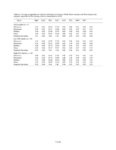
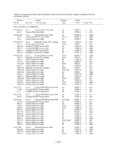
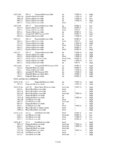
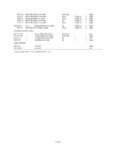
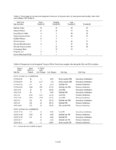
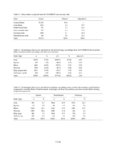
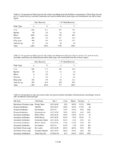
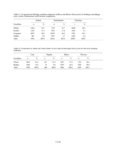
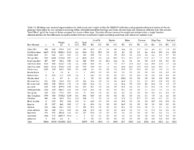
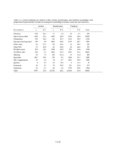
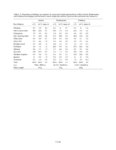
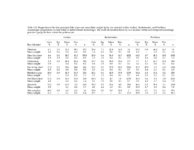
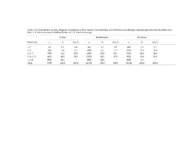
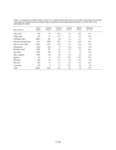
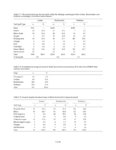
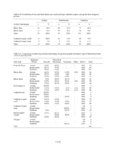
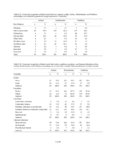
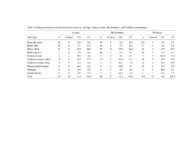
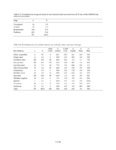
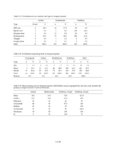
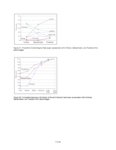
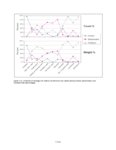
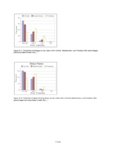
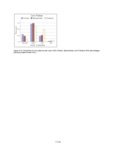
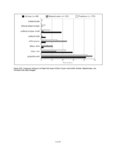
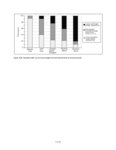
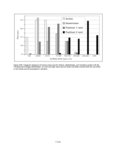
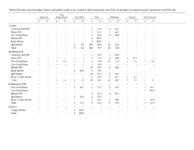
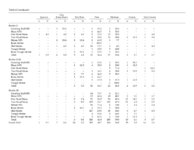
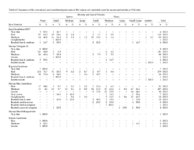
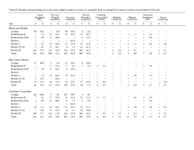
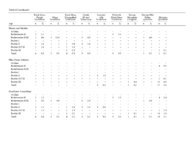
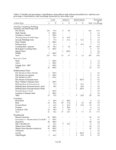
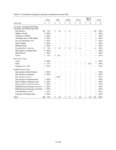
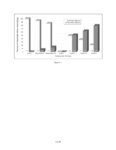
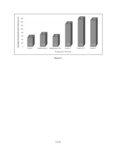
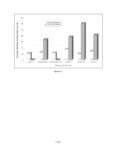
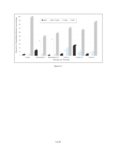
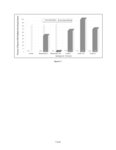
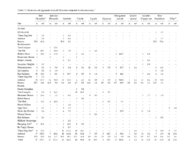
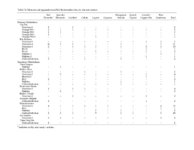
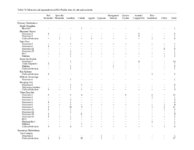
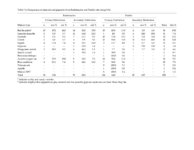
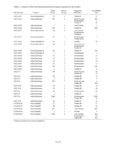
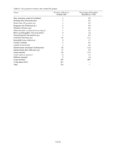
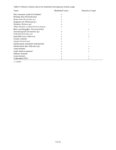
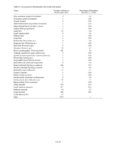
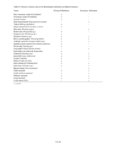
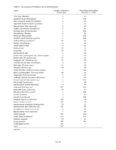
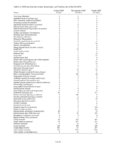
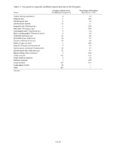
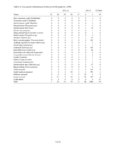
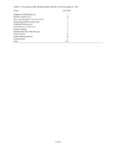
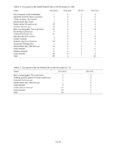
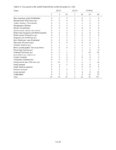
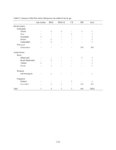
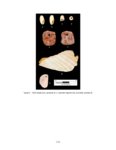
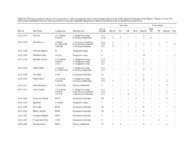
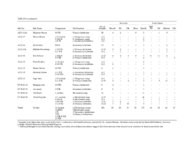
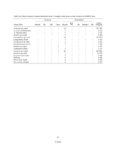
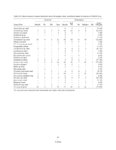
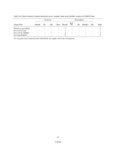
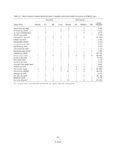
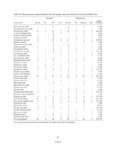
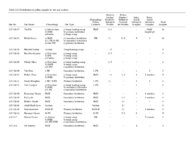
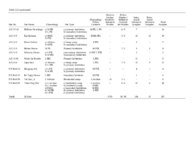
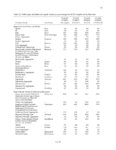
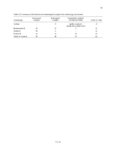
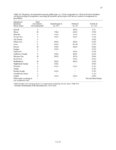
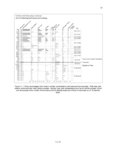
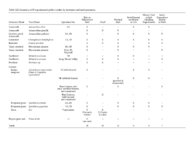
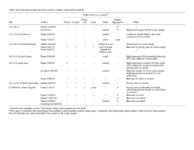
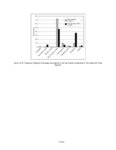
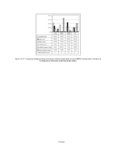
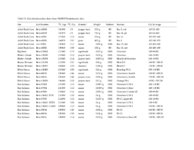
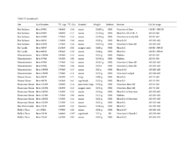
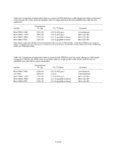
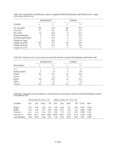
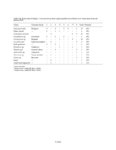
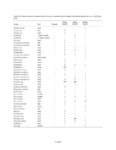
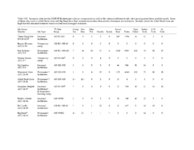
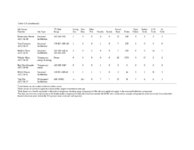
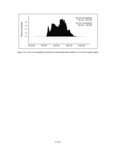
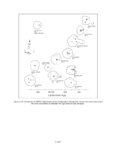
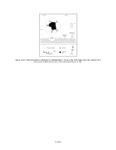
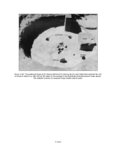
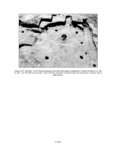
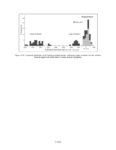
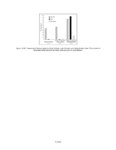
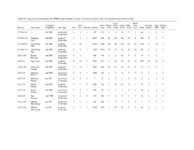
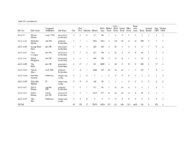
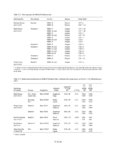
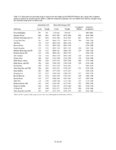
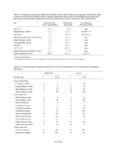
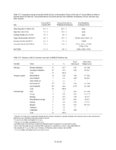
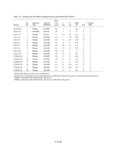
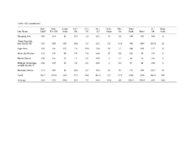
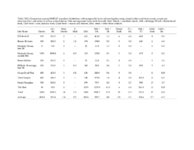
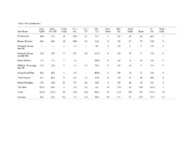
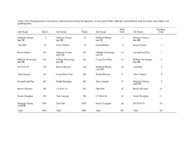
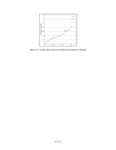
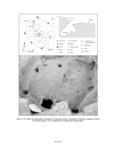
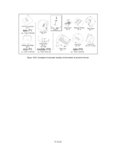
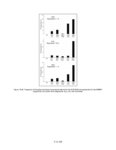
Show In summary, many N16 grinding tools exhibited use-wear from concomitant secondary uses, some had sequential secondary uses, and a few tools had both types of secondary use. The sequential use of grinding tools suggests that abandoned or broken tools served as raw material for the production of new tools. Several behaviors may account for the presence of redesigned and recycled tools. At N16 sites the most likely causes were lengthy site occupations, reoccupation of abandoned sites, and moving broken or worn tools from primary residences to seasonal residences. Metates were the tools most often reworked into new grinding tools whereas one-hand manos were the tools most often manufactured from other grinding tools. One-fourth of the one-hand manos also served concomitant secondary functions. Concomitant secondary uses for grinding tools included use as anvils, paint processing tools, and to a lesser extent, hammerstones. Some miscellaneous grinding tools served several concomitant abrading functions. Aside from the pigment samples themselves, pigment-stained grinding tools provided some of the only evidence of paint pigment processing and use at the N16 sites. Anvils and Secondary Anvil Use Sixty-one items recovered from the N16 sites were identified as having been used as anvils (excluding tools classified as rectangular crushing stones). Fifty-one (83.6%) of these artifacts had primary functions as manos and metates (see Table 6.13), and their use as anvils was a concomitant secondary use. One item was an anvil that had been redesigned into a one-hand mano, and the other nine objects with anvil use-wear were miscellaneous stone tools. One of these was an anvil made from a metate fragment, and for four others the anvil use was a concomitant secondary function. Four anvils had no prior functions or secondary use of any kind (see Table 6.14). Figure 6.8 summarizes the percentages of manos, metates, and miscellaneous grinding tools that also functioned as anvils at some point in their use-life. Observations that anvils usually served more than one function have been made in other parts of the Kayenta region. At sites along N21 between Tonelea (also known as Red Lake) and Kaibito, the occurrence of anvil use-wear on groundstone was very similar to that reported here (Deats 2004). At BMAP sites on northern Black Mesa, anvil pitting usually occurred on manos, metates, or small grinding slabs (Christenson 1987:61). Likewise, anvils recovered from the northwest Shonto Plateau during the first two segments of the N16 project were usually multifunctional tools (Tratebas and Schroedl 1989:641). A number of reasons may explain why anvil use was usually not a tool's only function. The tool's owner might have wanted to increase the range of possible activities that could be undertaken without increasing the number of tools. This may have been done to conserve raw material, or simply to reduce the number of tools needing to be made or curated. The most likely explanation, however, is that anvil use was a matter of expediency. When an anvil was needed the most readily available stone was probably used. If the nearest usable stone happened to be a tool that could still be used, it would only need to be positioned in such a way that the resultant anvil pitting would not interfere with the tool's primary function. Analysis of the N16 manos revealed that anvil pitting was often strategically located to avoid affecting grinding surfaces. Although anvil pitting did occur on mano grinding use surfaces, it was more often located on faces or edges not used for grinding. The behavior of positioning anvil wear to avoid destroying the grinding effectiveness of the tools suggests that the people using the tools as anvils were the tools' owners or at least they used the manos and metates in their primary food-grinding roles. Because manos and metates were usually used by women it seems reasonable to assume that women also carried out the activities that produced the anvil pitting. Although a variety of processes could produce light battering, Christenson (1987:61) maintains that bipolar flaking was probably the only activity that produced pitting on tools classified as anvils. Similarly, in their discussion of anvils from N16 Segment 1 and 2 sites, Tratebas and Schroedl (1989:61) implied that only bipolar flaking caused anvil pitting. Although much anvil pitting probably resulted from using the tools as either the bottom or top part of a hammer and anvil set for bipolar flaking, it is doubtful that this was the sole activity that produced anvil use-wear. This contention is supported by the presence of anvils on N16 sites with little evidence of bipolar flaking. Nevertheless, even if bipolar flaking was only one of several processes producing anvil pitting, it appears that women were the main employers of bipolar stone flaking technology (see Chapter 5). One-hand manos were used more often for anvils than either two-hand manos or all the various types of metates put together. More than 11.6 percent of one-hand manos collected from the N16 sites exhibit concomitant secondary anvil use, compared to 3.9 percent of the two-hand manos, and only 3.4 percent of metates had anvil use-wear. When metate fragments that could not be identified to type are not considered, the anvil-use rate for metates drops to only 3.2 percent. Table 16.13 shows that basin metates had a higher frequency of anvil use than one-hand manos; however, as with some other aspects V.6.27 |