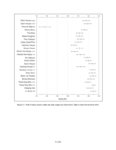
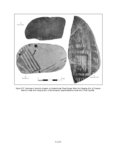
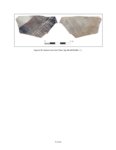
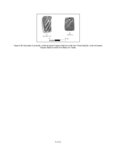
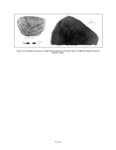
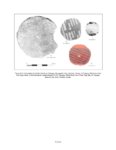
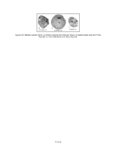
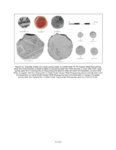
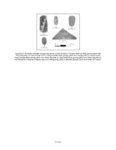
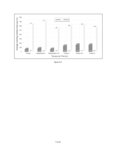
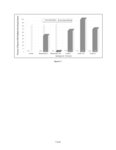
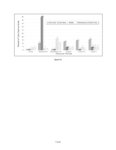
| OCR Text |
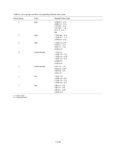
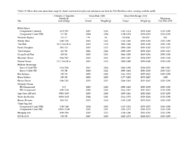
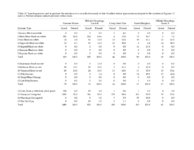
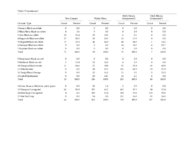
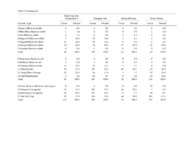
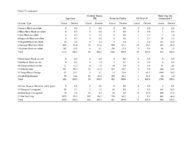
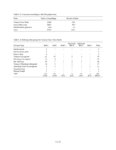
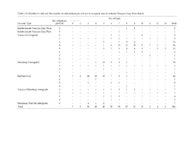
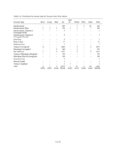
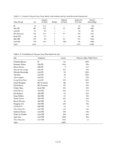
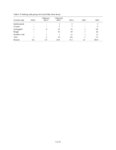
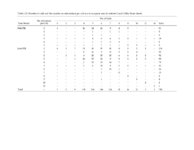
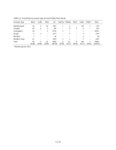
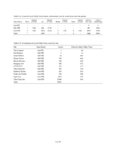
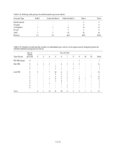
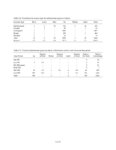
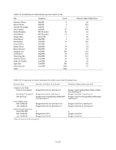
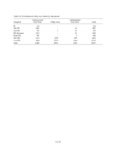
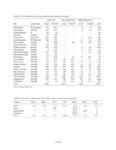
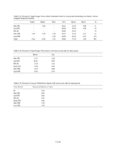
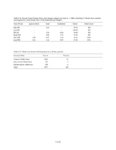
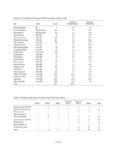
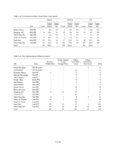
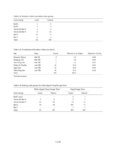
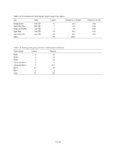
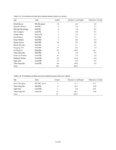
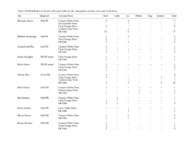
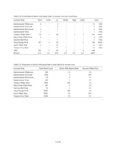
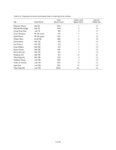
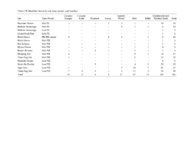
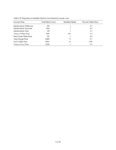
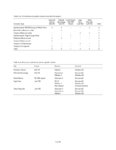
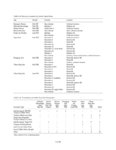
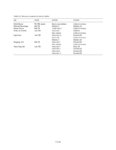
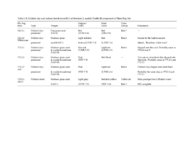
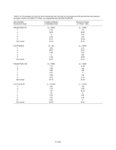
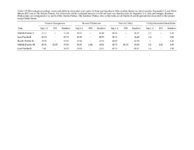
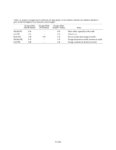
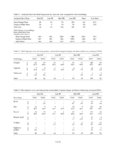
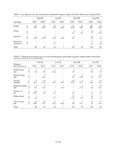
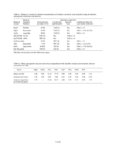
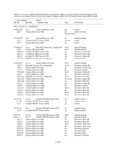
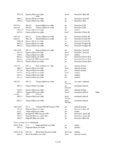
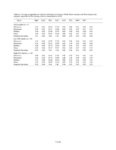
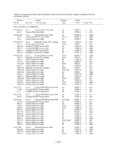
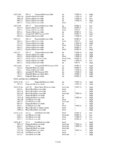
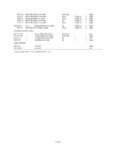
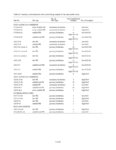
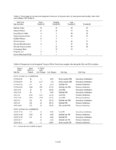
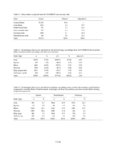
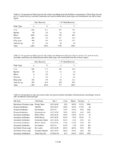
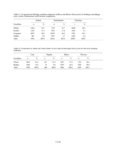
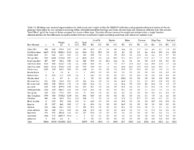
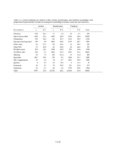
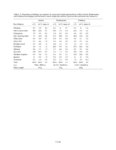
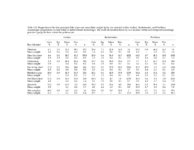
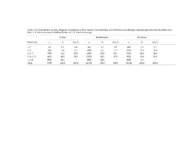
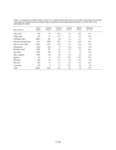
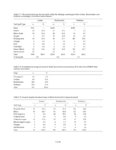
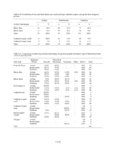
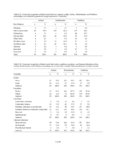
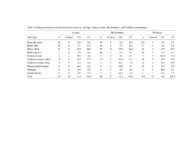
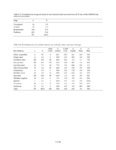
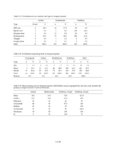
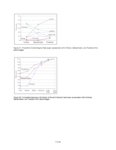
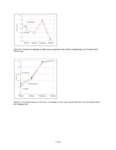
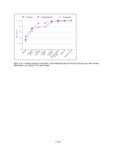
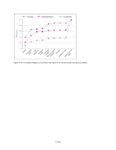
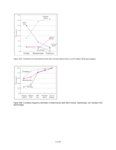
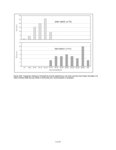
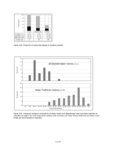
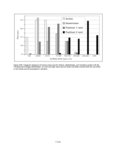
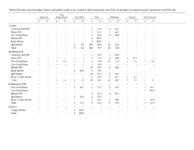
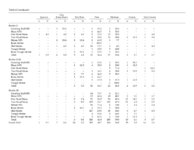
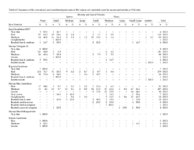
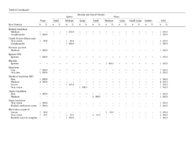
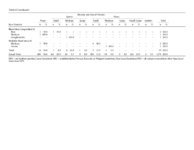
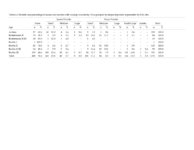
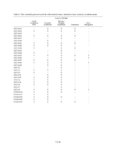
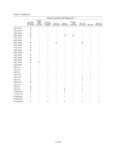
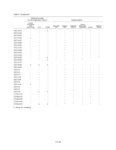
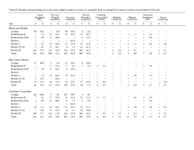
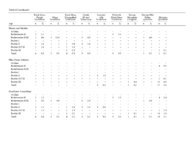
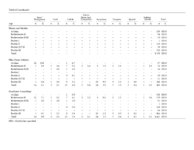
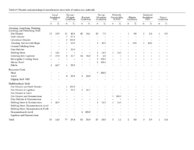
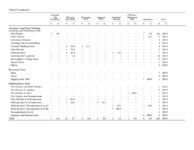
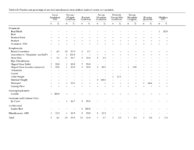
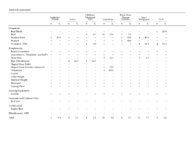
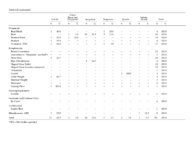
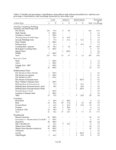
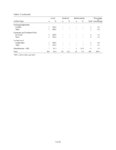
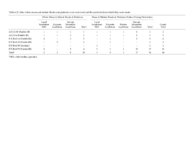
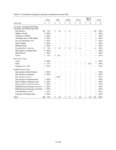
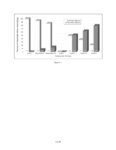
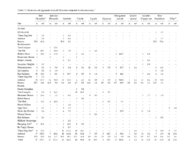
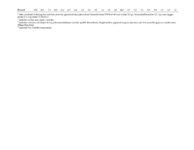
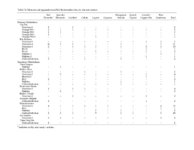
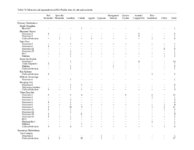
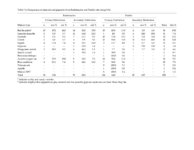
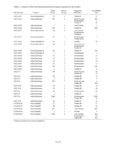
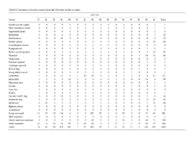
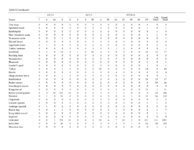
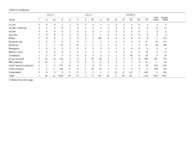
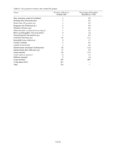
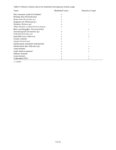
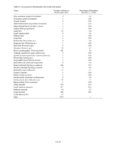
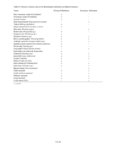
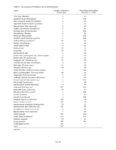
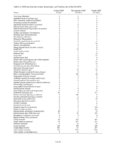
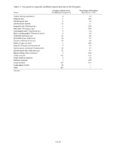
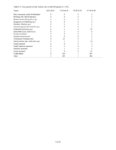
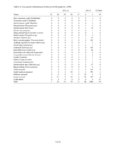
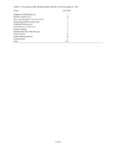
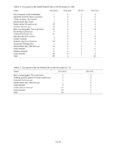
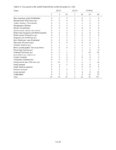
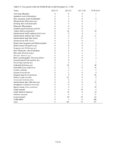
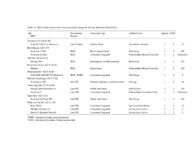
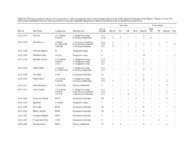
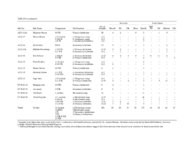
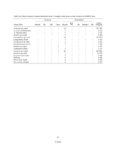
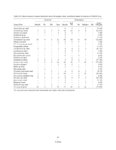
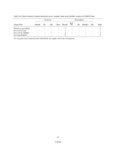
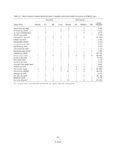
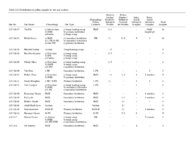
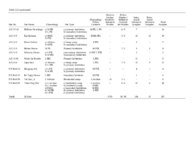
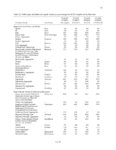
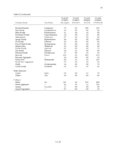
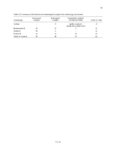
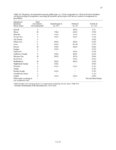
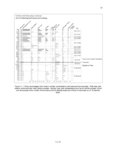
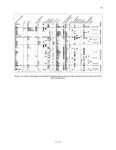
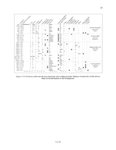
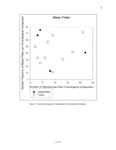
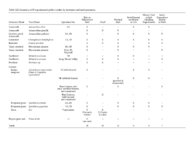
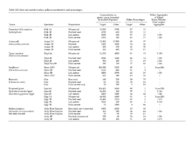
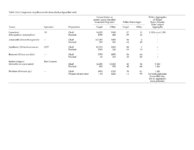
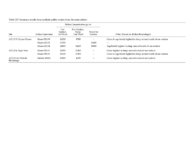
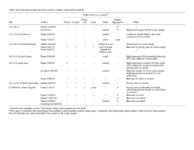
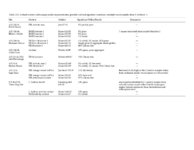
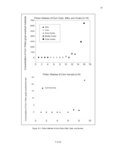
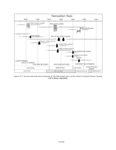
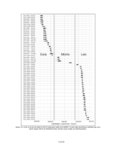
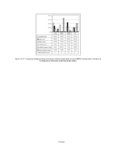
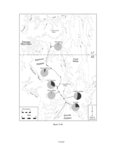
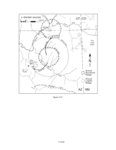
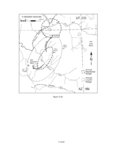
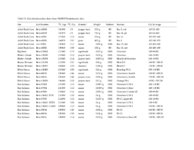
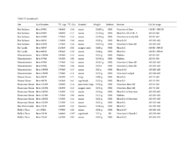
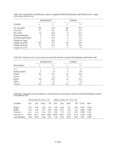
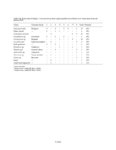
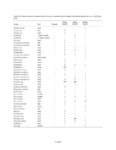
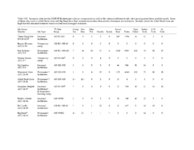
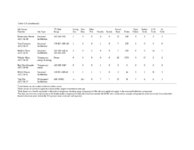
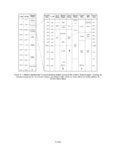
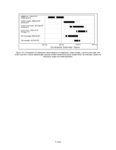
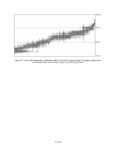
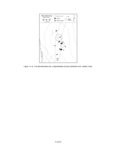
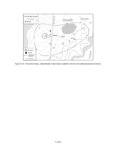
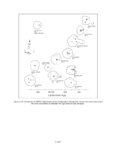
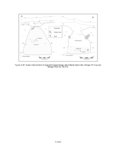
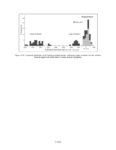
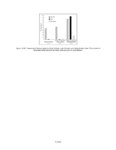
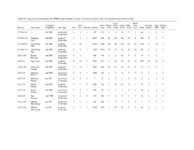
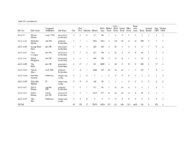
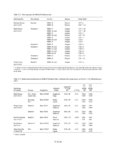
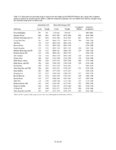
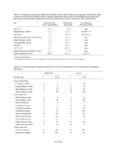
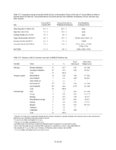
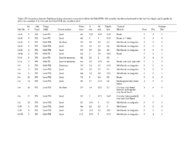
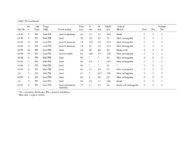
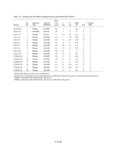
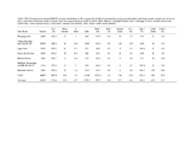
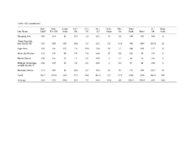
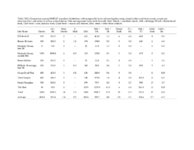
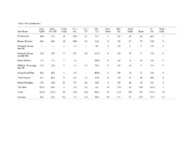
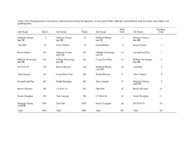
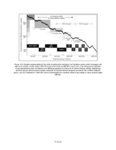
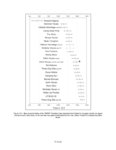
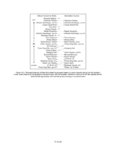
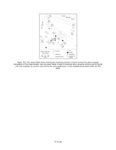
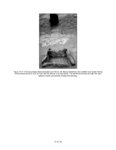
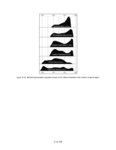
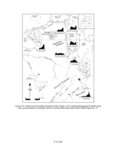
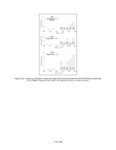
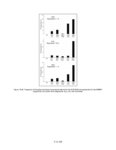
Show chemical composition (obsidian source). In the simplest of applications, hydration rims provide a relative ordering of artifacts or corresponding sites or components, and perhaps relative placement is the best we can hope for given various unresolved problems with OHD (e.g., Jackson 1984; Tremaine and Frederickson 1988). Absolute dates are often of greater archaeological utility and researchers have taken two different approaches for converting hydration rim measurements into calendar age estimates by estimating the hydration rate of obsidian. Empirical rate determination uses independent chronometric data such as radiocarbon dates that are associated with analyzed obsidian artifacts (e.g., Kimberlin 1976; Meighan 1976). The other approach uses experimentally derived hydration rates thereby eliminating the need for independent dates (e.g., Ambrose 1976; Friedman and Long 1976; Michels et al. 1980, 1983). Such "intrinsic rate dating" has many perceived advantages over the empirical method but problems persist. Indeed, Anovitz et al. (1999:749) concluded "that the optical technique employed for standard OHD measurements is unsuited to providing data with the needed precision, and that the theoretical basis on which these data have been evaluated is incorrect." Doubtless some specialists in the field of OHD might take exception to this last statement and may find fault with the study by Anovitz et al. that led to their conclusion (see Hull 2001). Still, given such debate on basic fundamentals of the technique, it is perhaps no wonder that OHD dating has commonly proven unreliable. NMRAP Analysis The 25 obsidian flakes submitted for OHD analysis came from two Archaic sites within the southern portion of the road ROW: 10 flakes from The Pits and 15 flakes from Hólahéi Scatter. The samples were analyzed by Christopher Stevenson, then affiliated with the Diffusion Laboratory of Archaeological Services Consultants, Inc. Appendix E presents his specific methods and results of the OHD analysis, so here just the main points are given. Stevenson's approach is to provide absolute dates based on experimentally derived hydration rates for a variety of obsidians. The rate of hydration varies based on intrinsic water content and not on obsidian source; inter-source variability in water content means that source-specific rates may be unreliable (e.g., Stevenson et al. 1993, 1996). A proxy measure of intrinsic water content is provided by density measurements of each artifact using the Archimedes method (Ambrose and Stevenson 1995). Because hydration rate is also affected by soil temperature and relative humidity (e.g., Mazer et al. 1991), control over these variables should be obtained with local monitoring of these conditions. In this particular study saline-based temperature and humidity cells (Trembour et al. 1988) were buried for 1 year at the two sites that produced the OHD samples. Table 13.6 presents the results of the OHD analysis along with values for effective hydration temperature (EHT) and soil relative humidity (% RH). The hydration rate (µ2/1000 years) for each artifact takes into account intrinsic water content (% OH-) as derived from the density measurements. The calculated ages for each artifact take into account all of the currently identified relevant variables for converting a hydration rim measurement into an absolute date. Two of the flakes from Hólahéi Scatter did not have a visible hydration rim. Discussion of Results The Pits (AZ-J-14-17). The calculated ages for the 10 flakes from The Pits comprise a disparate lot, ranging in age from 2390 BC to AD 1470. Table 13.7 presents these dates grouped according to obsidian source and organized from oldest to youngest. Had we lacked additional chronological information and depended on OHD alone for temporal placement, we might have made the ludicrous suggestion that the buried stratum identified as the Archaic component saw nearly continuous use from the late Archaic through the late Prehistoric periods. Indeed, based on the proportion of dated flakes of Archaic age (2 of 10), it would appear that about 80 percent of the recovered remains actually were Basketmaker and Puebloan, not Archaic. Fortunately, we avoided such lamentable confusion because additional information was available, including a radiocarbon date. Figure 13.6 plots the two-sigma range for the 10 OHD dates in chronological order and provides the two-sigma calibrated age range for the radiocarbon sample that represents the probable time of deposition of the artifacts. The date is on sagebrush charcoal from a shallow basin hearth that the flakes were scattered around and within; it has a two-sigma range of 2340-1950 cal. BC. It is possible that this material overestimates the true age of the feature by several hundred years, as discussed above, but even so the age is solidly within the late Archaic, likely prior to 1500 cal. BC. Two of the hydration dates have two-sigma ranges that coincide with the radiocarbon age, but the other eight samples are not even close, being minimally anywhere from 1200 to 3200 years outside the calibrated radiocarbon date range. Even the two samples that overlap with the radiocarbon date have poor precision, well below that of radiocarbon dating, which is sufficiently limiting in itself for some interpretations. V.13.18 |