| OCR Text |
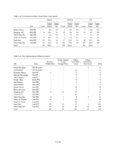
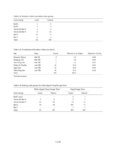
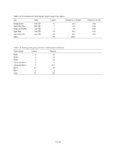
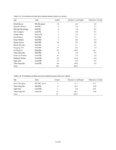
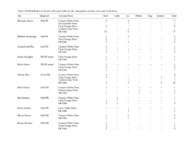
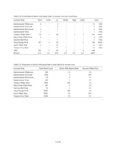
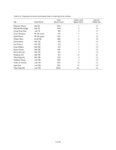
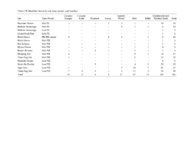
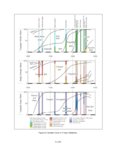
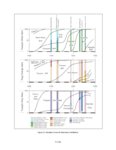
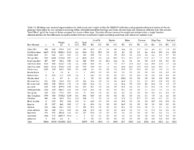
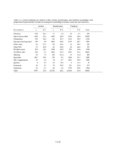
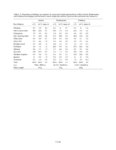
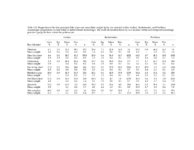
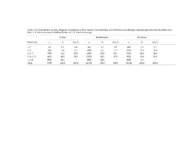
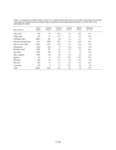
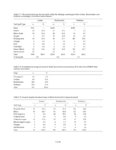
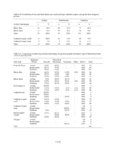
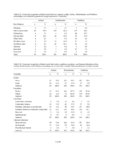
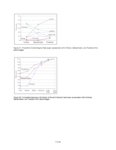
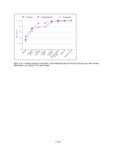
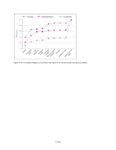
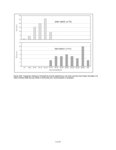
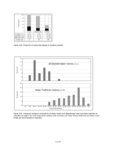
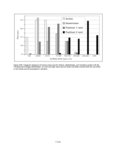
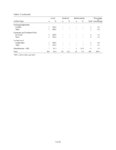
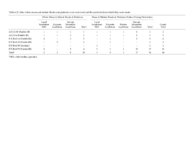
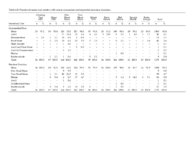
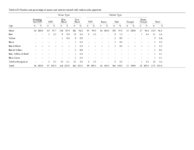
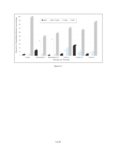
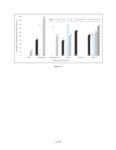
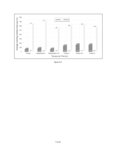
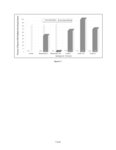
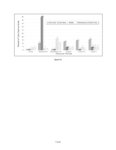
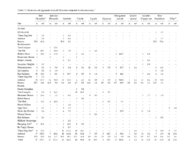
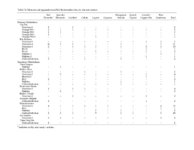
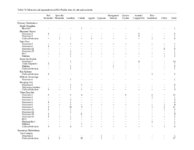
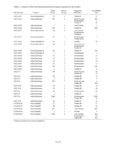
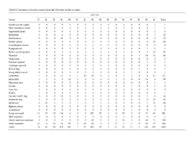
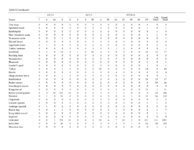
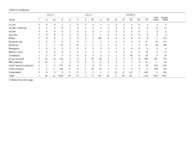
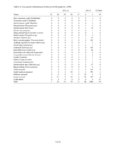
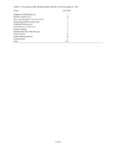
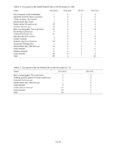
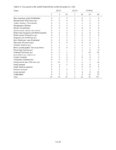
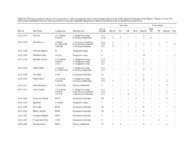
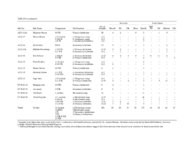
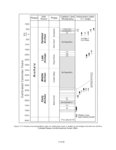
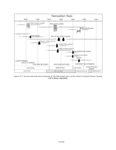
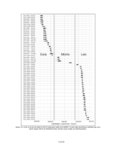
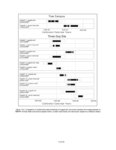
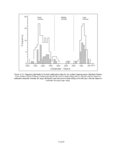
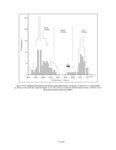
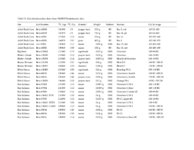
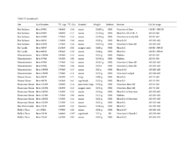
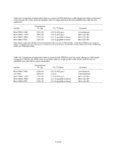
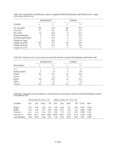
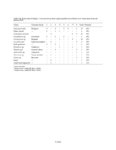
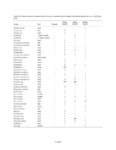
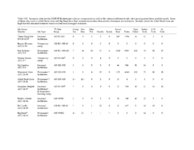
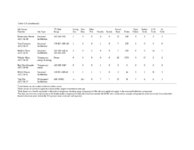
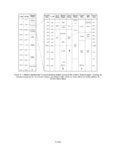
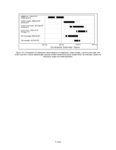
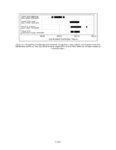
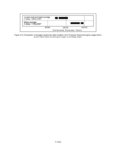
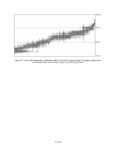
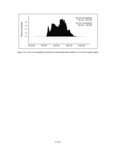
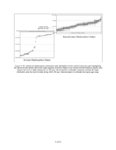
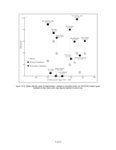
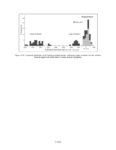
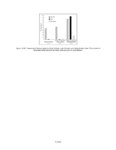
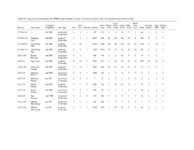
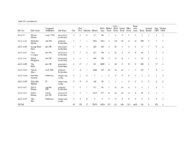
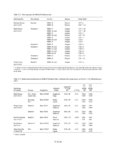
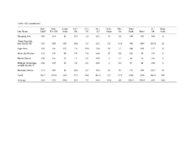
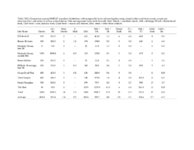
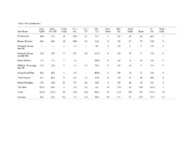
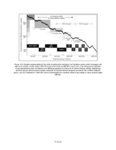
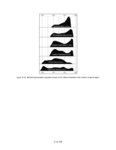
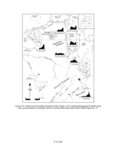
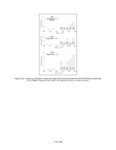
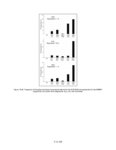
Show patterning disclosed was not from sampling error, Berry (1982:87) argued "that occupation occurred in three discrete periods, each separated in time by significant hiatuses." Berry (1982:116-117) stressed that "late Basketmaker II and Basketmaker III cluster tightly into discrete periods; hence it is unnecessary to draw an arbitrary dividing line between these stages … there are no sites that bridge the greater than two-century gap separating these stages." The date distribution for the northern Kayenta region exhibits no evident breaks marking a natural line of separation between Basketmaker II and Basketmaker III or early and late Basketmaker II. If one wanted to subdivide this distribution then arbitrary cuts would be called for. Where, though, should such divisions be placed? Does the adoption of new material culture items such as pottery provide an answer? What about changes in subsistence or settlement? Each of these issues is examined in detail as this chapter unfolds. It is also worth pointing out that radiocarbon dating is too coarse a chronometric technique to disclose short-duration population breaks or changes. Although the distribution of Basketmaker dates for the northern Kayenta region does not support Berry's tripartite temporal scheme, it supports his critique of Glassow's (1972) proposed explanation of the Basketmaker II-III transition as a response to stress resulting from steady population increase. As noted by Berry (1982:89), Glassow "set for himself the problem of explaining a series of events that probably never happened." With a 200-year gap separating the strong temporal clustering of Basketmaker II sites from Basketmaker III sites, Berry concluded that increasing population density could not be used as an independent variable in an explanatory model. There is no evidence for a 200-year gap in occupancy for the northern Kayenta region, but neither is there evidence for steady population increase. The cultural traits that serve as the traditional markers for Basketmaker III do not appear suddenly as a suite at all sites, but rather seem to have individual temporal patterns and rates of acceptance. The Basketmaker date distribution for the Rainbow Plateau will become informative for regional comparisons once robust chronologies are available for other areas. Unfortunately these are lacking at present for other areas of the Kayenta region. There is a large suite of dates available for Lolomai phase Basketmaker sites on northern Black Mesa, but nearly all of these (140) are on wood charcoal and have little or no relevance for the dating of Basketmaker II occupation on the mesa (Smiley 1985, 1998d). The six dates on high-quality samples that are available suggest that the Lolomai phase is restricted to the interval of roughly AD 50-350 (1900-1600 cal. BP; Smiley 1998d:117). Unfortunately these six dates suffer from poor precision (standard deviations of 90-130 years. This plus their limited number raises the possibility that this phase might be somewhat longer in duration, having begun earlier than currently accepted.5 Detailed Basketmaker chronologies for other portions of the Colorado Plateau that are beginning to be assembled (e.g., Charles et al. 2006) should eventually allow some useful interregional comparisons. FARMING AND FORAGING Food Production distinguishes Basketmaker II groups from the Archaic foragers that preceded them. This change does not appear to be one of degree, but rather a profound alteration of the previously existing relationships on the Colorado Plateau between people and their natural environment and among different groups of people. Archaic foragers might have worked unintensively to artificially increase the spatial concentration of certain food plants (e.g., Winter and Hogan 1986), but the scale of any such efforts appears to have been minor and the impact negligible compared to what happened with the arrival of Mesoamerican domesticates. Likewise, Basketmaker II groups continued foraging as an important means of augmenting field produce, but the focus had shifted away from the high residential mobility and extensive adaptation of Archaic foragers to one that was far more intensive, emphasizing relatively small parcels of land for the production of a significant amount if plant food coupled with limited residential mobility, at least on an intra-annual basis. As many have observed, and Ford (1984:129) stated emphatically, "calories were a limiting factor for hunters and gatherers in the pre-maize Southwest. Plant foods were not sufficiently abundant in any one location to support large populations or even the annual return of small bands." The notion of the Colorado Plateau as marginal for foragers goes back at least to the time of Hugh Cutler, who in 1954, published an account of his experience at trying to subsist for several days on gathered resources in Glen Canyon, wherein he bemoaned, "this turned out to be a struggle even during the most favorable season of the year and … I gathered barely enough to keep from being hungry" (Cutler 1954:39). Cutler correctly observed that "only a small population of hunters and gatherers could exist in the region." Farming 5 The sum of probabilities for the six maize dates reported by Smiley (1998d: Table 7-1) is AD 0-390 at 1 σ and 200 BC-AD 650 at 2 σ; individually the oldest and youngest dates of the group respectively cover spans of time from 350 BC to AD 400 and AD 240-670. V.14.13 |