| OCR Text |
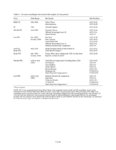
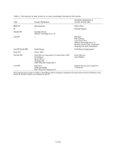
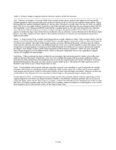
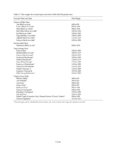
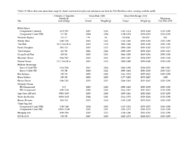
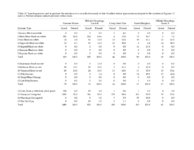
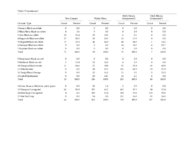
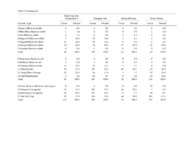
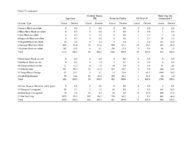
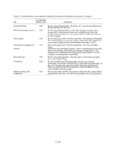
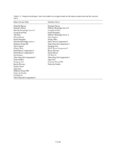
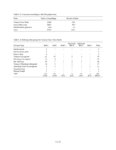
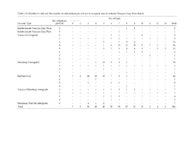
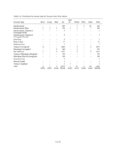
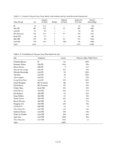
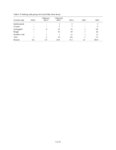
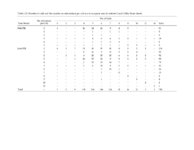
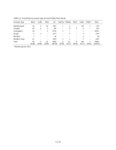
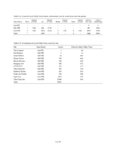
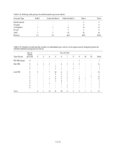
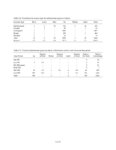
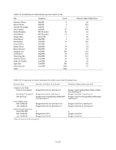
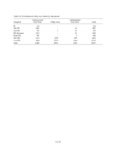
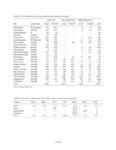
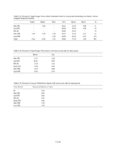
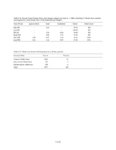
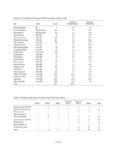
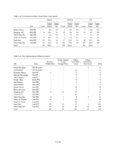
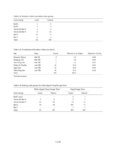
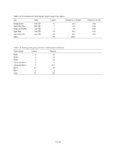
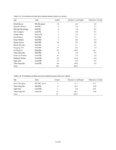
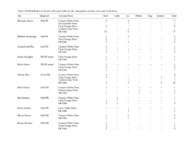
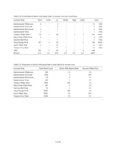
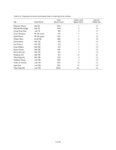
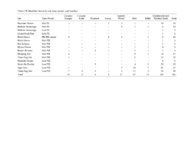
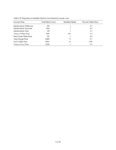
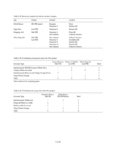
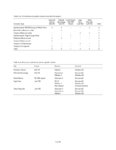
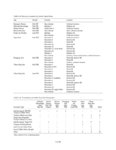
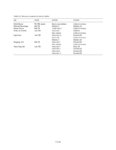
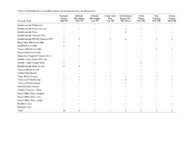
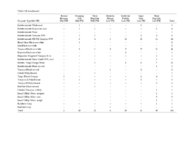
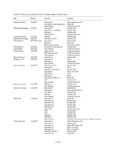
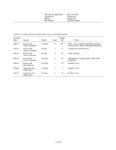
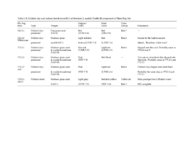
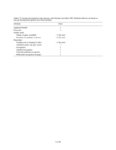
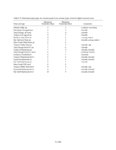
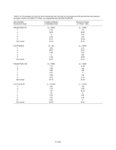
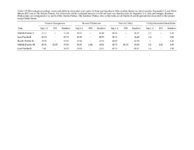
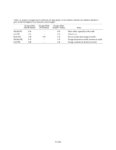
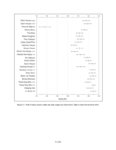
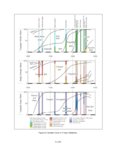
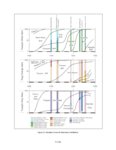
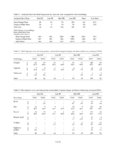
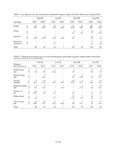
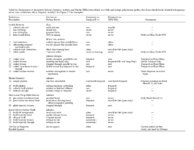
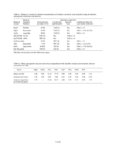
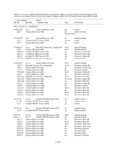
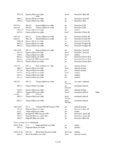
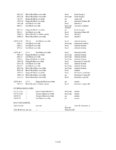
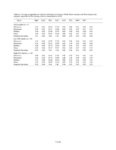
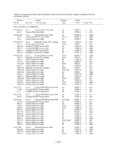
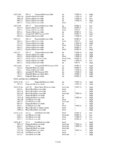
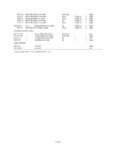
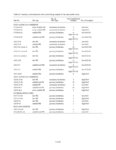
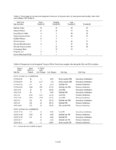
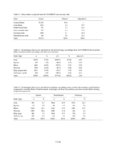
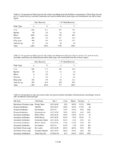
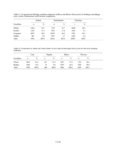
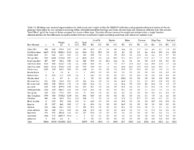
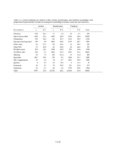
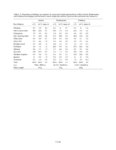
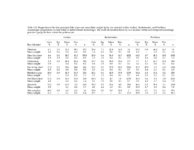
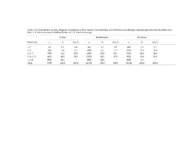
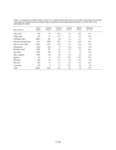
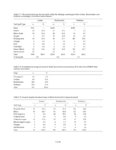
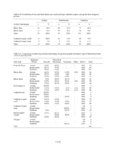
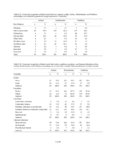
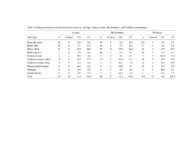
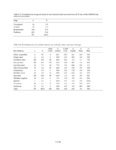
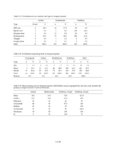
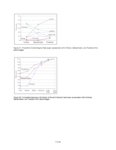
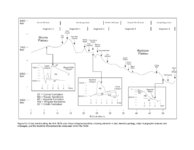
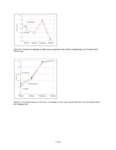
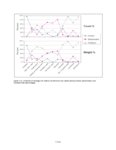
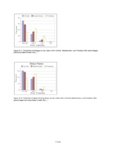
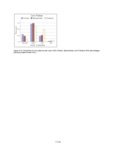
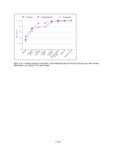
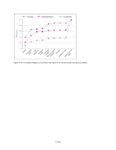
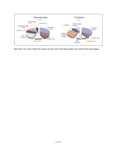
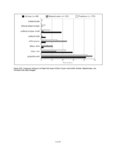
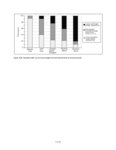
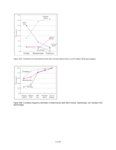
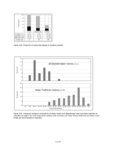
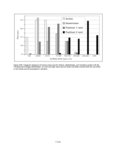
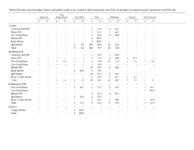
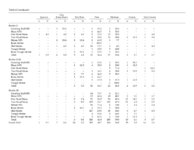
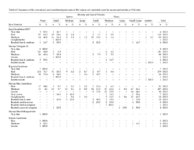
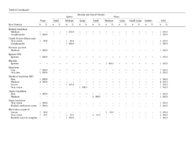
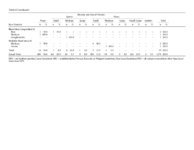
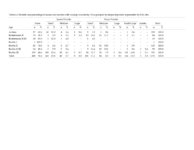
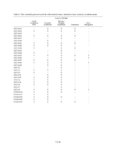
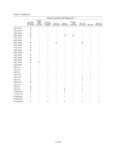
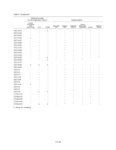
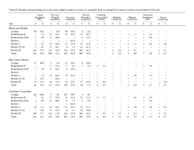
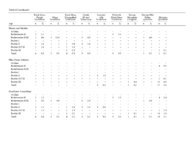
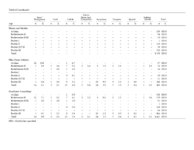
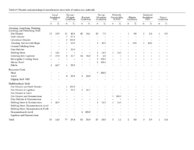
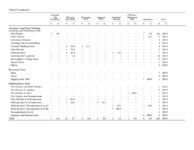
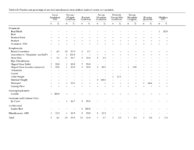
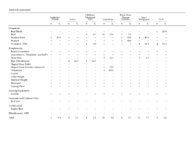
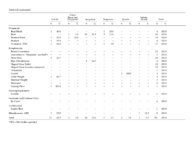
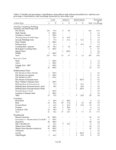
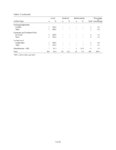
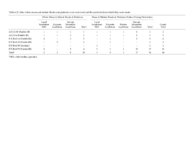
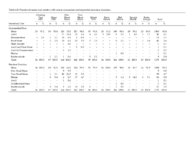
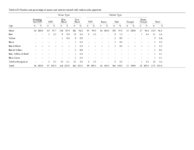
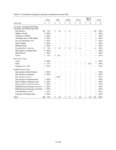
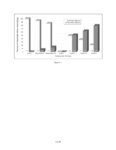
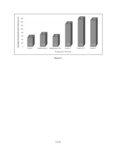
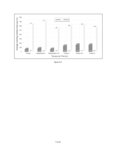
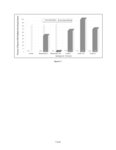
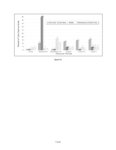
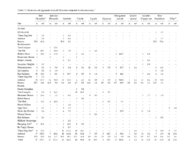
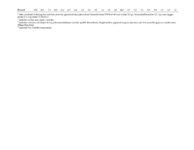
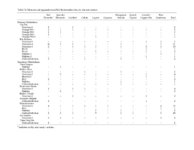
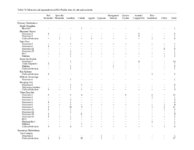
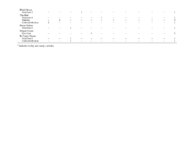
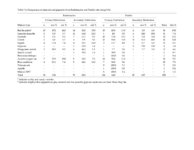
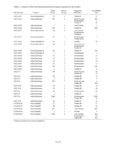
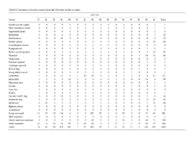
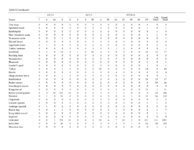
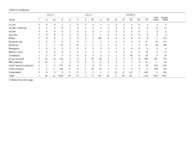
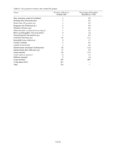
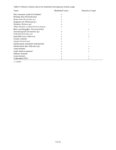
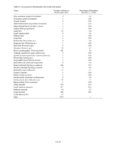
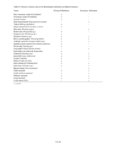
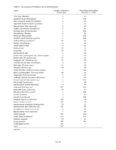
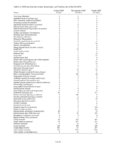
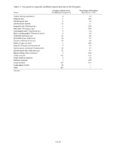
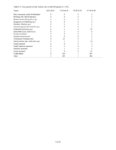
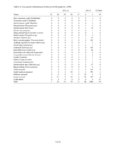
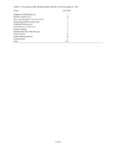
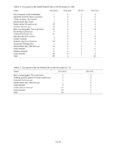
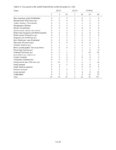
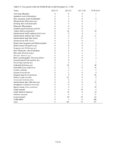
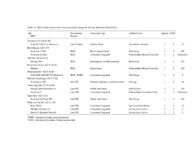
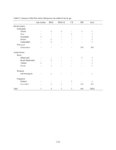
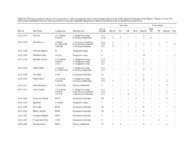
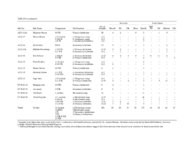
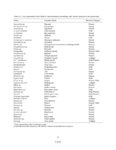
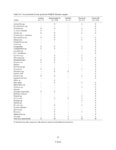
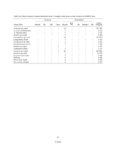
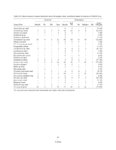
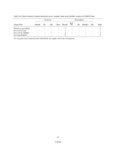
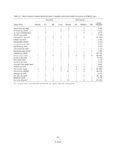
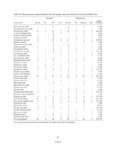
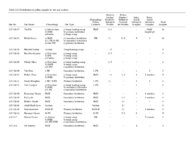
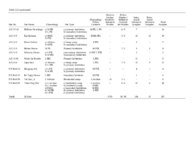
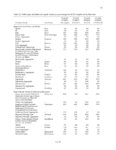
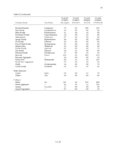
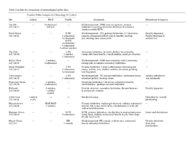
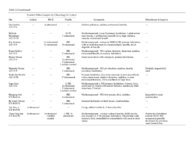
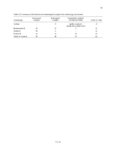
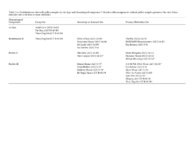
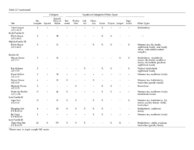
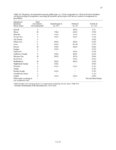
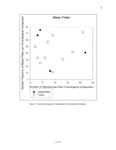
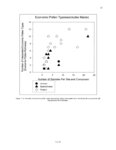
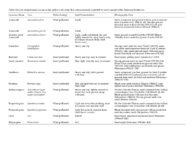
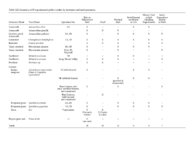
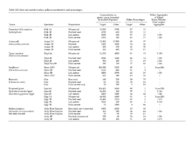
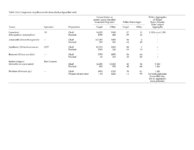
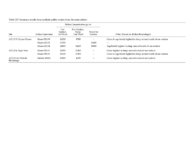
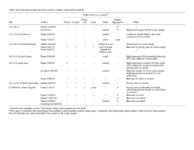
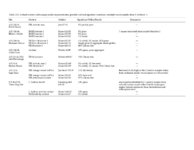
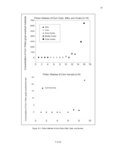
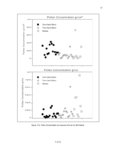
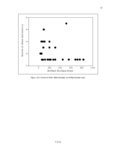
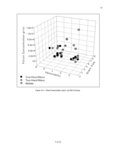
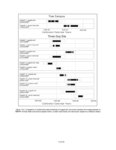
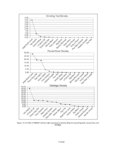
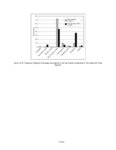
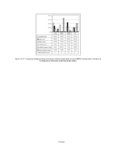
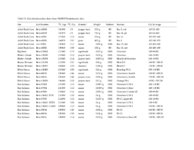
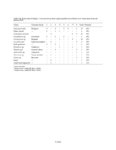
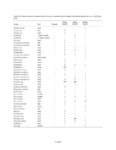
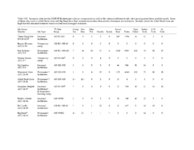
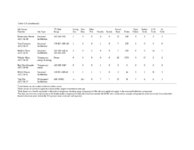
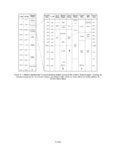
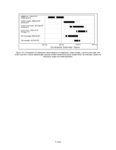
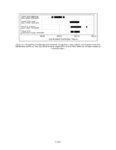
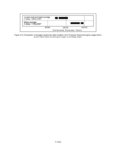
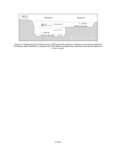
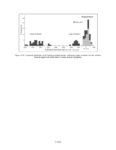
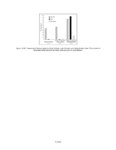
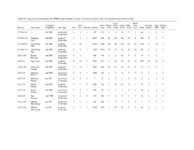
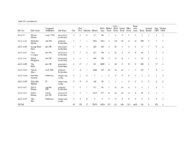
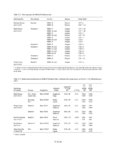
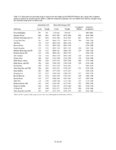
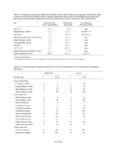
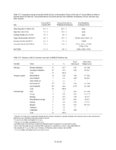
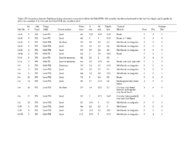
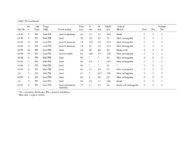
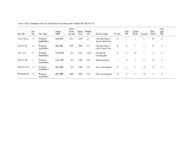
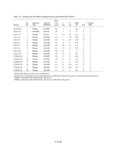
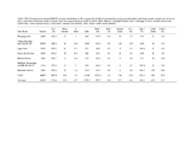
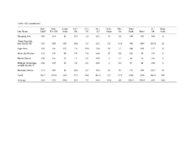
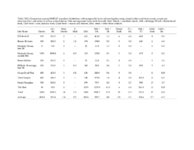
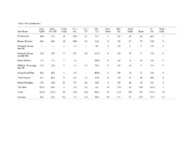
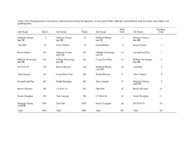
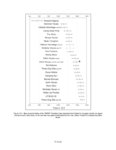
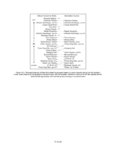
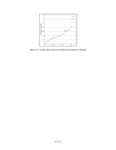
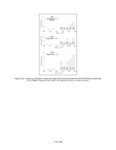
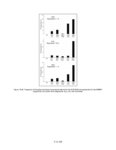
Show 11 grass and Cheno-Am, which reflects several possible plants (Table 11.2). Pinyon pine, juniper, Mormon tea, buffaloberry, sunflower family, prickly pear, and beeweed were also common economic pollen taxa. Cattail was rare from N16 samples; it was recovered from six sites, though only four are included in Table 11.7. Two of the sites with cattail pollen were at the end of the road at the base of Navajo Mountain (Hanging Ash, UT-B-63-14 and Three Dog Site, UT-B-63-39), which indicates a significant water source in this portion of the project area. Three pollen washes from artifacts at Hymn House (AZ-J-2-3) produced cattail pollen, which also signals a source of permanent water near Hymn House. A summary of the interpreted economic types by chronology is presented in Table 11.8. The number of occurrences by component for the 22 economic pollen types (from Table 11.7) is shown as a percentage of the number of components at sites, excluding the Archaic because of inadequate samples for comparison. The data reflect the settlement pattern in the region. A greater variety of plant resources is visible in the Pueblo III period, which is undoubtedly due to the higher number of primary habitation Pueblo sites. This pattern is not viewed as a result of cultural or technological change, but appears to reflect the greater number of samples from Pueblo III sites-samples that are also primarily from intramural contexts, which are more directly connected to human activities and protected from ambient pollen. The relationship to sample depth is displayed in Figure 11.5 in a graph, which shows the increase in significant economic pollen types (economic taxa richness) as the number of samples increases. A few pollen types stand out in the Pueblo III components-beeweed, lily family, Mormon tea, buckwheat, and rare types, such as parsley family, skunkbush/sumac type, cholla, walnut, and rose family. In the Pueblo II samples, the economic use of grass resources was interpreted more often than in other components. CONCLUSIONS The first task of this pollen study was to examine non-archaeological samples to establish a comparative natural analog. The investigation of pollen samples from modern surface sediments and from buried profiles helped define an environmental pollen gradient from the pinyon and juniper woodland of the southern portion of the ROW to the sagebrush flats at the north end of the road. This ecological gradient is reflected in the archaeological pollen results. Sample profiles of buried sediments show that there is a natural tendency for buried surfaces to become enriched with resistant grain types, especially Cheno-Am and sunflower pollen. The archaeological pollen data were interpreted with the goal of resolving any chronological trends from the main archaeological periods represented-Archaic, Basketmaker II, Pueblo II, and Pueblo III. Specifically, the pollen results were evaluated to examine the transition to agriculture and the importance of cultigens, and any evidence for specialization. There is too much uncertainty in the pollen expression from the Archaic period to infer anything substantive about subsistence resources, except for two special artifact pollen washes, one from Atlatl Cave (AZ-J-14-41) and the second from Three Dog Site (UT-B-63-39). These samples indicate that processed grass seeds were probably one important Archaic food resource. Maize agriculture is evident throughout the project area by the Basketmaker II period, and the ubiquity of maize pollen indicates an intensive investment in farming from Basketmaker to the Pueblo period. The higher density of Pueblo III sites, compared to other chronological components, indicates that a greater population was making a living by farming during the Pueblo III than any other period. The greatest abundance of maize pollen at any one site was from Three Dog Site (UT-B-63-39) at the north end of the road. This region around the base of Navajo Mountain may have had the most productive farm land. Squash pollen was identified in only three Pueblo period sites, which may signify that this was not an important crop. The pollen results from the Basketmaker through the Pueblo period are interpreted to record suites of consistently used plant resources, regardless of chronological component. Subsistence resources visible in pollen samples increased in frequency and diversity during the Pueblo III period; however, this pattern is evaluated to be a function of the structure of the sample set. Specifically, there are more samples from Pueblo III components than any other period, typically from intramural contexts at primary habitation sites. The comparison of pollen data by context (Figure 11.2) was interpreted to show that extramural contexts, especially activity areas and ramadas, are diluted by environmental pollen rain. Thus, at Basketmaker sites where there were more extramural samples from seasonal or secondary habitation sites, the pollen connection to human plant use is blurred by dilution from environmental pollen rain. In individual structures and features there are records of unique assemblages that are interpreted to reflect the serendipitous intersection of preservation, integrity of the context, and sampling in the "right" place-like flares against the generic background that preserve some direct link to human activities. Examples include pinyon pine pollen in bell-shaped pits at The Pits (AZ-J-14-17), purslane at the Pueblo V.1.11 |