| OCR Text |
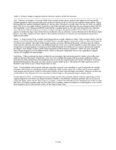
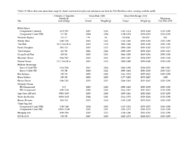
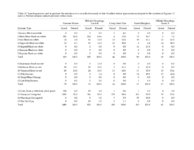
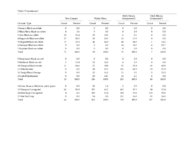
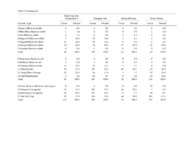
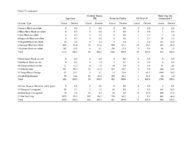
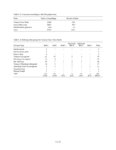
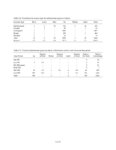
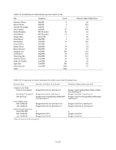
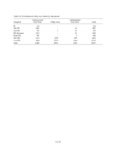
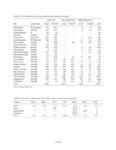
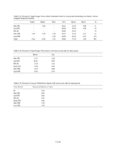
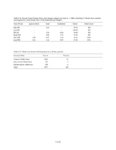
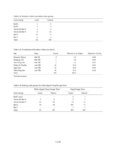
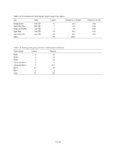
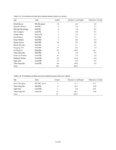
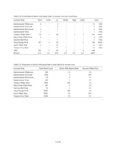
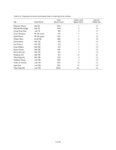
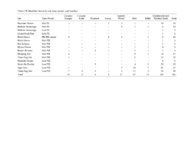
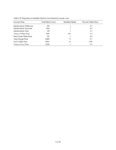
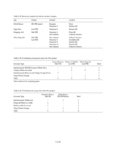
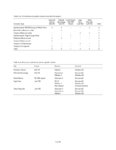
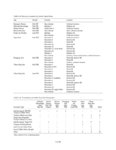
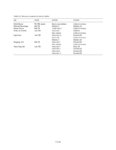
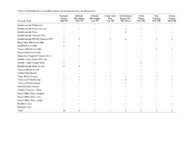
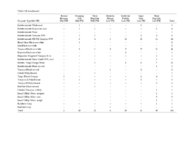
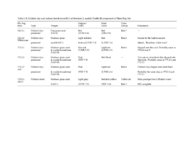
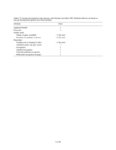
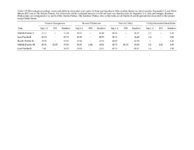
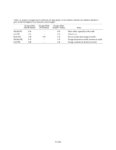
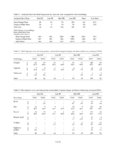
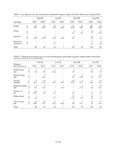
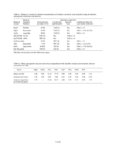
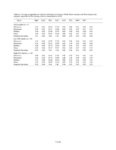
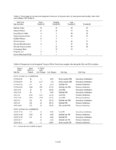
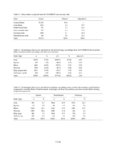
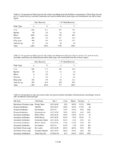
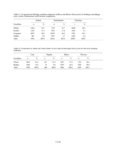
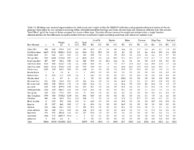
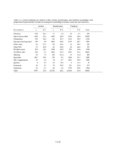
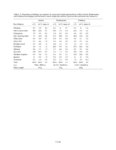
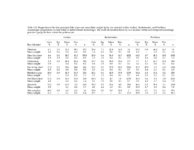
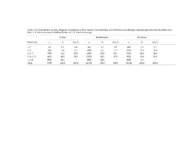
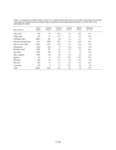
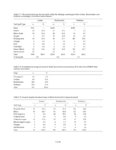
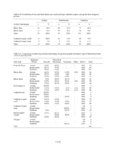
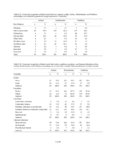
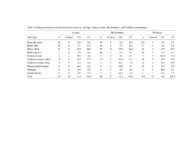
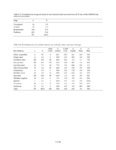
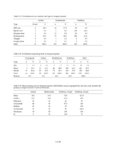
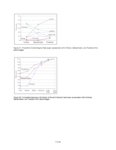
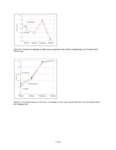
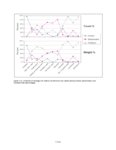
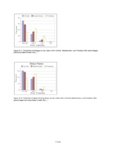
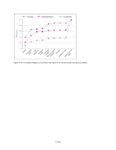
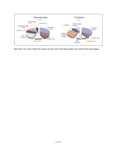
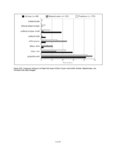
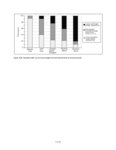
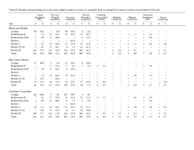
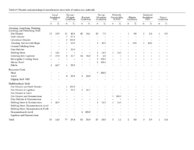
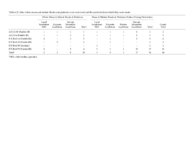
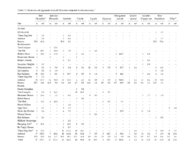
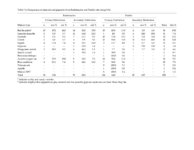
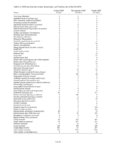
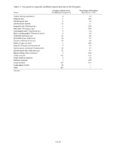
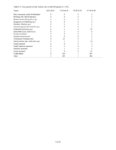
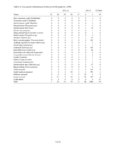
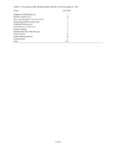
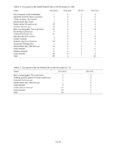
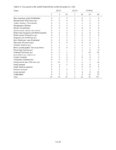
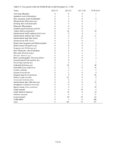
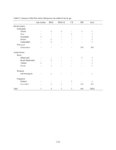
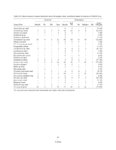
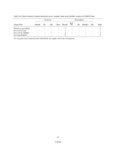
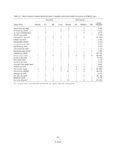
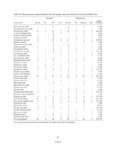
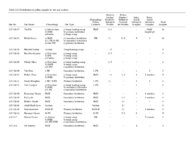
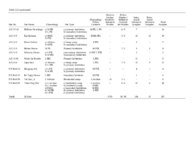
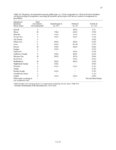
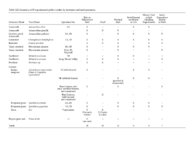
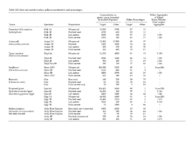
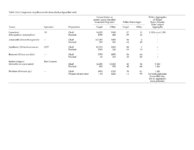
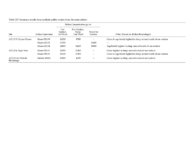
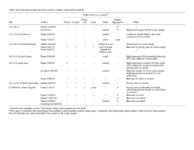
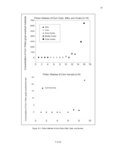
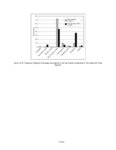
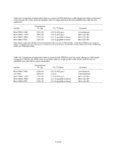
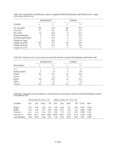
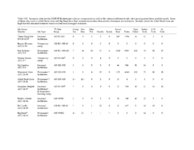
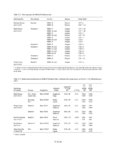
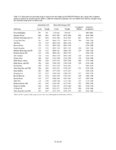
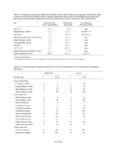
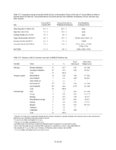
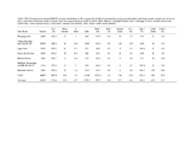
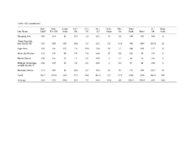
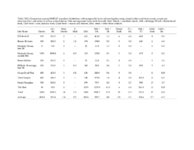
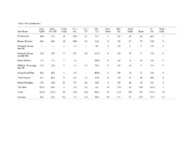
Show probably represent short-term, special uses by people who lived most of the year at the large sites in the area. The second question was also easy to answer. Up until the early Pueblo III period, inhabitants of the study area imported their utility ware vessels from southern neighbors who made Tusayan Gray Ware with geological materials from Cretaceous deposits on and around Black Mesa. Beginning in the early Pueblo III period, Rainbow Plateau potters began to experiment with local utility ware production, trying a wide variety of clays, tempers, firing regimes, and surface treatments. Over time, they seem to have settled on a recipe of iron-rich clays, crushed sandstone tempers, and rough to obliterated corrugated surface treatments. Vessel forms imitated those of Kayenta potters to the south, who were producing Moenkopi and Kiet Siel Gray. By the late Pueblo III period, a distinct, local, sandstone-tempered imitation of Kiet Siel Gray dominated the Rainbow Plateau ceramic assemblages. We concur with Fairley and Callahan's (1985) definition of Rainbow Gray Ware and the type Rainbow Gray, and suggest broadening this type description to include a wider range of variation in local sandstone tempers. Demonstrating that a local utility ware tradition emerged does not tell us why inhabitants of the study area curtailed grayware imports and began their own local production. If the Pueblo II period inhabitants of the study area had obtained some of their Tusayan Gray Ware from the top of Black Mesa, their sources of this ware may have become restricted when the top of Black Mesa was largely abandoned. On the other hand, they may have obtained Tusayan Gray Ware from potters living along the flanks of Black Mesa, an area that was not abandoned in the early Pueblo III period, but trade could have been disrupted for any number of reasons other than abandonment of production areas. Growing communities in the Kayenta area proper, the Klethla Valley, and Long House Valley undoubtedly still produced Tusayan Gray Ware types (Moenkopi Corrugated and Kiet Siel Gray). Traditional trade routes could have been disrupted if local demand increased and exports were curtailed. Perhaps some trade routes were renegotiated in the Pueblo III period, but not enough to fill the demand for cooking pots as northern populations grew and aggregated. Local production might have become more cost effective than continued importation, especially as potters developed methods for producing hard, impermeable pots. Ceramic assemblages reflect a period of experimentation and adaptation to locally available materials as population in the study area increased in the Pueblo III period. Early local efforts were soft and porous, but Rainbow Gray is often partly vitrified, and very strong. Growing communities could have supported part-time specialists. Production by specialists would account for increasing uniformity in Rainbow Gray across the Pueblo III period. To answer questions about changes in orangeware and whiteware proportions across time and space, we compared Blinman's (1989) results from N16 sites on the Shonto Plateau with our results further north in the road ROW, on the very northern tip of the Shonto Plateau and on the Rainbow Plateau. This coarse-grained level of comparison should negate to some degree the differences of sample size, very different settlement patterns in different time periods, and duration of occupation. Strong patterns emerge (Table 2.75). The percentage of orangeware doubles between middle and late Pueblo III in assemblages from both areas. It stays about the same until late Pueblo III, when the proportion drops in Segments 1-2 but not in Segments 3-6. The percentage of whiteware stays about the same throughout the sequence in Segment 1-2 assemblages, with a slight increase in Pueblo III. In contrast, the proportion of whiteware drops significantly in Segments 3-6 at the beginning of the Pueblo III period, and stays lower. The proportion of whiteware peaks in Segments 1-2 in the middle Pueblo III period, and it reaches its lowest ebb in Segments 3-6. The proportion of utility ware fluctuates in both areas, reaching its highest in middle Pueblo II assemblages from Segments 1-2 and middle Pueblo III from Segments 3-6. The proportion of utility ware fluctuates and is probably more closely related to site size and duration of occupation (higher overall consumption of utility ware vessels, which have shorter use lives) than to issues of access to trade wares, productive specialization, and so forth. Therefore, we can look at simple ratios of orangeware sherds to whiteware sherds (Table 2.76). These are about the same in both areas in the Pueblo II period, with a slightly higher proportion of whiteware in the north in the middle Pueblo II period, further from the purported source. We cannot explain this, but it indicates that people in the northern part of the project area had equal or greater access to whiteware pottery compared to their southern neighbors. This in turn suggests independent trade networks rather than down-the-line trade across the Shonto Plateau to the Rainbow Plateau. In the Pueblo III period, the proportion of orangeware jumps in site assemblages from Segments 3-6 in the north, while proportions stay about the same in Segments 1-2 (in the south) in early Pueblo III, then drop. By late Pueblo III, people in Segments 1-2 were using far less orangeware than their northern neighbors. Several interacting factors probably account for this pattern. First, potters in Segments 3-6 either began to make orangeware or increased their orangeware production, as seen in the increasing V.2.59 |