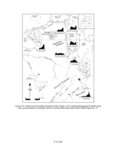
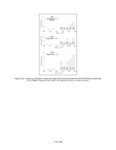
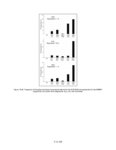
| OCR Text |
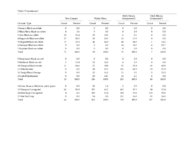
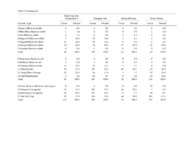
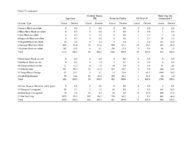
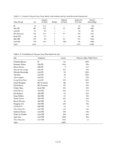
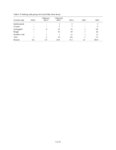
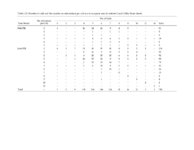
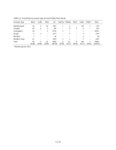
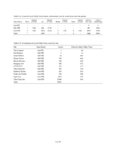
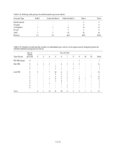
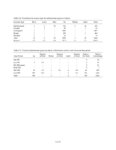
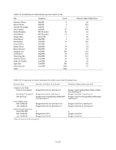
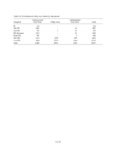
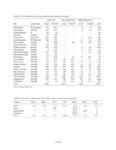
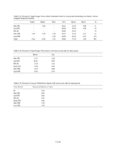
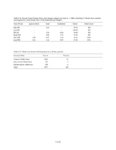
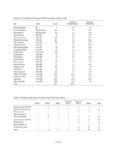
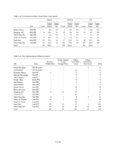
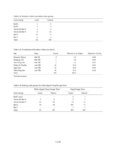
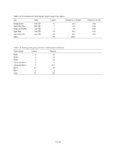
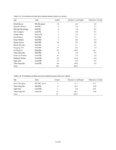
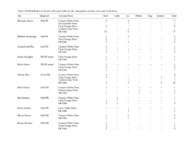
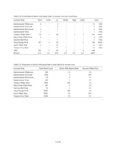
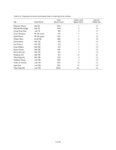
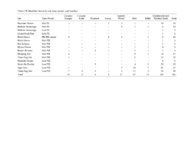
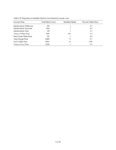
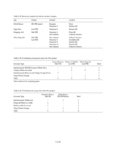
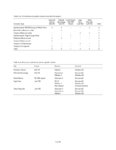
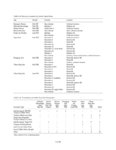
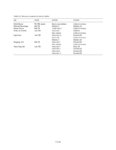
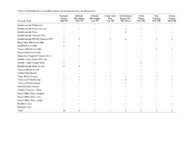
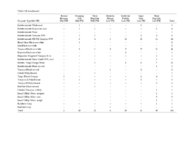
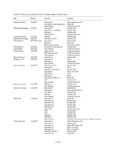
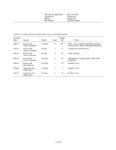
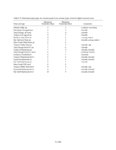
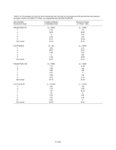
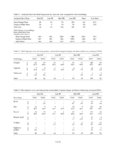
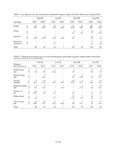
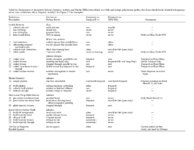
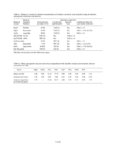
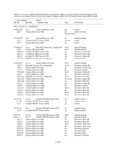
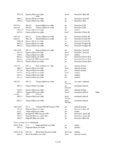
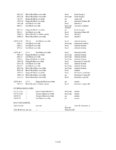
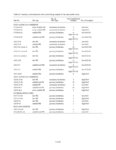
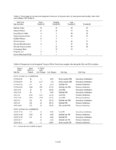
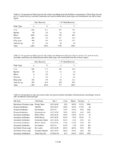
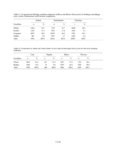
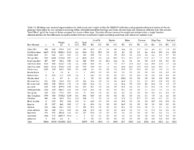
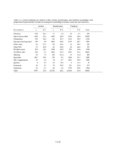
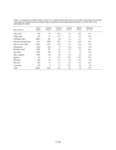
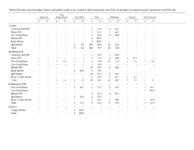
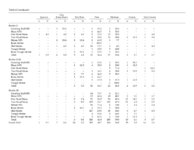
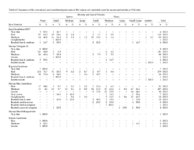
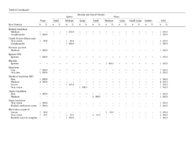
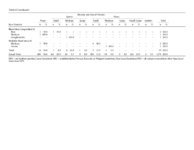
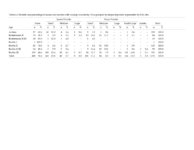
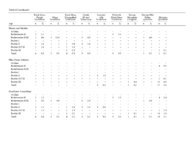
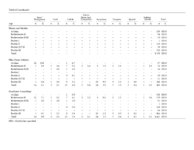
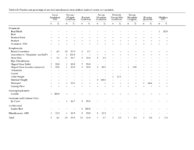
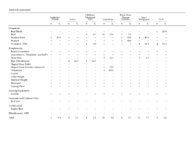
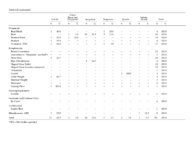
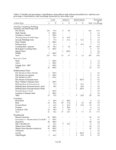
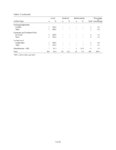
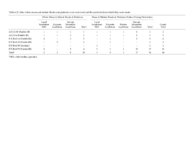
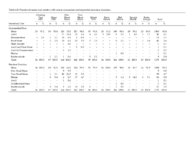
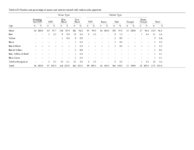
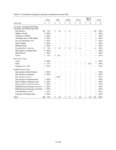
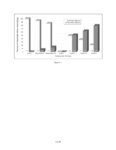
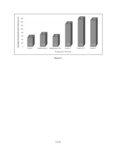
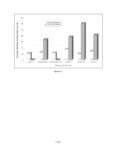
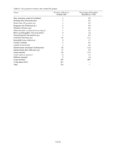
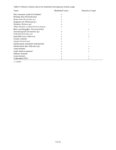
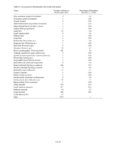
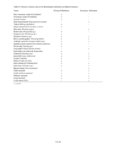
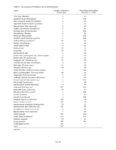
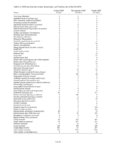
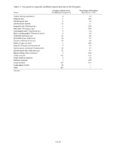
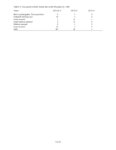
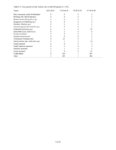
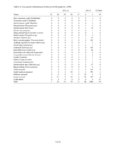
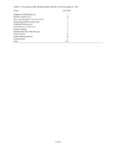
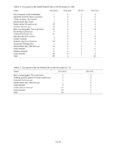
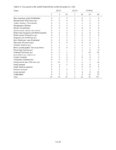
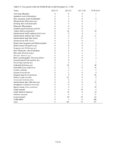
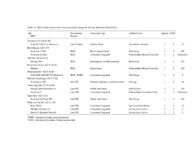
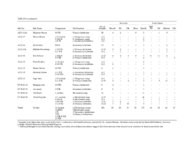
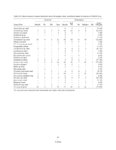
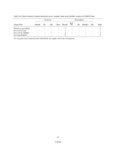
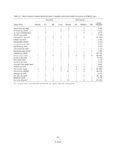
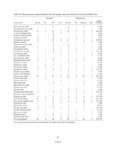
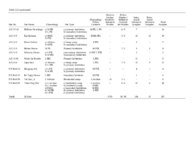
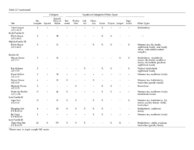
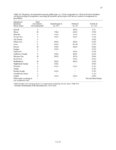
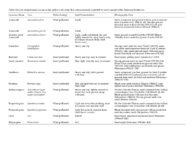
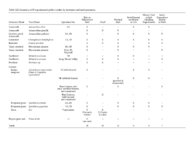
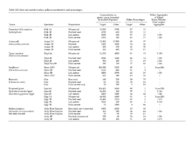
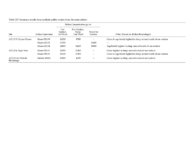
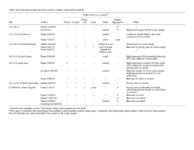
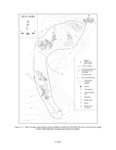
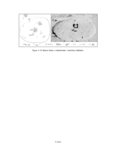
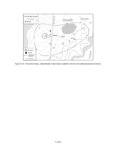
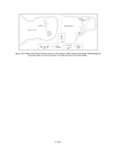
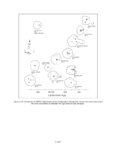
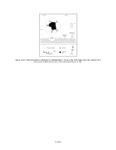
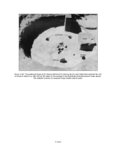
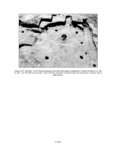
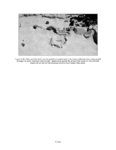
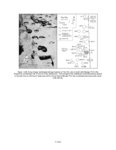
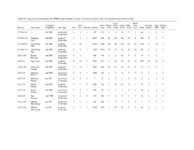
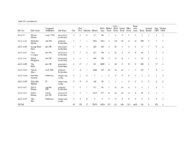
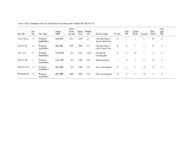
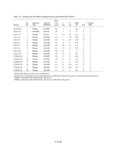
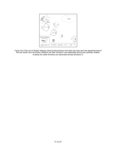
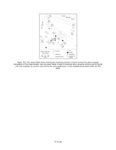
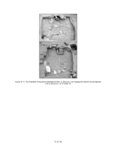
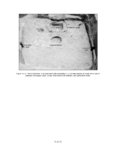
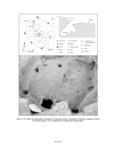
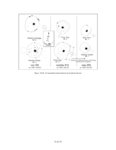
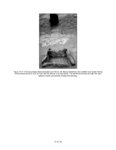
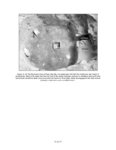
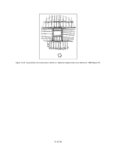
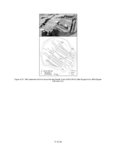
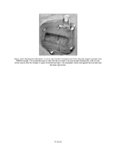
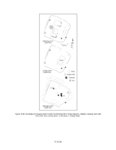
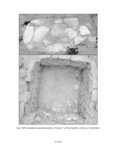
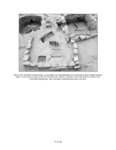
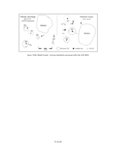
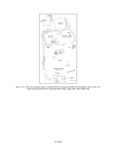
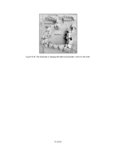
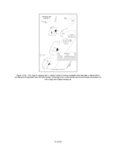
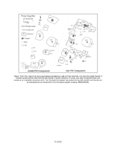
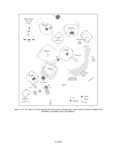
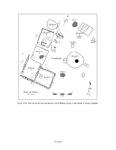
Show mealing rooms, each with a series of three side-by-side bins that were partially dismantled. One probable extramural mealing bin (Pit 21) was also found at the site and it was also disassembled. Water Jar Pueblo was a late Pueblo III habitation site with five structures (rooms) containing architectural mealing features. Structures 1 through 5 occurred in a five-room block. Structure 1 was a multipurpose room containing two side-by-side dismantled mealing bins. Structure 4 was a living room converted to a multipurpose activity room with one intact mealing bin without a metate. Structure 5 was an activity room with two side-by-side mealing bins and a third bin in a room corner that was added at a later date. All three bins in Structure 5 had been disassembled. Structure 6 was a ramada or jacal room containing one dismantled bin. Structure 8 was a shallow semi-subterranean mealing room holding three dismantled side-by-side bins. None of the N16 mealing bins or metate rests contained in situ metates. The metates had been removed from all the bins and all but five of the features had been dismantled to varying degrees. This pattern, which is common at Anasazi sites (e.g. Bartlett 1933; Gumerman 1992:109; Mobley-Tanaka 1997:441; Schroedl 1989; Schelberg 1997:1016; Schlanger 1996:11; Woodbury 1954:62-65), may be indicative of certain abandonment strategies when taken into consideration with other factors such as artifact condition, material sources and values, cost of production, and structure roof treatment (Schlanger and Wilshusen 1993). Mobley-Tanaka (1997:471) also noted that the consistency of this abandonment pattern suggests that it may have had some ritual significance. As with the location of fixed mealing facilities, the distribution of the actual grinding tools was uneven. Of the 173 whole, usable manos (n = 151) and metates (n = 22) recovered from Pueblo II occupation deposits, less than half (n = 71) were discovered in what could be considered probable in-use or storage contexts. All but six of these tools were associated with the interior of structures, indicating that most food grinding occurred indoors. In-use or stored food-grinding tools were not restricted to mealing rooms. Tools, mostly manos, were also stored-and probably used-in living rooms, activity rooms, extramural use areas, and kivas. In conclusion, the distribution of food-grinding tools and architectural features such as mealing bins can help to determine the degree to which individual households had access to food-processing equipment and storage facilities. Evidence from the Archaic sites was sparse and inconclusive. During Basketmaker times it appears that each household controlled its own food-processing equipment and storage facilities. This suggests that individual families conducted typical daily food processing within their own homes. By Pueblo II changes had occurred in social organization. There were specialized processing facilities in the form of mealing rooms that seem to have been used by members of more than a single household. Many households apparently continued to retain possession of some tools such as manos, and some multipurpose rooms and extramural activity areas held mealing bins and tools, but most food grinding probably occurred within mealing rooms where most metates were fixed into permanent grinding bins. Locations of Gender-Specific Activities Prior discussion in the chapter has established that some stone grinding tools were probably linked with gender-specific activities and that both women and men manufactured stone tools, although not necessarily the same types of tools. Manos, metates, and possibly rectangular crushing stones were designed and used primarily for food preparation. Ethnographic evidence shows that among Puebloan groups food preparation and cooking were tasks generally reserved for females. Therefore the distribution and locations of these grinding tools should provide information about where the genderspecific task of food preparation occurred. At Archaic sites little could be discerned about control of access to food-grinding tools based on the distribution of manos and metates. Nevertheless, given what is generally known about the Archaic, these tools were presumably owned and used by women in each family. The transitory nature of the N16 Archaic sites, along with the groundstone assemblages from these sites, suggests that many foodgrinding tools were considered expendable. Except for a favored mano or two, which would have been relatively easy to transport, women most likely left their food-grinding tools when they moved away from a site. Several of the Archaic sites appear to have been visited repeatedly and it is possible that women left their tools with the expectation of using them again if they returned. Most manos and metates were concentrated near hearths, and much of the food grinding probably occurred in these areas. Both men and women undoubtedly conducted many activities in the areas around the hearths and therefore these areas were unlikely to have been task or gender specific. During the Basketmaker period each household controlled access to its own food-processing equipment and storage facilities. Although not present at any of the N16 sites, it is not uncommon for V.6.37 |