| OCR Text |
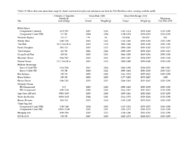
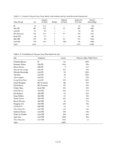
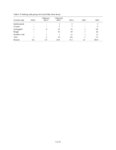
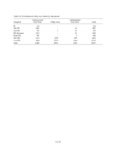
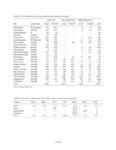
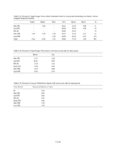
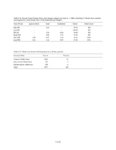
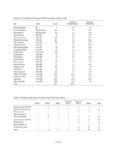
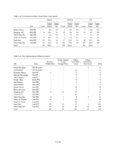
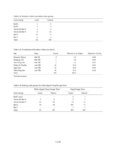
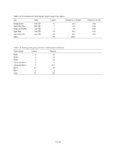
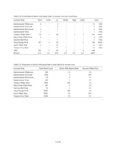
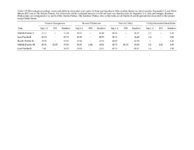
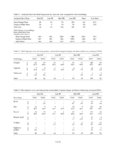
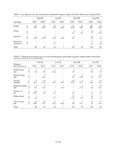
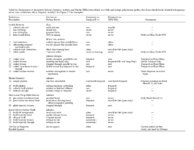
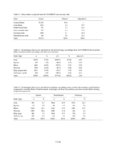
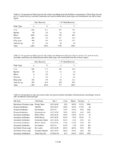
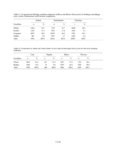
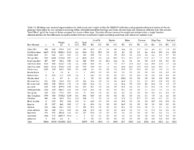
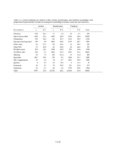
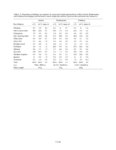
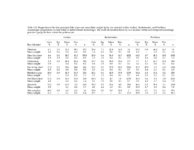
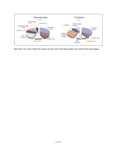
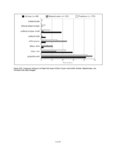
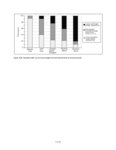
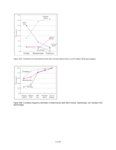
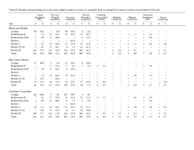
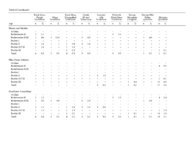
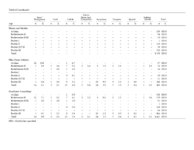
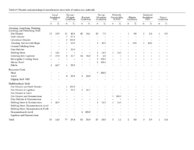
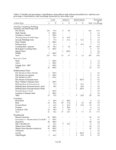
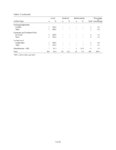
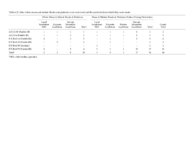
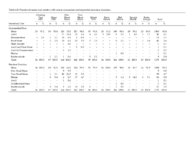
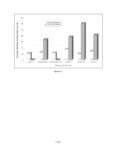
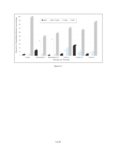
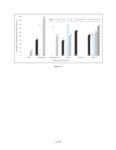
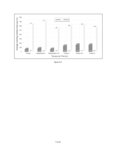
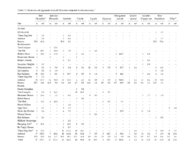
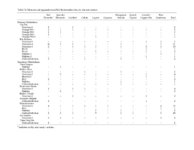
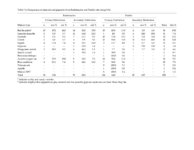
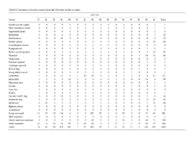
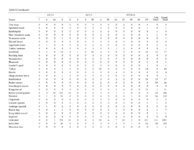
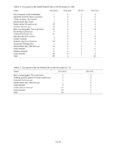
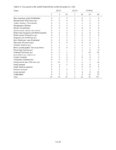
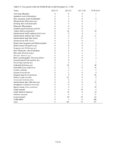
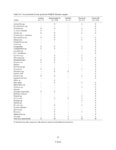
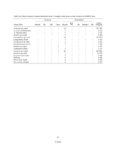
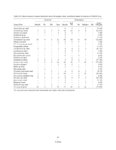
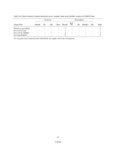
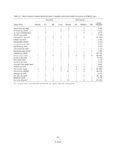
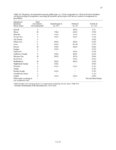
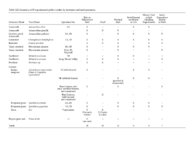
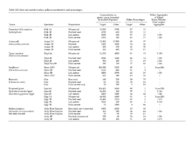
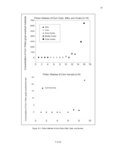
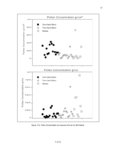
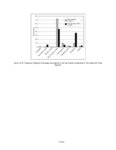
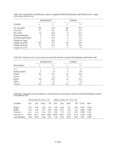
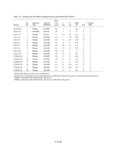
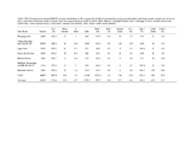
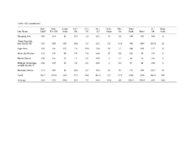
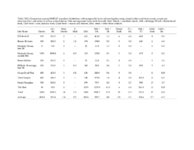
Show most distinctive portions of the Basketmaker II assemblages. Yet the cave assemblages of the area combined with the certain classes of nonperishable artifacts from both open and sheltered sites strongly indicate a significant disjuncture in the archaeological record of the northern Kayenta region. This is evidenced when considering the whole suite of material remains that may serve to track the history of cultural transmission, both the artifacts that passively monitor or reflect social groups because of learned patterns of production and those that might be used to actively express identity. Just having crops is the initial step towards greater subsistence specialization, but there is considerable debate about the extent of economic dependence on cultigens during the preceramic farming interval. Matson (1991; Matson and Chisholm 1991) made a case that late Basketmaker II (ca. AD 100-400) populations on Cedar Mesa were nearly as dependent on maize as were the later Puebloan populations of this mesa (cf. Wills and Huckell 1994:38-39). Maize recovery from flotation samples of NMRAP Basketmaker and Puebloan sites offers a useful means for assessing the relative importance of maize in the Basketmaker diet, especially after controlling for whether a site was a primary or secondary habitation, since maize remains are less likely to occur in flotation samples from the latter type. Based on all plant parts (kernels, cupules, cobs, and other), maize ubiquity was high during the Basketmaker period, being the most common food remain in the flotation data set other than goosefoot seeds. At primary habitations, maize actually equals or exceeds the percent presence of goosefoot seeds. Although maize appears to be slightly more common within Puebloan flotation samples, this is likely a product of the comparative overrepresentation of float samples from primary habitations (80% for Puebloan, 56% for Basketmaker). Maize ubiquity significantly differs between primary and secondary Basketmaker habitations, with the former having a value of almost 80 percent and 32 percent for the latter. Based on 20 flotation samples (73 liters of sediment), maize recovery from the Basketmaker primary habitation of The Pits was 20.8 parts per liter and 1.7 kernels per liter. With maize occurring in 90 percent of the samples from this site and 75 percent from the primary habitations of Kin Kahuna, there is little room for an increase in maize representation. Maize is no more ubiquitous at Pueblo II and III habitations of the northern Kayenta region, varying between 60 and 90 percent with a total value of 63 percent for the 200 NMRAP Puebloan flotation samples, nearly all of which came from primary habitations (see also Geib and Casto 1985). Measuring agricultural dependence is a complicated issue for archaeologists, made even more so these days because of the many separate lines of evidence that can be mustered, some of which may give conflicting results. Even when maize remains are exceedingly abundant, as at the Donaldson and Los Ojitos sites (L. Huckell 1995), the question remains, "does an abundance of evidence necessarily translate into evidence of abundance?" (B. Huckell 1985:120). The truth to this claim for western Basketmaker II overall is borne out by a recent isotope analysis of Kayenta region Basketmaker burials (Coltrain et al. 2007). With ‰13C values ranging from -5.9 to -13.7 and a mean of -8.0 ± 1.7 (Coltrain et al. 2007: Tables 1 and 2), the results demonstrate that Basketmaker II people were heavily dependent on maize by 400 cal. BC to the extent that their isotope values were similar to those of Puebloan farmers a thousand years later. The flotation results and the common field recovery of maize from nearly all Basketmaker features at primary habitations reflect this heavy emphasis on food production. This does not mean that foraged resources did not provide an important supplement to domesticates. That foraging was important to Puebloan farmers even during the recent past (e.g., Whiting 1950) reveals that there is every reason to expect the same during the interval when crops were initially used on the Colorado Plateau. Equally, though, the use of wild resources or non-domesticates says nothing necessarily about the extent of reliance on food production or about which is supplemental to which. Whereas food production might have been initially adopted so as to maintain a foraging lifestyle (Wills 1988:36), as a means to continue a traditional way of life under altered circumstances, it likely would have been maintained as a means of buffering the economic risk associated with farming in a sometimes inimical environment where crops were lost to frost, inadequate rain, or other problems. Surviving through bad years no doubt hinged upon gathered and hunted resources and even during good years crops alone would not have sufficed. If for no other reason than dietary diversity, Basketmaker groups would have sought out plant foods other than their crops; more important, they are a source of basic nutrients (Bye 1981:114-116). Yet, the carbon isotope data strongly indicate that the Basketmaker economy was focused around maize production. The most important ecologically wild resources seem to have been pinyon and ricegrass. Other "wild" plants consisted mostly of field weeds, which were largely a side benefit of agricultural disturbance and hence should not be treated as foraging in the sense practiced by Archaic groups of the local area thousands of years prior. The nature of the Archaic and Basketmaker settlements documented by the NMRAP reveals a marked difference suggestive of a profound alteration in adaptive strategy. The Archaic sites of the V.16.5 |