| OCR Text |
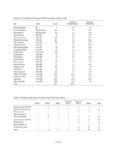
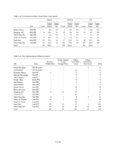
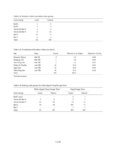
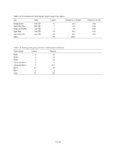
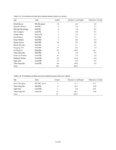
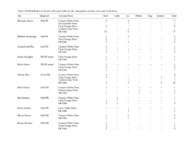
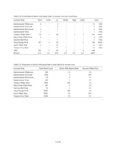
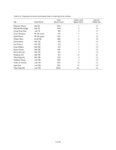
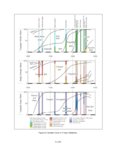
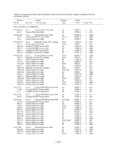
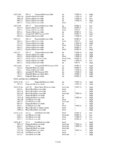
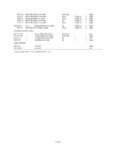
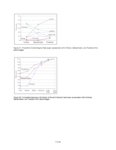
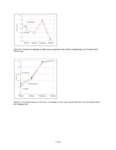
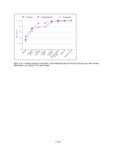
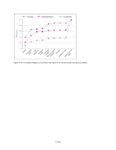
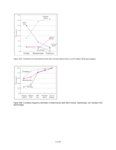
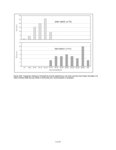
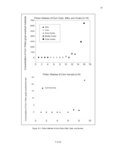
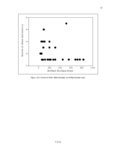
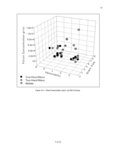
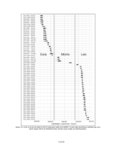
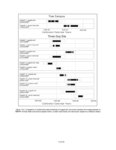
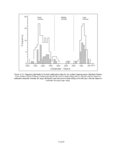
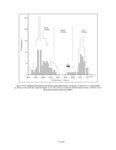
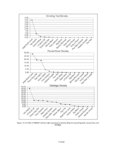
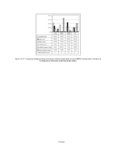
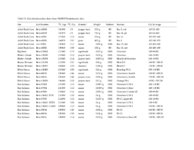
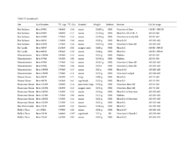
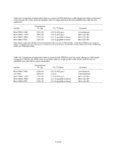
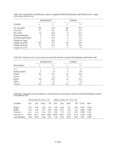
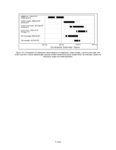
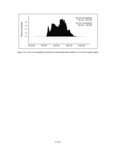
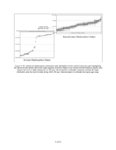
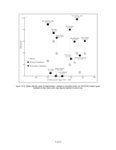
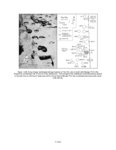
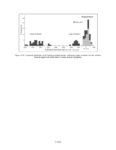
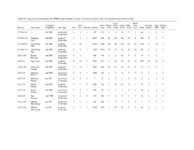
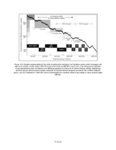
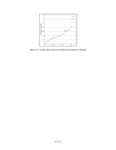
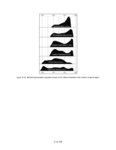
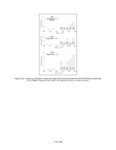
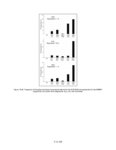
Show changed this situation and not just because of the presence of domesticates but also by creating disturbed settings that allowed the proliferation of many useful weeds (e.g., Bye 1976, 1981; Ford 1984:129-130) and even the concentration of game following Linares's (1976) garden hunting hypothesis. The Age of Maize The antiquity of farming on the Colorado Plateau and in the Southwest generally is a constantly moving target. Even before the ink is dry on a latest pronouncement about the initial use of domesticates, there is some new discovery that pushes the age of maize further back in time, with the Old Corn site (Huber 2005) being just the latest in a long string during the past few decades. There is, however, an absolute limit to the age of maize in the Southwest, set by the oldest corn in Mexico, which is currently dated at about 5400 radiocarbon years BP (Piperno and Flannery 2001). Squash (Cucurbita pepo) is even older in Mexico (Smith 1997), but this domesticate appears to have arrived in the Southwest contemporaneously with corn as part of the same cultural/adaptational package. Since corn is far more visible in the archaeological record (both macroscopically and microscopically) than squash, it serves as the marker for the spread of farming. In essence, the age of maize for a region equals the age of farming for that region. Of course the mere presence of a domesticate does not necessarily imply a farming-based economy, since foragers may have traded for corn ears or kernels from adjacent farmers. Moreover, as some have argued, domesticates may have initially been incorporated into existing forager subsistence/settlement strategies with minimal adjustment (e.g., Irwin-Williams (1973, 1979; Minnis 1985, 1992). Despite recent revelations elsewhere, the age of maize in the northern Kayenta region is not all that old. Domesticate use for the northern Kayenta region appears no earlier than about 400 cal. BC and the sites at which it is found are designated as Basketmaker II. Maize first appears in the northern Kayenta region after an evident decline in date frequency between about 700 and 400 cal. BC and perhaps even a slight gap although this will probably disappear with additional assays (Figure 14.10). Two hearths from a single NMRAP site (Three Dog) dated between about 800 and 400 cal. BC (two-sigma), but neither contained maize nor did the rest of the features from the component with these hearths. All sites on the older side of the date decline/gap lack maize whereas most sites on the younger side contain maize, some in considerable abundance (see below). Moreover, there is an obvious change in the archaeological record that also coincides with this date decline/gap and the arrival of maize (previously reviewed in Geib and Spurr 2002). I have classified all sites on the older side of the date gap as late Archaic (or terminal Archaic), in that they appear to be the archaeological expression of a continued foraging lifestyle. The sites on the younger side of the date gap are classified as Basketmaker II. The earliest direct maize date on the Rainbow Plateau is roughly 300 cal. BC (2230 ± 60, Beta-73979), and there are no earlier dates for sites that produced corn. As more corn and squash from preceramic contexts on the Rainbow Plateau and elsewhere in the local area are directly dated it might well turn out that domesticate use in this portion of the Kayenta region matches that for Marsh Pass and Black Mesa (Smiley 1994; Smiley and Parry 1992; Smiley et al. 1986), where corn was definitely present by about 800 cal. BC (multiple corn dates in the 2500s BP), with the likelihood that it might date as early as 1000 BC (the 2880 BP date from Three Fir Shelter). Nonetheless, the current evidence for the age of domesticates on the Rainbow Plateau is based on a robust sample size of 55 direct dates on corn cobs or kernels from a variety of site types, including rockshelters and caves that might have a greater chance of having been occupied during the earliest part of the Basketmaker II sequence. Furthermore, corn was not selected for dating based on some criteria that might have lowered the probabilities of including earlier specimens. Rareness alone could do this if early corn was poorly represented relatively to later Basketmaker corn, but the sample size is beginning to be large enough to render this possibility moot. This mutually exclusive pattern-corn at sites dating more recent than cal. 400 BC but no corn at sites dating older than this-does not seem to be the byproduct of site setting or site preservation. Most of our excavation work took place at open sites, which are ordinarily less likely to yield preserved organic materials than sheltered sites. This sampling problem has been offset to a large degree by the direct dating of corn from several caves on the Rainbow Plateau, including Desha Caves 1 and 2 (Geib and Robins 2003), Dust Devil Cave (Geib 1996a), and Atlatl Rock Cave (see Chapter 2 of Volume II). This effort has yet to produce a date earlier than the Christian era. Thus, there is currently no reason to suspect that the first farmers on the plateau preferred caves to open sites. This is important because Smiley (1998:100) has argued that the earliest evidence for maize use in the Kayenta Anasazi region comes from caves and shelters that form part of the early Basketmaker II White Dog phase rather than from the open sites of the late Basketmaker II Lolomai phase (see also Matson 1991:122-124). This said, it is worth pointing out that there is no necessary reason to expect sheltered sites to produce maize any earlier than open site. Quite to the contrary, current finds reveal just the opposite, V.14.14 |