| OCR Text |
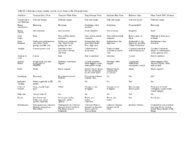
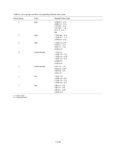
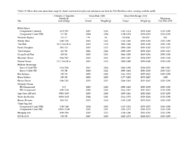
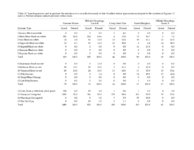
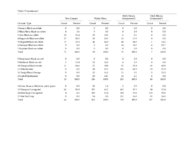
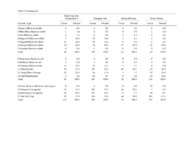
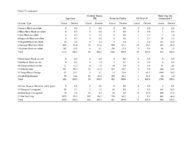
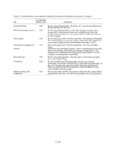
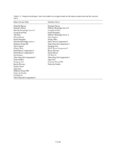
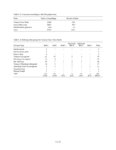
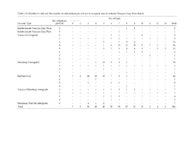
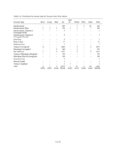
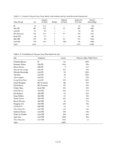
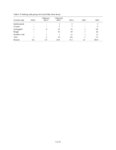
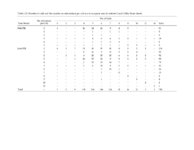
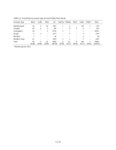
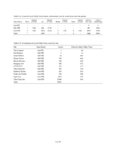
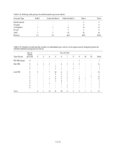
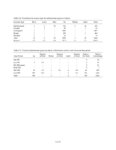
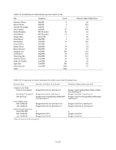
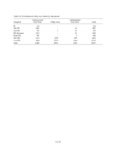
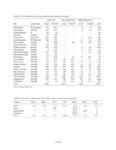
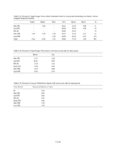
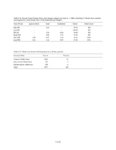
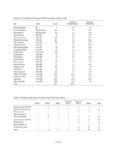
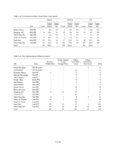
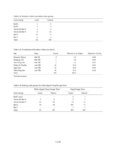
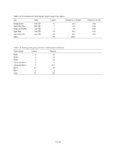
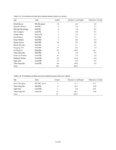
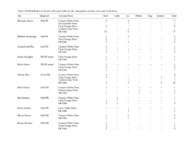
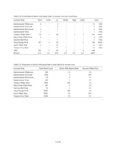
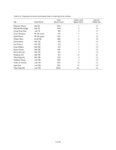
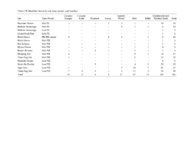
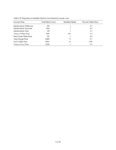
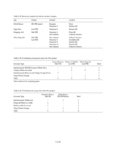
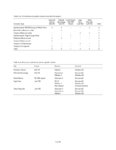
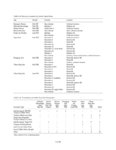
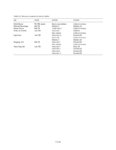
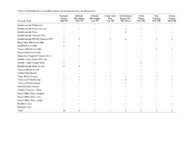
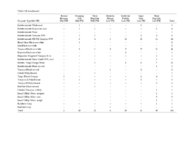
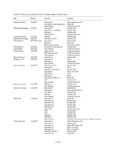
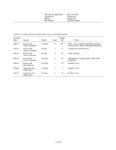
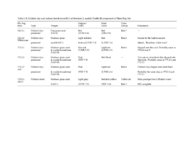
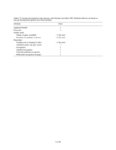
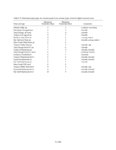
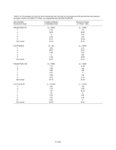
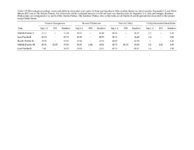
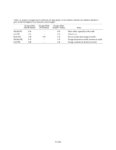
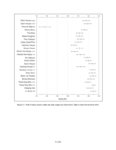
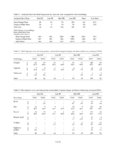
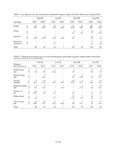
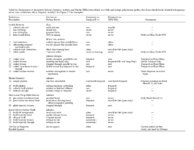
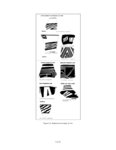
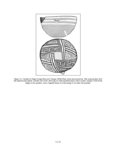
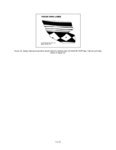
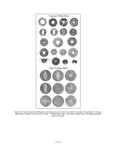
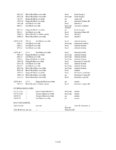
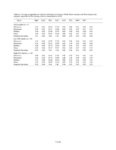
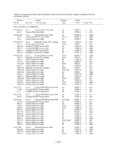
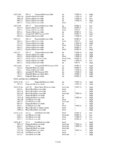
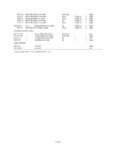
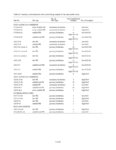
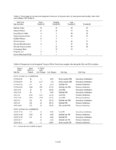
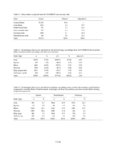
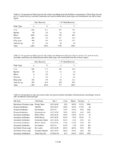
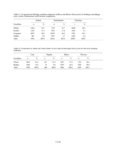
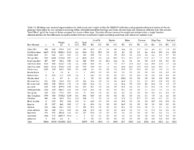
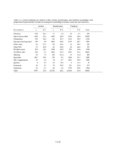
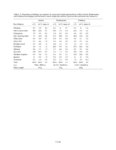
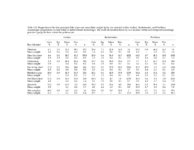
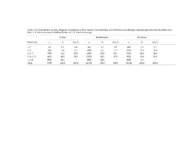
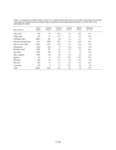
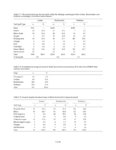
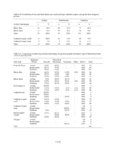
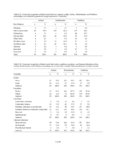
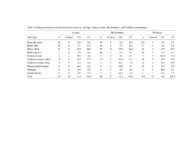
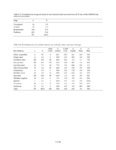
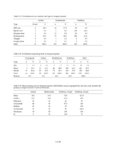
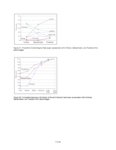
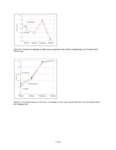
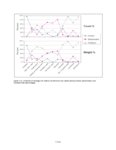
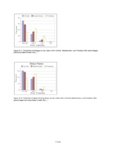
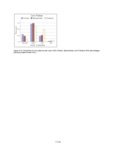
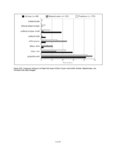
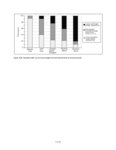
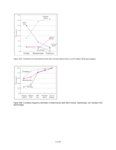
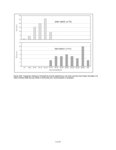
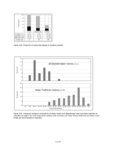
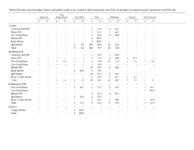
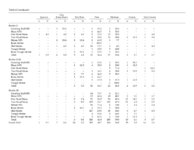
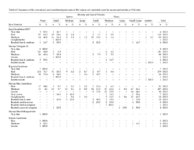
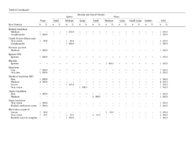
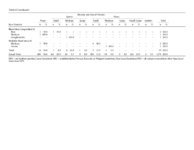
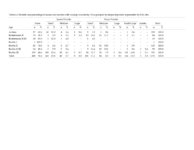
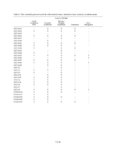
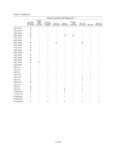
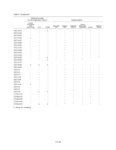
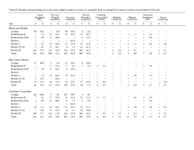
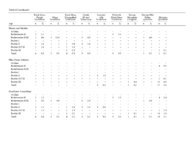
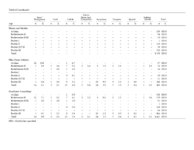
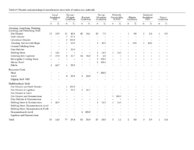
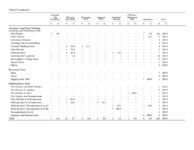
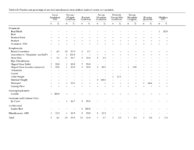
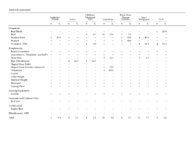
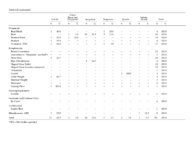
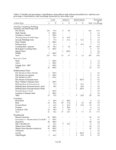
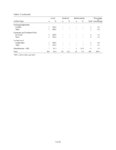
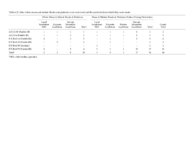
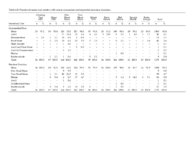
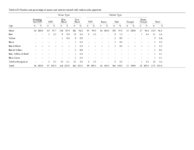
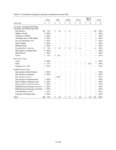
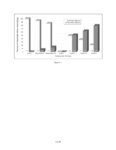
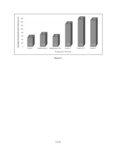
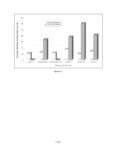
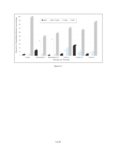
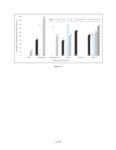
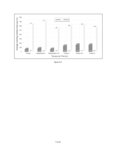
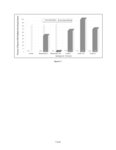
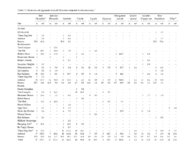
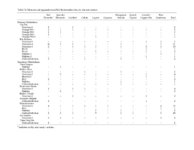
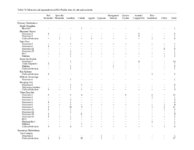
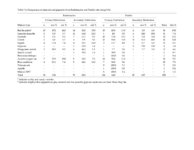
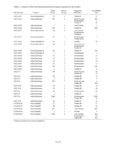
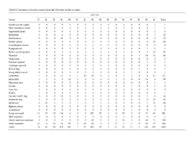
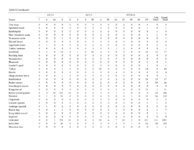
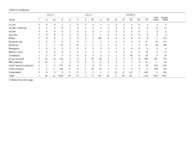
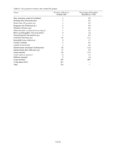
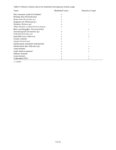
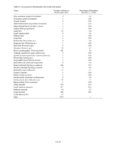
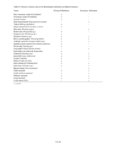
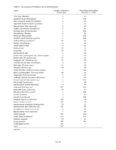
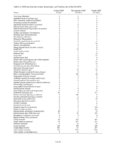
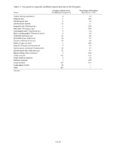
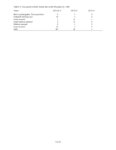
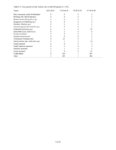
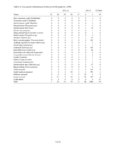
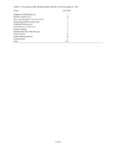
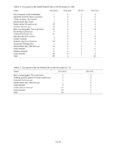
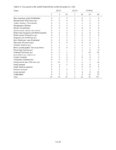
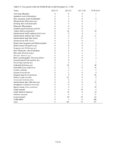
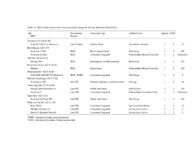
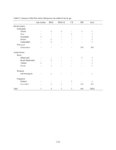
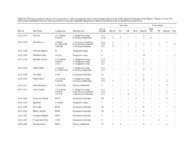
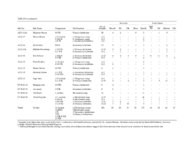
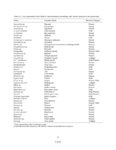
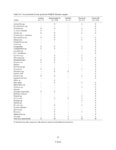
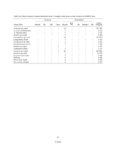
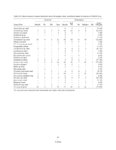
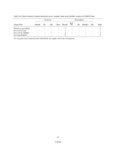
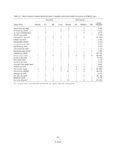
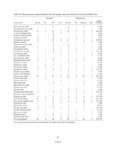
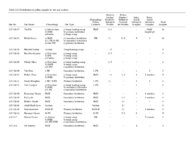
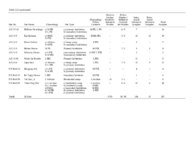
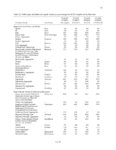
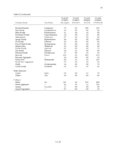
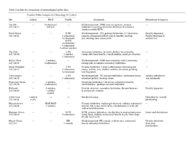
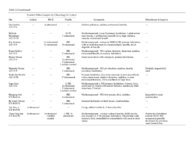
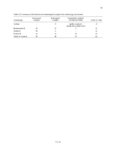
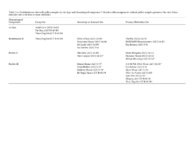
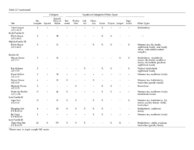
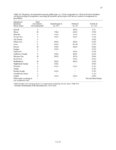
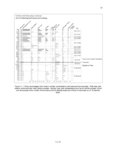
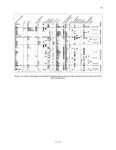
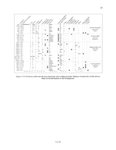
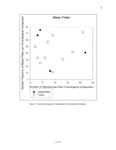
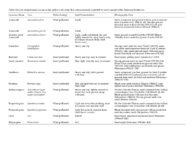
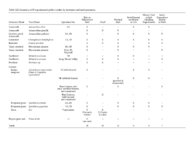
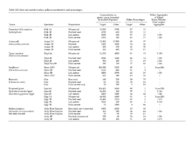
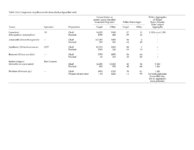
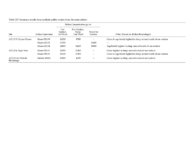
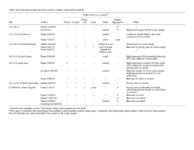
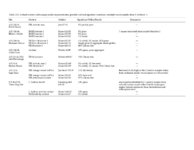
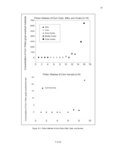
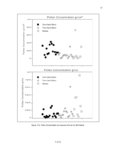
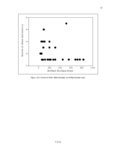
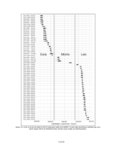
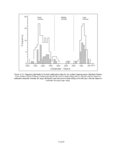
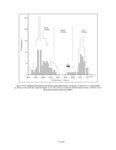
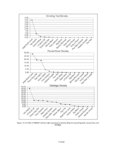
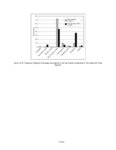
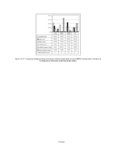
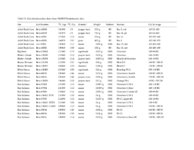
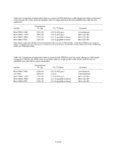
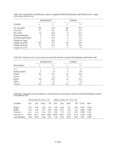
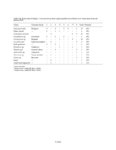
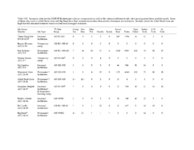
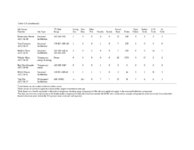
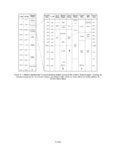
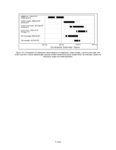
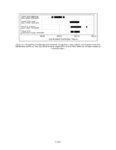
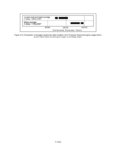
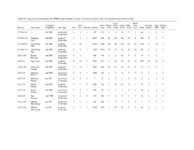
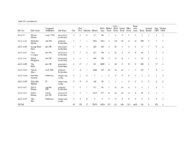
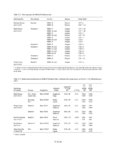
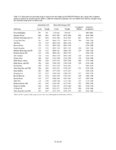
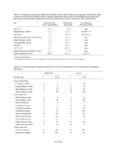
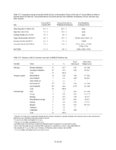
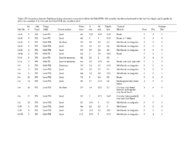
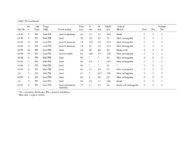
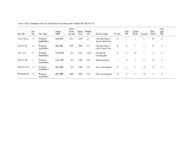
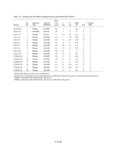
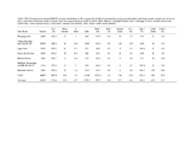
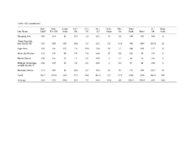
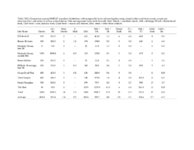
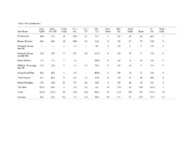
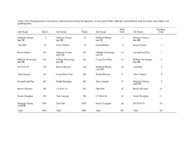
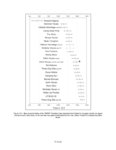
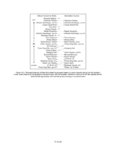
Show treatment, slipped surface, and paint color. We have selected the features from Feinman et al.'s original list that best apply to the Kayenta Anasazi ceramic tradition in general (Table 2.72). For the sake of brevity, we have omitted incising, scoring, and appliqué apart from handle application, which occur rarely in the assemblage. Because bowls and jars differ in the number of surfaces treated, and the use of slipping and burnishing is inconsistent in some types, we calculated maximum and minimum measures for each type. In practice, not all steps are equal-slipping may take less labor than painting, for example-but as a generally consistent way to make comparisons, especially within a production area where a limited suite of techniques are employed, the measure is adequate. Table 2.73 shows that the major pottery types in the project area range widely in their production step measures. Informal types and pottery that was not identified to the type level were not scored. The lowest scoring types were presumably made with the least labor input-all are utility ware types except Tsegi Orange. Lowest is the early brownware type, Obelisk Utility, which was smoothed or scraped on both sides and sometimes burnished on the exterior. It therefore receives a score of 2 or 3. Likewise, Moenkopi Corrugated is scraped on one side and corrugated (unindented) on the other, so it receives a score of 2. Many Moenkopi Corrugated jars have handles, which raises their score to 3. Rainbow Gray with a rough, wiped surface and no evidence of underlying corrugations also receives a score of 2. Many Rainbow Gray vessels do appear to have been built with indented corrugated surfaces that were then wiped over, and these receive a score of 4, the same as Kiet Siel Gray jars without handles. Scores of all utility ware types except Obelisk could be raised one point if we included application of a rim fillet as a production step. Utility ware types, then, score between 2 and, at most, 6. Tsegi Orange emerges as a special case. It has the same fine paste as more elaborate Tsegi Orange Ware types, but is simply scraped or smoothed, and rarely, if ever, burnished. By definition, it remains undecorated. A relatively high frequency of exterior sooting on Tsegi Orange sherds, even bowl sherds, suggests that this type was not as expedient to make as a utility ware, but it was often treated as a utility ware, or perhaps as an expedient, multifunctional type, much like the earlier Obelisk Utility. Bichrome decorated jar forms have medium scores, between 5 and 7, depending on the presence of handles and whether the exterior surface was slipped or burnished prior to painting. Decorated bowls usually receive higher scores, between 5 and 8, because the exterior surface was often slipped, burnished, or both. Western Mesa Verde White Ware vessels were always slipped, to cover the dark paste; Tusayan vessels were often but not always slipped, but late types often have handles; Tsegi Orange Ware vessels were often slipped or painted on both sides, but often were not burnished. The highest scoring types are the Tsegi Polychrome bowls. By definition, they have multiple slip and paint colors, and all but the Pueblo II period Cameron and Citadel Polychromes usually have handles. Polychrome bowls score between 6, for an unburnished Tusayan Polychrome bowl, and 10 for a tri-color, slipped and burnished Kiet Siel Polychrome bowl. Several strong temporal trends are also apparent. First, utility ware labor input starts low, with Obelisk Utility, represented at the Mountainview site. Early brownware represents a fairly expedient technology shared throughout the Southwest and Mexico. Labor input then increased, peaking with Tusayan Corrugated, best represented at sites like Hammer House. Pueblo III period grayware types have lower production step scores, suggesting selection for increased production efficiency. In contrast, labor input into redware bifurcates over time. Early (Pueblo II) bichrome and polychrome vessels have similar scores to their whiteware counterparts. Pueblo III redware either has more labor input or less than Pueblo II types. High labor input is evident in polychrome paints, handles, or both, as in Tusayan Polychrome and later white outline polychromes. At the same time that decorated bowls became more elaborate, the plain, unburnished Tsegi Orange type appeared, becoming very frequent. On the Navajo Mountain Road project, we lack the tiered settlement pattern for which Feinman et al. (1981) invented their large site/small site measure, but we do have the opportunity to compare contemporaneous habitation sites with non-habitation, special-use sites. Unfortunately, some time periods have only one category of site, in most time periods sample sizes are not comparable, and in later periods the majority of ceramic categories could not be assigned a production step measure because they do not belong to formal types (for example, "unclassified corrugated" pottery was not subcategorized into indented, obliterated, and other necessary categories; "indeterminate Tsegi Orange Ware" might or might not have had slip or paint). Statistics are therefore highly suspect, but we can at least suggest that there is little difference in the frequencies of ceramics with high and low production step scores between habitation and non-habitation sites (Table 2.74), with rare exceptions as follows. In the late Pueblo II assemblage, habitation sites appear to have a larger proportion of lowproduction-step ceramics than non-habitation sites, contra the expectation that larger sites should have more labor-intensive ceramics. The sample from habitation sites is too small to consider these results V.2.56 |