| OCR Text |
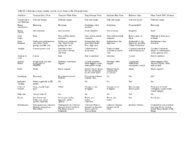
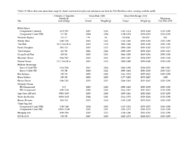
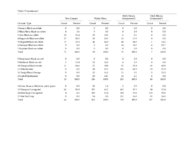
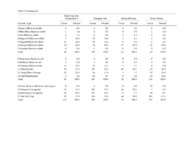
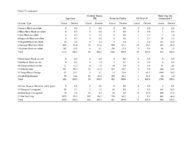
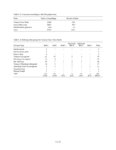
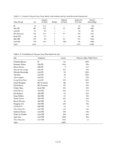
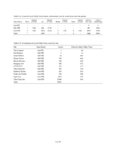
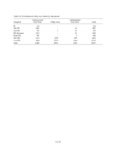
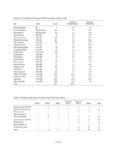
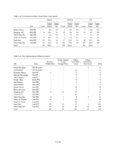
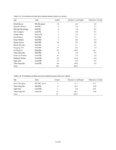
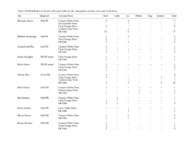
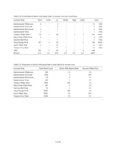
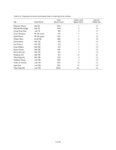
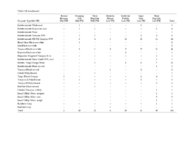
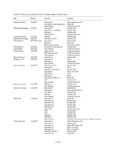
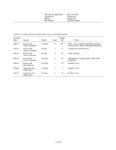
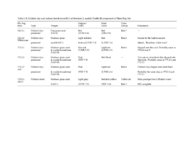
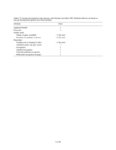
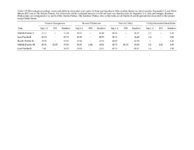
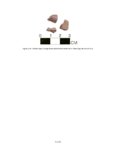
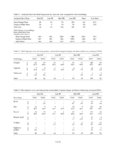
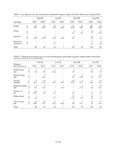
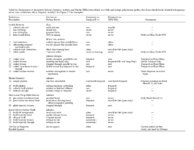
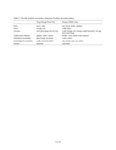
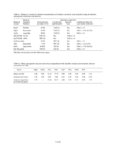
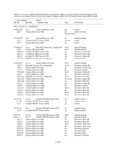
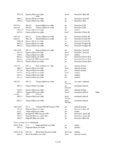
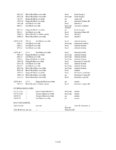
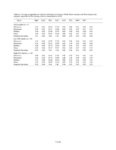
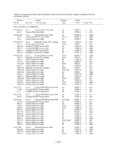
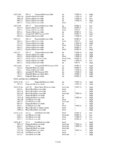
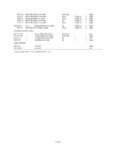
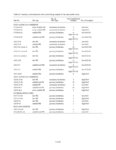
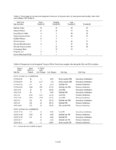
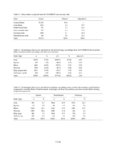
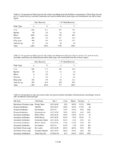
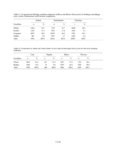
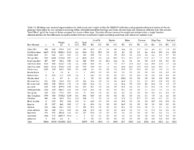
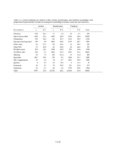
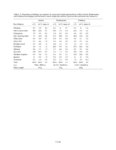
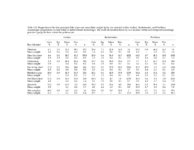
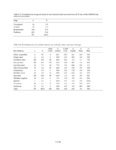
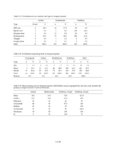
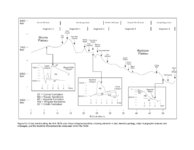
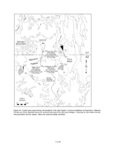
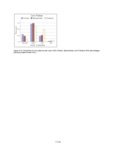
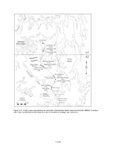
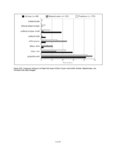
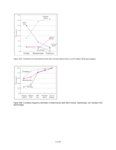
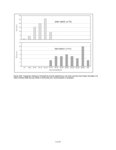
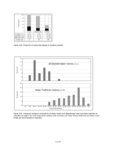
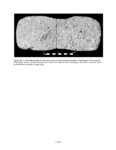
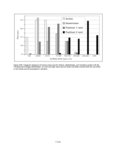
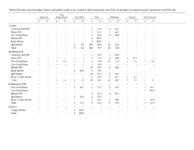
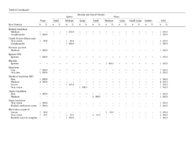
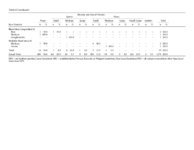
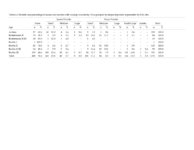
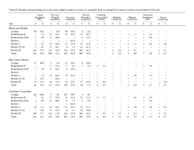
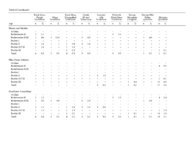
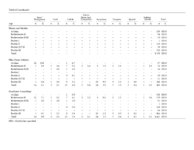
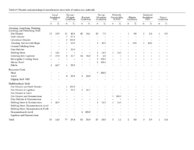
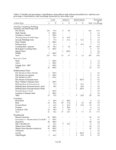
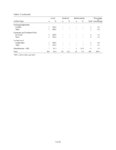
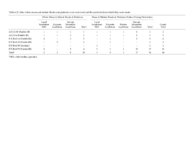
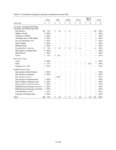
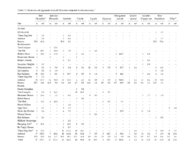
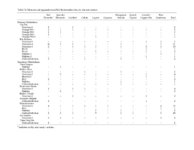
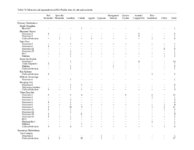
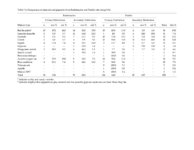
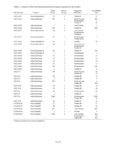
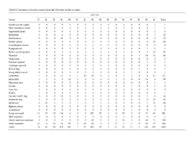
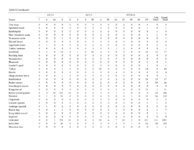
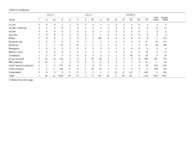
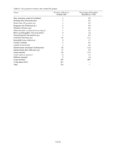
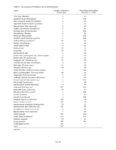
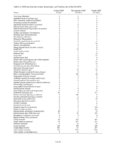
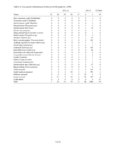
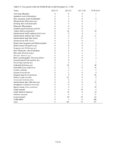
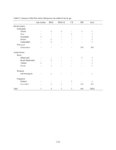
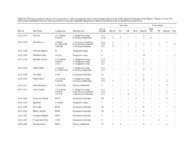
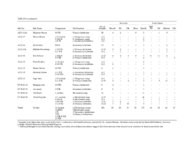
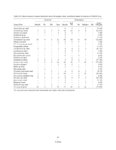
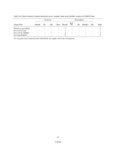
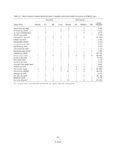
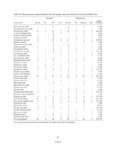
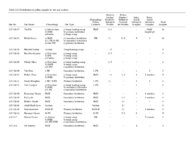
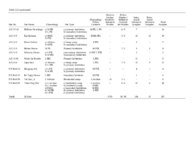
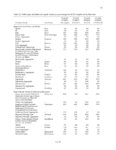
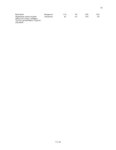
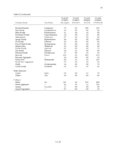
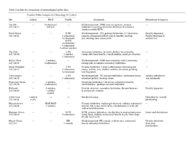
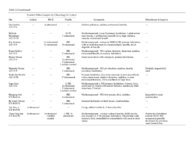
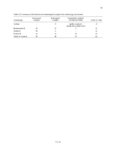
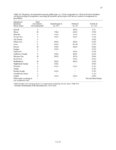
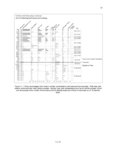
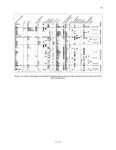
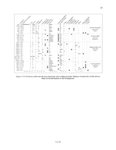
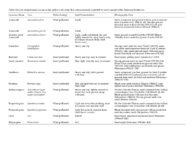
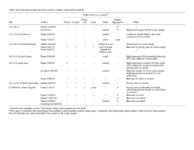
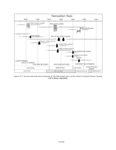
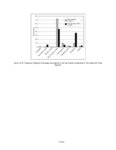
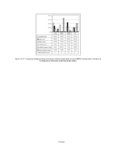
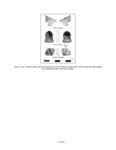
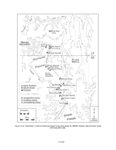
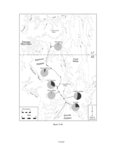
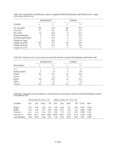
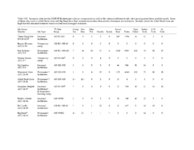
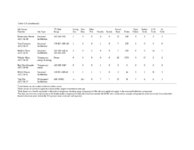
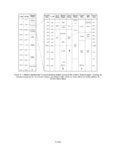
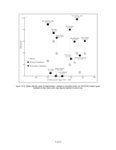
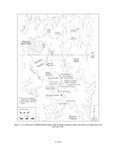
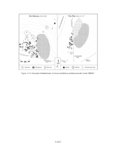
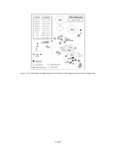
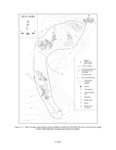
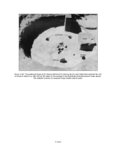
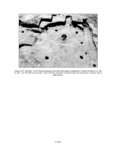
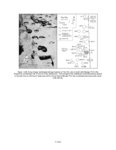
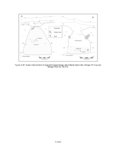
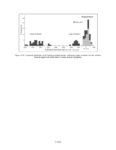
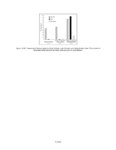
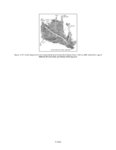
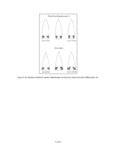
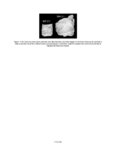
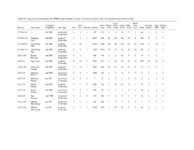
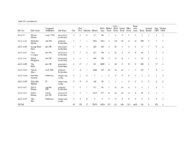
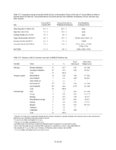
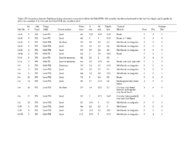
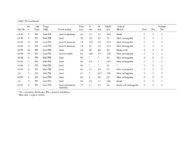
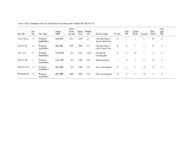
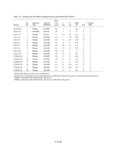
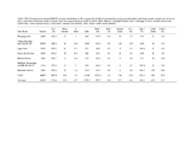
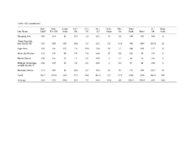
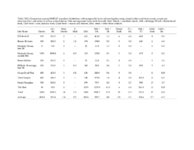
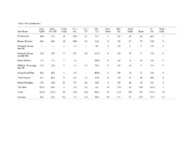
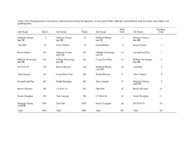
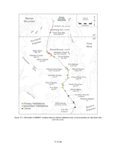
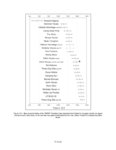
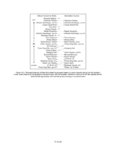
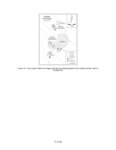
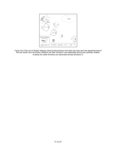
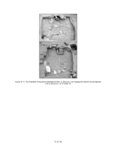
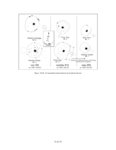
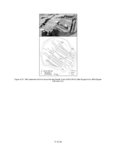
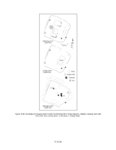
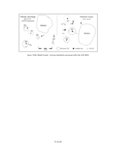
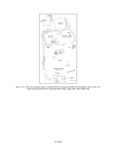
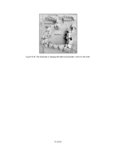
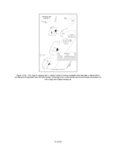
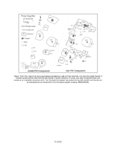
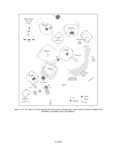
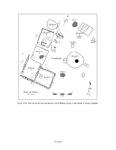
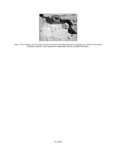
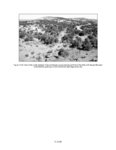
Show such terms have potential problems and they may not accurately characterize settlement variability. "Primary" implies, perhaps erroneously, that any single Puebloan group had but one important settlement that they used on a yearly basis, the principal domicile for a social unit. It is quite possible that they had two such settlements or perhaps even more, but it seems worth differentiating these places from those that appear to have had a more limited settlement role both seasonally and functionally. Indeed, it is in the context of contrasting the records of these two different settlement types that there is a need for terms that encapsulate the differences. If it is possible to recognize sites as "secondary" habitations, which seems quite evident for the bulk of examples considered next, what are they subsidiary to if not a principal place of residence? The issue is tied up both with theory and with how we recognize or measure patterned differences in the archaeological record. There are identifiable distinctions among sites in construction details-whether the structures were built for permanent use (Kent's [1992] "anticipated mobility" or immobility), storage volume or lack thereof, measures of occupation duration and activity diversity, and so forth-but what one makes of these differences is directly tied to preconceived notions as to how societies organized their subsistence-settlement strategies. As Kelly (1992:60) observed, "There are no Gardens of Eden on earth, no single locales that can provide for all human needs. Mobility- residential, logistical, long-term, and migration-was the first means humans used to overcome this problem." The Kayenta Anasazi used all of these strategies and far more variably than is often assumed or presented in summary characterizations that emphasize modal or typical behavior. The 10 Puebloan primary habitations excavated within the N16 ROW range from single household affairs with relatively simple histories of construction, use, and abandonment (such as Hammer House and Hymn House), to those with multiple households and more complex settlement histories, perhaps best typified by Three Dog Site. In all cases these residential sites have structures of diverse type and functional roles, midden deposits containing abundant and diverse artifact assemblages, and storage capacity of varying size. Primary habitations were identified for all of the ceramic periods found within the project area except Pueblo I, which is represented by a single temporary camp. Table 15.12 presents some basic data for 7 of the 10 primary habitations. Three sites are excluded from this comparison because of limited excavation (Windy Mesa), disturbance and mixture from other components (Ditch House), and lack of sampled trash (the middle Pueblo III component of Three Dog Site). The table presents counts of various artifact classes and bones, counts standardized by number of structures (quantity per structure), and ratios of various artifact classes such as sherds to flakes and debitage to facial flaked tools. As this table shows there are some important differences especially in debitage and bones per structure, which range from less than 46 to more than 436 for flakes and from 6 to just under 228 for faunal bone. Middle Pueblo II. The earliest primary residential sites within the NMRAP data recovery sample date to the middle Pueblo II period or Black Mesa ceramic phase sometime after about AD 1050 but before AD 1100. The two NMRAP sites that characterize the middle Pueblo II interval are Hammer House and Hillside Hermitage (Figure 15.29); at the latter site there is also a late Pueblo II component, but only the earlier component is relevant here. Both are characterized by an architectural suite of a single small household, one that likely was no larger than a nuclear family or perhaps a very small extended family. The inference of small group size is based on the total area of enclosed roofed space, which is less than 20 sq m (18.6 sq m for Hammer House and 19.5 sq m for the middle Pueblo II component of Hillside Hermitage). At each of these primary residences the enclosed roofed space consists of a single semisubterranean jacal living room and a subterranean kiva or pit house; at Hillside Hermitage there is also a largely subterranean mealing room, something lacking at Hammer House, although Structure 3 appears to have served this purpose but lacked mealing bins (the room may well have had two side-by-side metates placed within shallow basins on the floor). Both sites also have probable ramadas or semiprotected outdoor work and activity areas (Structure 1 at Hammer House and Structure 4 at Hillside Hermitage). The jacal living room at Hillside Hermitage (Structure 3) was eventually transformed into a more general purpose activity and storage room by eliminating the hearth and installing a mealing bin. This may have happened after the kiva-like Structure 6 was built, which assumed the role of winter shelter. That these middle Pueblo II habitations are located within 3 km from each other on the southeastern portion of the Rainbow Plateau within close proximity to upper Paiute Canyon might not be a coincidence. Residential sites of this temporal interval are few in the northern Kayenta region and are chiefly known from upper Paiute Canyon (Fairley 1989) and immediately adjacent highlands such as Dzil Nez/Sage Valley (Ambler et al. 1983; Appendix F this report). Habitations from the immediately preceding ceramic period (Wepo) are known only from upper Paiute Canyon, where a few modest-sized (multiple household) settlements occur on the eastern rim (Fairley 1989). Further north on the Rainbow V.15.26 |