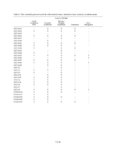
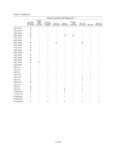
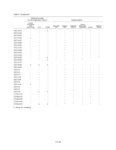
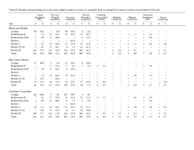
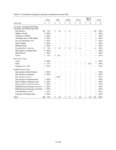
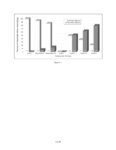
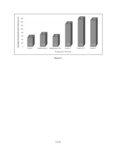
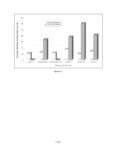
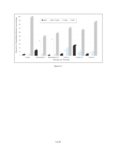
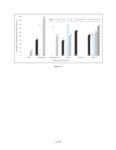
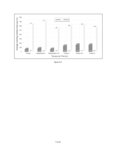
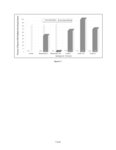
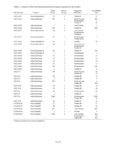
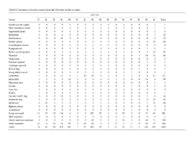
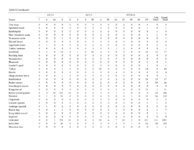
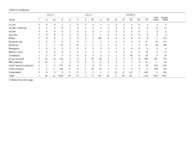
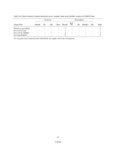
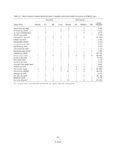
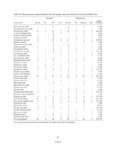
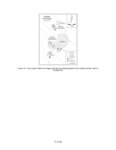
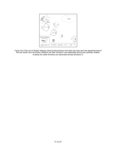
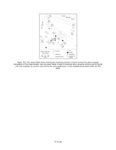
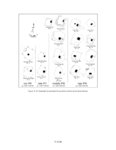
| OCR Text |
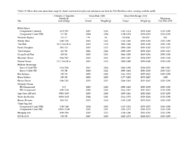
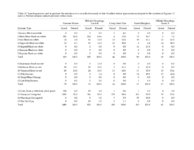
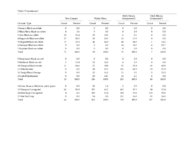
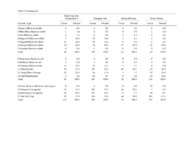
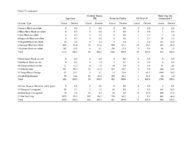
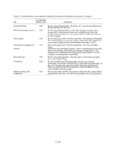
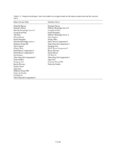
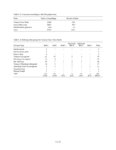
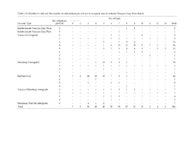
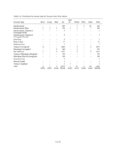
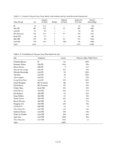
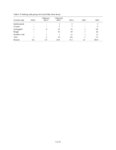
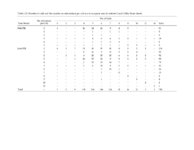
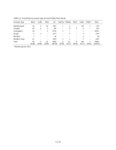
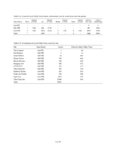
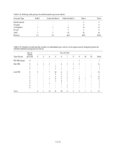
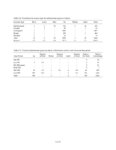
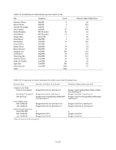
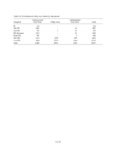
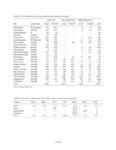
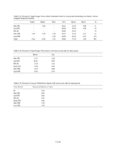
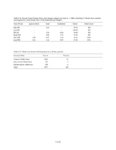
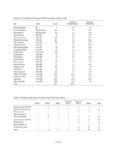
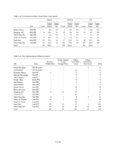
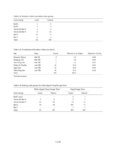
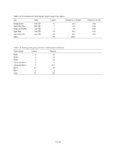
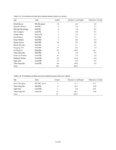
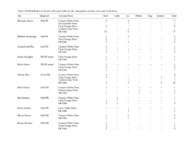
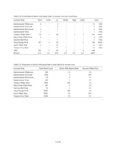
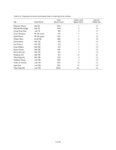
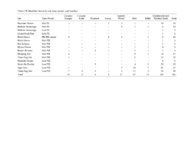
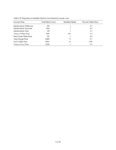
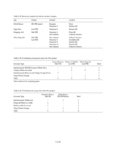
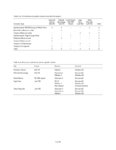
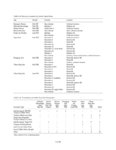
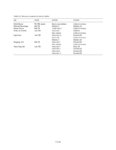
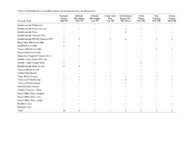
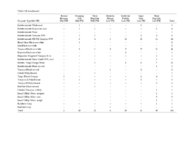
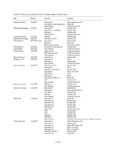
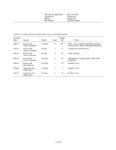
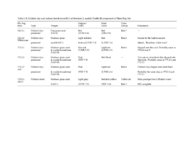
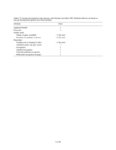
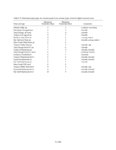
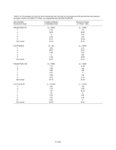
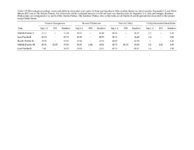
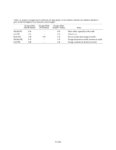
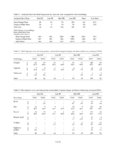
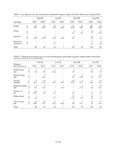
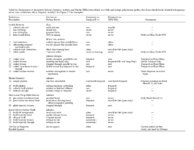
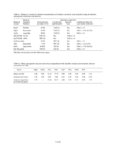
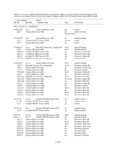
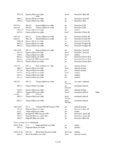
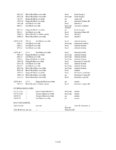
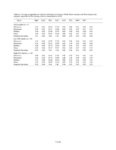
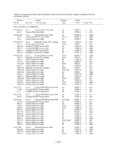
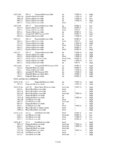
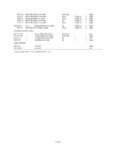
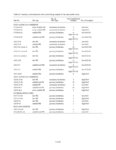
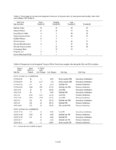
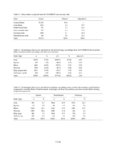
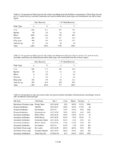
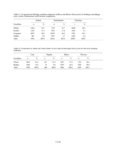
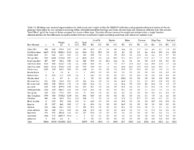
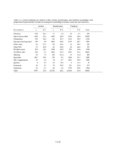
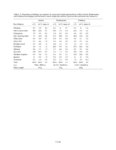
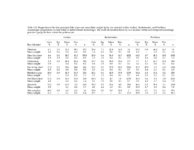
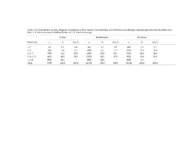
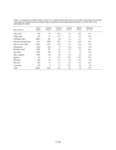
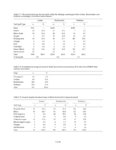
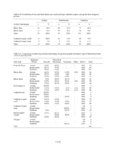
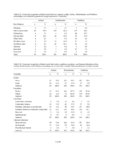
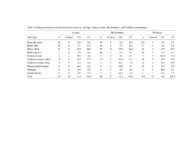
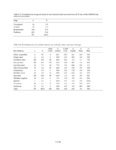
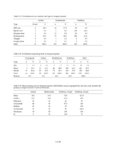
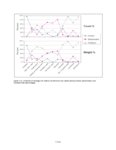
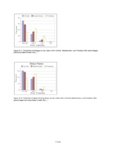
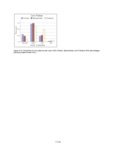
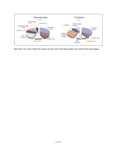
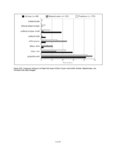
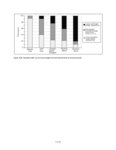
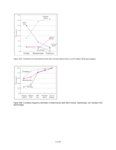
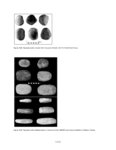
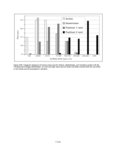
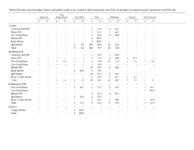
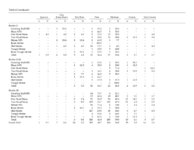
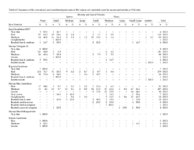
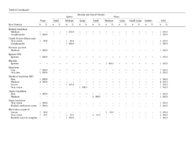
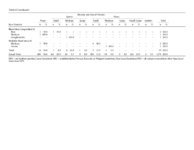
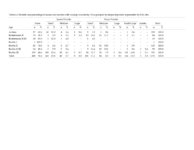
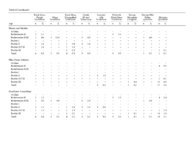
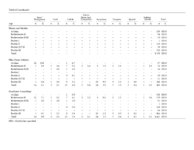
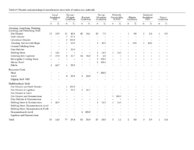
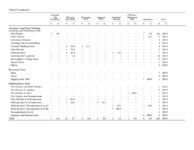
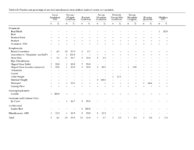
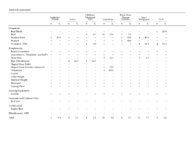
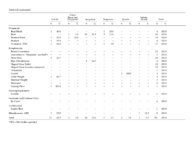
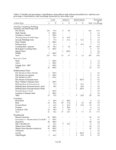
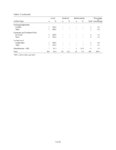
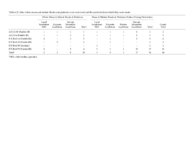
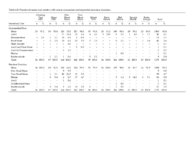
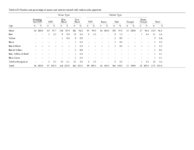
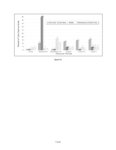
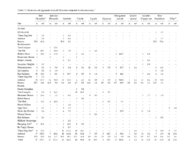
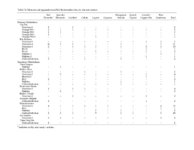
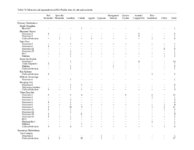
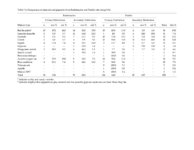
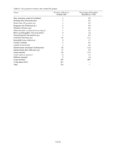
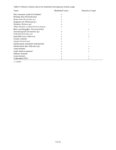
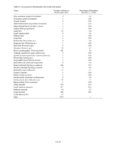
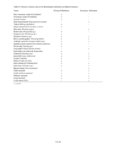
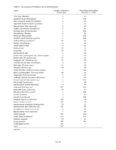
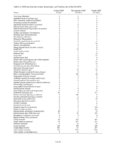
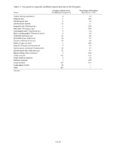
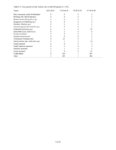
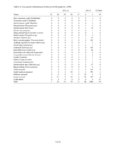
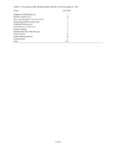
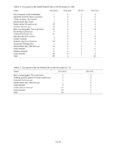
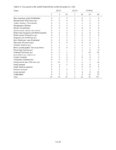
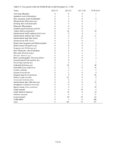
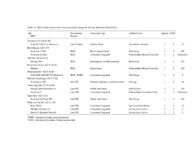
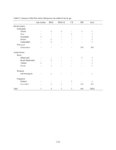
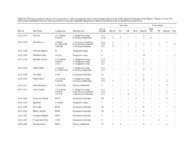
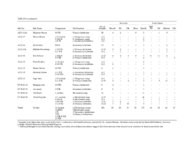
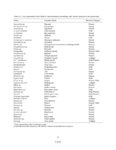
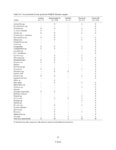
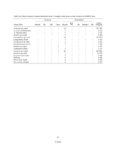
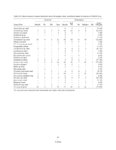
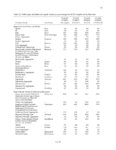
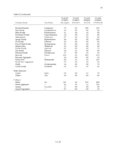
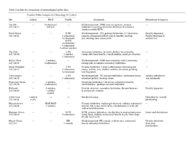
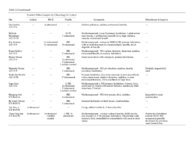
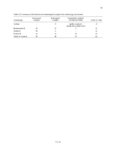
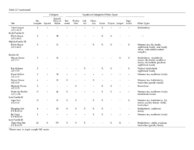
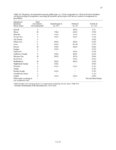
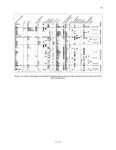
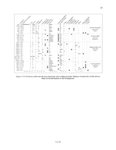
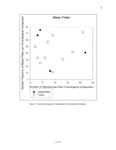
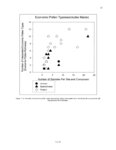
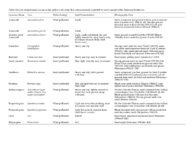
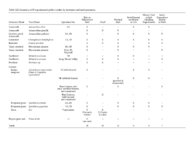
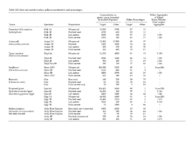
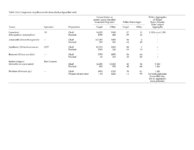
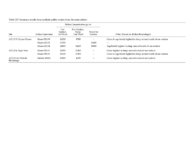
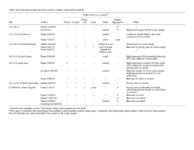
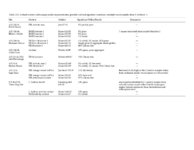
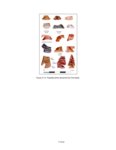
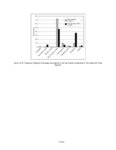
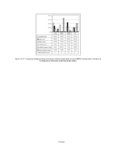
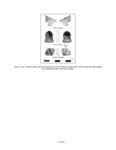
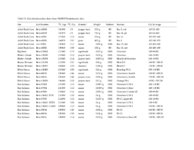
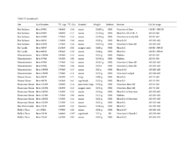
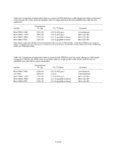
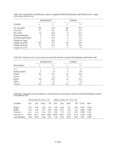
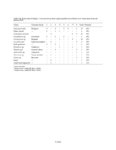
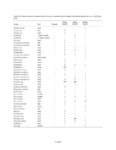
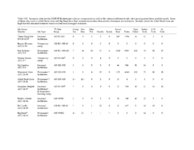
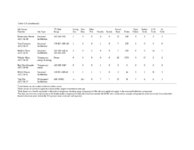
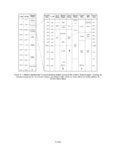
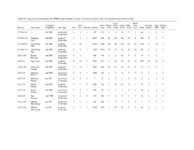
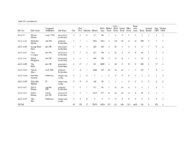
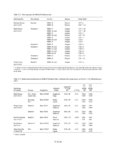
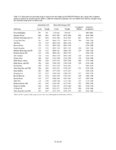
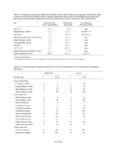
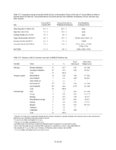
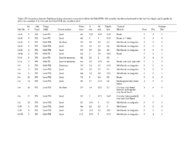
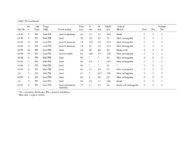
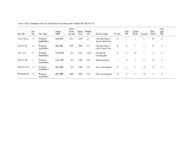
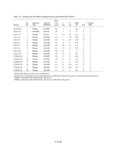
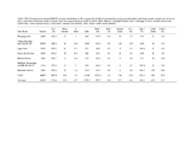
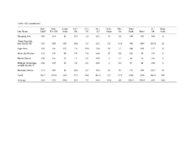
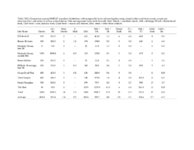
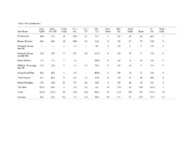
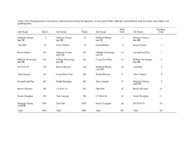
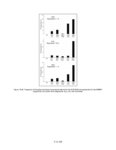
Show Navajo/Wingate Sandstone was used most frequently for basin metates (10 of 16, 62.5%), basin-trough metates (12 of 28, 42.9%), and metates NFS (46 of 98, 46.9%). Kayenta sandstone was the second most commonly used material for all three of these categories. Trough metates (12 of 21, 57.1%) were most frequently made of Navajo Mountain sandstone, and this pattern held for both trough metates made of local stone (9 of 17, 52.9%) and those manufactured from nonlocal stone (3 of 4, 75.0%). Kayenta sandstone was the second most often used stone in making trough metates. Slab metates (192 of 366, 52.2%) were most frequently made from Kayenta sandstone, with Navajo/Wingate Sandstone being the second most used material. Among the slab metates there was a distinct difference in stone usage between unformalized and formalized tools. Most of the unformalized slabs (n = 225) were made of Kayenta sandstone (n = 128, 56.9%) and Navajo/Wingate Sandstone (n = 56, 24.9%), but very few (n = 2, 0.9%) were Navajo Mountain sandstone. This was in contrast to the formalized slab metates (n = 57), most of which were manufactured from Navajo Mountain sandstone (n = 27, 47.4%) and Kayenta sandstone (n = 19, 33.3%), but only one (1.8%) of which was Navajo/Wingate Sandstone. This difference probably represents a preference for using harder and coarser material for formalized slab metates that would be more-or-less permanently secured into mealing bins. Navajo Mountain sandstone generally is coarser and much more durable than Navajo/Wingate Sandstone. More than one-fourth (44 of 164, or 26.8%) of the one-hand manos were made of nonlocal materials-more than any other type of mano or metate in both count and percentage of tool type. Nonlocal stone also accounted for 19.0 percent (4 of 21) of the trough metates, 14.3 percent (4 of 28) of the basin metates, 8.6 percent (31 of 362) of the two-hand manos, 6.3 percent (1 of 16) of the basin metates, and 2.5 percent (9 of 366) of the slab metates. These differences in the percentages of manos and metates made from nonlocal stone might reflect the influence of one or more factors, such as differing costs in procuring and transporting the various materials. In the case of transportation costs it seems reasonable to assume that the number of tools made from nonlocal stone would be heavily dependent on variables related to the raw materials the tools are made from, such as desirability of the materials, access to the materials, the distance to the source, and the size and weight of the stones needed to manufacture particular tool types. Based solely on size and weight, raw material for metates would be more costly to transport than the smaller and less heavy twohand manos, which in turn would be more costly to transport than the even smaller and lighter one-hand manos. This is precisely the pattern found in the N16 assemblage. The percentage of tools made from nonlocal stone is smallest for metates (4.5%), higher for two-hand manos (8.6%), and highest for one-hand manos (26.8%). As a possible explanation for the different rates of raw material use, this does not take into account several other important factors, including artifact curation, tool scavenging for reuse and redesign, and the labor costs involved in manufacturing different tool types. Only 8.7 percent (46 of 529) of the metates identified in the whole N16 assemblage were recovered in complete condition (n = 42) or could be refit to complete condition (n = 4). Evidence from several sites suggests that functional metates were removed from mealing bins and structures at abandonment, or were later scavenged. Metates of nonlocal rock may have been preferentially removed if still serviceable, or recycled into manos or other tool forms if no longer usable as metates. It may also be that certain materials were particularly suited, or purposefully selected, for use as certain tool types. An example of this comes from the Black Mesa Archaeology Project where it was found that the percentage of quartzite one-hand manos was higher than quartzite two-hand manos. The difference was attributed to the fact that the available quartzite cobbles were rarely large enough to be used as two-hand manos (Christenson 1987:50). Tables 6.9 and 6.10 show a number of correlations between certain miscellaneous stone artifact types and specific raw materials. Among the 453 miscellaneous stone items identified, just over half (n = 262, 57.8%) were classified as tools. Several miscellaneous stone tool types were linked with specific raw materials. For example, all the ceramic polishing stones were made of quartzite, all the rectangular crushing stones and mauls were manufactured from Navajo Mountain sandstone, and the two cylindrical abraders were Navajo/Wingate Sandstone. Many of these correlations were understandable when the traits of the raw materials were examined. In the case of the ceramic polishing stones all but one of the rocks used were water-rounded quartzite pebbles, stones that would be naturally suited in both size and texture for polishing ceramic vessels. As for the rectangular crushing stones and mauls, all of these tools were found at sites where Navajo Mountain sandstone was locally available in fairly large pieces (i.e. at least small boulders or very large cobbles). In addition, the indurated nature of this material makes it quite durable and therefore desirable. Although not quite as dramatic, there were similar correlations among the 191 non-tool miscellaneous stone items. For example, all but 3 of the 25 round concretions in the collection (including 2 V.6.20 |