| OCR Text |
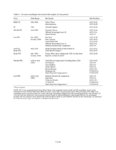
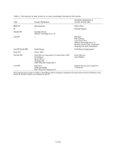
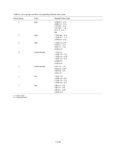
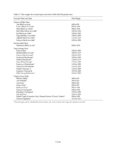
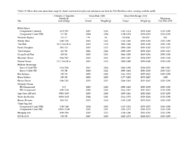
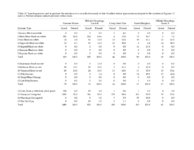
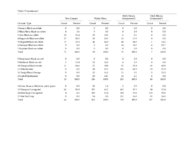
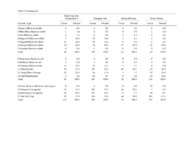
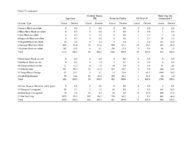
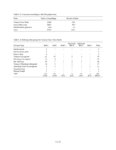
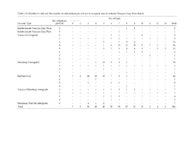
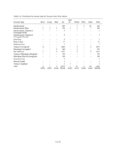
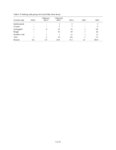
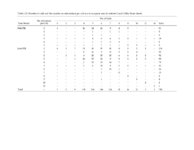
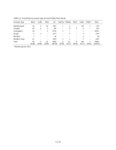
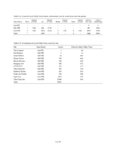
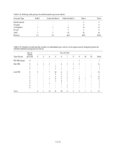
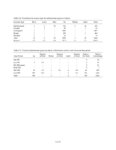
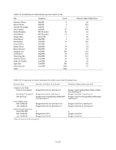
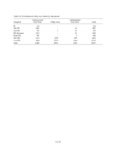
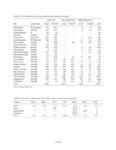
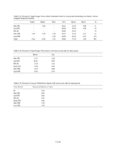
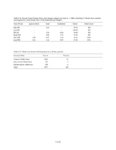
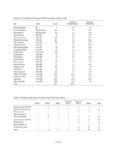
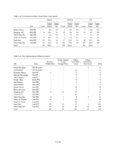
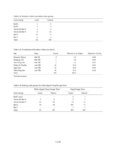
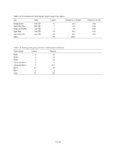
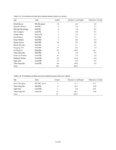
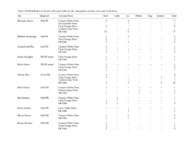
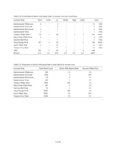
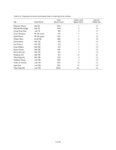
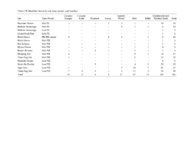
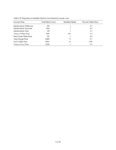
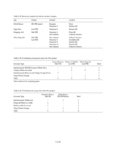
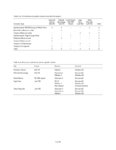
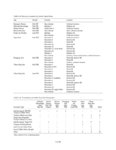
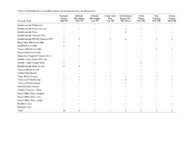
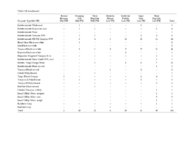
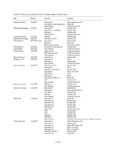
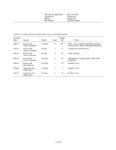
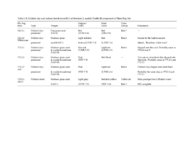
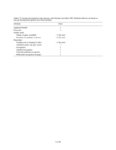
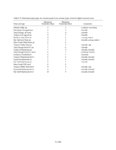
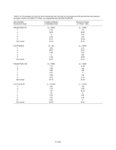
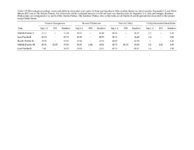
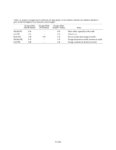
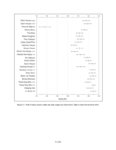
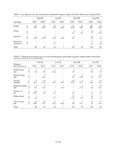
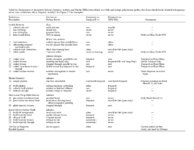
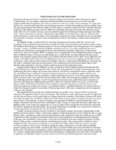
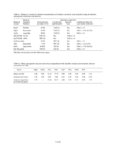
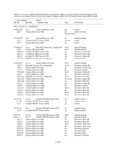
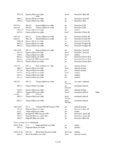
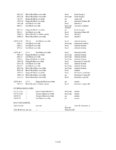
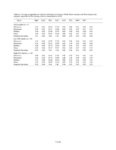
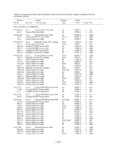
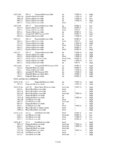
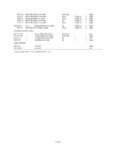
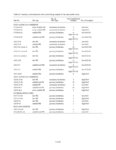
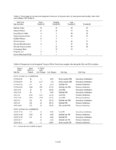
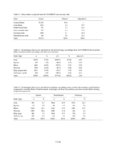
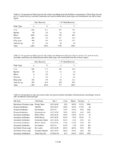
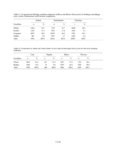
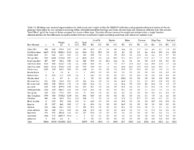
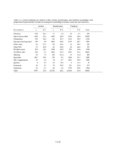
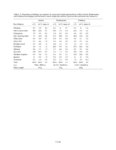
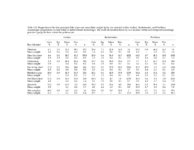
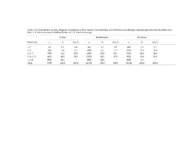
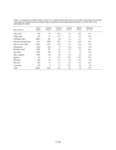
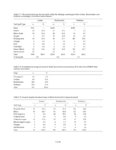
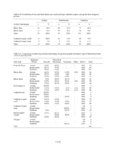
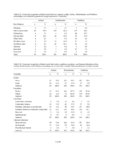
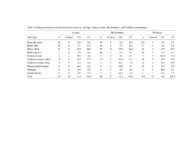
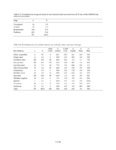
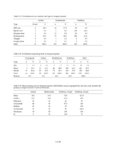
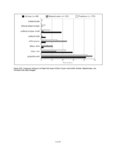
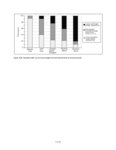
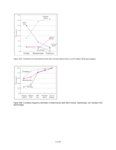
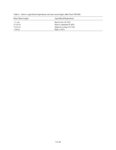
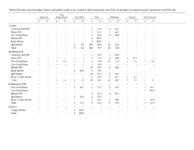
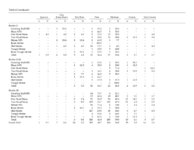
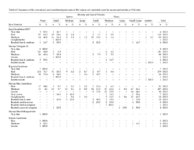
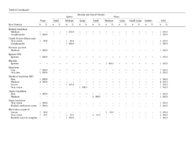
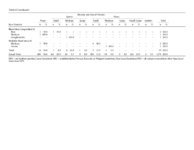
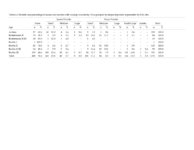
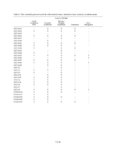
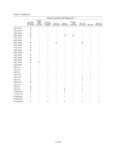
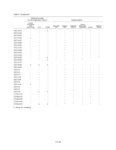
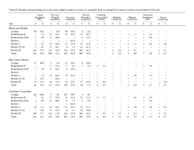
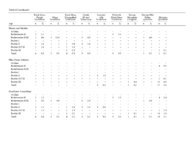
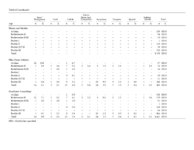
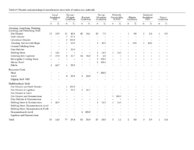
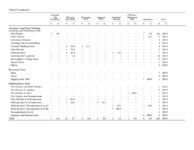
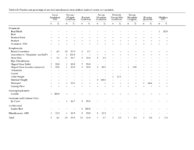
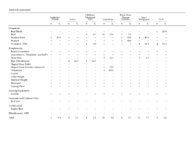
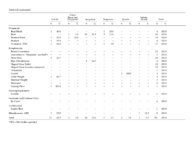
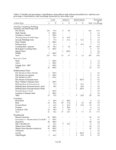
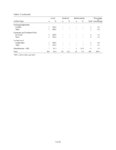
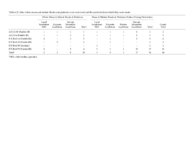
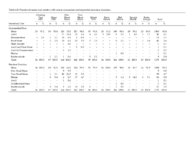
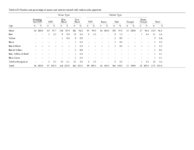
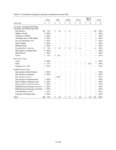
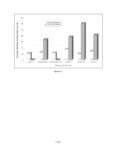
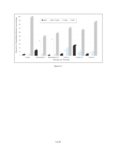
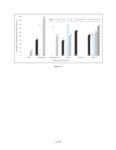
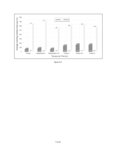
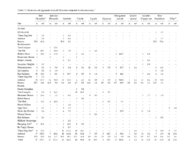
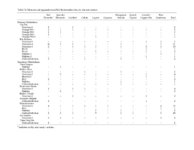
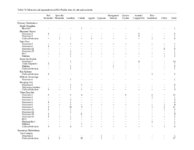
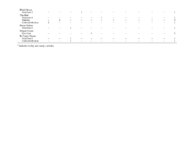
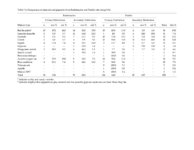
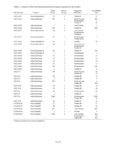
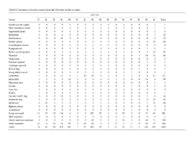
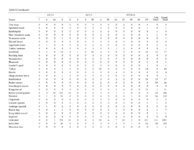
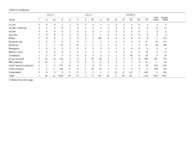
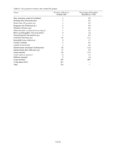
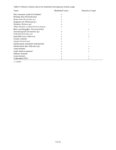
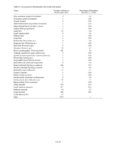
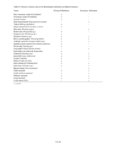
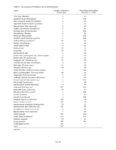
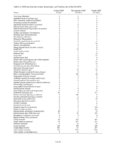
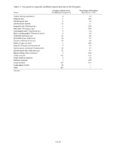
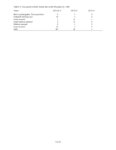
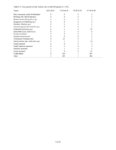
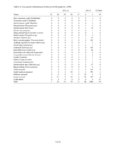
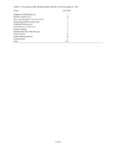
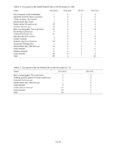
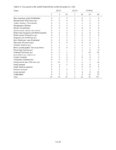
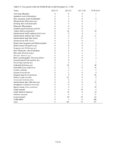
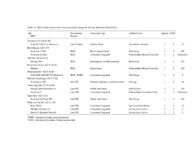
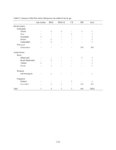
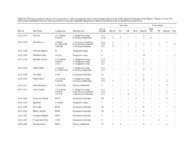
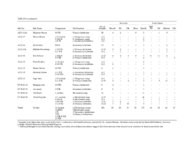
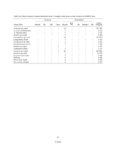
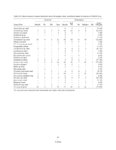
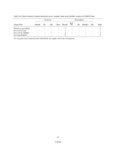
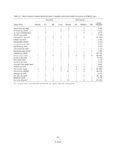
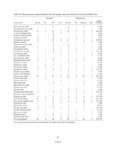
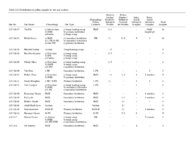
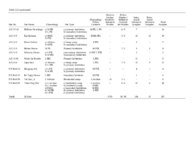
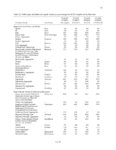
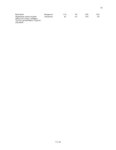
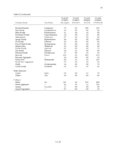
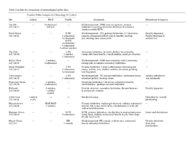
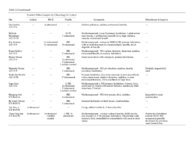
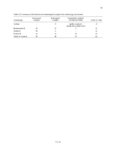
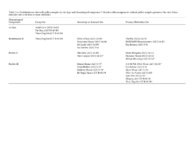
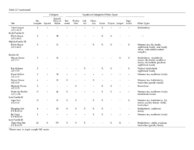
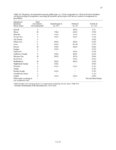
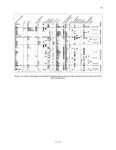
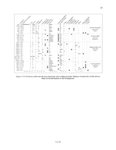
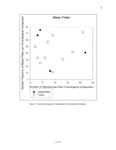
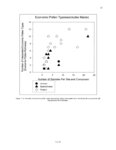
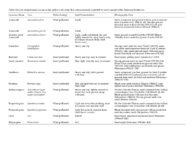
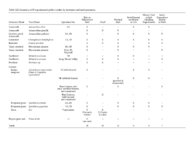
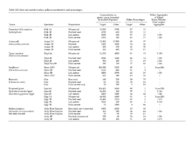
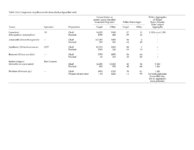
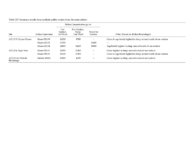
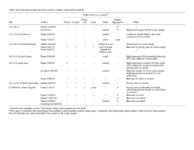
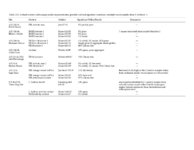
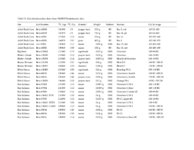
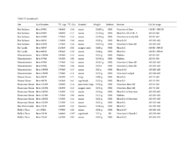
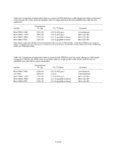
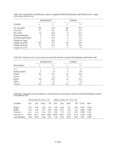
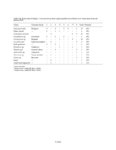
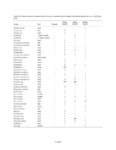
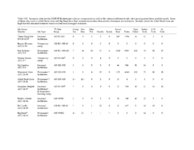
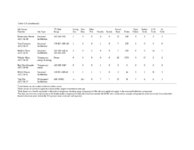
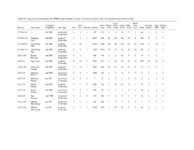
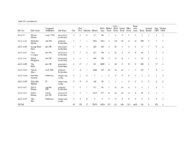
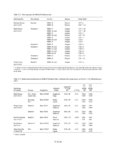
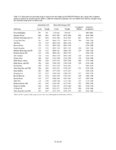
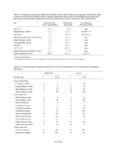
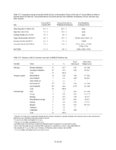
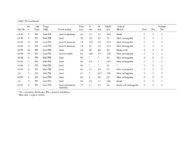
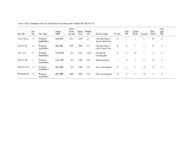
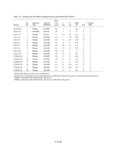
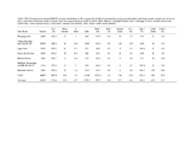
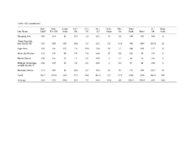
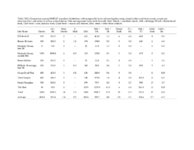
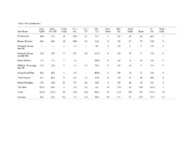
Show surfaces, and the general cultural stratum. At The Pits, all but two of the samples were recovered from storage pits (Table 7.2). Two small pieces of red hematite and goethite came from the floor fill of Structure 1. It is likely that full excavation of structures that remain outside the ROW would produce copious additional quantities of pigments and minerals, both worked and unworked, as was the case at Kin Kahuna. The great majority of the mineral samples from that large habitation were found in the trash fill and on the floor of the two largest of the numerous structures. In fact, more than two-thirds (69%) of the samples were collected within the overlapping Structures 4 and 5, mainly in the trash fill. Pigments and minerals also came from the fill of storage pits (9%) and the midden or general cultural stratum (18%). Most of these deposits (with the exception of the floor surfaces) represent intentional trash disposal. At secondary habitations such as Tres Campos, Scorpion Heights, and Three Dog Site, mineral specimens were recovered from the cultural stratum or the midden areas. This may reflect the lack of structures within the ROW or the more heavily disturbed condition of these particular sites, since at other secondary habitations such as Polly's Place, Mountainview, and Panorama House, items were recovered from within structures at roughly the same frequency as from extramural contexts. At Sin Sombra, all of the minerals came from the ramp entry of Structure 1, and at Blake's Abode, the entire small assemblage came from the various layers of fill within Structure 1. Thus it seems that at both primary and secondary habitations the activities that involved pigments and minerals took place both within structures and in extramural spaces. Most of the assemblage was recovered from trash deposits and clearly represents material that was discarded when no longer useful (used up) or no longer needed. Few patterns are evident in the distribution of different material types across the sites or within contexts at a specific site. No site produced all mineral types, but red hematite and specular hematite were recovered from 70 percent of the Basketmaker sites, goethite from 50 percent, calcite and copper ore from 40 percent, and lignite from 30 percent. More than one mineral type is present in the assemblage from all sites that produced upwards of three samples. At Panorama House the midden produced only specular hematite, whereas the assemblage from Structure 1 contained hematite, goethite, and calcite (see Table 7.2). Although the Basketmaker assemblages are often small, the general lack of association of particular materials with specific contexts suggests that craftwork involving minerals and pigments was not practiced by specialists. The apparent disparity in assemblage size between the two large primary habitations, The Pits and Kin Kahuna, is actually a result of limited excavation at the latter, specifically the excavation of only one structure. Pueblo Patterns Mineral and pigment samples were recovered from 16 of the Pueblo components in the N16 corridor, all of which were primary or secondary habitations. As with the Basketmaker sites, such a pattern would be expected since activities such as ornament production or decoration would more likely occur at a longterm living area. Also following the Basketmaker pattern, most of the Puebloan habitation sites that did not produce mineral samples were those that were heavily impacted by the existing road alignment (Bonsai Bivouac) or where little of the Puebloan component was excavated (Windy Mesa). Two intact habitation sites, Hymn House and Modesty House, produced no minerals or finished ornaments. Several of the primary habitations produced small assemblages, including Naaki Hooghan (n = 1), Hillside Hermitage (n = 1), Ditch House (n = 1), and Kin Kahuna (n = 2), although at the latter site only a tiny portion of the Puebloan component was excavated and at Ditch House much of the Pueblo area was previously disturbed. Among the secondary habitations, Dune Hollow and Mouse House produced only one and two items, respectively, but all others yielded at least seven samples. None of the Puebloan temporary camps produced mineral or pigment samples, mirroring the trend from earlier time periods. There is no obvious explanation for the disparity in the frequency of mineral and pigment samples among the habitation sites. Minerals and pigments were collected from both extramural and interior contexts, and were most common in trash deposits. The entirety of the small assemblages from Mouse House and Kin Kahuna came from extramural contexts (Table 7.3), whereas Bu'Tugly House produced one piece of red hematite from Structure 1 and another from the cultural stratum. All but one of the mineral samples from Tres Campos came from the cultural stratum; the exception came from the floor fill of Structure 1. Likewise, only one item, a piece of gypsum from the floor fill of Structure 1, was found outside the midden at The Slots. At Hammer House, items were recovered from extramural contexts and within structures in roughly equal frequencies. In contrast, most of the samples from Sapo Seco and Water Jar Pueblo were collected within structures. The floor fill of Structure 12 in Locus B at Sapo Seco produced eight pieces of volcanic ash, and another small lump came from the Locus A midden at that site. Structure 7 (the kiva) at Water Jar Pueblo was largely filled with trash, which produced 12 small pieces of azurite in a single V.7.7 |