| OCR Text |
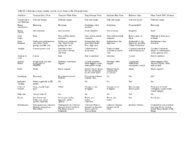
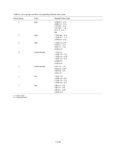
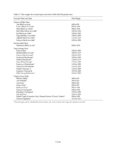
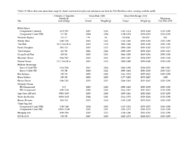
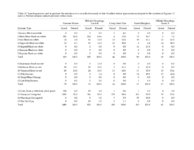
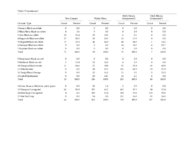
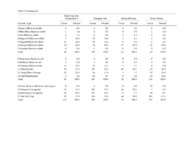
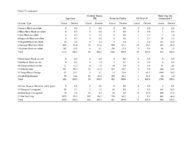
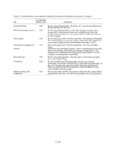
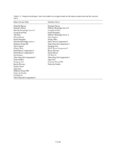
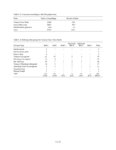
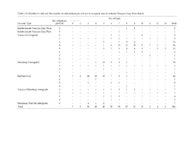
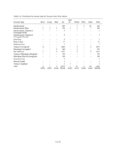
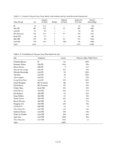
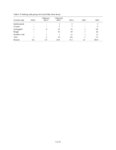
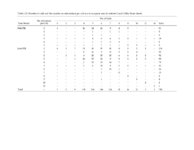
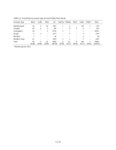
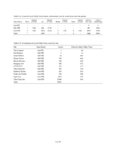
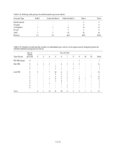
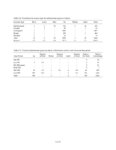
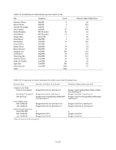
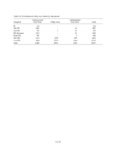
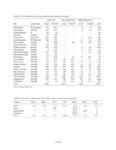
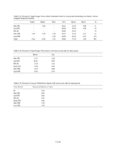
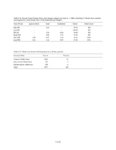
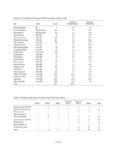
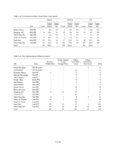
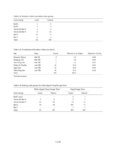
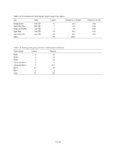
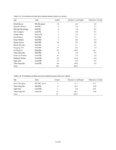
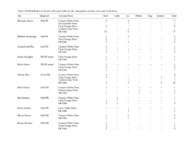
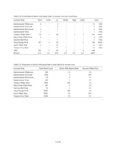
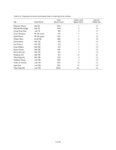
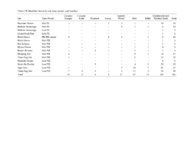
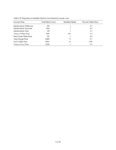
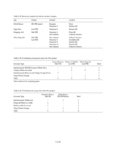
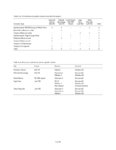
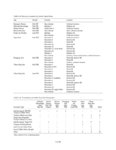
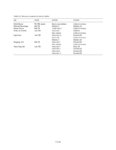
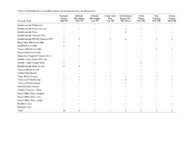
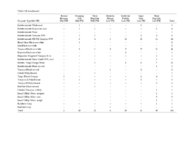
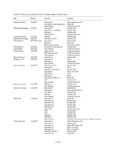
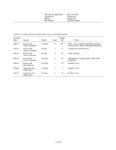
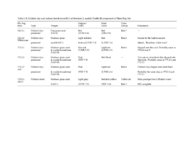
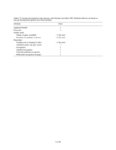
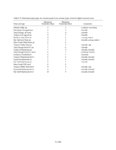
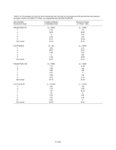
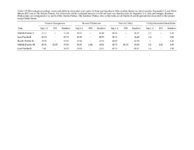
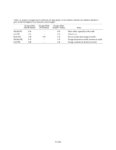
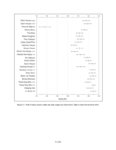
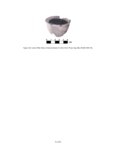
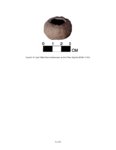
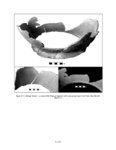
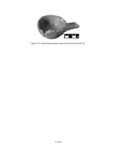
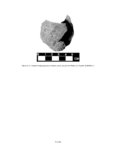
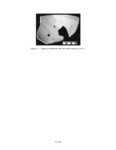
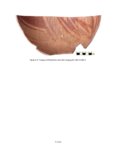
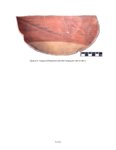
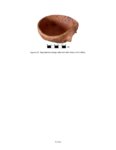
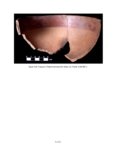
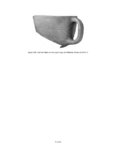
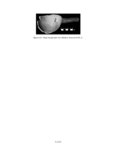
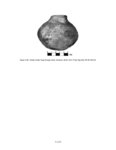
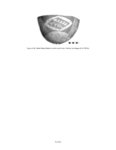
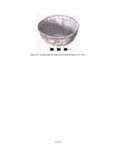
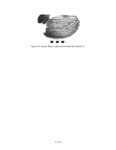
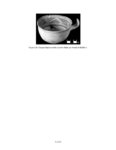
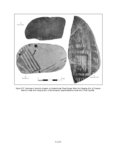
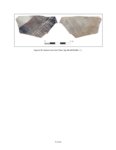
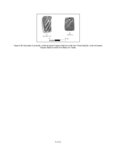
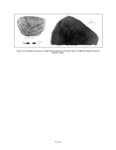
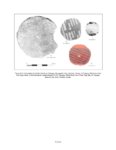
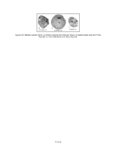
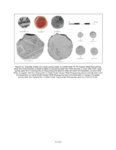
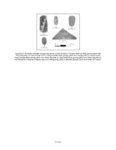
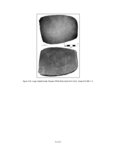
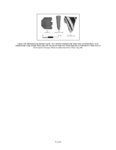
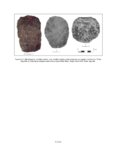
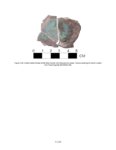
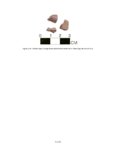
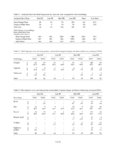
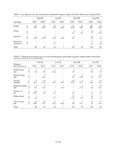
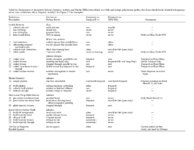
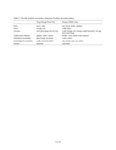
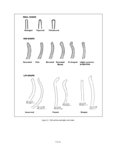
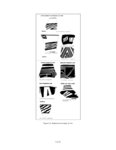
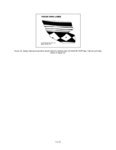
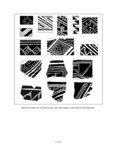
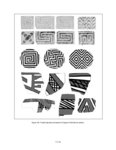
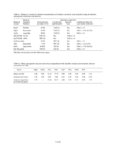
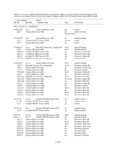
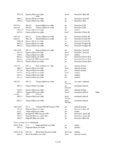
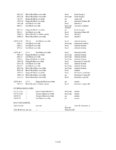
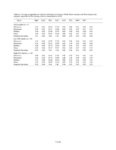
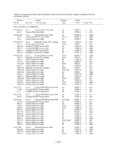
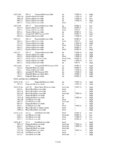
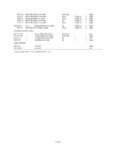
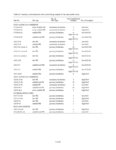
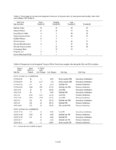
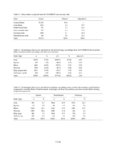
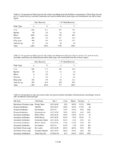
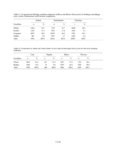
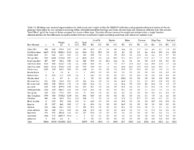
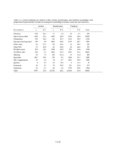
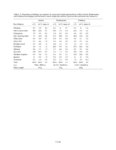
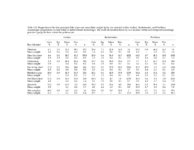
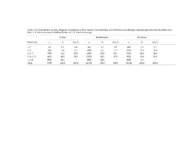
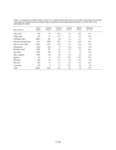
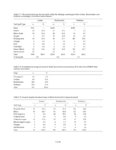
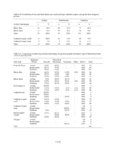
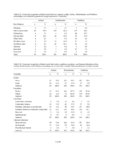
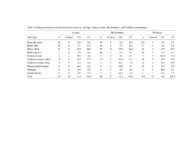
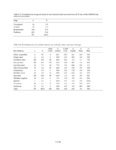
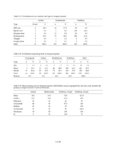
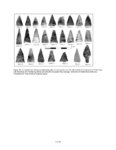
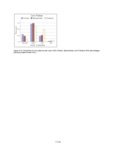
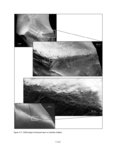
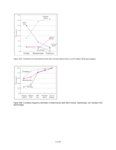
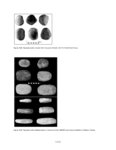
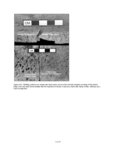
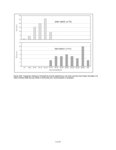
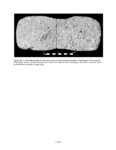
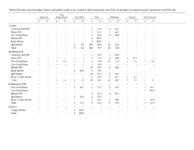
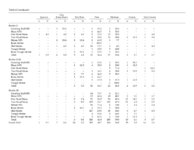
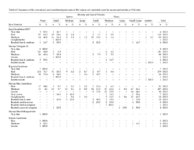
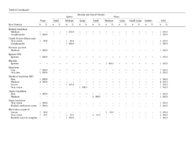
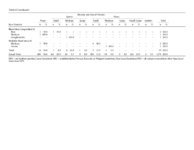
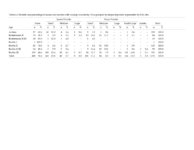
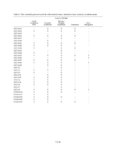
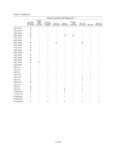
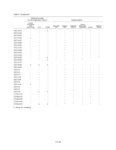
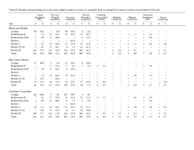
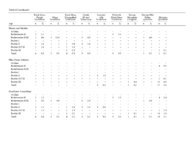
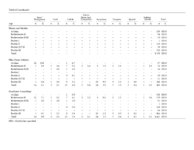
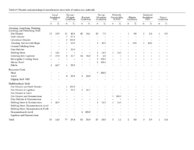
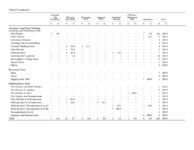
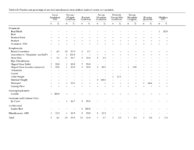
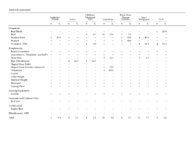
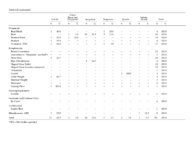
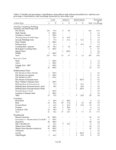
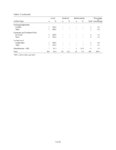
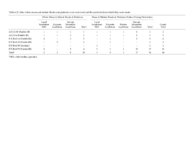
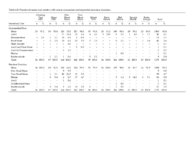
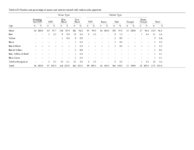
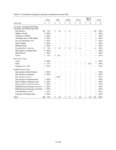
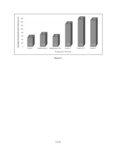
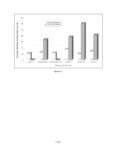
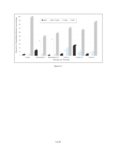
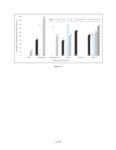
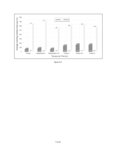
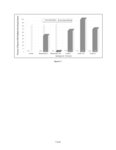
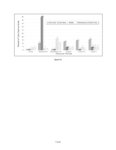
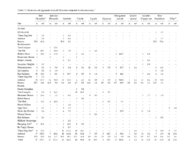
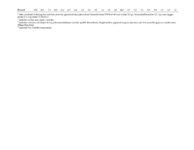
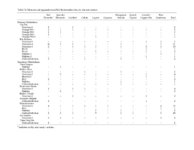
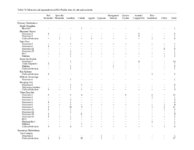
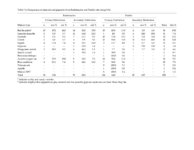
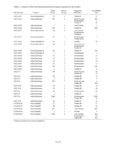
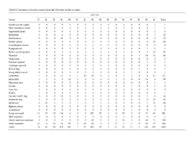
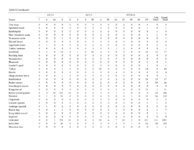
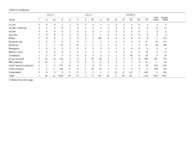
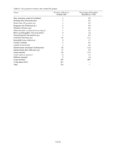
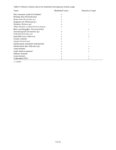
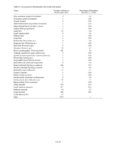
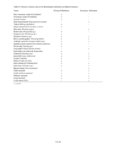
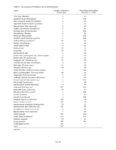
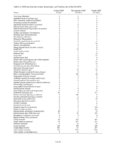
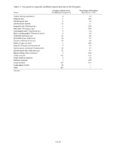
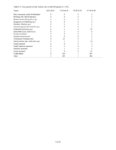
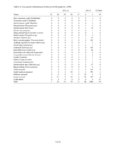
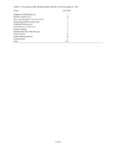
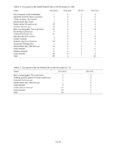
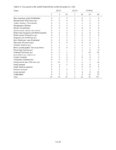
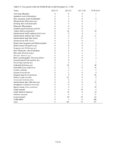
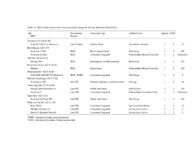
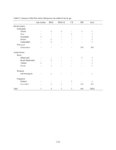
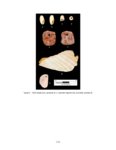
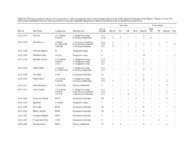
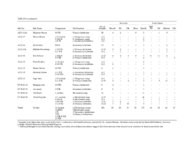
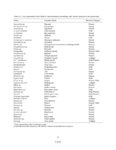
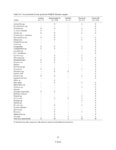
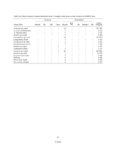
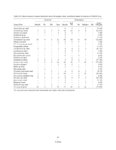
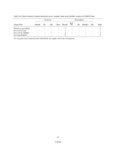
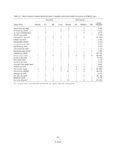
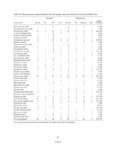
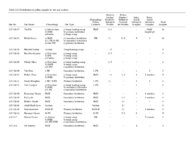
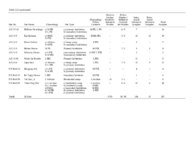
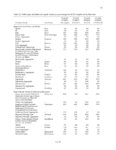
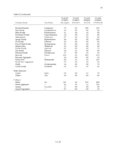
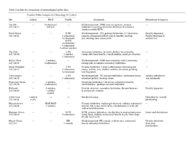
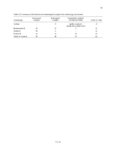
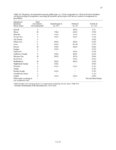
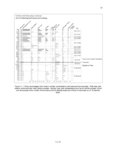
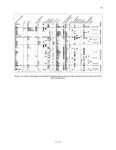
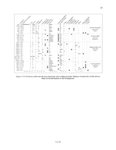
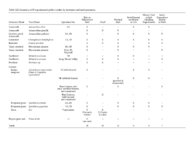
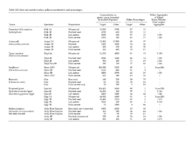
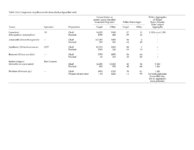
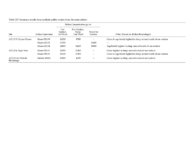
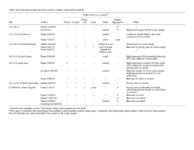
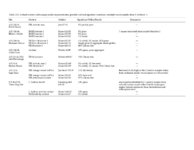
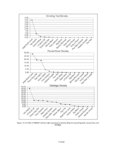
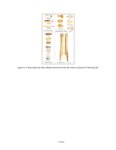
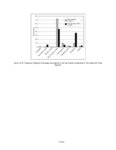
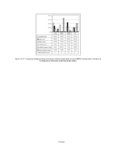
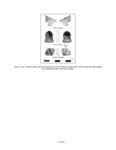
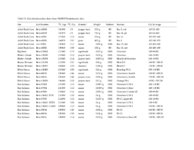
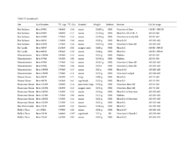
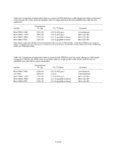
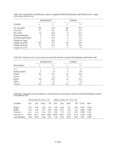
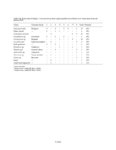
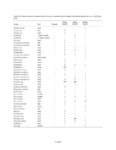
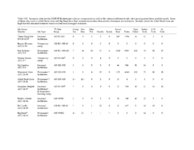
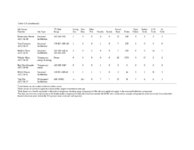
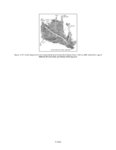
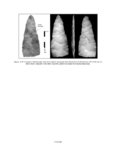
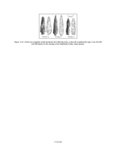
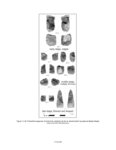
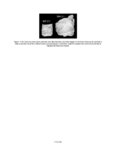
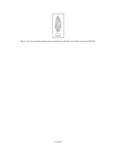
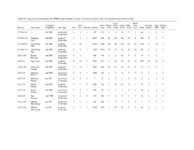
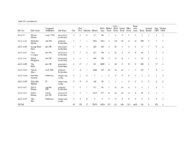
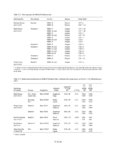
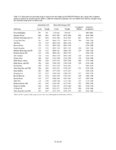
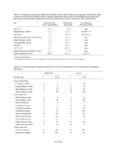
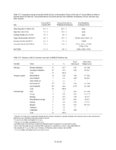
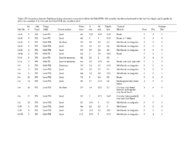
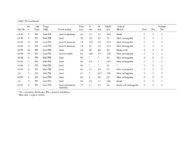
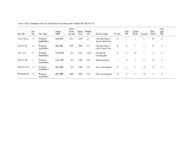
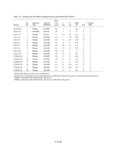
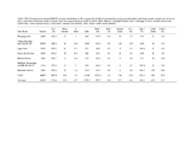
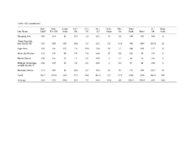
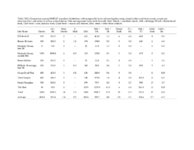
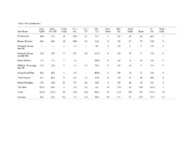
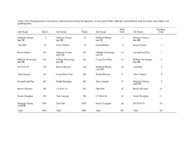
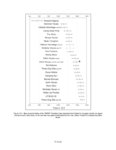
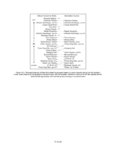
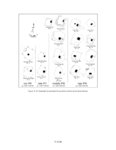
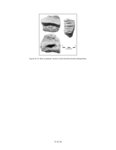
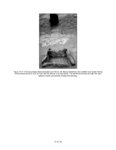
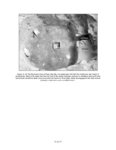
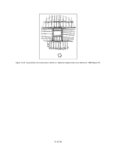
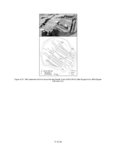
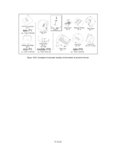
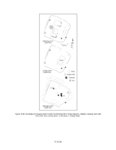
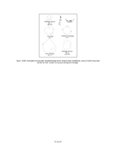
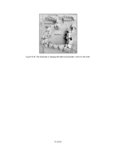
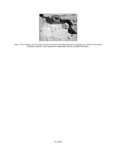
Show holes. Hanging Ash is a primary habitation and it is unclear why it has so many more sherds with repair holes than any other site in the study area. Sherds As Tools and Other Items Detailed analysis of modified sherds includes assigning them to functional classes. Following Blinman (1989:37) these classes are bead, button, ceramic scraper, pendant, puki, scoop, knife, and spindle whorl. Sherds that do not fit Blinman's definitions for functional categories were classified as disk, tablet, or simply "undifferentiated worked sherd." Not all of the functional classes listed above were identified in the N16 assemblage. Only ceramic scrapers, ceramic knifes, pendants, scoops, spindle whorls, disks, tablets, and undifferentiated worked sherds were noted. Each of these categories is discussed below. Fifteen sites or components in the N16 project area yielded 311 modified items (Table 2.53), consisting of 351 sherds before refits were considered. Tusayan White Ware sherds (n = 205, 65.9%) were modified for use as tools or other items more often than any other ware (Table 2.54). Tsegi Orange Ware sherds (n = 74, 23.8%) were also favored for modification. The remaining wares had 5 percent or less modified sherds. Similarly, when the overall frequencies of modified sherds by ware are compared with the total N16 assemblage by ware (Table 2.55), Tusayan White Ware sherds (2.5%), again, were modified more often than any other ware. The amount of modified sherds in the remaining wares never reached 1 percent. These numbers indicate that the sherds selected for post-firing modification were not randomly distributed by ware. Whiteware sherds were selected over others probably because of the hardness of the paste, the option of assimilating the painted design into the new tool, and its overall availability. Sherds with post-firing modification comprised about 2 percent or less of the N16 site assemblages (Table 2.56). The middle Pueblo III component at Three Dog Site has the larger percentage of modified sherds (1.7%) but this is deceiving. Only activity areas and structures were excavated; no midden areas remained at this site. Thus the assemblage recovered is not a truly representative sample. At sites with a representative sample of sherds (those that included activity areas, structures, and middens), such as Water Jar Pueblo, Sapo Seco, and the late Pueblo III component at Three Dog Site, modified sherds comprised less than 1 percent of the ceramic assemblage. Overall, there is no apparent correlation between temporal period, size of occupation, and number of modified sherds. Ceramic Scrapers Ceramic scrapers are defined as having at least one ground and beveled edge. Drumlins and traces of clay may also be present but are not required. "Drumlins are short linear ceramic ridges that remain behind temper grains when a sherd is used to scrape an abrasive substance in a single direction" (HaysGilpin et al. 1999:536; see also Blinman 1989; Waterworth and Blinman 1986). Ceramic scrapers, which are used to form vessels during pottery manufacture, are considered evidence of ceramic production. Eighteen ceramic scrapers were observed in the N16 assemblage (Table 2.57, Figure 2.37), with most made from Tusayan White Ware sherds. Two were made from Tsegi Orange Ware jar sherds and one was from a Rainbow Gray jar sherd. Most of the Tusayan White Ware scrapers were made from jar sherds; three were from bowl sherds. All of the scrapers had ground beveled edges, but some also had rounded or flat edges. Only 12, maybe 13, had recognizable drumlins on the beveled edges. Three, maybe four, items had clay on edges or on surfaces but only one of these (the Rainbow Gray scraper) had enough clay to be sampled for the oxidation study. The original Munsell color of the clay was weak red (10R 5/4) and it fired to red (10R 5/6) in color group Red 7. Two scrapers had drill holes, which were probably repair holes related to the original use of the vessel. Scrapers were recovered primarily from structural fill contexts (Table 2.58). Two were recovered from the floor of a ramada at Ditch House and one came from the floor fill of Structure 3 at Hanging Ash. The rest were collected from either structural fill or non-feature contexts. The Pueblo II/Pueblo III mixed component at Ditch House (located in the southern portion of the study area) was a secondary habitation, whereas the other sites or components were primary habitations (located in the northern portion of the study area). The larger primary habitations in the north were involved in ceramic production. Based on the clay sampled for the oxidation study, wares using red-firing clays, such as Tsegi Orange Ware or Local Utility Ware, may have been produced at Three Dog Site. Ceramic Knives Ceramic knives are defined by "bifacial flaking along one or more margins" resulting "in sharpened, if somewhat sinuous, edges" (Geib and Callahan 1988:2). Flakes were likely "removed by a percussion flaking technique, probably with the use of a hammerstone" (Geib and Callahan 1988:2). One possible ceramic knife was recovered from the late Pueblo III occupation at Three Dog Site (Figure 2.38). It was V.2.49 |