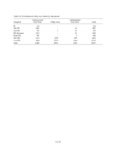
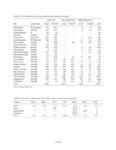
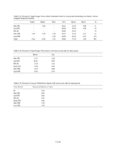
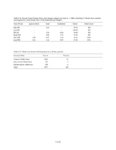
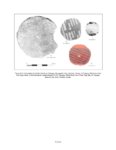
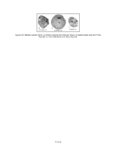
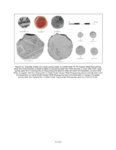
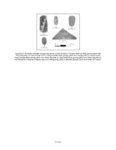
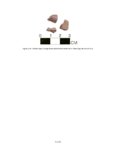
| OCR Text |
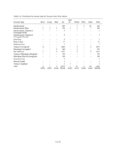
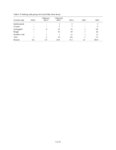
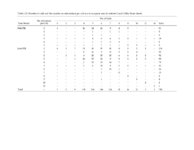
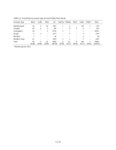
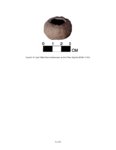
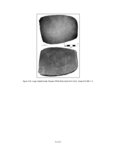
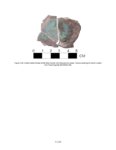
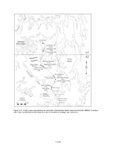
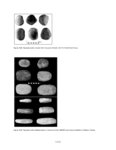
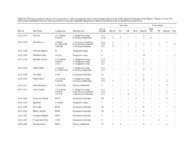
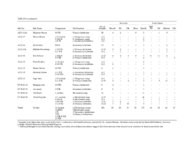
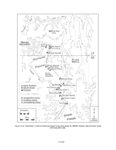
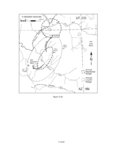
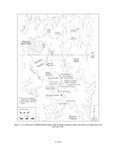
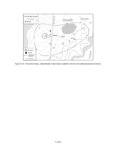
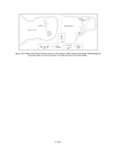
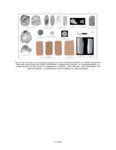
Show 1986; Foose 1982; Geib 1985a; Gumerman et al. 1972; Kidder and Guernsey 1919; Linford 1986; Lindsay et al. 1968; Russell 1989; Swarthout et al. 1986) and the greater Southwest (e.g. Judd 1954; Kamp and Whittaker 1999:136; Kay 1994; Morris 1939; Rohn 1971). The relative ease with which these materials can be directly applied to rough surfaces or converted into paint or colored powder, as well as their wide distribution in raw form, made them an excellent source of red and yellow coloration. Both hematite and goethite are available from the Petrified Forest Member of the Chinle Formation, exposed in lower Piute Canyon, and this was likely the primary source for most of the material recovered from the N16 sites. The dissected canyons northeast of the Kaibito Plateau, which feed into the San Juan River, also expose the Chinle Formation, which contains iron-rich siltstones, mudstones, and nodules (Geib and Ambler 1985). The sandy variety of hematite may be available from the Navajo Sandstone, although we have not found identified specific occurrences. Iron oxide can also be found in several formations on the west side of Black Mesa and in Coal Mine Canyon, where they can be collected from outcrops or from eroded deposits (Beals et al. 1945; Foose 1982:296; Harshbarger et al. 1957). The Havasupai procure red hematite from several locations within the eastern Grand Canyon and adjacent tributaries (Weber and Seaman 1985:160), and the material was frequently traded to Hopi and other groups to the east. Copper Minerals Inorganic blue and green colors are relatively difficult to obtain in nature, and turquoise in particular has long been a sought-after material. Copper-bearing materials in the N16 collection include small azurite pellets and chunks of quartz sandstone with blue, copper-rich matrix. The latter material is a form of copper carbonate, and grinding or crushing the nodules produces green to blue powder mixed with grains of quartz sand. The fine sand could be removed by sieving to recover blue powder, which could be mixed with a binder for use as pigment. Hough (1902:471) ethnographically documented the use of malachite-stained sandstone, which has been reported from archaeological contexts throughout the Kayenta region beginning in the Basketmaker period (Beals et al. 1945:79; Foose 1982:297; Geib 1985a; Lindsay et al. 1968:52; Russell 1989:752). More pure copper ore is somewhat less common at sites in the region, but malachite and azurite have been reported (Geib 1985a; Foose 1982:326; Lindsay et al. 1968; Linford 1986:519; Russell 1989). Most authors make a simple visual distinction between blue (azurite) and green (malachite) copper ores, rather than subjecting the samples to compositional analysis; this precedent was followed for the N16 assemblage. The N16 assemblage contains 20 pieces of blue sandstone, recovered from six different components that cover the temporal span of occupancy. These samples are blue-green to bright blue in color and under magnification exhibit densely packed, rounded to sub-rounded quartz sand grains surrounded by amorphous copper-rich cement. Only a few of the sandstone chunks have ground facets, but two were completely shaped, one into a small sphere and one into a thin, flat, oval disk. All of this material was likely procured from the Mormon Ridges-Coppermine area southwest of the N16 corridor. Sandstone with copper-rich matrix occurs intermittently in an area more than 200 sq km in size, associated with a series of faults and joints in the thick Navajo Sandstone. Copper minerals have replaced the original matrix in the sandstone, and small, high-grade concentrations occur sporadically as veins or pod-shaped bodies (Mayo 1956). The mineralized sandstone is generally friable, although pockets with higher copper content (and richer color) contain more compact stone. Mineralization is most intense along joints and at the intersections of joints, and it decreases in intensity away from these pipes that brought the copper ore into the parent rock. Modern economic studies have concentrated on the more copper-rich impregnation in the western part of the deposit (Mayo 1956), but the eastern area certainly contains material that would have been suitable for producing blue-green sand and pigments desired by prehistoric people. Depending on the exact quarry location, this source of copper minerals is 55-75 km (35-45 miles) from sites on the southern Rainbow Plateau, and it is likely that the inhabitants of the N16 corridor procured the colorful material directly, rather than obtaining it through trade or exchange. This is particularly true of the Pueblo III period, when the Coppermine area was sparsely inhabited and potential trade contacts may have been limited. Copper-impregnated sandstone is also available from the Chinle Formation (see review in Geib and Amber 1985:27), but the material is of lower quality and is visually quite different from the samples recovered from the N16 sites. Although our field reconnaissance has not identified local sources of copper minerals, Baker (1936:99) reported finding malachite, azurite, and chrysocolla in the Shinarump conglomerate and in other portions of Chinle Formation outcrops along Copper, Nokai, and Piute Canyons. Secondary copper minerals, including azurite and malachite, were identified by Trites and Hadd (1958) from Shinarump-filled channel scours in the Moenkopi Formation. Cooley (1965:11) reported occurrences of these minerals within the Monitor Butte Member at an outcrop in Glen Canyon. Thus the 26 blue nodules of azurite or V.7.3 |