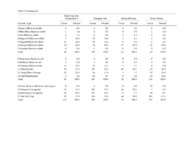
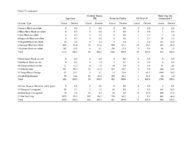
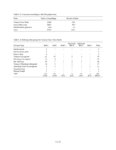
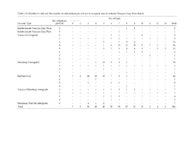
| OCR Text |
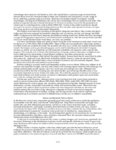
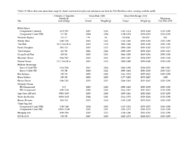
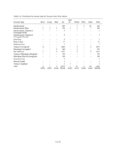
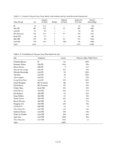
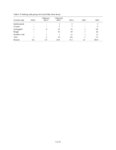
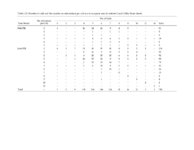
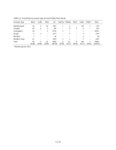
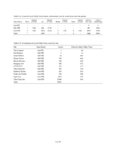
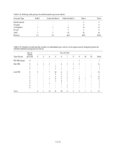
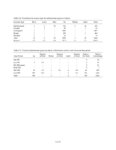
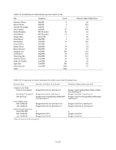
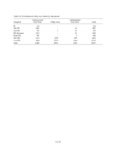
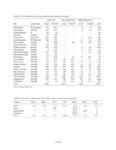
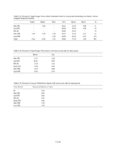
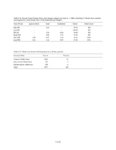
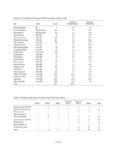
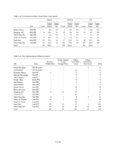
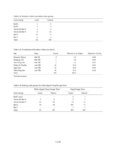
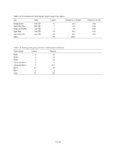
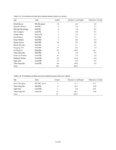
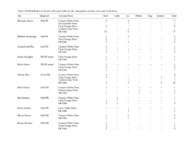
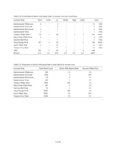
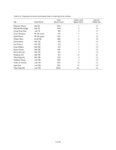
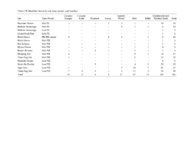
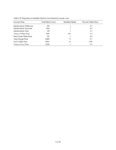
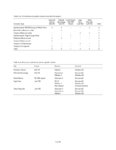
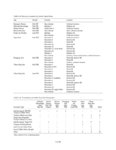
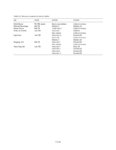
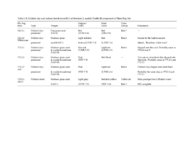
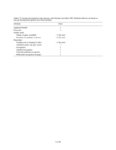
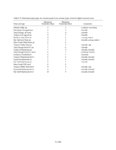
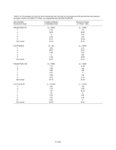
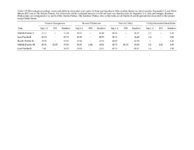
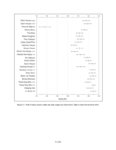
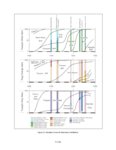
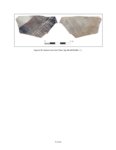
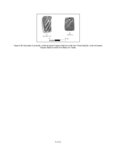
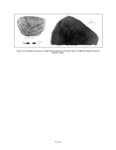
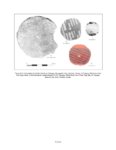
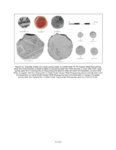
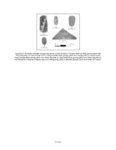
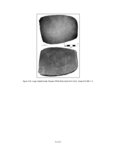
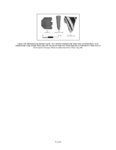
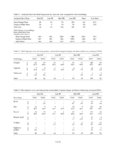
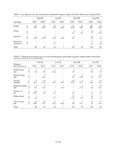
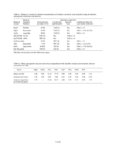
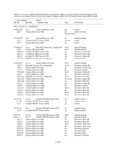
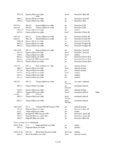
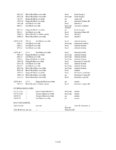
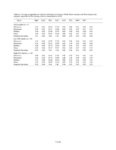
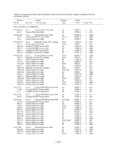
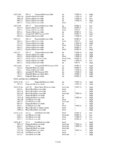
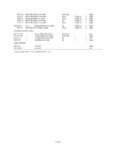
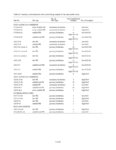
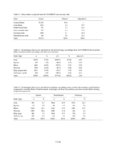
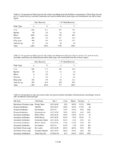
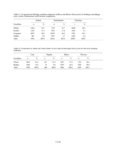
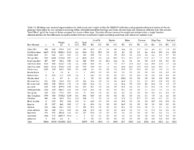
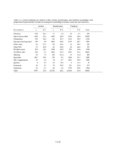
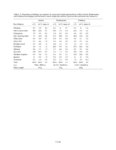
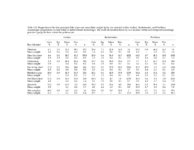
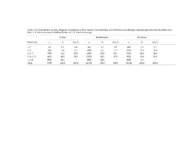
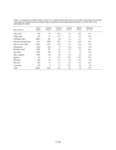
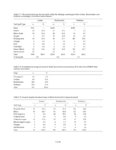
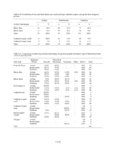
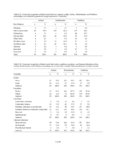
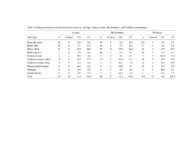
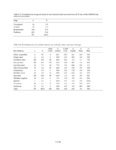
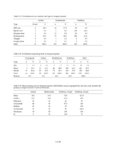
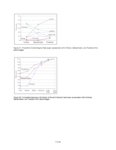
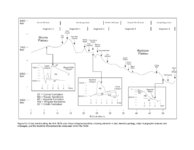
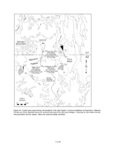
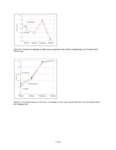
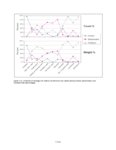
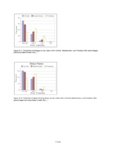
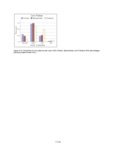
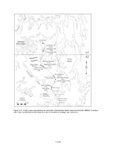
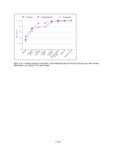
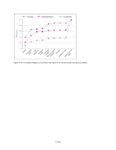
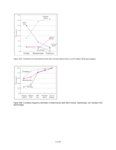
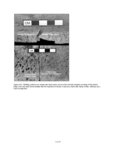
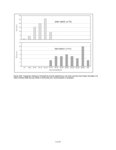
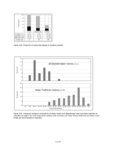
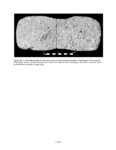
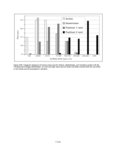
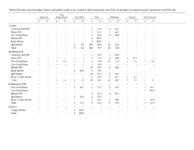
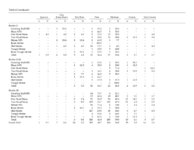
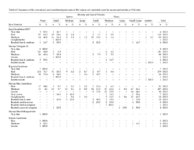
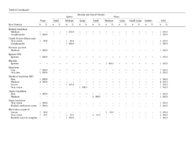
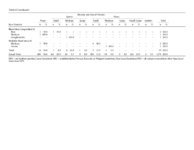
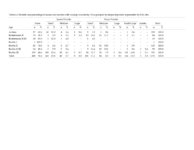
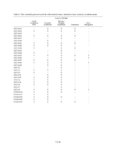
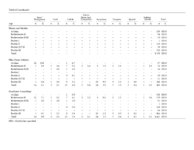
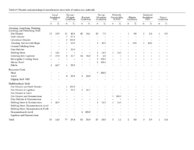
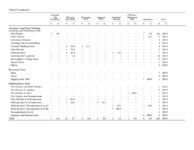
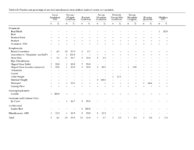
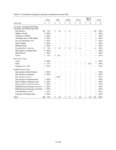
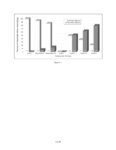
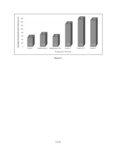
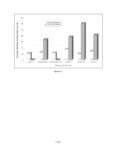
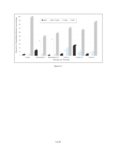
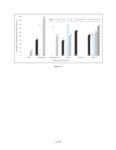
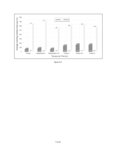
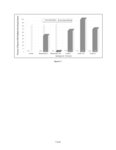
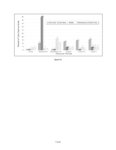
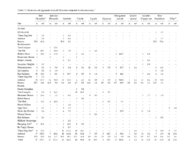
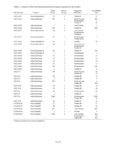
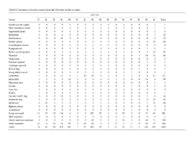
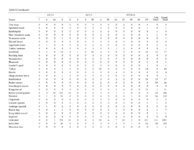
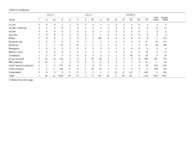
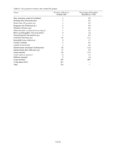
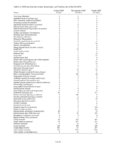
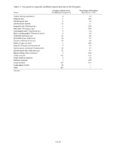
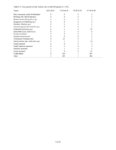
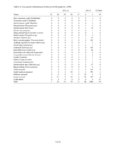
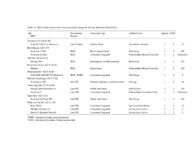
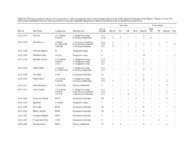
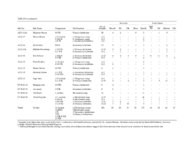
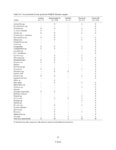
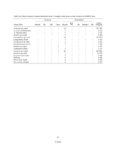
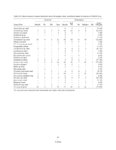
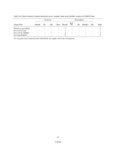
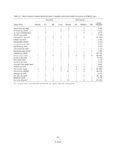
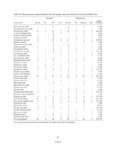
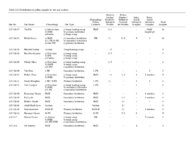
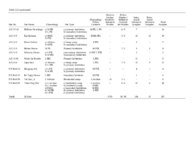
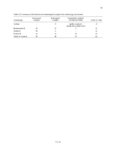
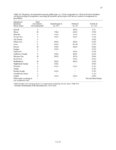
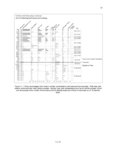
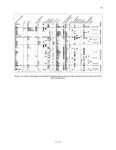
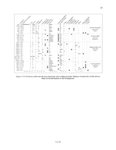
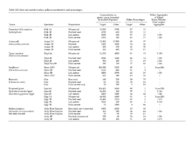
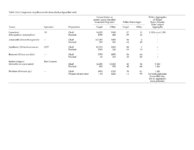
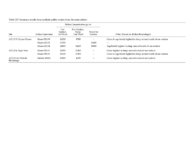
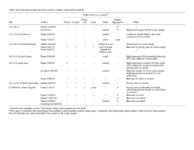
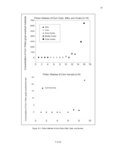
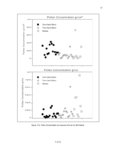
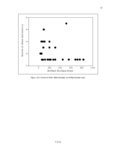
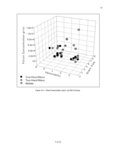
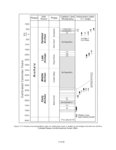
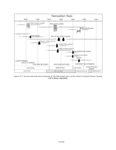
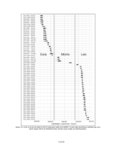
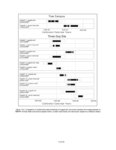
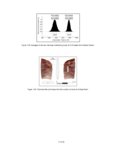
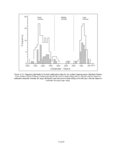
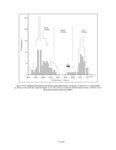
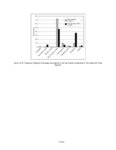
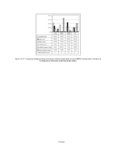
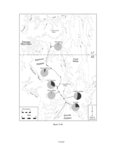
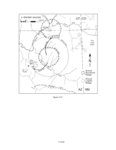
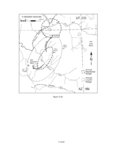
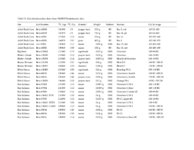
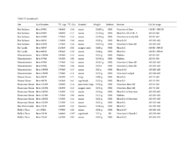
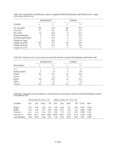
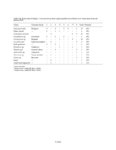
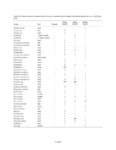
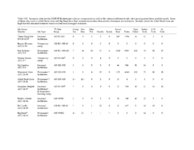
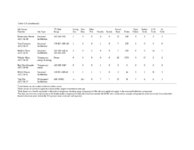
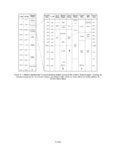
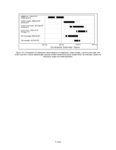
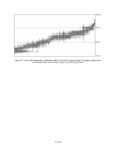
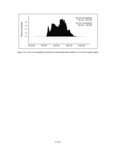
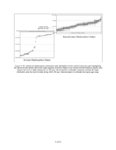
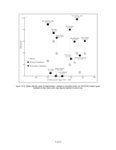
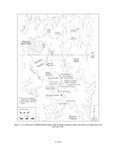
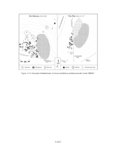
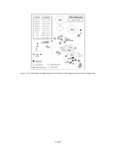
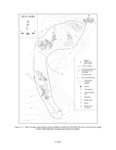
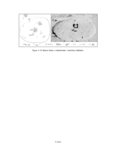
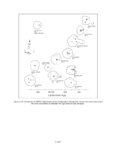
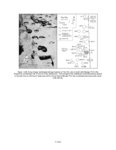
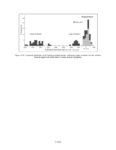
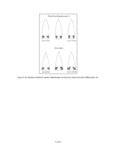
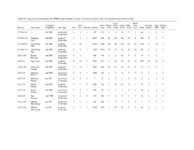
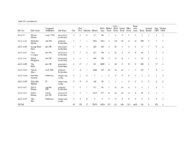
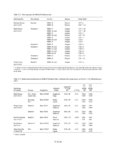
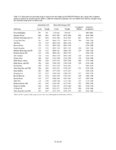
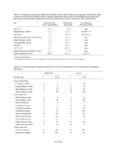
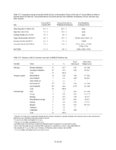
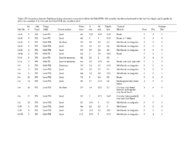
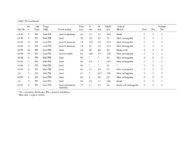
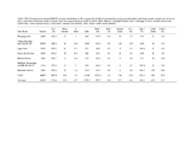
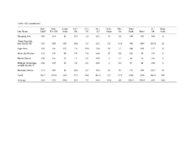
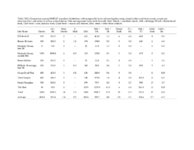
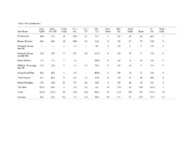
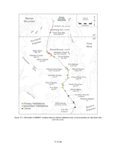
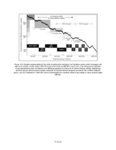
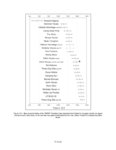
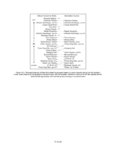
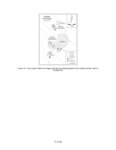
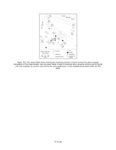
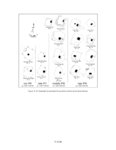
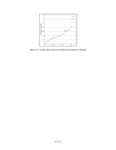
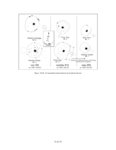
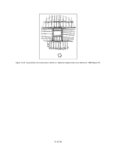
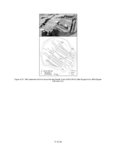
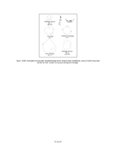
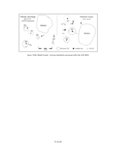
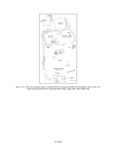
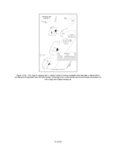
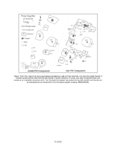
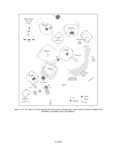
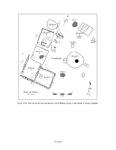
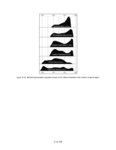
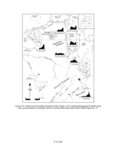
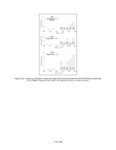
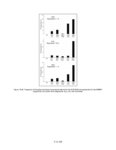
Show there is some degree of overlap among most flakes of each group. Despite the two-sigma overlap, a chisquare test failed at less than a 5 percent chance (T = 40.6, χ2 = 19.7), indicating statistically significant differences among the dates. If the dated flakes are treated as the byproducts of two separate and brief occupations, then perhaps the sample ages of each group can be averaged with the means providing more precise temporal brackets around these events. Because the dates within each of the two groups are internally consistent, they were combined, resulting in an average of AD 1166 ± 56 for the oldest group and AD 1576 ± 33 for the youngest group (Figure 13.8). Based on these averages, there is a 410-year gap between the midpoints and a 220-year gap between the closest points of the two-sigma ranges. Conceivably hunters used the site on two separate occasions as the hydration results suggest. Some support for the multiple occupation scenario is perhaps provided by the spatial pattern of the dated flakes. The flakes of the AD 1166 group (or the 1.3 µ group) mostly occurred in the southeast portion of the main site area whereas the flakes of the AD 1576 group (or the 0.9 µ group) occurred in the northwest portion. There is clearly some overlap, and in two instances where obsidian flakes from single proveniences were analyzed (PN512 and 529), discordant rim measurements were returned. There are also other reasons to doubt the scenario of multiple occupations. First, the scatter of debitage and bone is concentrated within a small area, perhaps too small to be the residue of occupations separated by what appears to be several hundred years (or ca. 0.4 µ in average hydration rim width). A well-nigh spatially coextensive scatter of remains from use episodes separated by hundreds of years is conceivable, but the occupants had to have had indistinguishable tool kits, made of virtually identical and exotic raw materials and produced in the same fashion. All of the obsidian debitage from the site is derived from the same reduction technology and indeed flakes with different dates appear to come from the same tools (although attempted refitting failed to produce any conjoins). There may well have been multiple uses of the site, but at a larger spatial scale than the small area where the dated obsidian came from. The remains of this area appear to have been deposited during a single use episode, probably of brief duration. Although multiple use of the site area is a possibility that cannot be totally eliminated, there is an even more basic problem with the OHD results. The obsidian flakes all came from a cultural layer buried by a soil that has a minimum radiocarbon age of roughly 400-110 cal. BC, with perhaps soil formation continuing until sometime after cal. AD 130. This means that the artifacts were resting upon the ground surface for an undetermined period of time prior to when the soil started to form, sometime prior to 400 cal. BC. The nature of the lithic assemblage (abundant use of obsidian and heavy emphasis on bifacial technology) suggests a minimal age of late Archaic (ca. 1000 cal. BC). I attempted to radiocarbon date the small bone fragments associated with the stone artifacts but this proved fruitless because of a lack of collagen. In any event, none of the calculated ages for the Government Mountain obsidian flakes make sense with regard to the site's depositional history. The late Archaic age of the Wild Horse flake potentially accords with the depositional history, but whether the date for this specimen is accurate is impossible to say. Natural fires had clearly burned over the site area at least once and perhaps several times. Many of the chert artifacts exhibited evidence of burning (potlids, crenated fractures). The obsidian artifacts lack any obvious signs of thermal alteration, but it is possible that fire might have effected the development of hydration rinds, at least partly explaining the confusing results. A symposium on fire's effects on obsidian at a Society for Conservation Archaeology meeting found that temperatures as low as 200° C "reset" the hydration layer back to zero or at least to a rim measurement that had no meaning (M. Steven Shackley, personal communication 2001; Steffen 2005). Because of this, some federal agencies in California will no longer fund OHD studies. It seems plausible that the natural burn(s) of Hólahéi Scatter variably affected the hydration rims. In this regard it is interesting to note that a natural burn feature where the obsidian flakes were recovered has two stratigraphically consistent radiocarbon ages of 2220 ± 60 BP (lower) and 2020 ± 60 BP (upper). If this fire eliminated the hydration rinds then they should have started to reform sometime during the first several centuries of the Christian era, well before the hydration dates indicate. A subsequent fire might have variably reset the hydration layers but this remains speculative. What About OHD? The Pits and Hólahéi Scatter were part of the first nine sites excavated for the NMRAP and the original plan called for conducting OHD dating at several more Archaic sites with obsidian artifacts. The poor results obtained for these two sites were sufficient cause to abandon the technique for further application on this project, with funding instead shifted to the more reliable radiocarbon method. The unsatisfactory performance of OHD in this instance is just another example in a long catalogue of failure throughout the world (see review in Anovitz et al. 1999:736-737). Anovitz et al. concluded that "at best, V.13.20 |