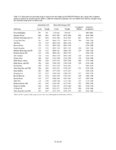
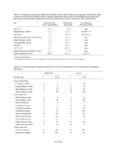
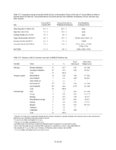
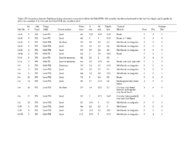
| OCR Text |
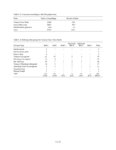
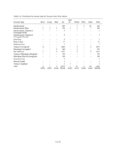
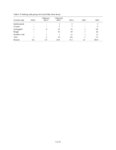
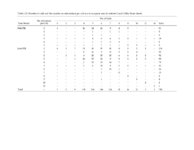
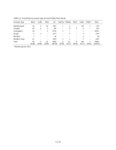
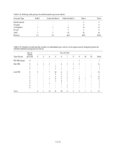
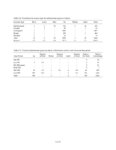
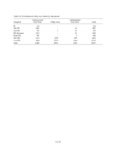
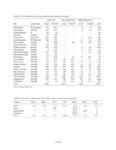
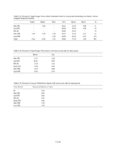
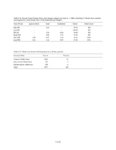
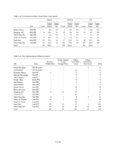
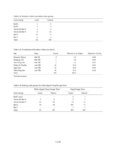
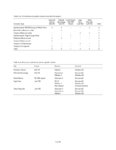
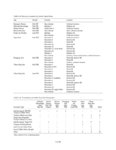
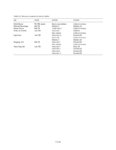
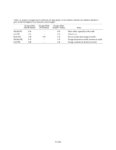
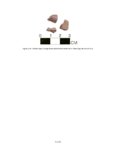
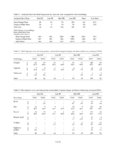
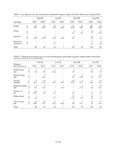
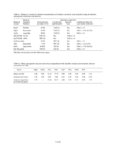
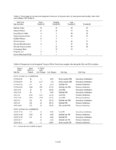
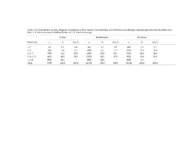
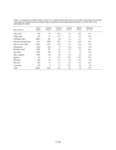
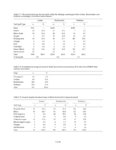
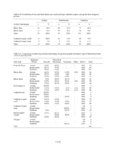
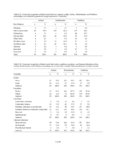
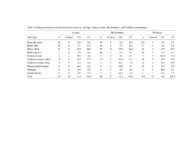
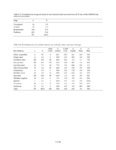
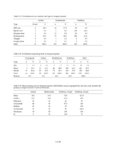
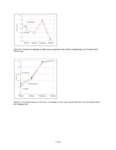
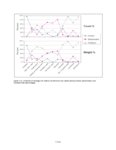
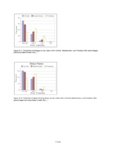
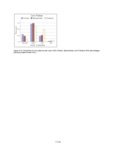
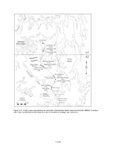
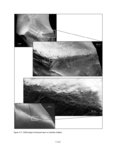
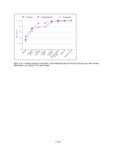
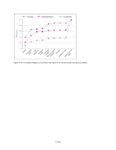
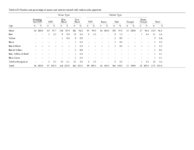
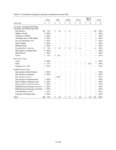
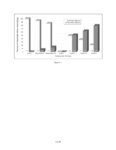
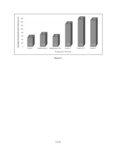
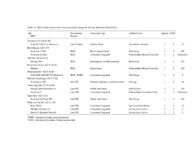
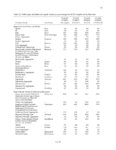
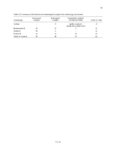
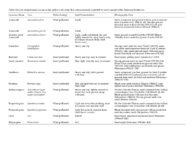
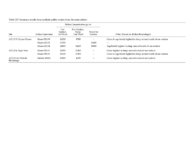
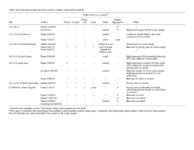
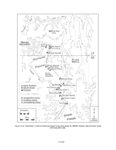
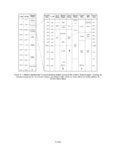
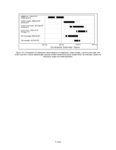
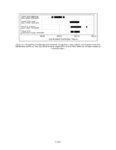
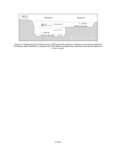
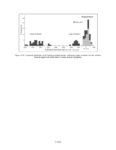
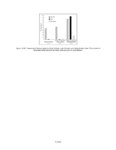
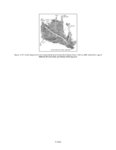
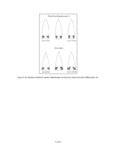
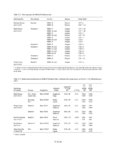
Show clapboard, and combinations thereof. We compare Tusayan Gray Ware, Rainbow Gray, and untyped sandstone-tempered utility ware. Composition, Physical Properties, and Oxidation Samples of sherds of each type category from each site underwent oxidation studies to study the range of variation in iron content of clays, and to attempt to match sherds with plausible clay sources. Oxidation studies use both artifactual and non-artifactual samples. At first, chips from about a 10 percent sample of sherds of every type were refired to determine oxidized color. Original and refired colors were measured using the Munsell soil color system, and Munsell colors were grouped according to color groups (Table 2.4) developed by Windes (1977:292), also used for the Transwestern Pipeline Project (Mills et al. 1993). Later, types shown to have a very consistent oxidized color were not sampled, and the sample size of highly variable types was increased, especially when it was desirable to broaden or split a type or variety designation. Samples of clays recovered from archaeological and geological contexts were fired to obtain oxidized color. Temperature and duration of firing were standardized for all samples. All samples were fired in a fully oxidizing atmosphere in a vented electric resistance furnace to 950°C and that temperature was held for 30 minutes before a slow cool-down. Raw Materials We compared the range of materials available in and near the N16 ROW with the materials actually composing pottery found in the sites. Ethnographic studies by Arnold (1985) suggest that potters rarely procure clay from further away than several kilometers, the range for temper procurement rarely exceeds 10 km, and only pigments and slips may be obtained from greater distances. Test tiles were made from clays taken from deposits within the region traversed by the N16 ROW, from Piute Canyon, from the northern flanks and rim of Black Mesa, and from several different formations between Black Mesa and the study area. Clays represent a variety of geological formations and strata that outcrop on and adjacent to the Rainbow and Shonto Plateaus. Clay samples were obtained from archaeological deposits in sites and from geological deposits around the study area. We attempted to sample a variety of geological formations, including samples from the Chinle, Morrison, Dakota, Wepo, Toreva, and Carmel Formations. Test tiles were produced by first soaking clays in distilled water. Those that did not slake well were ground in a shatterbox to produce a fine powder and then slaked. Wet samples were worked to an appropriate consistency and made into a coil to examine workability. Coils were flattened and then cut into 10 cm strips, and labeled by incising with a scale and a sample number. Percent linear drying shrinkage was measured after drying and again after firing. Tiles were fired with free access to oxygen at 950°C with a 30-minute soak, to match conditions for refiring sherd samples. Tiles were examined with a binocular zoom microscope to see if inclusions and textures resembled those of the sherds of various wares, and colors were measured using the Munsell system. Simple oxidation tests allowed comparison of successful test tiles (ones that do not explode or shrink too much) with sherds (see Windes 1977; Hays 1992b; Mills et al. 1993). Clays and sherds with the same iron content will oxidize to the same color. Clays whose oxidized colors do not match the oxidized colors of any sherds in the project area can be eliminated as likely candidates for pottery making. Additional tiles were painted with molasses to simulate an organic paint, then pit-fired at a Crow Canyon kiln conference in an effort to replicate black-on-white pottery. Pottery-quality clay sources in the northern Kayenta region are notably sparse, and for the most part are restricted to the Chinle Formation (Geib and Callahan 1987; Stein 1966:40). It is likely that at least some orangeware was produced in the N16 area because of its great abundance and the presumed local availability of orange-firing clays. Chinle Formation deposits in Piute Canyon yielded likely sources of clay for Tsegi Orange Ware and the locally produced utility ware Rainbow Gray (confirming the conclusions of Callahan and Fairley 1983). If oxidized colors of some sherds do not match those of any local clays, it can be hypothesized that these sherds were imported to the project area. An initial assessment of clays from geologic deposits within the Kayenta region revealed some clear distinctions that are useful in understanding ceramic origins and distribution patterns (Geib and Callahan 1987), and these distinctions held up with further sampling of the region. Some clays were more suitable for pottery than others. Some shrink too much, some warp, and some are too sticky to hold their shape using the coil-and-scrape forming method. We confirmed that light-firing clays are available on the north flanks and rim of Black Mesa (Wepo and Toreva Formations), south of the study area, and that these clays provide likely sources for Tusayan White Ware and Tusayan Gray Ware, which was probably made on or near Black Mesa and traded to the N16 study area. Orange-firing clays that provide a plausible match for some Tsegi Orange Ware also V.2.8 |