| OCR Text |
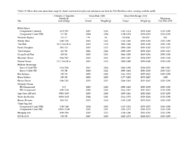
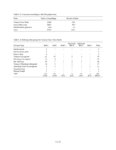
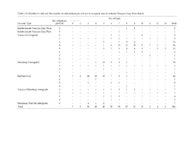
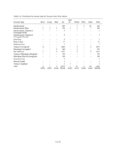
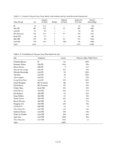
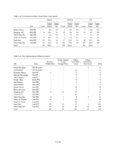
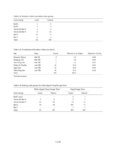
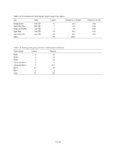
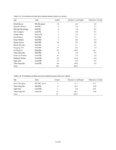
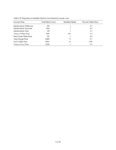
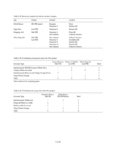
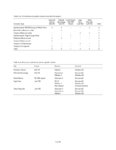
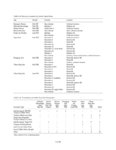
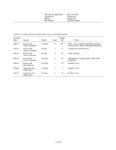
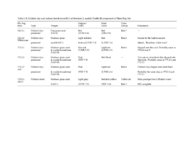
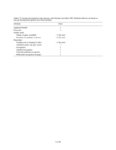
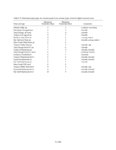
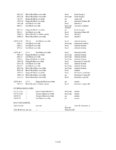
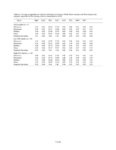
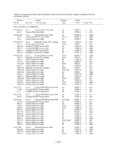
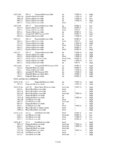
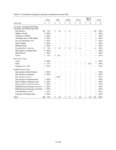
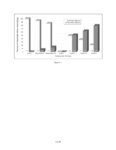
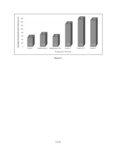
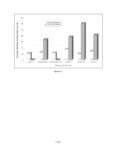
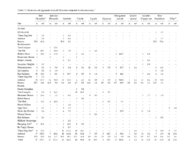
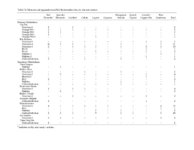
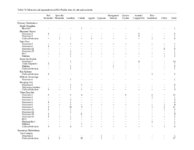
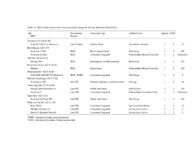
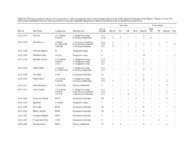
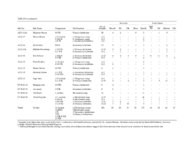
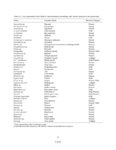
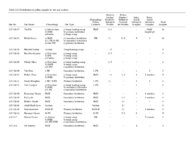
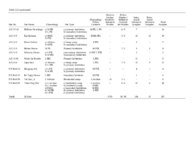
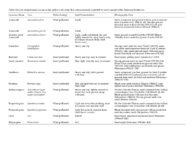
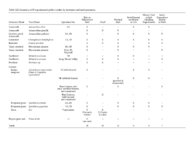
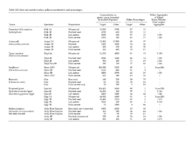
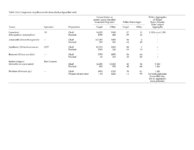
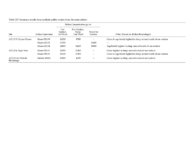
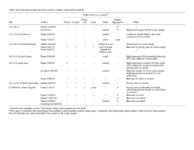
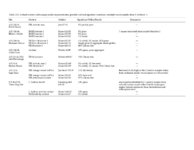
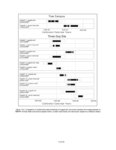
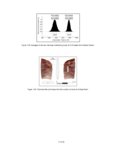
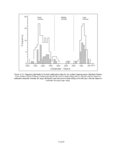
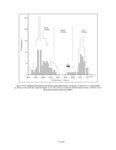
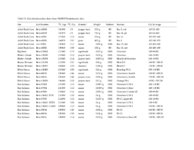
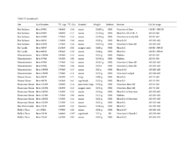
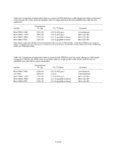
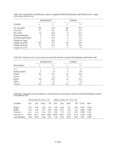
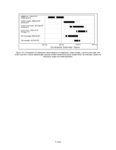
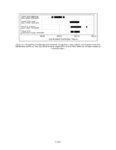
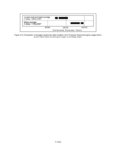
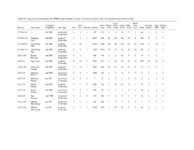
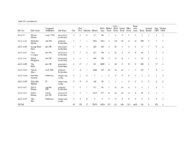
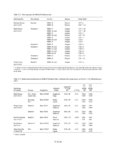
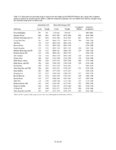
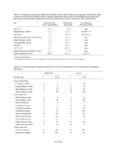
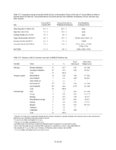
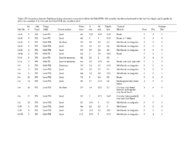
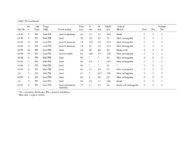
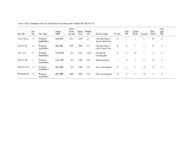
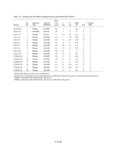
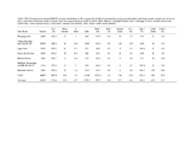
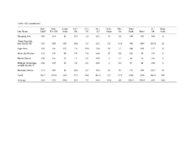
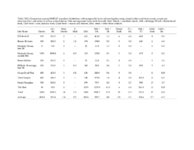
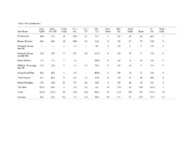
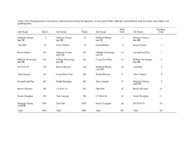
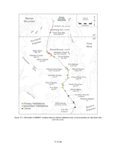
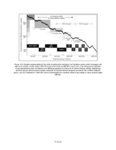
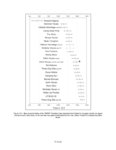
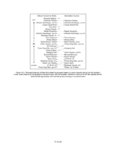
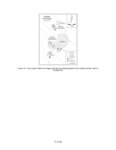
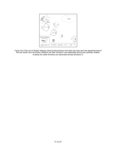
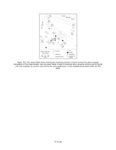
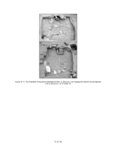
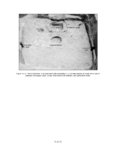
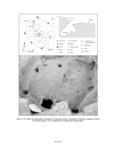
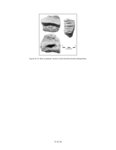
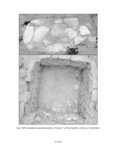
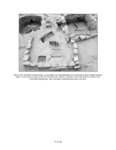
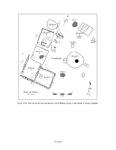
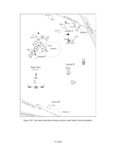
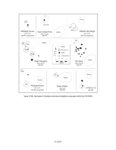
Show two hearth assays fortuitously support this scenario since both are younger than the likely time that the middle Pueblo III structures were built-at or shortly after AD 1228. The calibrated two-sigma range of the average (910 ± 35) of these two identical assays is AD 1030-1220, which has no overlap with the likely time of the middle Pueblo III component. Because the samples consisted of a maize cupule in one instance and small twigs in another, this result is credible and the likelihood of a mixed assemblage from temporally discrete components is supported. Radiocarbon dating in this case proved informative because the results could be juxtaposed against highly precise tree-ring dates, which, fortunately, were just far enough removed in time from the assays to support separate occupations. The slight value of radiocarbon dating in this one particular instance should not be generalized for the Kayenta region at large or other Puebloan sequences with fine-gained ceramic dating, but it serves to highlight that dates on high-quality samples such as maize can prove informative in specific instances. The date on the Puebloan feature of Three Dog Site was obtained in an effort to identify potential Basketmaker II features that were present behind the Puebloan room block at this site but originating from the same occupation surface. Mechanical stripping west of the room block exposed two small pits (Pits 3 and 4) of uncertain temporal affiliation. The presence of a Basketmaker-style bone gaming piece in the lower fill of Pit 4 suggested they might relate to features of a Basketmaker II component to the northwest, although there was a single corrugated sherd from the upper part of the pit. The intact portion of this feature measured 60 cm in diameter and nearly 25 cm deep, and its lightly charcoal-flecked fill contained hundreds of Chenopodium and Oryzopsis seeds and at least 10 small fragments of maize cupules, one of which returned a radiocarbon assay of 870 ± 50 BP (cal. AD 1030-1270 at two-sigma). This date demonstrates contemporaneity with one of the Pueblo III components at the site. Nearly the exact same scenario applies to the one date from a slab-lined hearth at Kin Kahuna, while for Pee Wee Grande radiocarbon dating was the only means for estimating what the target date might be. Before moving on it is worth mentioning the one NMRAP Puebloan site that might have benefited the most from radiocarbon dating-Wolachii Bighan (AZ-J-14-20). The sparse ceramic assemblage from this limited-activity site consisted of 122 sherds of which just 17 were typable; most consisted of plain gray utilitarian jar sherds or unpainted whiteware. The three named types represented were Kana-a Gray, Lino Gray, and Kana-a Black-on-white. This sparse assemblage is typical of Pueblo I, with occupation perhaps occurring sometime after about AD 750 but before AD 900. The mean ceramic date is AD 779 based on sherd count or AD 781 based on sherd weight (see Chapter 2 of Volume V), with mean date ranges of AD 725-834 (count) and AD 728-835 (weight). This interval is admittedly a tricky one for radiocarbon analysis to resolve owing to the reversals and general flatness of the calibration curve. However, Wolachii Bighan might also have been used during early Pueblo II (Wepo Phase on Black Mesa), since the types recovered would not necessarily be out of place on such an assemblage. Moreover, there are a few substantial early Pueblo II habitations in upper Paiute Canyon (Fairley 1989; designated as late Pueblo I in her temporal scheme-AD 950-1000), ones with Wepo Black-on-white as the predominant whiteware, some Kana-a Black-on-white, and abundant Kana-a Grey. It is easy to envision the occupants of such settlements creating limited activity sites in the adjacent countryside, such as the highland setting of Wolachii Bighan. If true in this case, the sherd-based temporal assignment of this site might well be 200 years off, more like AD 979 than 779. No high-quality organic remains were recovered in the field, but the float analyst found maize cupules in the sediment from one of the two hearths excavated at the site. Radiocarbon analysis of the maize was not pursued in this case because the payoff seemed limited given the extent of prior site disturbance and because the dating of the many NMRAP Basketmaker II and Archaic sites had greater priority. Ceramic Cross Dating Ultimately the temporal placement for virtually all NMRAP Puebloan sites was based on ceramic types. Relative quantities of specific Kayentan pottery types are very sensitive time indicators. Conservatively, simple seriation allows a Pueblo II and Pueblo III period site or component to be placed within a 50-year interval if there are at least 1000 total sherds or more than 300 typable sherds (Ambler 1985). About 100-year intervals might be obtained for earlier periods, although in the northern Kayenta region there are few if any Basketmaker III and Pueblo I habitations. The methods and results of ceramic dating of the N16 sites are detailed in Chapter 2 of Volume V so there is no need to repeat much of that discussion here. Suffice it to say that the basic data are provided by classifying all sherds according to the traditional ware/type system for the Kayenta region (Colton 1955, 1956, 1958; Colton and Hargrave 1937; Hargrave 1932). There are methods that don't involve traditional types (e.g., F. Plog 1996; Plog and Hantman 1979, 1986), but these may not be any more accurate and ceramic typing is inexpensive, has a proven track record, and integrates new data with old V.15.6 |