| OCR Text |
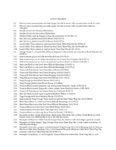
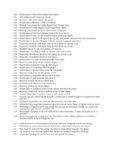
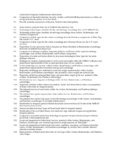
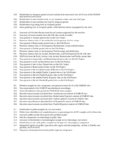
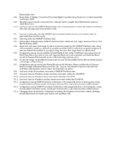
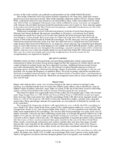
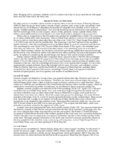
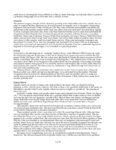
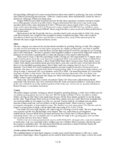
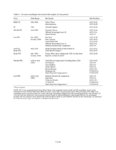
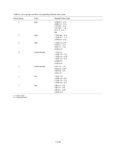
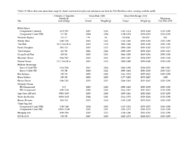
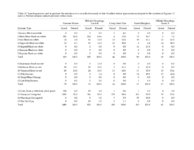
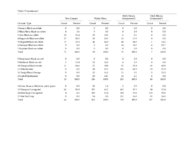
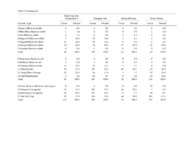
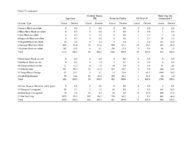
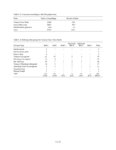
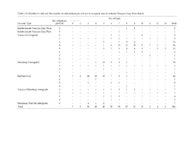
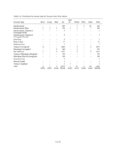
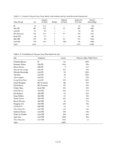
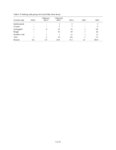
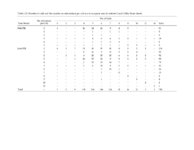
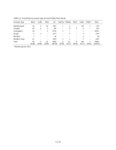
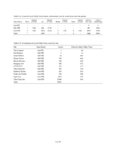
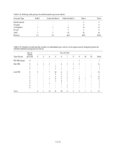
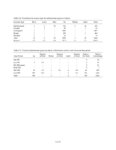
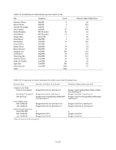
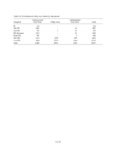
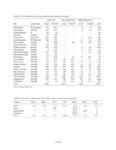
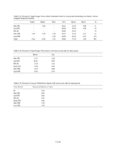
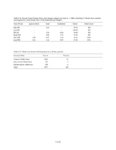
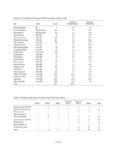
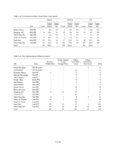
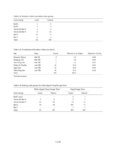
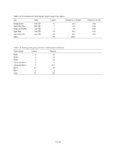
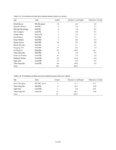
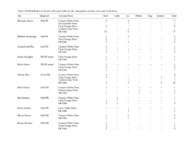
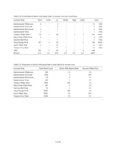
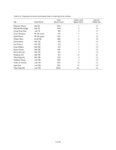
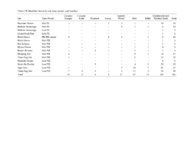
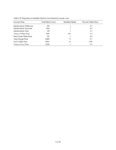
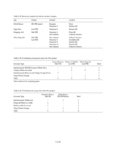
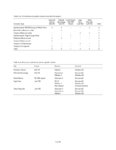
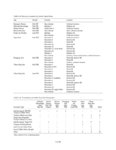
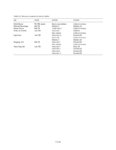
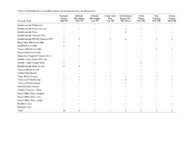
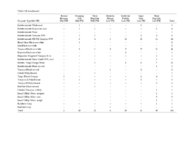
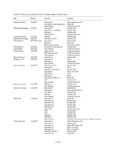
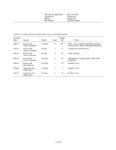
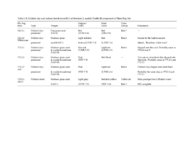
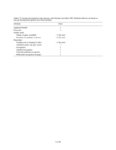
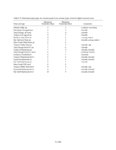
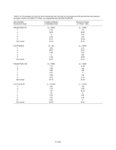
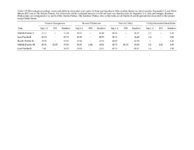
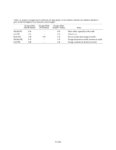
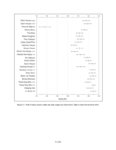
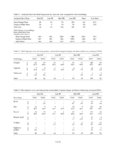
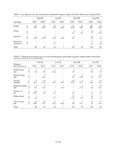
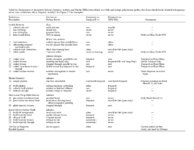
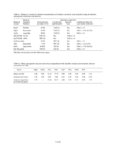
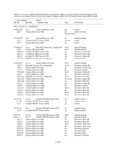
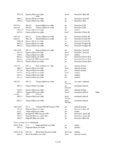
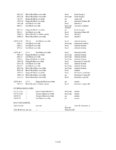
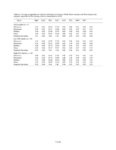
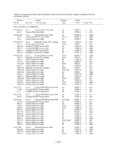
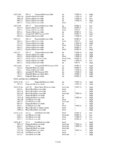
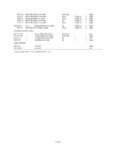
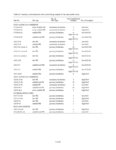
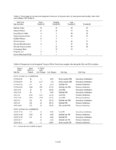
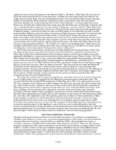
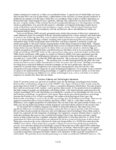
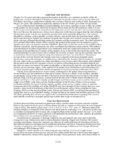
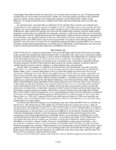
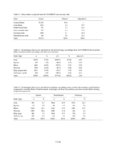
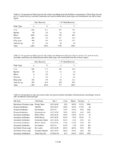
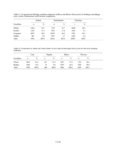
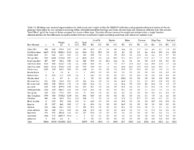
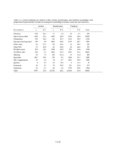
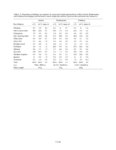
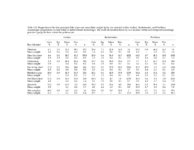
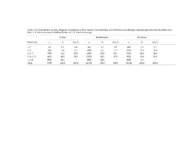
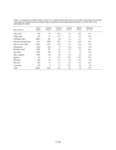
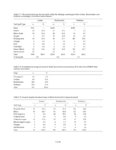
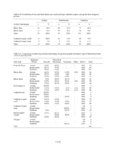
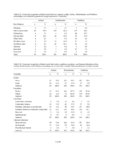
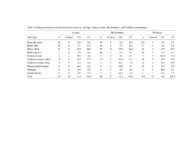
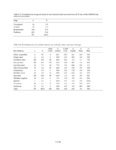
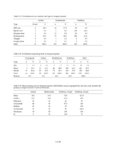
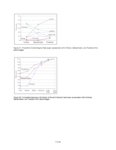
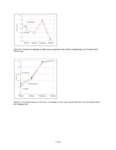
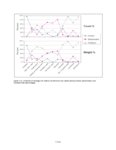
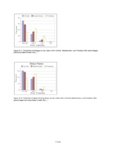
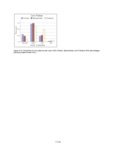
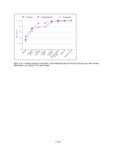
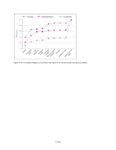
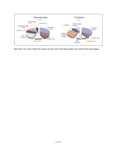
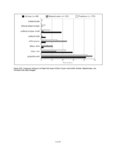
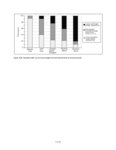
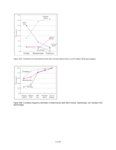
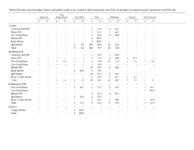
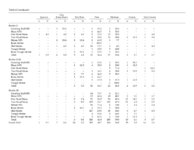
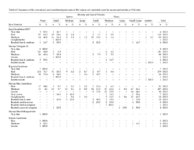
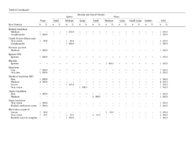
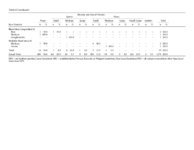
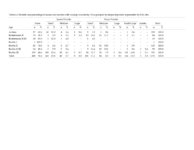
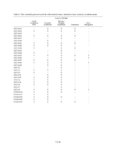
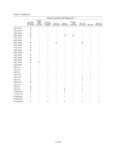
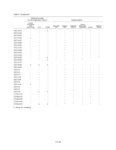
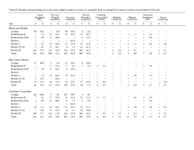
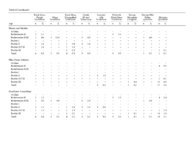
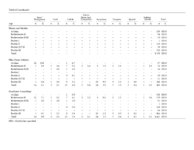
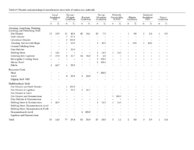
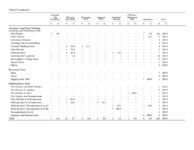
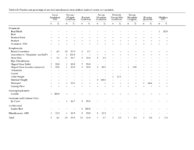
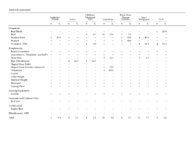
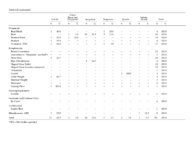
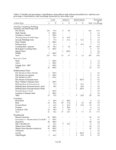
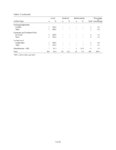
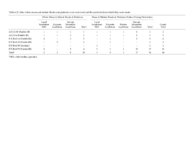
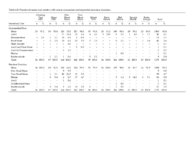
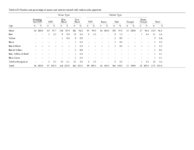
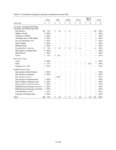
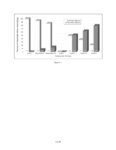
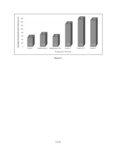
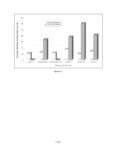
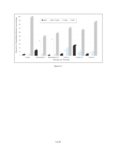
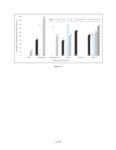
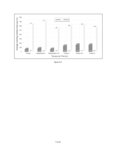
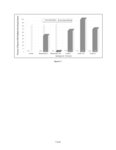
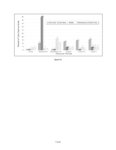
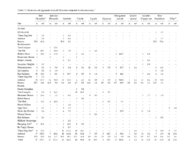
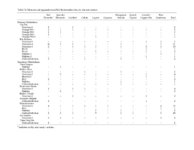
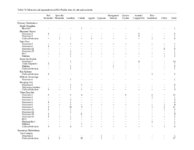
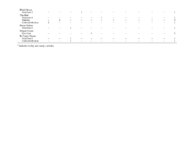
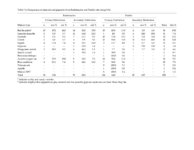
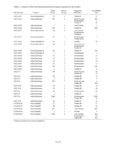
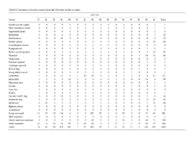
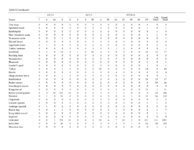
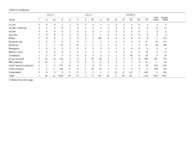
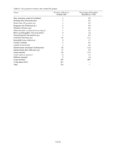
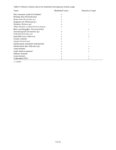
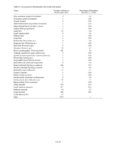
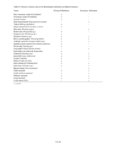
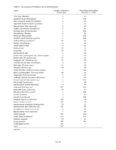
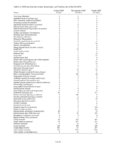
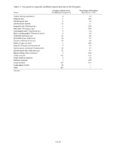
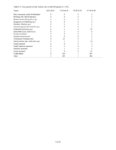
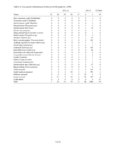
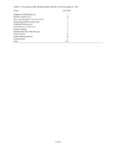
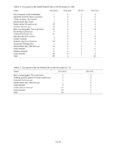
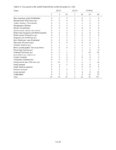
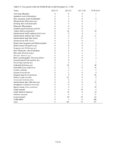
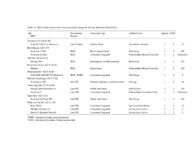
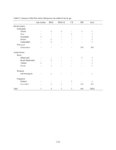
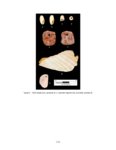
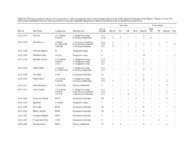
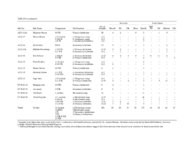
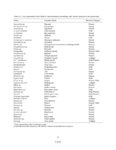
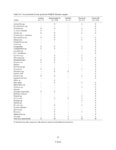
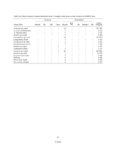
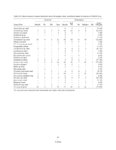
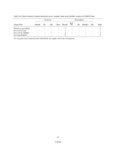
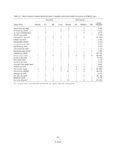
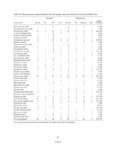
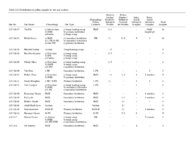
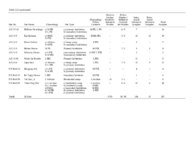
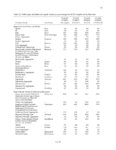
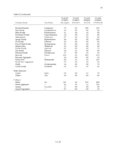
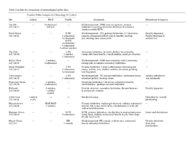
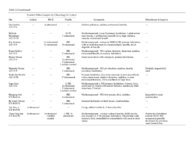
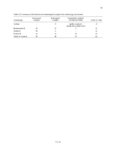
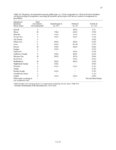
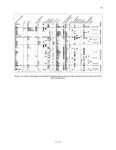
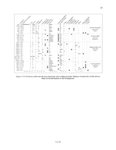
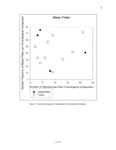
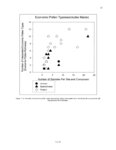
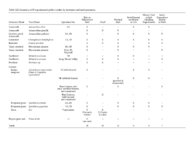
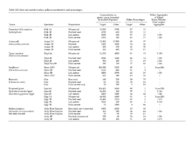
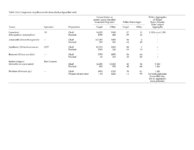
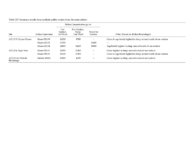
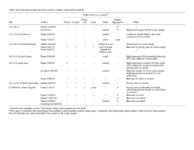
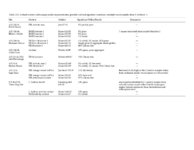
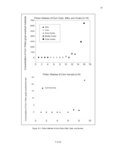
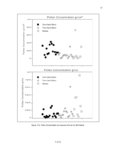
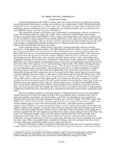
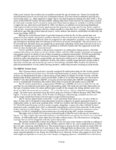
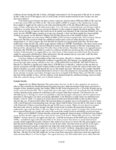
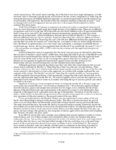
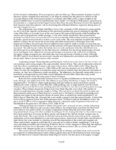
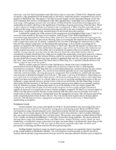
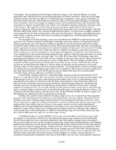
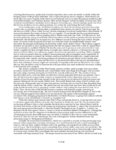
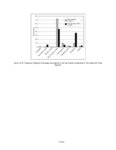
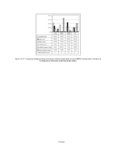
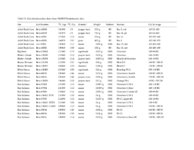
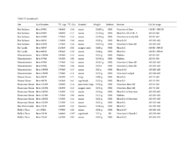
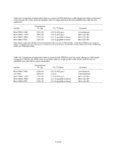
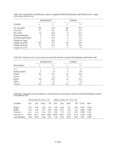
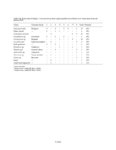
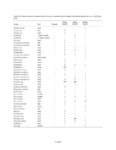
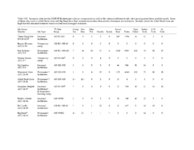
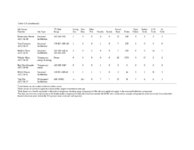
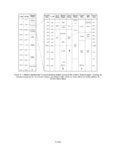
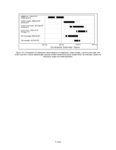
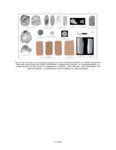
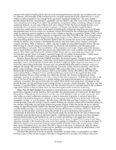
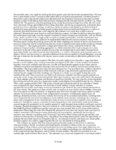
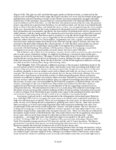
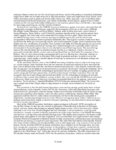
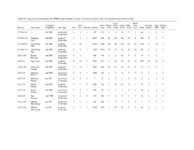
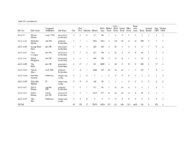
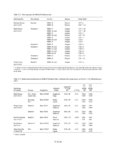
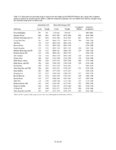
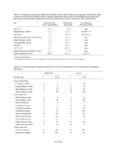
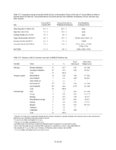
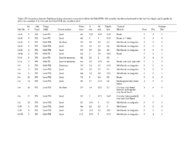
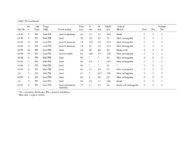
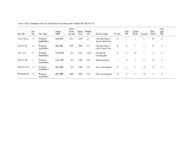
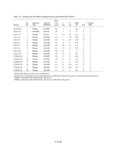
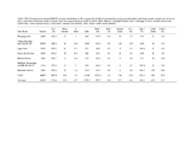
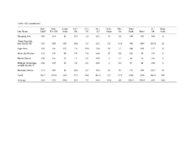
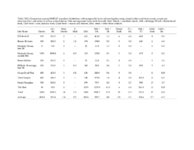
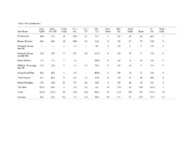
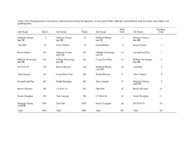
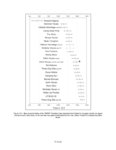
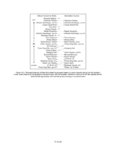
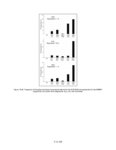
Show 3 Both pollen concentrations and percentages from the laboratory seed experiments are documented in Table 12.3. If the data are evaluated by pollen concentrations, the general trend across all of the seed washes was that pollen from the processed seed (referred to as Target in Table 12.3) was dominant over the combined values of other pollen types. Three exceptions were the palmer amaranth, beeweed, and Indian ricegrass. From raw seed to grinding on the lab metate, amaranth pollen was approximately equal to other types, whereas for beeweed, from raw to parched seed, the target taxon was less than other types. The target concentration from parched seeds of Indian ricegrass was less than other types. Even in these exceptions, a palynologist would recognize the processed seed because there are several taxa combined in the "other" category and the amaranth, beeweed, and Indian ricegrass values are higher than any individual type. The second general trend was that pollen abundance decreased through each step of the process and the largest decrease for all plants occurred between the raw seed to parched seed washes. Pollen percentages generally track the same trends as pollen concentrations (Table 12.3), but the smoothing effect mutes the spread between the raw seed to parched seed washes (e.g. goosefoot, tansy mustard, sunflower, and dropseed grass). Another result was the variability in pollen abundance between species. Tansy mustard, sunflower, and Cheno-Am produced more pollen than amaranth and beeweed at each step of the process. The decline in abundance from raw seed to metate wash was also variable between taxa. For example, there was 68 times more amaranth pollen in the raw seed than in the metate wash, and for tansy mustard there was 22 times more mustard pollen in the raw seed compared to the metate. Two species of dropseed grass were collected: Sporobolus airoides and S. giganteus. Raw S. airoides seed yielded 65 times more pollen than the lab metate wash, but S. giganteus yielded only 9 times more pollen. There were also differences in the distribution of pollen aggregates between taxa. Aggregates, which are clumps of the same pollen type, are interpreted to represent flower anthers that have not released individual pollen grains. Aggregates were recovered consistently from tansy mustard and the grasses through all processing steps, whereas Cheno-Am aggregates were identified only from the grinding trials. Where does the pollen go in the large decline in concentrations from raw to parched seeds? The answer is that the pollen remains on the chaff, and of course, the amount is variable by species. Winnowed chaff was collected and washed from six seed taxa; pollen abundance was consistently higher in the chaff than the parched seed, or in the case of purslane, the winnowed seed (Table 12.4). The differences in percentages between chaff and parched was not as dramatic, but these are smoothed numbers. The difference in abundance is exponential in goosefoot, amaranth (Amaranthus gracilis), sunflower, and Indian ricegrass, and not quite as dramatic in the beeweed and purslane. This explains some of the variability in pollen abundance between taxa because seeds that are difficult to separate from chaff would leave more pollen on grinding tools than clean seeds. The infinite forms of seed architecture-the hairs, bristles, bracts, and leaf-like cases that protect developing seeds and help disperse mature seeds-influence how much pollen persists on seeds and chaff. Micro texture on these elements and the seeds, such as pits, glands, sticky oils, and resins, all contribute to what happens to pollen. Human behavior is another factor that contributes to the variability in pollen abundance. People likely developed special techniques to help clean chaffy seeds, and with cleaner seed, less pollen is transferred to grinding tool surfaces. Alternatively, for some plants, technology may have favored more pollen transfer to grinding tools. The results from the chaff washes have implications for archaeological pollen sampling designs. The best contexts for archaeological pollen samples are where the harvests were stockpiled, leaf-stripped, and parched-where the chaff accumulated. What Happens in the Field? These results are discussed in terms of pollen percentages, since most pollen analysts base interpretations on percentage data, and the question we asked of the field experiments was this: If these were pollen washes from real artifacts, would a palynologist correctly identify the processed seed? Seven seed taxa were ground outside in 1998 with three taxa ground during August at a camp on the Kaiparowits Plateau, Utah, surrounded by dense pinyon and juniper forest. Four taxa were ground during November in northern Arizona, north of Red Lake, where the vegetation is sparse juniper trees with grasses. Metates were left exposed outside for 13 days at Kaiparowits and 4 days at the second camp. Comparisons between lab and field metates (Table 12.5) showed, with the exception of sunflower family which did not change, that other pollen types increased by 14 to 32 percent in the field metate washes. Clearly, a pulse of environmental pollen was deposited on field metates and recovered in the washes. Although this is a limited and not directly comparable data set, there was no clear-cut seasonal difference between camps-other pollen, winter and summer, ranged from 36 percent to over 90 percent V.12.3 |