| OCR Text |
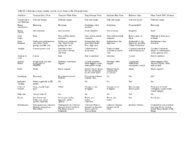
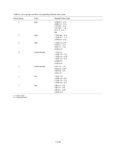
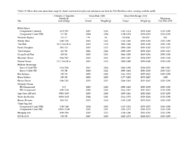
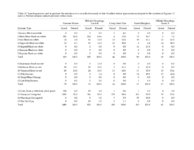
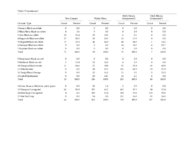
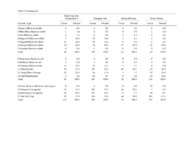
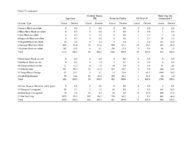
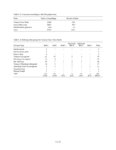
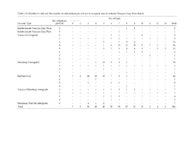
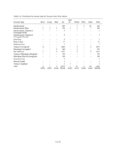
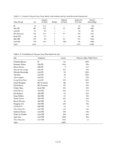
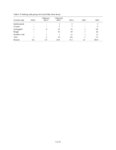
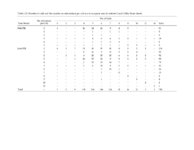
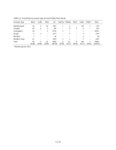
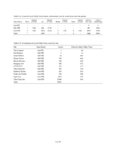
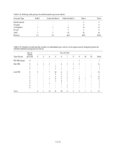
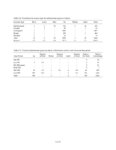
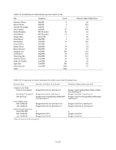
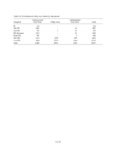
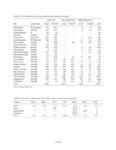
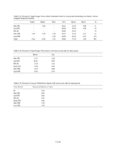
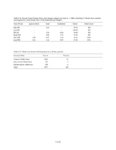
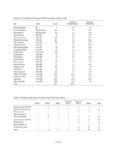
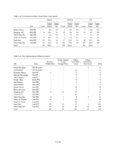
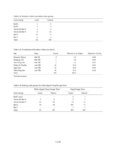
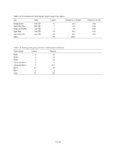
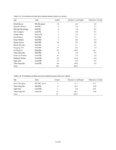
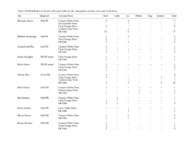
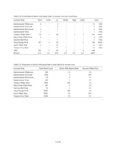
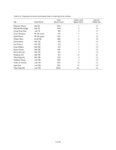
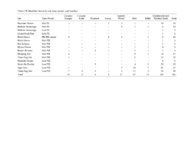
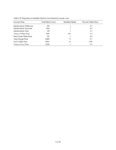
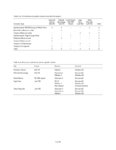
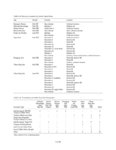
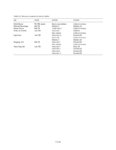
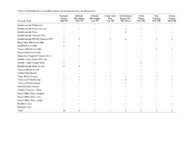
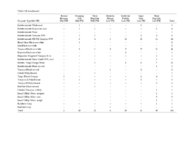
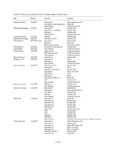
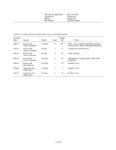
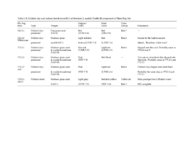
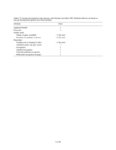
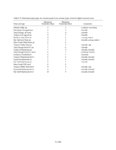
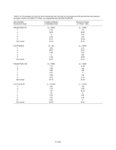
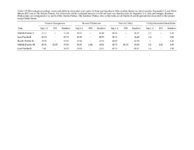
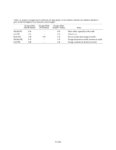
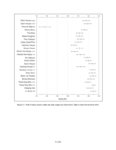
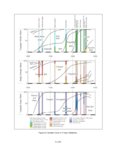
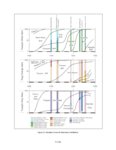
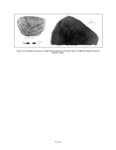
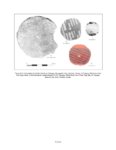
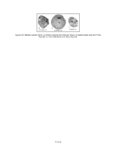
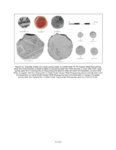
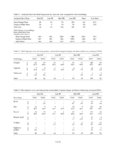
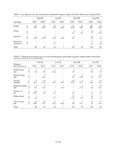
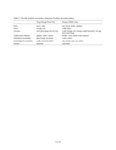
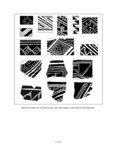
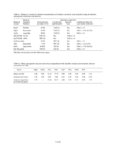
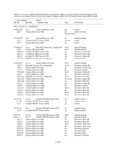
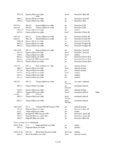
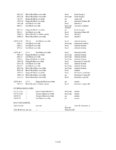
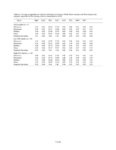
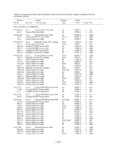
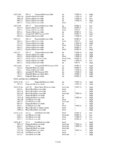
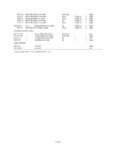
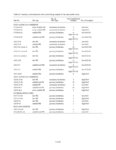
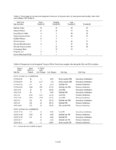
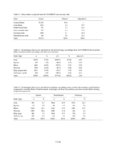
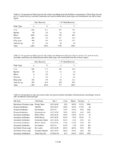
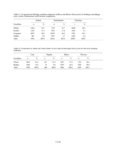
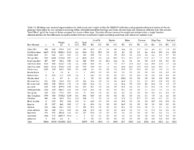
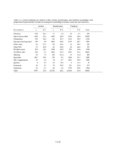
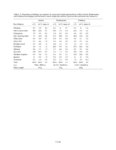
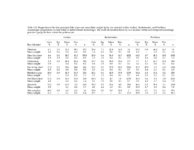
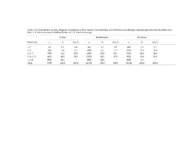
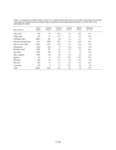
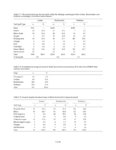
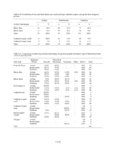
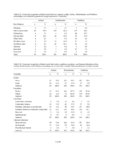
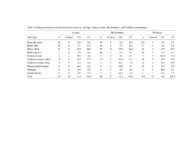
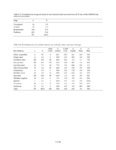
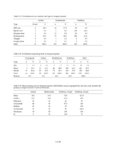
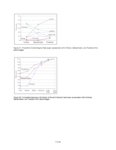
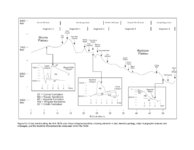
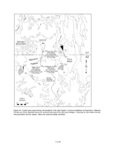
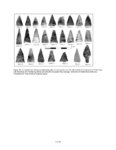
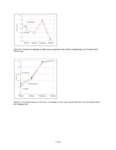
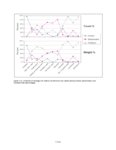
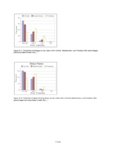
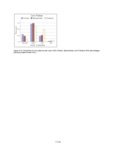
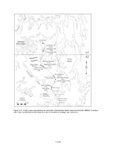
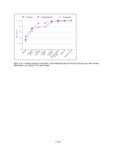
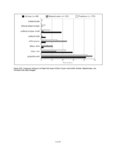
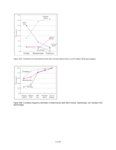
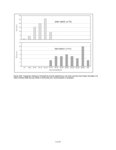
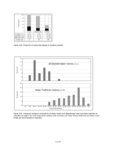
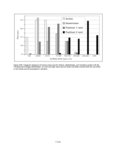
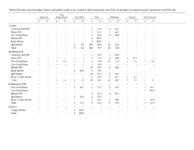
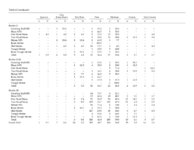
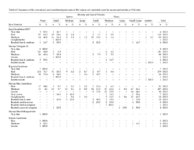
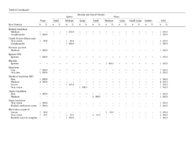
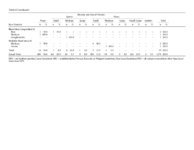
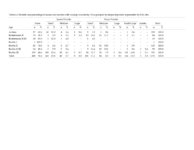
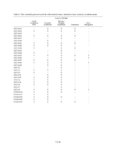
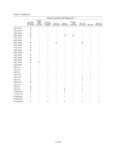
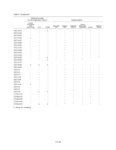
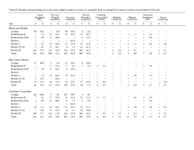
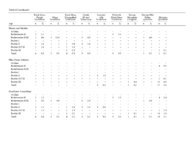
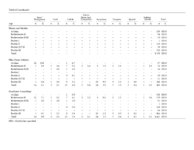
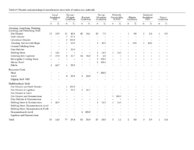
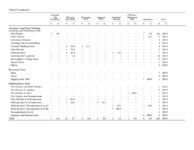
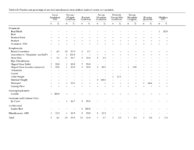
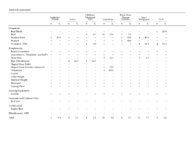
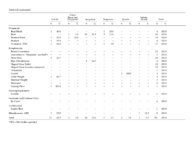
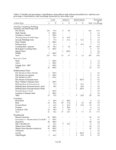
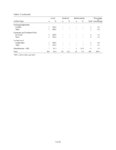
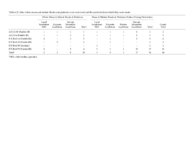
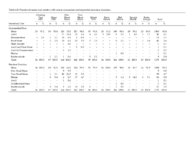
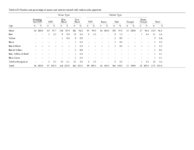
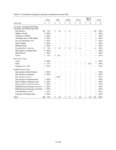
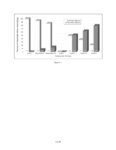
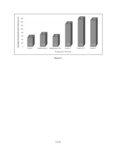
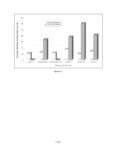
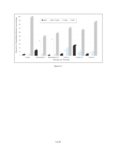
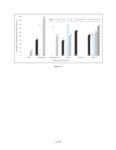
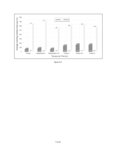
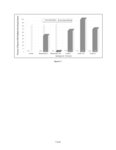
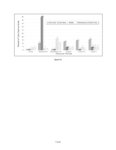
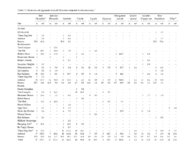
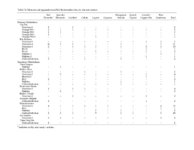
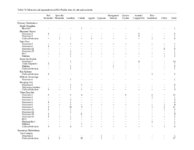
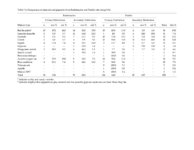
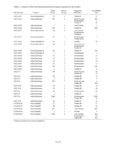
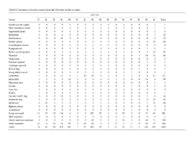
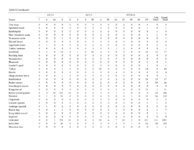
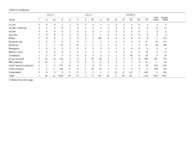
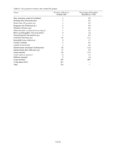
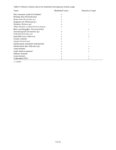
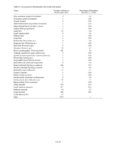
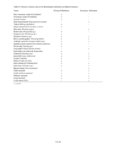
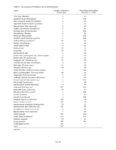
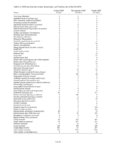
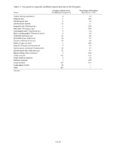
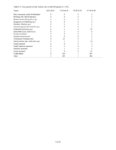
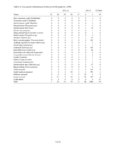
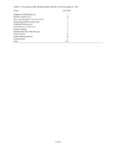
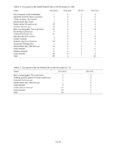
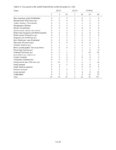
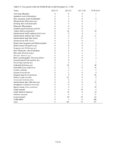
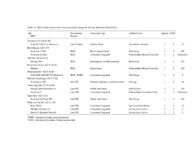
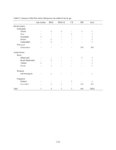
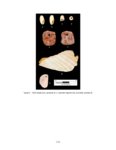
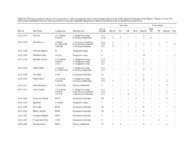
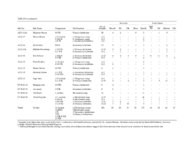
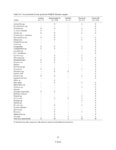
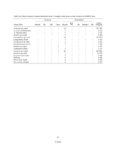
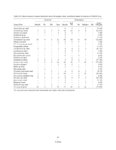
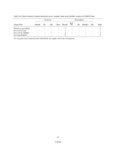
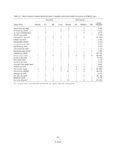
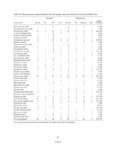
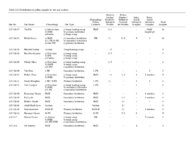
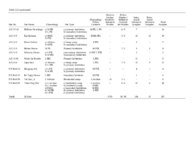
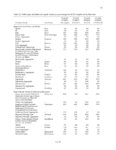
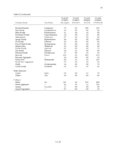
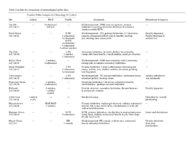
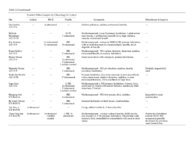
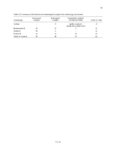
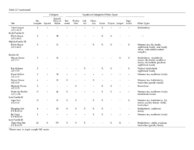
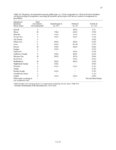
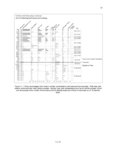
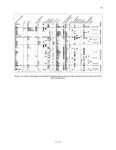
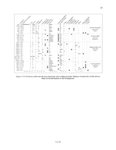
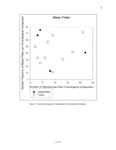
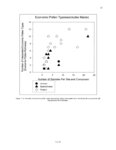
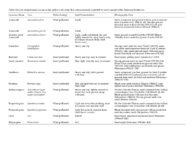
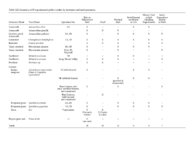
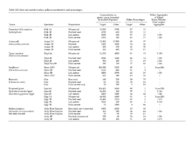
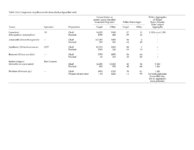
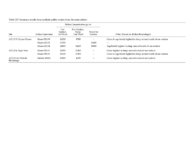
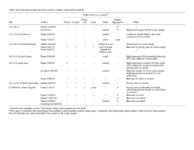
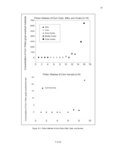
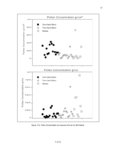
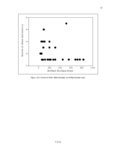
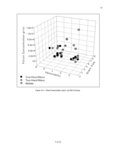
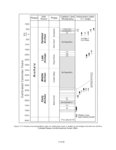
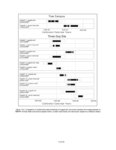
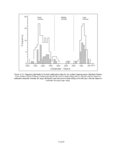
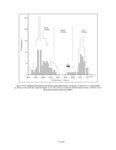
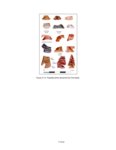
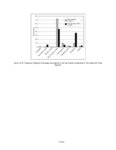
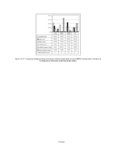
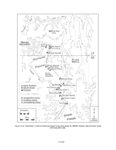
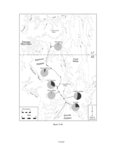
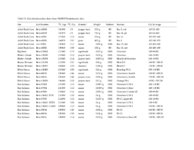
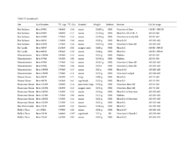
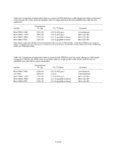
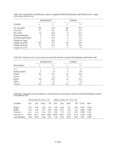
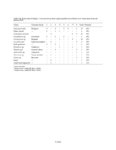
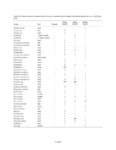
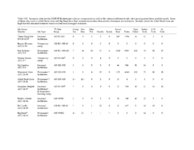
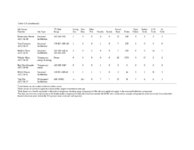
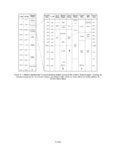
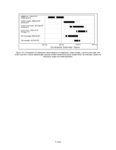
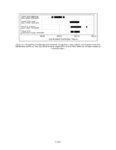
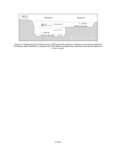
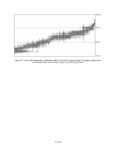
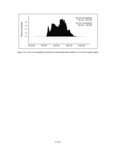
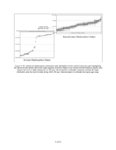
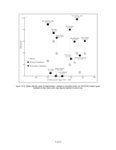
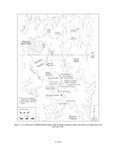
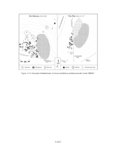
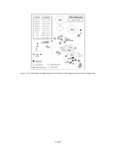
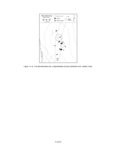
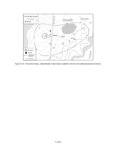
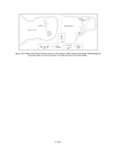
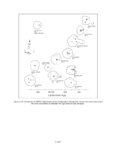
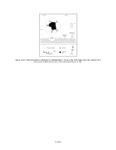
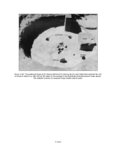
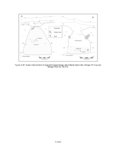
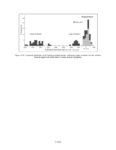
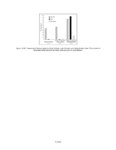
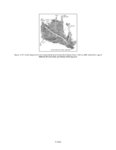
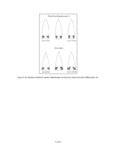
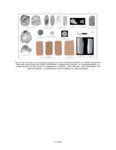
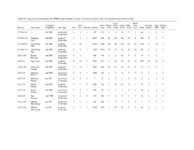
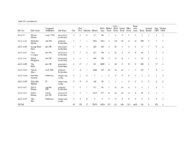
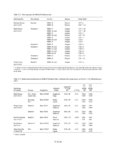
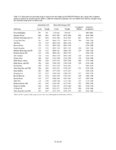
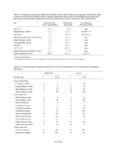
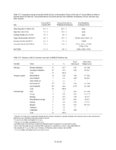
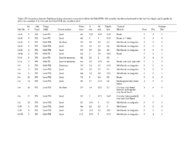
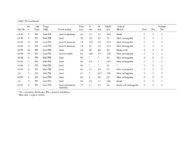
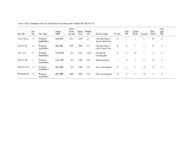
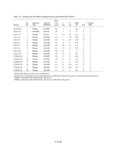
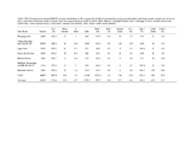
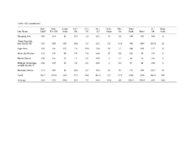
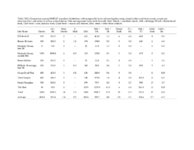
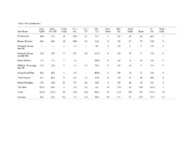
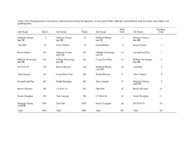
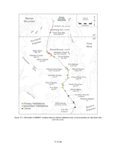
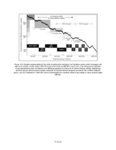
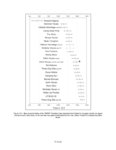
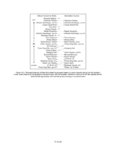
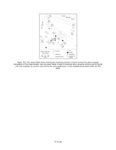
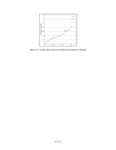
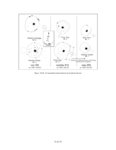
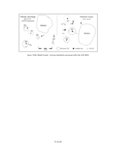
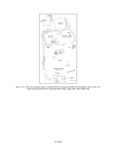
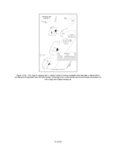
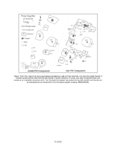
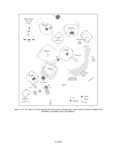
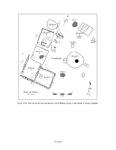
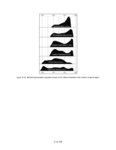
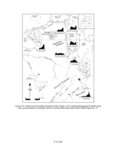
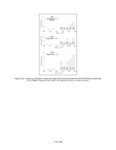
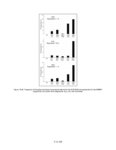
Show Patterns in Ash Temper Distribution Compositional analysis clearly shows two distinct types of volcanic ash temper in the ceramic samples from the Kayenta region. Ash temper in each sherd falls into either the high-FeO or the low-FeO cluster. No sherds contain both high-FeO and low-FeO ash temper. This pattern holds true for 113 sherds from 16 sites excavated during the N21 and N16 projects and four sherds collected from other Kayenta sites in the region. The volcanic ash composition does not correlate with other characteristics of the ceramics, such as design style, vessel type, or paste color (Table 4.5). The presence of only one type of ash in each sherd suggests that prehistoric potters had access to specific geologic resources rather than a full range of resources across the region. Although raw materials differed, the various ceramic production locales evidently produced a range of vessel types with temporally diagnostic design styles. Earlier phases of the microprobe study suggested that all ash-tempered ceramics from a given site would contain either low-FeO or high-FeO ash temper, but both types would not be represented. This pattern was first noted in sherds from seven sites along the N16 corridor (Spurr et al. 1998, 2001), but was considered tentative because the small sample consisted of three or fewer sherds from each site. Additional analysis of 36 sherds from five sites along N21, including two sites contributing 12 sherds each, supported the pattern (Spurr and Wittke 2004). We interpreted this distribution by suggesting that ceramic exchange in the Kayenta region was constrained by kinship or social obligations and that different ash sources were available to potters from specific clans or other social groups and exchange took place only among specified social groups. Potters at different villages might use different ash sources and trade only with certain distant villages. We hypothesized that this pattern might hold true from the late Pueblo II period into the late Pueblo III period (Tsegi phase) over a wide swath of the Kayenta region. The final phase of microprobe analysis did not support the earlier interpretation. After analysis of 62 additional ceramic samples, six sites along the N16 and N21 corridors, representing nine components, have produced sherds containing volcanic ash temper from both compositional groups (Table 4.6 and Figure 4.8). Ten sites show the original pattern of a single temper type, but in several cases there are fewer than five sherds from those sites, admittedly a small sample from which to draw interpretations. It remains true through all phases of analysis that each sherd contains only one type of ash temper. This pattern suggests that potters had access to specific ash sources, through either direct procurement or trade. Both FeO groups are represented in ceramics from across the Kayenta region. Most (87%) of the ashtempered sherds from sites along the N21 corridor contain high-FeO ash, whereas sherds from the N16 sites are nearly equally split between high-FeO and low-FeO ash temper (43% and 57%, respectively). The four low-FeO sherds from the N21 corridor are from one site, and all represent Sosi Black-on-white bowls. Differences in design execution and paste texture indicate that these sherds derive from four separate vessels. The disparate frequencies of low-FeO and high-FeO temper in the two project areas likely reflect cultural processes in ceramic distribution, rather than geologic resource distribution or random chance. Exchange systems operating in the two areas, while probably controlled by similar social conventions, evidently involved ceramics from different production areas, or produced by different manufacturing groups. Because we have not yet identified specific production areas for the high-FeO and low-FeO ash-tempered ceramics, we cannot precisely model the exchange routes among sites in different parts of the Kayenta region. It is clear, however, that patterns exist that may eventually allow us to link specific sites or clusters of sites across broad areas. Geib and Callahan (1987) noted a gradual increase in the frequency of ash-tempered pottery at sites across most of the Kayenta region through time (Table 4.7). All of the N21 sites included in this study date to the middle to late Pueblo II period, with the latest site perhaps bridging the Pueblo II-III transition. Ash temper at these sites never exceeds 9 percent of the whiteware assemblage (Table 4.8). The highest frequency of ash-tempered sherds (8.0%) occurred at AZ-K-25-26, which is the latest site in the project area, occupied after AD 1100. Frequencies from AZ-K-25-23 and AZ-K-25-24 are comparable, at 4.4 and 4.8 percent respectively, which is logical because these sites were contemporaneous and may have been occupied by related social groups.1 The earliest site in the N21 group, AZ-K-40-6, had less than 1 percent ash-tempered whiteware. No sites from the middle to late Pueblo III period lie within the N21 corridor, although Tsegi phase sites are present in the surrounding area. Excavation at a middle-late Pueblo III habitation south of the N21 produced only 2 percent ash-tempered whiteware, although a lump of raw volcanic ash was also found at the site (Clark 1993). 1 It is interesting, however, that these two sites produced different types of ash. Four sherds from AZ-K-25-23 all contain low-FeO ash, whereas all 12 samples from AZ-K-25-24 were produced using high-FeO ash. V.4.10 |