| OCR Text |
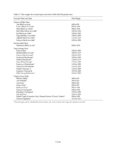
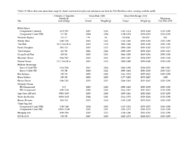
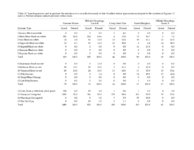
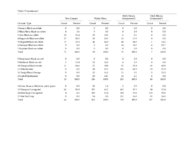
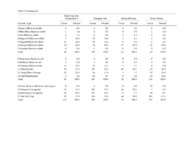
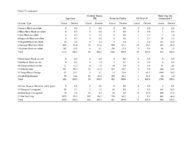
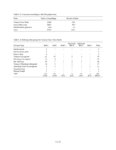
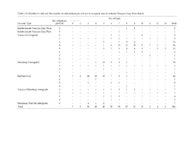
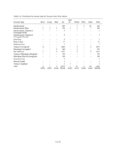
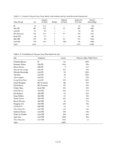
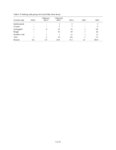
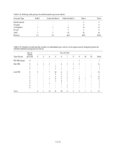
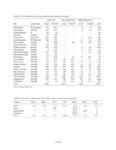
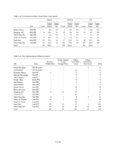
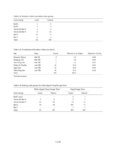
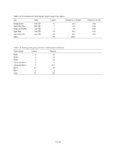
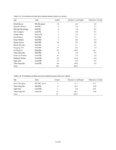
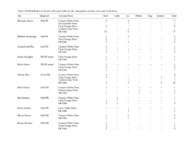
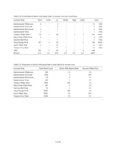
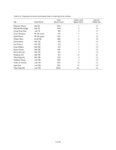
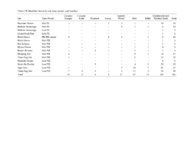
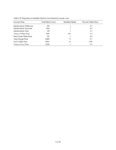
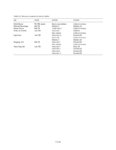
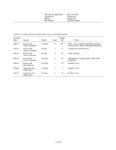
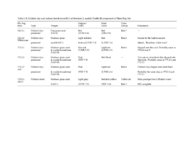
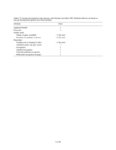
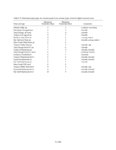
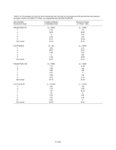
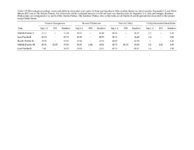
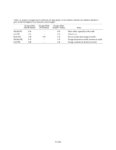
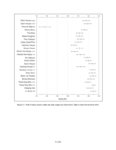
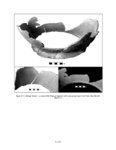
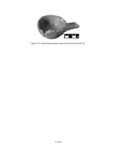
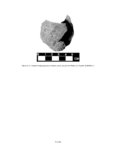
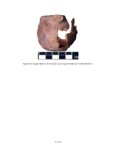
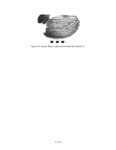
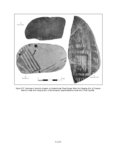
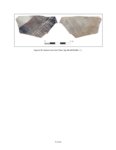
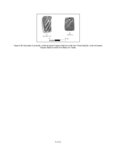
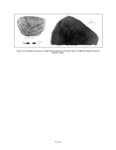
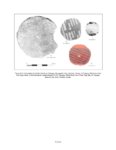
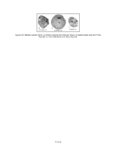
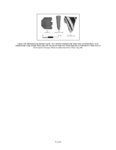
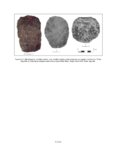
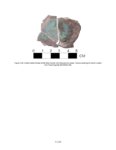
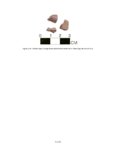
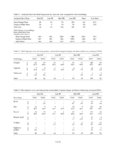
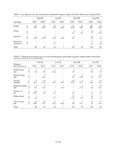
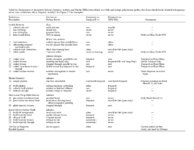
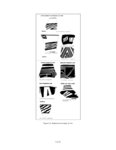
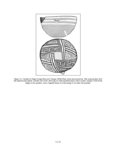
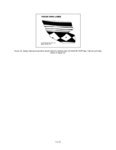
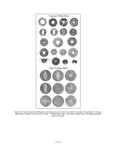
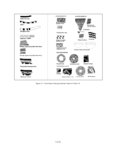
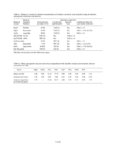
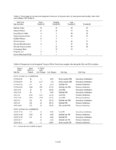
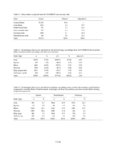
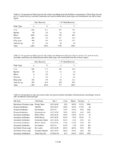
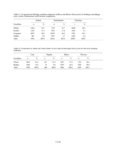
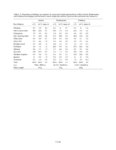
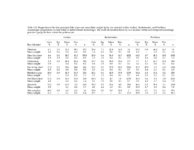
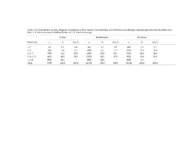
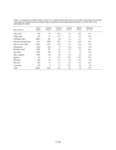
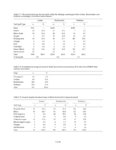
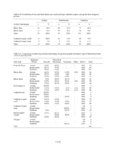
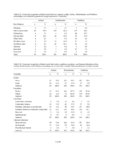
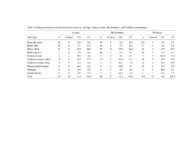
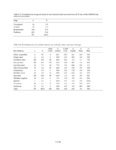
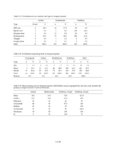
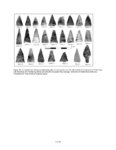
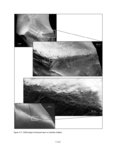
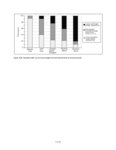
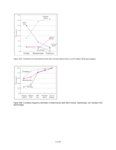
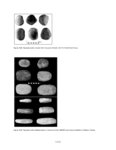
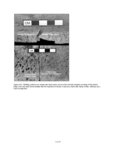
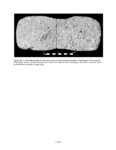
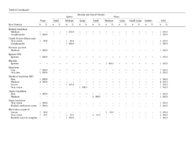
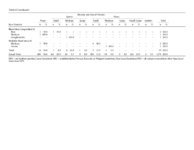
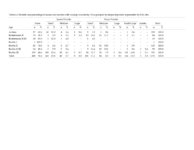
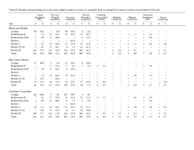
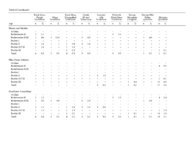
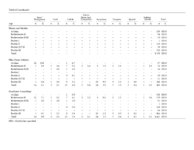
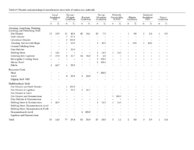
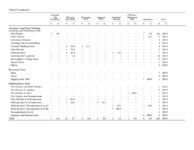
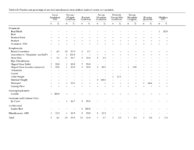
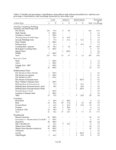
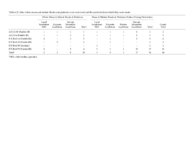
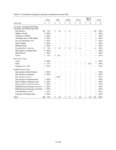
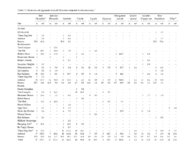
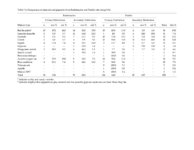
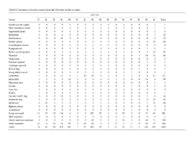
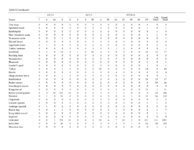
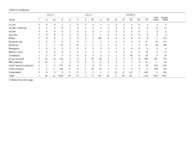
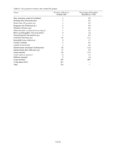
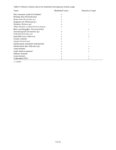
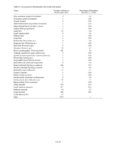
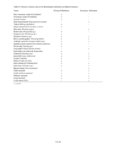
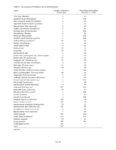
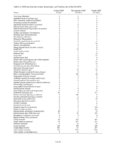
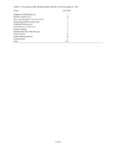
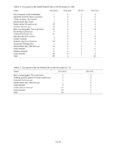
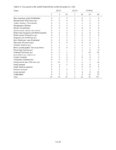
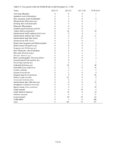
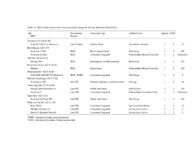
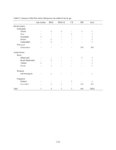
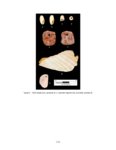
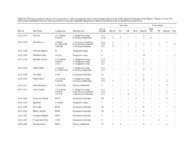
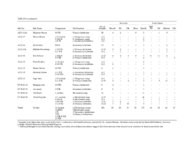
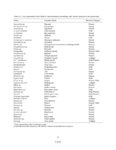
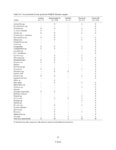
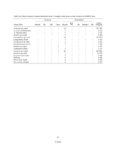
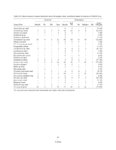
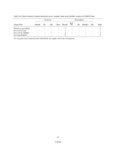
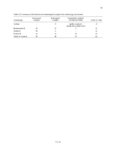
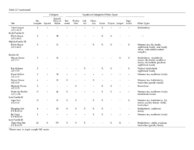
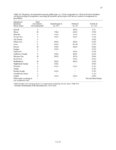
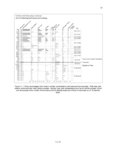
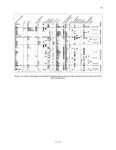
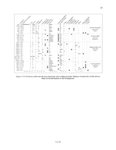
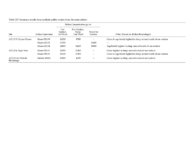
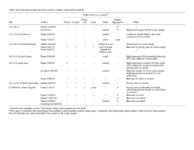
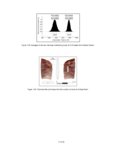
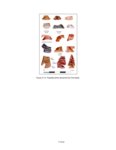
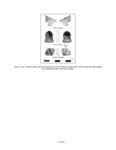
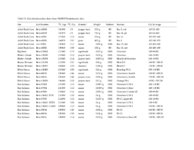
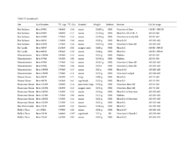
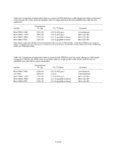
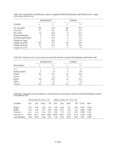
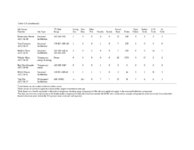
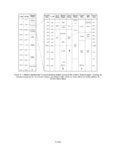
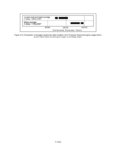
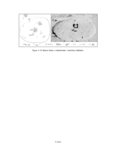
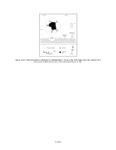
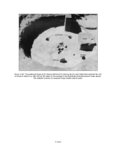
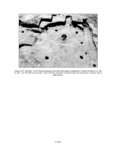
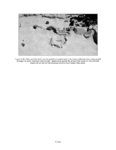
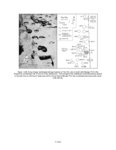
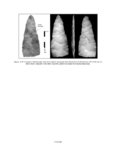
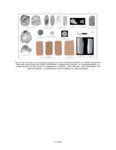
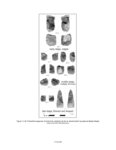
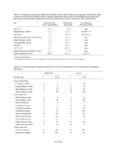
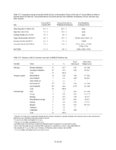
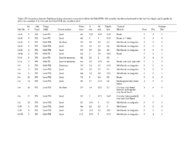
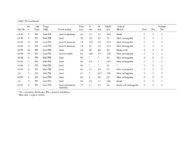
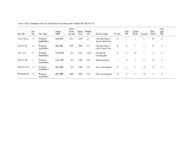
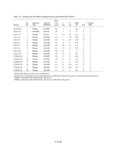
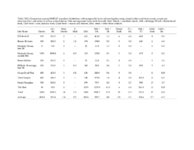
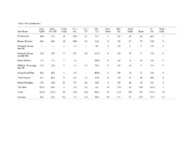
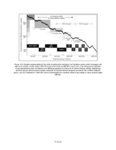
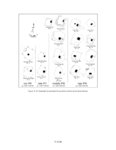
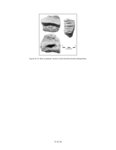
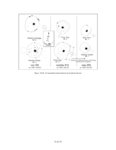
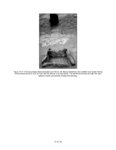
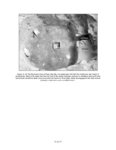
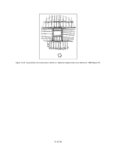
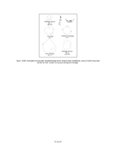
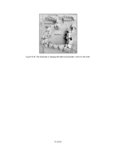
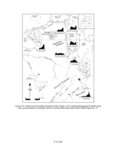
Show pecking stone refurbishing flakes, perhaps because of the significance of maize and the consequent need to produce and maintain grinding tools, but it also includes a higher proportion of rejuvenation flakes from flaked facial tools than the Puebloan assemblage. Possible transport wear is indicated on flakes that exhibit abrasion or dulling of the dorsal arrises (Figure 5.17). This sort of wear appears to be the result of carrying tools around in bags where they can bang together slightly and slowly scar from the hard stone-on-stone contact. Such transport-related wear develops more readily on glassy materials than on those with crystalline structure, especially textured material such as quartzite. In this regard, this type of wear was essentially restricted to obsidian, which is the material of the artifacts of Figure 5.17. The tool spalls (Table 5.17) of the Puebloan assemblage generally fit the same pattern seen with rejuvenation flakes in that the majority (70%) were derived from pecking stones, more than 400 in all. As discussed previously, differentiating pecking stone refurbishing flakes from accidental spalls is based on attending to differences in the origin of detachment and nature of flake initiation-wedging based and originating at the area of battering versus conchoidal initiated and originating adjacent to the battered area. Both kinds of flakes together account for almost 4 percent of the Puebloan debitage assemblage (3.8%). Grinding tools account for nearly the remainder of the Puebloan tool spalls-these are flakes that exhibit a use-ground surface. They were not classified as rejuvenation in that the intent of such flake removals could not have been to refurbish the manos or metates, but rather to recycle them into some other tool form. Not unexpectedly the Basketmaker and Archaic assemblages have a much higher proportion of spalls from projectile points and percussion-thinned bifaces than the Puebloan assemblage. The odd incidence of pecking stone and grinding tool spalls in the Archaic assemblage is all the result of a single late Archaic site (Tsé Haal'á) at the foot of Navajo Mountain. The debitage of this site is otherwise quite typical for an Archaic assemblage, being characterized mainly by percussion and pressure flakes from bifaces. DEBITAGE THERMAL ALTERATION Thermal alteration of siliceous stone to improve flaking quality (ease of initiation) was common practice in some regions and during certain temporal intervals. Documentation of the procedure on the Colorado Plateau has been spotty and inconsistent, to a large extent because of not looking for the evidence. Although this statement is also true for the Kayenta region, where evidence for heat treatment has been systematically recorded (e.g., Bungart et al. 2004), it is next to nonexistent, at least at Puebloan period sites. Immediately north of the Colorado River on the Kaiparowits Plateau, heat treatment of siliceous stone was widely practiced throughout all time periods, even the Puebloan (Geib et al. 2001). The principal evidence for inferring this practice is differential luster on a single flake-either a contrast in luster among flake scars on the dorsal surface or a contrast in luster between the dorsal and ventral surfaces. When one has experience with given material types it is possible to use other types of evidence to argue for heat treatment. For example, some materials are never lustrous in their raw state, so any flake of such material that is highly lustrous likely came from a heat-treated core or tool (excluding gloss patina or post-depositional polishing of some sort). Other raw materials can be quite lustrous in their natural state, with Navajo chert providing a good local example. For materials like this, differential luster is required to be certain that heat treatment was done. Burning generally precludes accurate assessment of heat treatment, but some burned flakes can exhibit such obvious differential luster that positive identification of heat treatment is still possible. Overall there was very little evidence for heat treatment regardless of the temporal period. It was lowest in the Basketmaker period (0.3% positive, another 0.1% possible), even lower than for the Puebloan (0.7% positive and 0.4% possible). More than half of the heat-treated flakes from the Puebloan assemblage came from the previously discussed Pueblo III site at the foot of Navajo Mountain (Three Dog Site), where there was evidence for considerable arrow point production. The Archaic period had the highest occurrence of evidence for heat treatment but it was still insignificant: 1.1 percent positive and another 0.2 percent possible. Like with the Puebloan assemblage, most of the heat-treated flakes came from sites at the foot of Navajo Mountain. TOOLS As discussed at the start of this chapter, the NMRAP stone artifact analysis recognized five general classes of stone tools, each of which was analyzed using a separate analytic format. These five classes, as defined previously, consisted of used flakes, flaked facial tools, cores/nodular tools, grinding tools, and miscellaneous other items. Used flakes have already been discussed so the focus here is with the other four classes. Grinding tools and miscellaneous stone artifacts are examined in much greater detail in the V.5.29 |