| OCR Text |
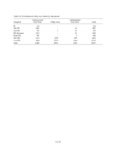
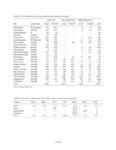
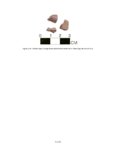
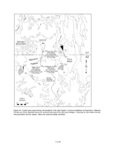
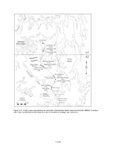
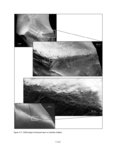
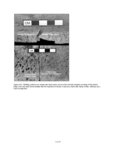
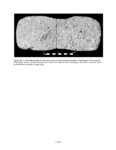
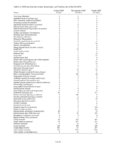
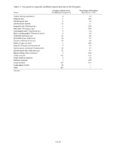
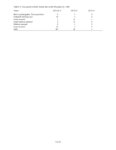
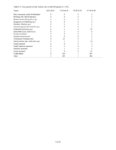
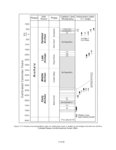
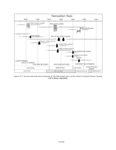
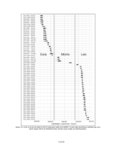
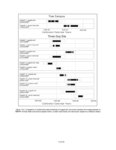
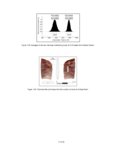
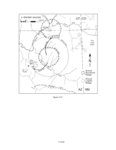
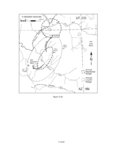
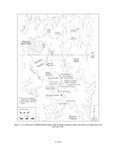
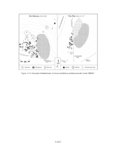
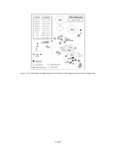
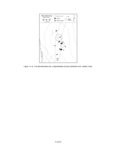
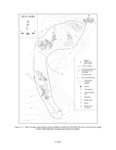
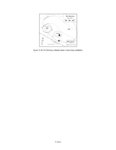
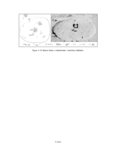
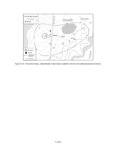
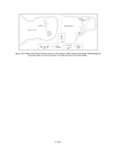
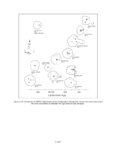
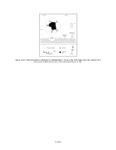
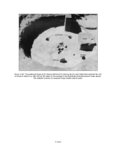
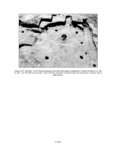
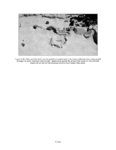
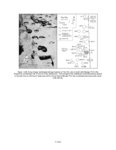
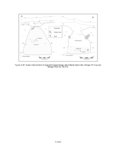
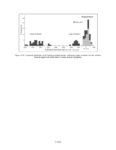
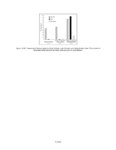
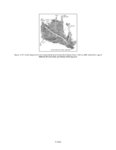
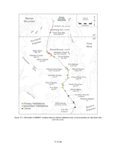
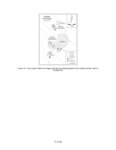
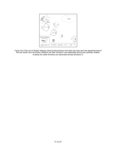
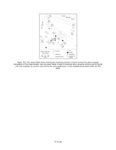
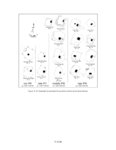
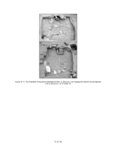
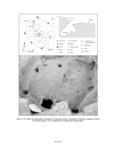
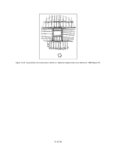
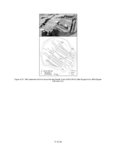
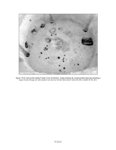
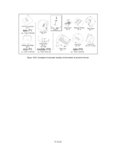
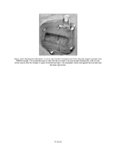
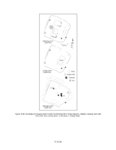
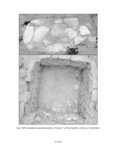
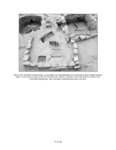
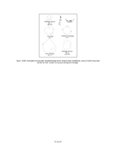
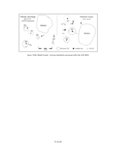
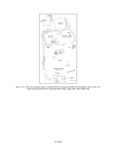
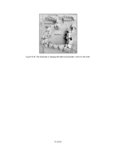
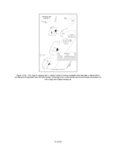
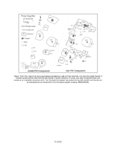
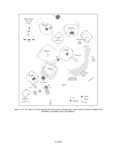
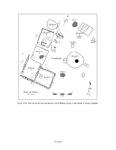
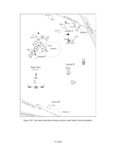
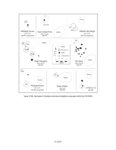
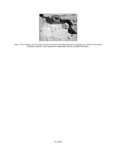
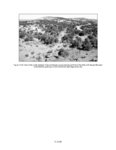
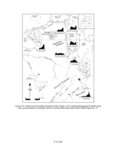
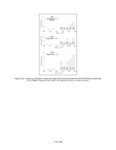
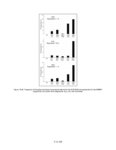
Show are arranged along the crest of a sandy rise that extends outside the ROW, where additional storage pits, most structures, and other features certainly occur. The sandy rise was ideally suited for subterranean storage features: besides being well drained, the deep sand is easily excavated when damp, but hardens upon drying to form stable walls. In addition to hardening upon air drying, the Basketmaker II occupants used an intense but brief fire provided by brush and the like to bake the walls. The pits appear to have been purposefully laid out in rough north-south and east-west alignments, which may have simplified their relocation once sealed and buried. Huckell (1995:120-121) has provided numbers for estimating how many kilograms of corn could have been stored in bell-shaped pits, how many calories this could represent, and how many person-days of food might be represented. Applying his figures to The Pits yields the following results. The 17 cu m of storage capacity provided by the 24 excavated pits could have held 312,800 maize ears (Huckell lists 9,200 ears per 0.5 cu m). This number of ears yields 6881.6 kg of kernels (Huckell lists 22 g of kernels per ear). This weight of corn provides 24,429,680 calories (based on the FAO [1953] figure of 3550 calories per kg). Assuming a diet of 2000 calories per day, the storage pits at the site could have held 12,215 person-days of maize or 33 years of surplus for one person. Obviously there are plenty of unknowns and assumptions in these calculations, but they are provocative and they point to the inescapable conclusion that a large volume of food was saved at this one location. These features may have held items other than corn, but that may not reduce the overall caloric figure that much, if at all, depending on the types of resource represented. Indeed, if pinyon nuts had been stored in the pits, a resource that yields about 7140 calories per kg (Madsen 1985: Table 1), then the caloric yield of the pits would be vastly greater. Squash, if stored as whole fruits, is one resource that would have reduced the caloric yield of the pits. The largest assumption about these figures is that the pits were all used at about the same time, something that is not the case based on the existing radiocarbon dates. More important, the effective uselife of these features remains a large unknown. Several years of use seem likely but would the pits have remained functional for 10 years? If these features were usable for just 5 years, then 120 years of food storage could be represented. Assuming that only one pit was in use at a time and using the average size of 0.7 cu m, this feature could have held 510 person-days of maize. Given the abundant storage potential of these features, I believe that The Pits served as a winter residence. The nature of surface evidence outside the ROW is consistent with this interpretation. A midden of abundant burned rock, charcoal-stained soil, and artifacts covers the entire eastern slope of the site, an area 1600 sq m in size. Based on this accumulation I have no doubt that the excavated features represent just the storage component of a major residential site and that several pit houses lie buried in a level area just beyond the limits of work. Unfortunately, excavations could not be pursued outside the ROW; thus, the number and nature of the likely pit houses at this site remain a matter of speculation. However, the project has an acceptable analogue for the types of features and other remains that the surface evidence is indicative of in the site known as Kin Kahuna. A Pit House Hamlet: Kin Kahuna. Considerably more of Kin Kahuna lay within the N16 ROW than was the case for The Pits, allowing about half of this Basketmaker II settlement to be excavated. NNAD excavations at this site uncovered 7 pit houses, 26 storage pits, 32 other pits, 17 hearths, extensive trash deposits, and human burials (see Figure 14.14). Because half or more of this site also lies outside the N16 ROW, its true size and complexity remain unknown.8 Six of the houses were completely excavated, whereas the seventh, which lay mostly outside the ROW, was only sectioned along its northern edge. Surrounding the houses are numerous storage pits of various sizes. Eighteen pits are of the bell-shaped storage variety, like those at The Pits, whereas eight others are shallow with straight sides, but still large. The bell-shaped storage pits range in size from 0.2 to 1.6 cu m (average 0.6 cu m), with a combined storage capacity of 10.4 cu m. Estimating storage capacity of the eight other large pits is difficult because they might have had domed superstructures of sticks and mortar as seen in certain sheltered sites (e.g., Guernsey and Kidder 1921: Plate 9); such domes would have added considerable volume. Kin Kahuna has evidence for long-term occupancy based on the superpositioning of structures and other features and the filling of abandoned structures and storage pits with rich midden accumulations (Figure 14.15). The oldest and deepest house (Structure 5), at slightly more than 1 m deep, had been totally trash filled, with another house partially superimposed over it, which was in turn trash filled (Structure 4). Although only a relatively small fraction of the cultural stratum and midden was excavated 8 The site boundary for Kin Kahuna was based on Puebloan remains not the buried Basketmaker II remains, so the true size of the Basketmaker II component remains unknown; we assume that a substantial part of the component lies outside the ROW because at the limit of excavation the Basketmaker II cultural stratum was thickest and features were far more concentrated and superimposed, implying that this was near the core site area. V.14.24 |