| OCR Text |
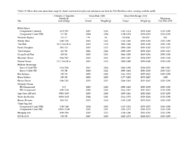
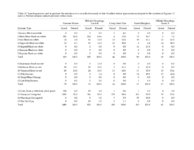
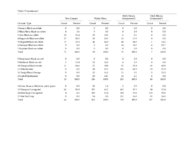
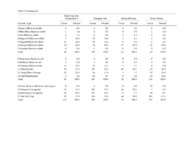
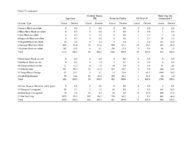
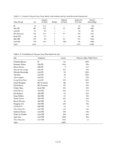
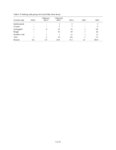
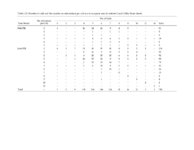
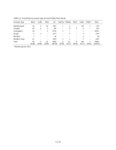
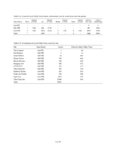
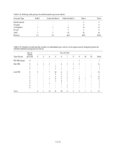
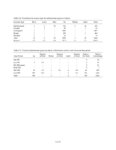
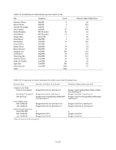
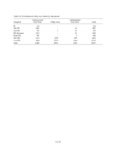
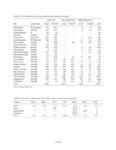
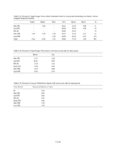
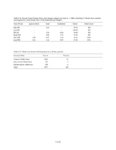
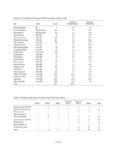
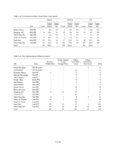
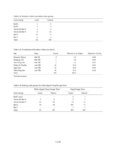
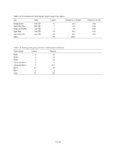
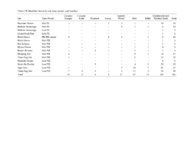
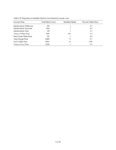
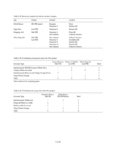
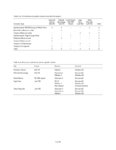
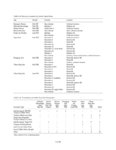
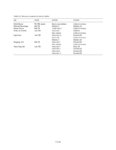
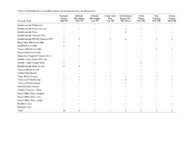
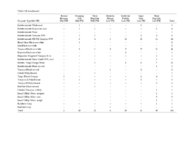
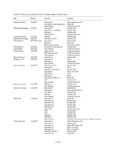
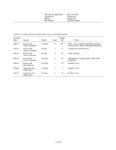
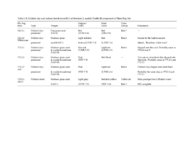
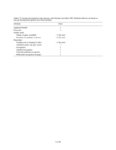
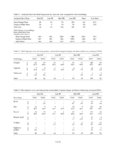
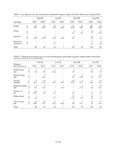
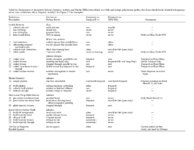
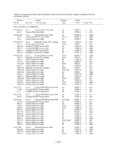
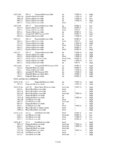
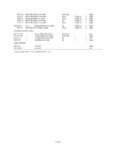
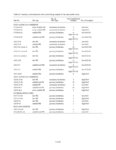
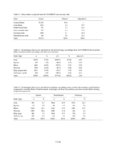
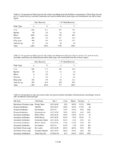
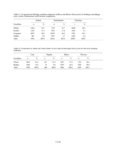
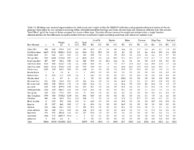
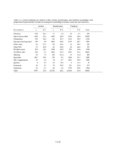
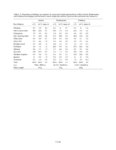
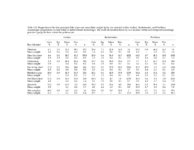
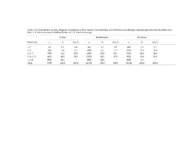
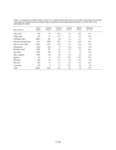
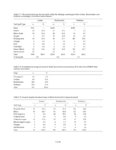
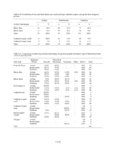
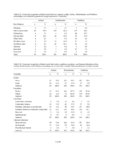
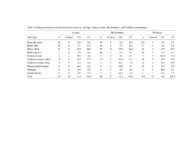
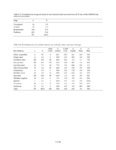
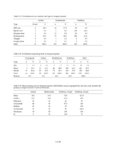
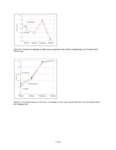
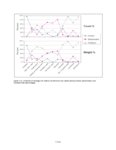
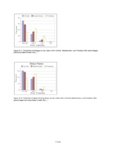
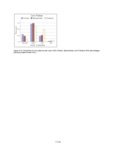
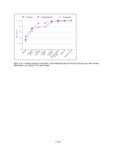
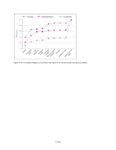
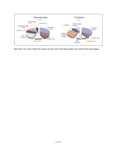
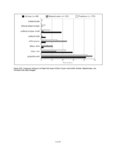
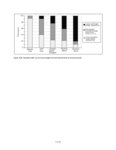
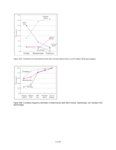
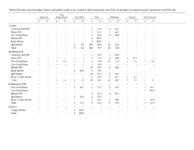
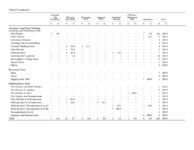
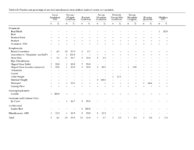
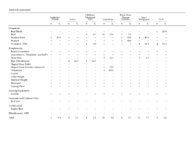
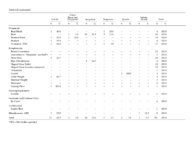
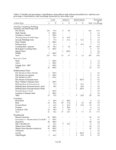
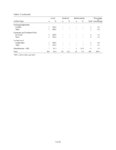
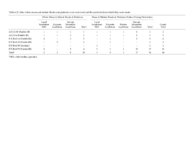
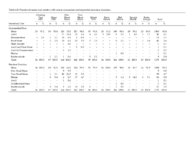
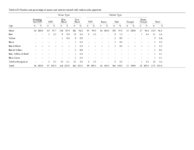
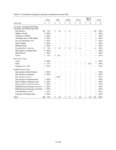
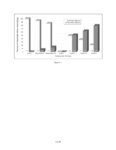
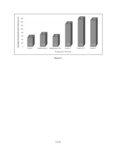
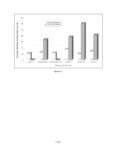
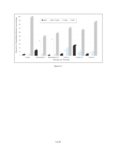
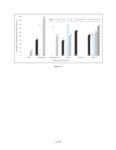
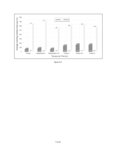
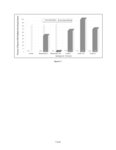
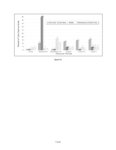
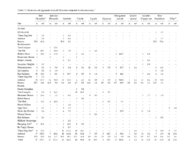
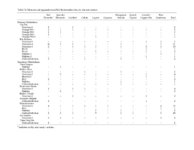
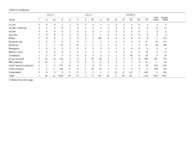
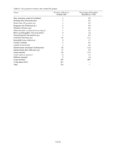
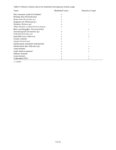
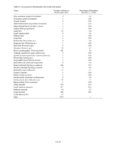
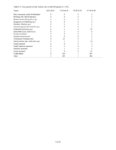
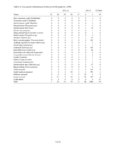
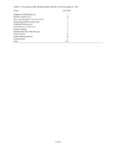
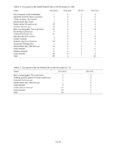
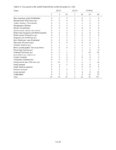
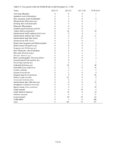
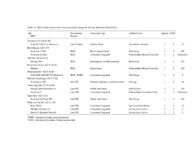
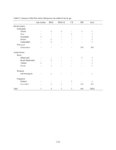
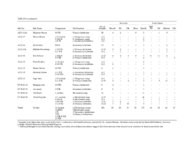
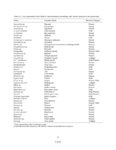
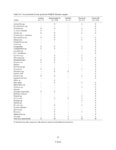
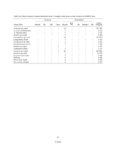
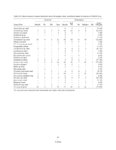
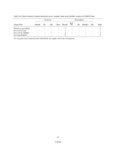
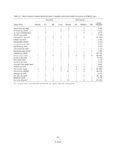
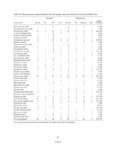
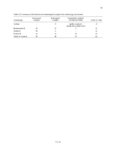
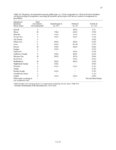
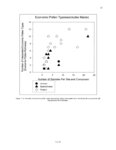
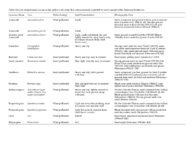
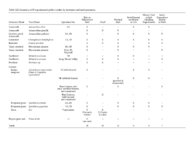
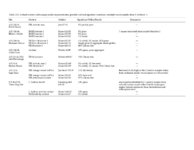
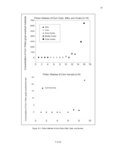
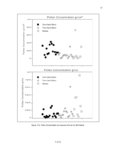
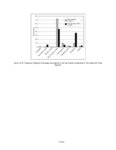
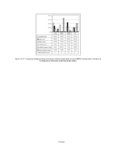
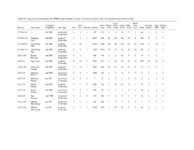
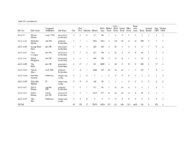
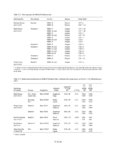
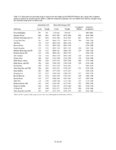
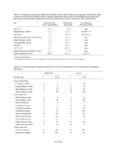
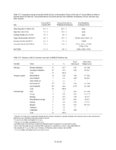
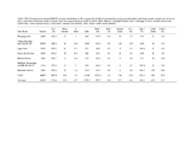
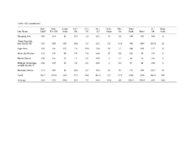
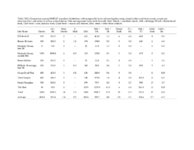
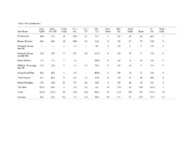
Show (Bye 1981). Therefore, pioneers left in the field and harvested can be considered to have been encouraged pioneer crops. Pioneer plants that were encouraged would increase in density under the influence of agriculture intensification. The productivity from these resources would increase the edible biomass of a cultivated area, increase the predictability of yield, and also improve the nutritional basis of the population (Ford 1984:137). Applying this construct of multiple cropping theory to prehistoric agricultural populations, such as the Kayenta Anasazi, should result in an observable trend in the representation of pioneer plants. There was an indication of this trend, but not as strong as expected. Of course, as was noted above, and also noted in the results of the pollen analysis (see Chapter 11), the evidence of other domesticates besides maize was very poor. It is believed that the paucity of remains of beans and squash is, in part, a result of poor preservation. The results of some coprolite analyses have indicated that squash may have been less favored by the Anasazi during the Pueblo III period (Stiger 1977), but pursuing that idea is beyond the scope of the present database. A major research issue under the domain of economic specialization is whether the transition to an agriculture-based economic system was an in situ Archaic development or whether horticulture was brought into the area through territorial expansion of outside cultures. Evidence of domesticated crops, specifically corn, does not show up in the macrobotanical database prior to the Basketmaker II period. Whether this refutes in situ Archaic development for the entire Rainbow/Shonto Plateau is debatable given the poor condition of the macrobotanical assemblage from the Archaic period components in the project area. By the Basketmaker II occupation, maize agriculture seems to have been fairly developed and important in the subsistence strategy, but there is no evidence for squash during this time period, either because it was not being cultivated or because no remains were preserved in the archaeobotanical record for that time. Another research issue that can be addressed at some level by the macrobotanical database is subsistence specialization within the project area specifically and by proxy across the Kayenta Anasazi culture area in general. At any given temporal period represented by the N16 sites, what was the relative dietary importance of maize and other cultigens compared to gathered plant foods? As noted above, the Pueblo I period is represented by a single site where only two flotation samples were collected; these limited data can shed no light on the research questions. In the Basketmaker II and Pueblo III assemblages, based on ubiquity indices, maize is the most frequently occurring plant food, although Chenopodium was just slightly more ubiquitous than maize during the Pueblo II period. It is unlikely that this pioneer plant resource was actually favored over maize and the record is considered a fluke of preservation and contexts sampled. In the Basketmaker II-Pueblo III assemblages, anthropogenic plants (pioneer plants) are more common than wild plants, with the exception of wood. Although the number of pioneer taxa may be slightly higher, actual frequency of occurrence is not necessarily high for the majority of these plants. As noted above, evidence of both squash and beans is very limited, both in the macrobotanical assemblages from the various components and in the pollen record for these components (see Chapter 11). Compared to maize, squash and beans are always less ubiquitous in the archaeobotanical record, even in macrobotanical assemblages that are garnered from four times the number of samples as analyzed for the N16 project (cf. Matthews 1986; Toll 1985). Much of this disparity in representation can be attributed to harvesting practices, preparation techniques, and modes of consumption, as well as preservation. Given the generally poor preservation of botanical remains at the N16 sites, it is not feasible to evaluate the economic and dietary importance of squash and beans relative to corn, nor relative to pioneer and wild plant resources. Based on presence/absence, there is an indication that pioneer resources that flourish in anthropogenic communities were more important than wild resources in the subsistence economy of the occupants of the N16 sites. However, many wild resources were valued for plant parts that do not preserve well in the archaeological record, so there is an automatic bias towards representation of seedbearing pioneer plants. Nonetheless, as agriculture became more entrenched in the subsistence economy from Basketmaker II through Pueblo III, the diversity of pioneer taxa increases in the macrobotanical assemblages. It should be noted, however, that the diversity of wild resources represented from Basketmaker II through Pueblo III also increases, but the pioneer taxa present are more than double the wild taxa during any time period. The macrobotanical assemblage from the N16 project indicates that beginning in the Basketmaker II period, maize agriculture was an important component of the subsistence system. The paucity of evidence for both beans and squash is puzzling. The poor preservation of botanical remains in general makes it impossible to determine whether low representation of these two domesticates indicates that they were not important parts of the agricultural system or whether they are almost absent from the archaeobotanical record for other reasons. The consistent increase in pioneer taxa represented in the 9 V.10.9 |