| OCR Text |
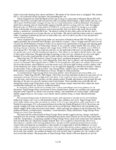
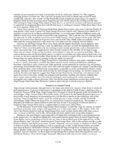
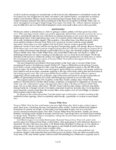
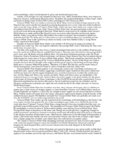
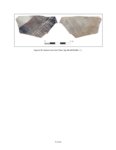
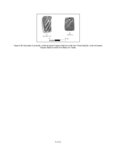
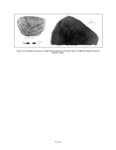
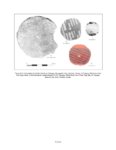
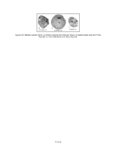
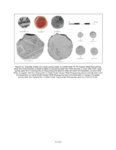
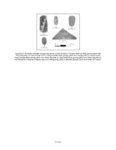
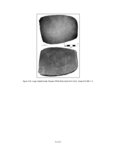
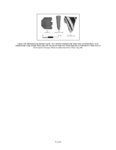
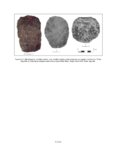
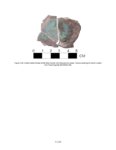
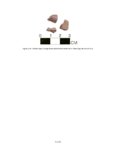
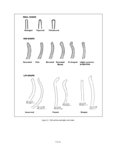
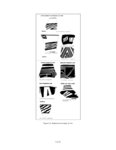
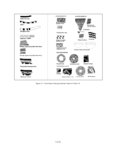
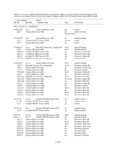
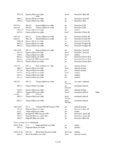
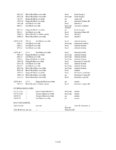
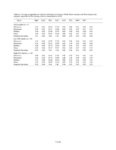
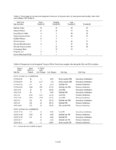
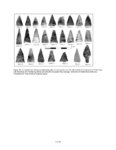
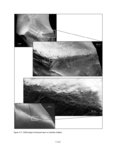
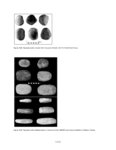
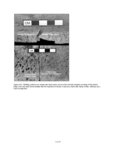
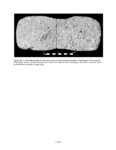
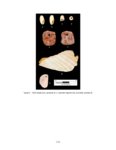
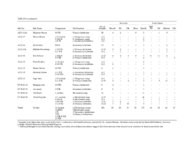
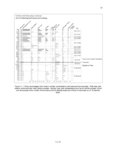
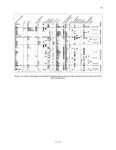
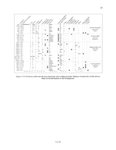
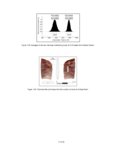
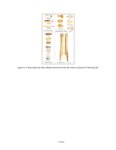
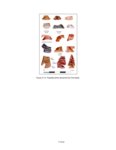
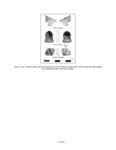
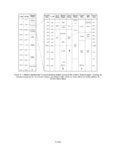
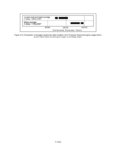
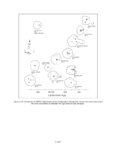
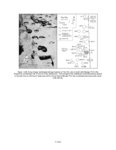
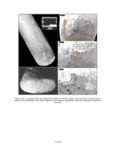
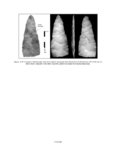
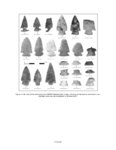
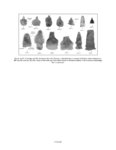
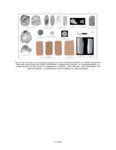
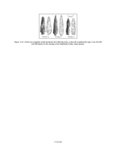
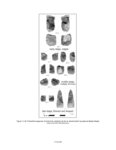
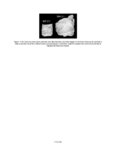
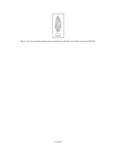
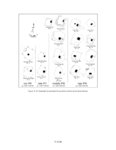
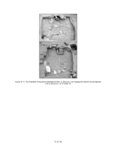
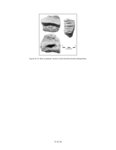
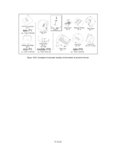
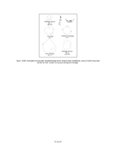
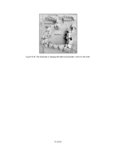
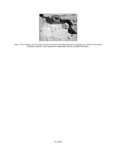
Show of variability that might be expected in a late Basketmaker II assemblage (site occupied sometime between cal. AD 120 and 330). Although all of these tend to have the wide side- to corner-notches, most are not as deep as is typical. All retain portions of the wide percussion flake scars that are so characteristic of Basketmaker II dart points of the region, scars from flakes that simultaneously thinned and shaped the projectile points (see Geib 2002). Reflaking and reuse have obliterated many of these flake scars, but they are still evident on the bases and lower portions of the blades. These five points plus "m" also exemplify the Basketmaker II penchant for extensive use of projectile points for tasks other than or subsequent to their use as weapon tips. All exhibit traces of extensive use, probably while they were hafted to foreshafts or other handles. The tip of point "g" exhibits extensive edge polish from cutting use; this tip had broken and then been refashioned, but with a small remnant of the break surface still evident. The three points with fractured tips (i-k) all have use-wear extending over the breaks, indicating continued use in capacities other than as projectile tips. A good example of what these tools probably looked like when hafted is provided by one of the hafted dart points from Cache 1 at Sand Dune Cave, a point that had been used extensively as a cutting tool (Geib 2002: Figure 18.10 left, note 7). Guernsey and Kidder (1921: Plate 35e, 95) illustrated and described a dart point that been removed from the standard foreshaft and rehafted onto a short handle for use. The recycled point "i" has a large impact break that removed the tip and burinated one margin down to the notch, but it shows use rounding and a small flake or two removed from the broken edge, and the intact margin exhibits edge rounding and polish from use, so evidently the item continued to be used as a hafted knife or cutting tool. The tool shown in Figure 14.38l is so extensively modified that it no longer resembles a projectile point tip except for the obviously notched base. Given the presence of the upper part of both notches, this point evidently snapped transversely like "f" immediately above, with the basal portion then being reflaked to fashion the stubby drill tip. A more common way for this type of point to break is straight across the notches such as represented by the eight bases "p-w" and by the one tip and midsection portion "o" (point "x" is snapped by a bending break above the notches). In most cases these artifacts appear to have broken in the haft from bending forces, likely during impact; these are the sorts of items that would be cleaned from foreshafts to be replaced with new points. This sort of breakage leaves large tip and midsection portions like that shown in "o," which could have been collected for recycling (this example came from the floor of Structure 4 at Kin Kahuna). This point portion is snapped across the notches by bending forces exerted parallel to the long axis of the tool, something that could result when the tool was deeply embedded such as in an animal carcass. A large tip portion like this could be rebased by extending the notch further and perhaps tapering the square broken edge. This would result in a point much like that shown as "n" from the same site. Such a fragment could also be readily modified into a drill or many other tools. Drills The discussion of projectile points opened with the statement that few stone artifacts other than projectile points are of much value for examining cultural relatedness, but mentioned such non-utilitarian items as stone pipes, pendants, and atlatl weights as having potential relevance. The problem with these items concerns their generally low recovery rates, which limit their utility. Another way to examine the issue of continuity/discontinuity is with tools such as drills that were potentially used in the fabrication of pipes, ornaments, or other distinctive artifacts. These tools might well be represented in numbers that are meaningful because disposal was more frequent than long-term retention, and it commonly occurred in the production context rather than as specialized discard. Examples of various types of Basketmaker II drills are shown in Figure 14.39, all from Kin Kahuna. The drills appear to have been used for a variety of different tasks judging from their morphology and use-wear, from boring bowls in stone pipes to creating deep sockets in dart shafts. Many Basketmaker II drills were bifacially thinned and shaped and many of these probably began their use-life as a projectile point or knife, with subsequent transformation into a drill. In some cases this is obvious, such as several of the points shown in Figure 14.38. In other cases the obvious characteristics of projectile point morphology have been lost to breakage, retouch, or use-modification. Basketmaker II groups also made and used more expedient drills, usually fashioned from small single flakes with minimal edge modification. Perhaps the most distinctive form of drill within Basketmaker assemblages, one that is not observed in Archaic assemblages, is that used to fashion pipes. Pipe drills are exemplified by those of Figure 14.39h and i and by two of the recycled dart points of Figure 14.38h and j. All four have relatively wide bits that exhibit heavy rotational abrasion and striations; the use-wear extends from the tip down the margins to the haft element (notches) on three specimens and two-thirds of the distance to the notches on the V.14.47 |