| OCR Text |
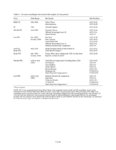
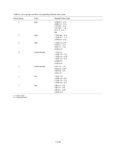
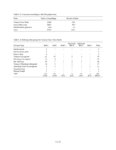
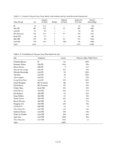
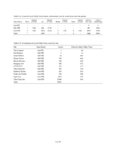
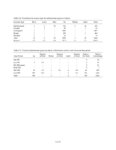
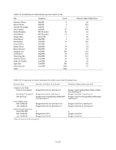
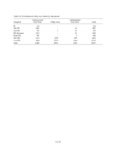
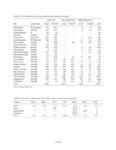
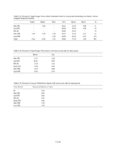
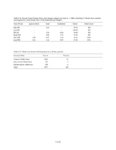
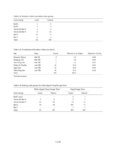
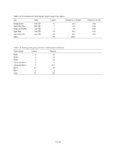
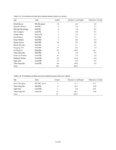
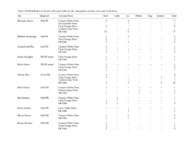
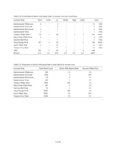
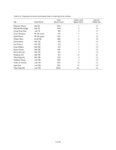
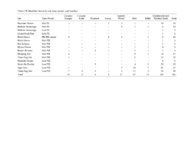
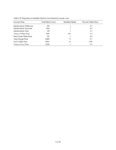
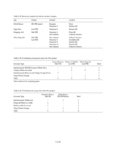
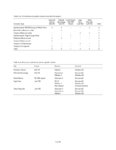
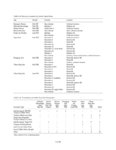
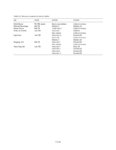
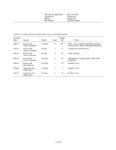
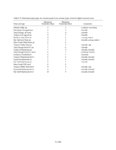
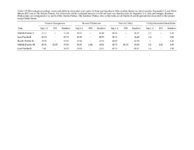
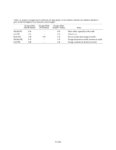
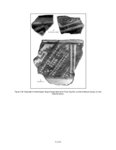
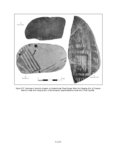
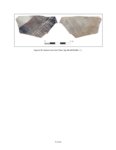
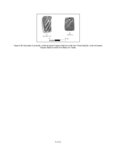
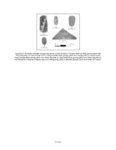
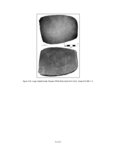
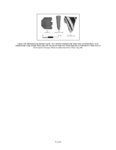
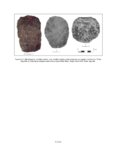
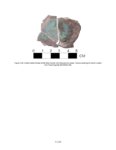
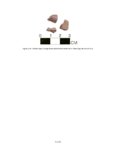
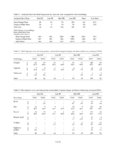
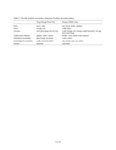
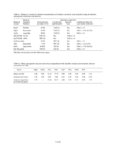
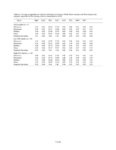
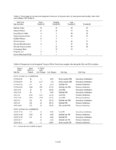
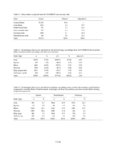
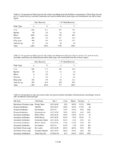
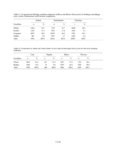
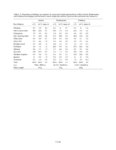
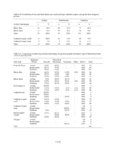
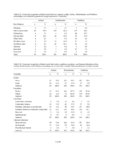
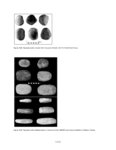
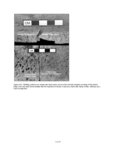
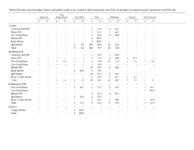
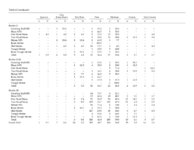
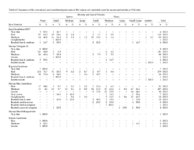
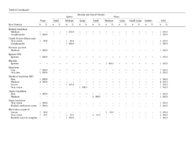
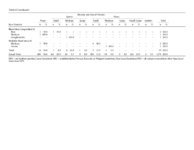
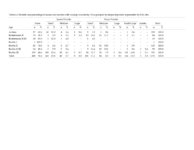
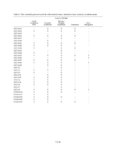
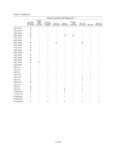
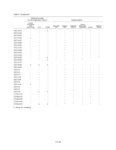
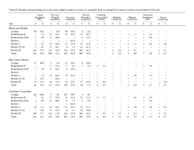
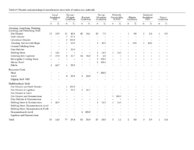
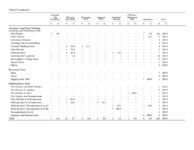
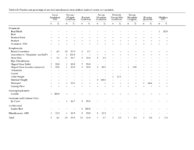
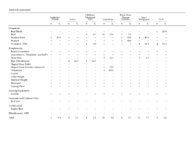
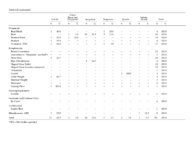
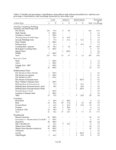
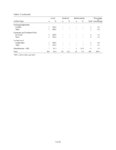
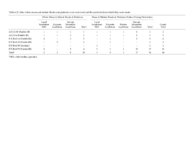
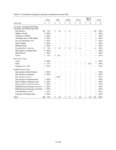
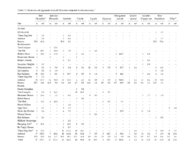
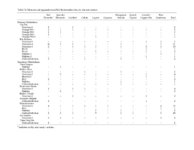
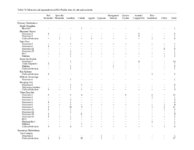
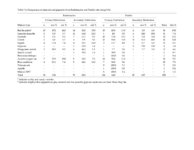
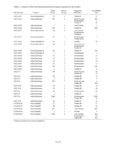
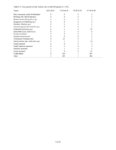
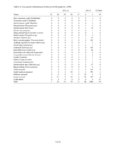
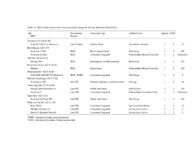
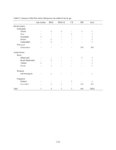
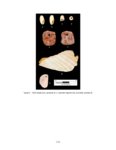
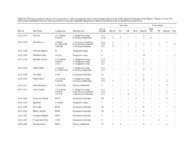
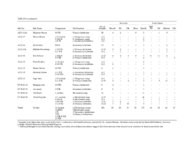
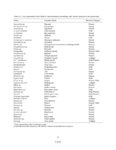
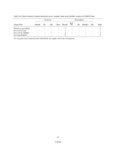
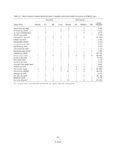
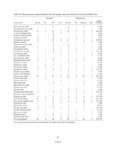
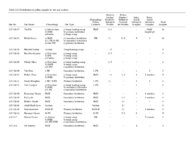
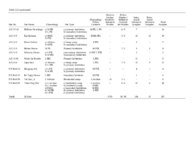
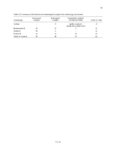
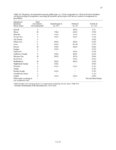
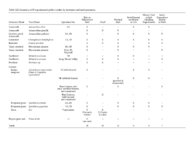
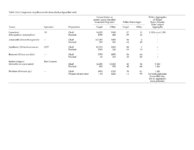
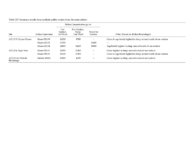
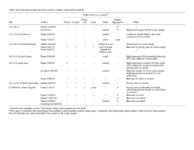
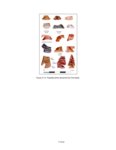
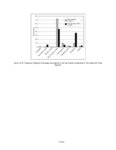
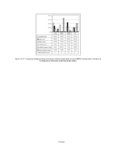
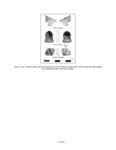
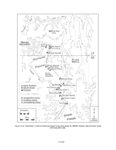
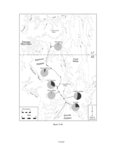
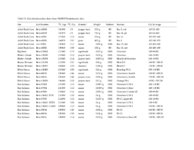
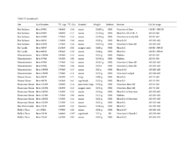
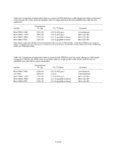
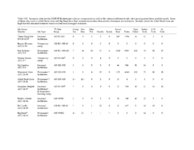
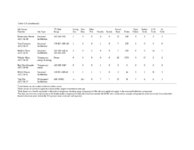
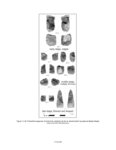
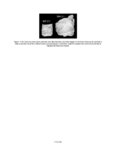
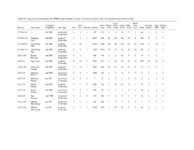
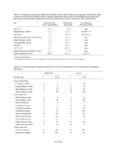
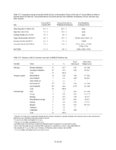
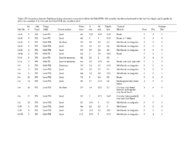
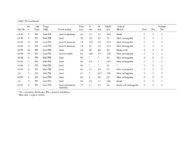
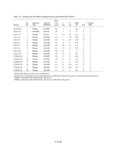
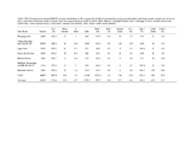
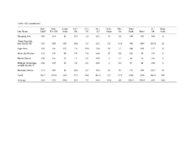
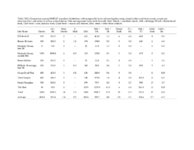
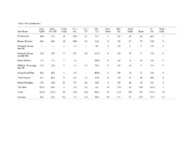
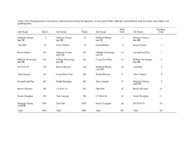
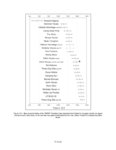
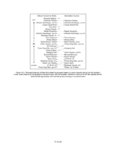
Show not all, women were also responsible for the procurement of the raw materials the tools were made from. Archaeological Documentation Specialist production of manos and metates appears to have been rare in the Southwest and in only a few cases has it been well documented (Schlanger 1991:461). It seems likely that this conclusion could be extended to many other stone grinding tools as well. Huckell (1986) provides an example of specialist production at a groundstone quarry on the lower Colorado River where microvesicular andesite boulders were shaped into mano and metate preforms using percussion flaking. Huckell believes that the quarrying was generally limited to the Mohave and their ancestors and was conducted by part-time specialists who produced the grinding tools for local exchange. Another case suggesting specialist production of metates was documented at Salmon Ruin, New Mexico, which yielded a concentration of 17 metates in various stages of production and refurbishing (Shelley 1983:93-97, cited in Schlanger 1991:461). Two other studies (Bostwick and Burton 1993; Doyel 1985) that were focused on sourcing Hohokam basalt groundstone items discussed basalt quarries in the area around the Phoenix Basin. Both suggest possible groundstone production by specialists and an exchange system involving groundstone preforms or finished tools. Although stone grinding tool manufacture appears to have been localized throughout much of the Southwest, these instances of possible specialist production and exchange indicate at least a minimal level of trade in raw material or tools. Alternatively, it may be that tools made of nonlocal stone were procured and manufactured directly by the inhabitants of the sites. Archaeological evidence of groundstone artifact production was present at several N16 sites in the form of artifact blanks/preforms, reduction/manufacturing debitage, and possible production tools. In all, 12 complete mano and metate blanks/preforms and 24 manos and metates broken and discarded during manufacturing were identified. All but one of these artifacts were recovered from Pueblo III contexts and all were made of locally available sandstone at sites near the base of Navajo Mountain. Table 6.12 shows the distribution of the mano and metate preforms and blanks and the raw material from which they were made. As discussed in Chapter 5, sandstone comprised almost 10 percent of the Puebloan flaked stone debitage assemblages-much more than in the Archaic and Basketmaker assemblages where it comprised less than 1 percent. In addition, virtually all of the sandstone flaking debris originated from the production of grinding tools. Not surprisingly, nearly all of this debitage was seen at the same sites as the production phase manos and metates. More than 97 percent of the 1685 sandstone flakes categorized as tool production flakes came from the sites listed in Table 6.12, with most of these (68%) coming from Three Dog Site (UT-B-63-39)-the site with the majority of the mano and metate blanks and preforms. This co-occurrence of sandstone tool production debris with in-production sandstone manos and metates indicates that these grinding tools were being manufactured at these sites. More than two-thirds of the blanks and preforms were made of Navajo Mountain sandstone. The presence of used manos and metates of this material at other contemporaneous Pueblo III sites (e.g. Ditch House, AZ-J-14-21) where the stone is not locally available and no production debitage was recovered suggests that the Puebloan groups living around the foot of Navajo Mountain made grinding tools for exchange, as well as for their own use. Very few of the mano and metate blanks were discovered in contexts where the items actually might have been manufactured or stored prior to use. Most were found in contexts suggesting that the items had been discarded, or perhaps lost. As a result there are few clues about whether grinding tool production was undertaken on an individual, household, or community level at these sites. There is evidence throughout the Southwest indicating that grinding tool manufacturing most often was a non-specialized form of craft production conducted at the individual or household level. Nevertheless, there are documented cases of probable part-time craft specialization in the production and exchange of manos and metates. Examination of the N16 sites and assemblages provides a similar finding. Most of the sites lack evidence of specialization in grinding tool production. For the most part it appears that grinding tools were made at the individual or household level for personal or local use during Archaic, Basketmaker, and Puebloan times. However, the presence of several in-production manos and metates along with associated production debris concentrated at a handful of Pueblo III sites strongly suggests specialist production and exchange of grinding tools at these sites-at least at a low level. The location of these sites at the foot of Navajo Mountain provided them with ready access to a highly desirable raw material (Navajo Mountain sandstone) that was well suited for use in the size and types of manos and metates being used during the Puebloan period. Therefore, although most grinding tool production appears to have been local and non-specialized, there was some degree of grinding tool craft specialization occurring in the Pueblo III period in the Navajo Mountain area with a hint that this began during late Pueblo II (Geib 1985). V.6.24 |