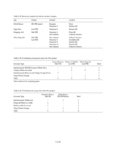
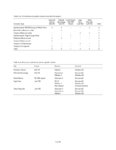
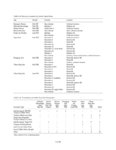
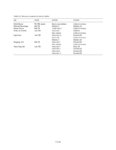
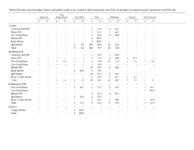
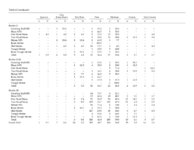
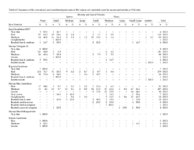
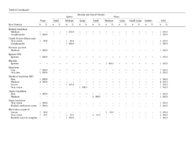
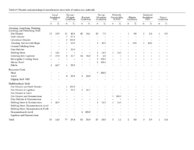
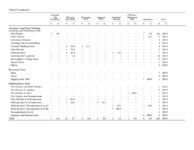
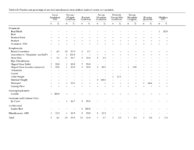
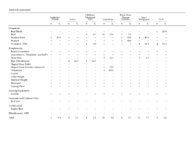
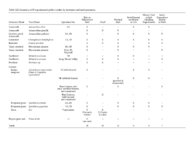
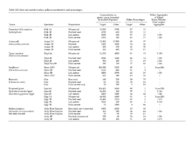
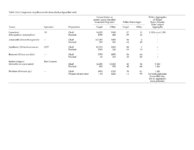
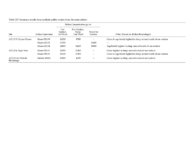
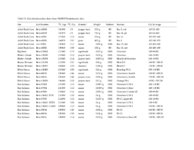
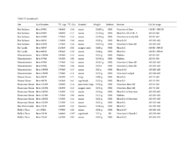
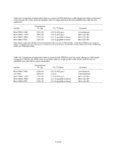
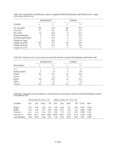
| OCR Text |
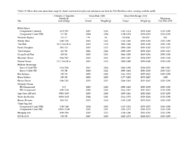
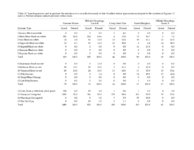
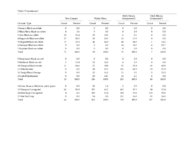
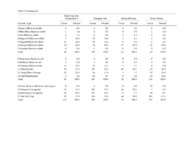
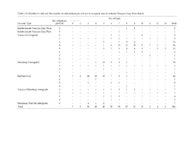
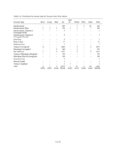
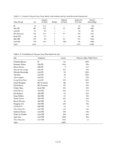
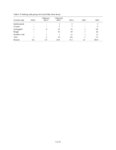
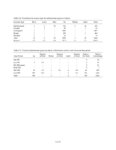
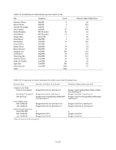
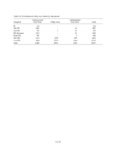
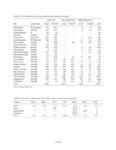
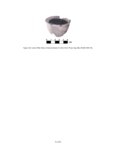
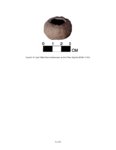
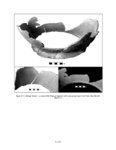
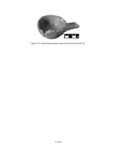
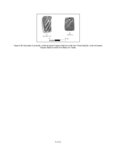
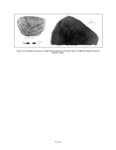
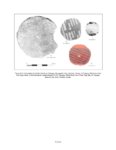
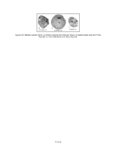
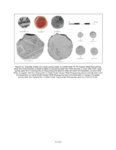
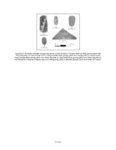
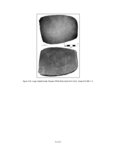
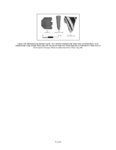
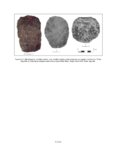
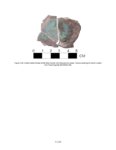
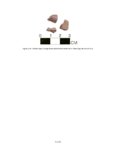
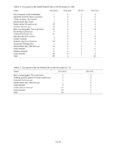
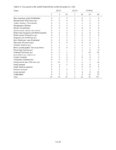
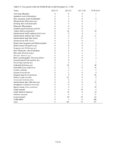
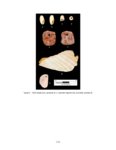
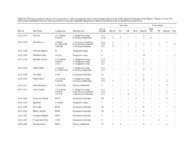
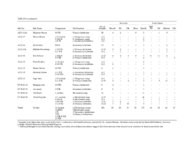
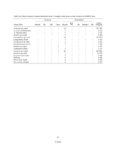
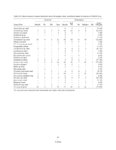
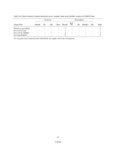
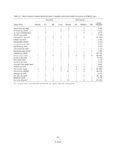
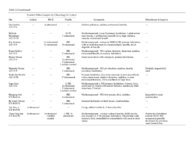
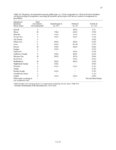
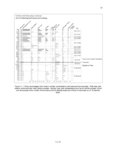
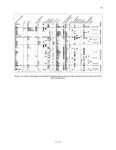
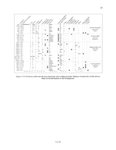
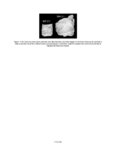
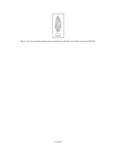
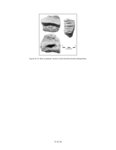
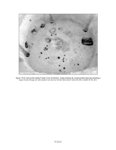
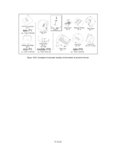
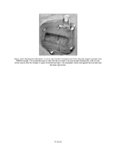
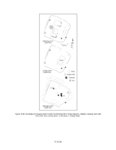
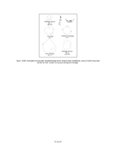
Show Stone Tools The types of objects put into the category of miscellaneous stone artifacts varied significantly. Items used to modify the structure or consistencies of other objects were considered tools. Flat abraders, shaft abraders, grooved abraders, cylindrical abraders, rectangular abraders, and grinding slabs were used for abrading and grinding. Mortars, pestles, rectangular crushing stones, rubbing stones, floor polishing stones, and ceramic polishing stones were used for crushing, rubbing, and polishing. Still other items such as anvils, mauls, axes, and hoes were used mainly for pounding, chopping, or digging. Items identified as flat abraders were hand-held stones with at least one surface ground flat to slightly concave from use in grinding or shaping other objects by abrasion. Shaft abraders were handheld tools used to abrade, and possibly straighten the shafts of objects such as arrows, weaving or drill spindles, and prayer sticks, or to shape beads that had been perforated and strung (Woodbury 1954:102- 103). These abraders were distinguished from other grooved abraders primarily based on the shape of the groove. Shaft abrader grooves were U-shaped, straight, had a level bottom, and extended fully across the face of the tool from edge to edge. Artifacts identified as grooved abraders usually had U- or V-shaped grooves with concave longitudinal profiles, and often the groove ends rose to the surface of the stone before intersecting the tool edges. Unlike shaft abraders, grooved abraders could be hand-held tools used to actively abrade or could be used as netherstones, and sometimes the abraders were larger semistationary netherstones that could not be hand-held. Although slightly different, these definitions are similar to artifacts described by Woodbury (1954:102-104) as simple grooved abraders. Woodbury lists making bone awls and needles and preparing basket-making materials as possible uses for the tools. Items from the N16 project classified as cylindrical and rectangular abraders were hand-held stones used to shape other objects by abrasion. The abraders had been shaped into cylinders or rectangles through either manufacture, use-wear, or both. For this analysis "grinding slab" was a generic term used for all netherstones that did not fit into other morphofunctional types such as metates, mortars, or grooved abraders. Grinding slabs served as bases upon which other artifacts were shaped or substances were ground with a hand-held stone. This definition includes tools typically referred to as lap stones and is similar to the definition of grinding slabs used by Woodbury (1954:113). Palettes were thin tabular netherstones that were used to mix paint. No type of raised or decorated border was necessary for an item to be classified as a palette. Several manos, metates, flat abraders, and grinding slabs in the N16 assemblages had been used for processing pigments, but these items were considered to have been used secondarily as "paint stones" and were differentiated from palettes. Paint stones were used mainly for crushing and grinding pigments, whereas palettes were used primarily for mixing processed pigments with a liquid binder. Palettes could thus be considered a specialized pigmentmixing grinding slab. Based on use-wear analysis, artifacts classified as mortars/bowls were most likely used as mortars. Nonetheless, this category was created to include possible use as bowls. When only fragments of mortars/bowls are recovered it is sometimes difficult to distinguish an item's true function. These tools were manufactured through pecking and grinding to create deep circular basins. Often the exterior of a mortar/bowl would also be pecked. Mortars differed from basin metates in that the exteriors of the metates often were not purposefully shaped, the metate basins were elliptical and clearly used for grinding with a mano, and the metate basin walls were much thicker. Mortars are tools with basins in which substances were reduced through the crushing and grinding actions of a pestle. Small mortars were classified as "pebble" mortars. These had relatively small basins that would accommodate only small quantities of materials. Most pebble mortars were made from cobble-size rocks, but some were made in slightly larger stones that would be considered very small boulders. Items identified as pestles were hand-held stone tools used to crush, or crush and grind food (both botanical and faunal) and non-food substances such as sherds for pottery temper, pottery clays, and paint pigments. The use-wear damage occurred on the ends of the tools and was characterized by battering (impact fractures and chipping) and abrasion. Although only stone examples are considered in this analysis, pestles, as with mortars, could be made out of materials other than stone, for example wood. Also, items identified as pestles did not need to be used in conjunction with mortars. Adams (1997:30) cited an ethnographic report describing a Maricopa woman using a stone pestle to crush chunks of pottery clay on a blanket. Specimens identified as rectangular crushing stones were hand-held stones manufactured with pecking and grinding into highly shaped rectangular blocks with rounded edges and corners. These blocks were rectangular in transverse cross-section. Typically the center of the two wider faces had circular to elliptical pits (oriented parallel to the long axis) resulting from concentrated pecking or V.6.5 |