| OCR Text |
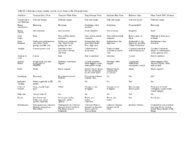
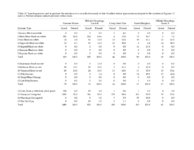
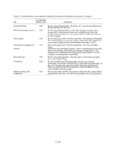
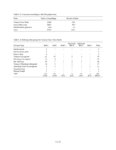
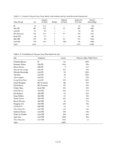
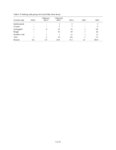
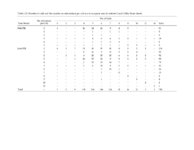
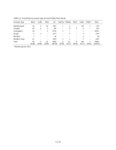
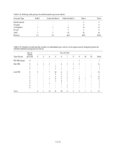
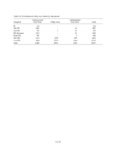
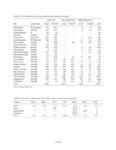
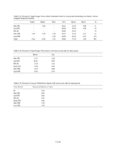
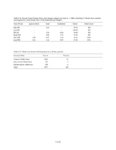
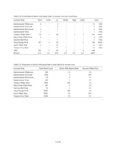
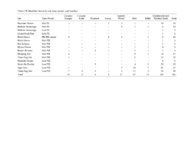
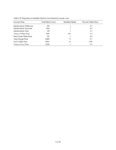
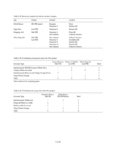
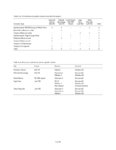
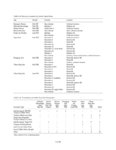
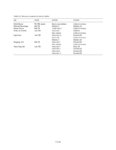
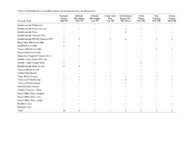
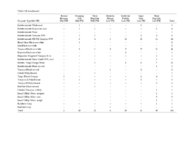
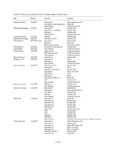
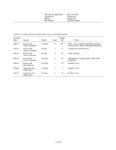
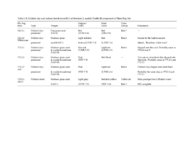
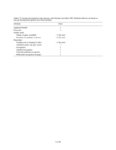
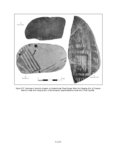
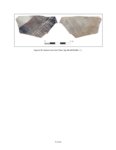
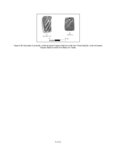
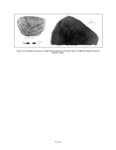
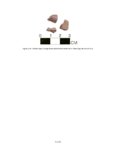
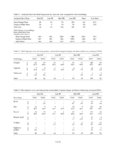
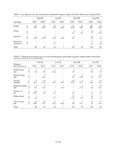
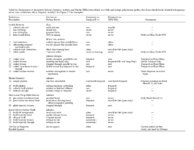
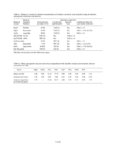
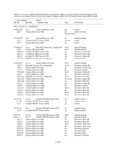
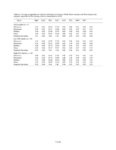
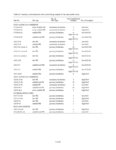
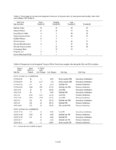
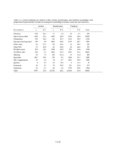
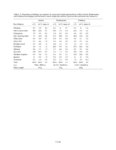
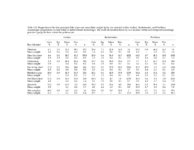
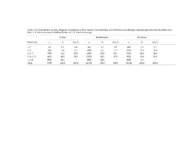
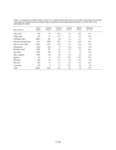
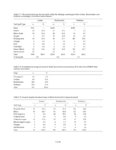
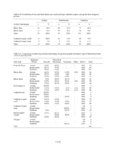
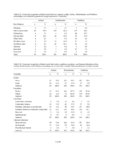
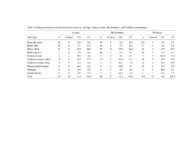
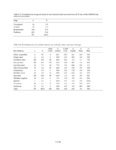
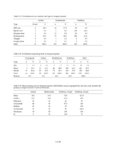
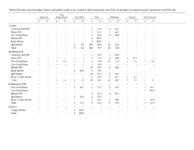
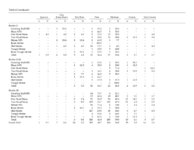
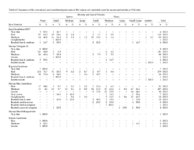
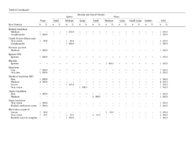
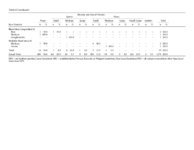
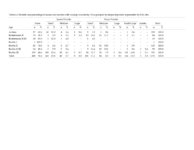
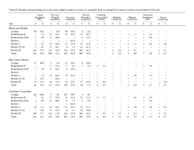
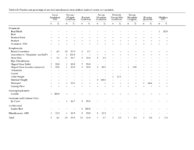
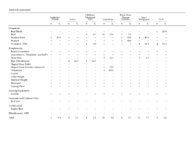
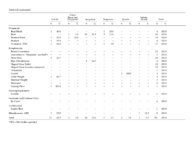
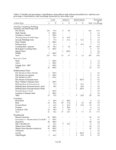
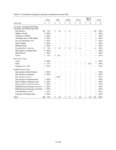
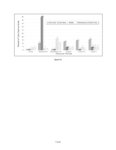
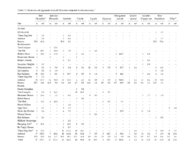
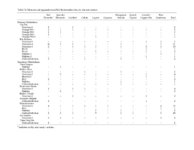
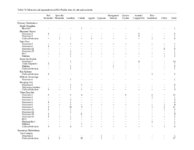
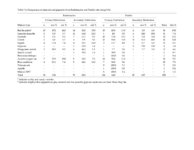
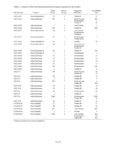
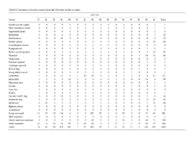
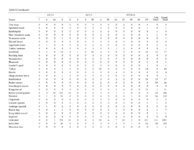
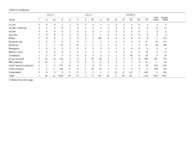
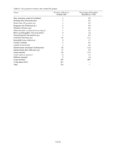
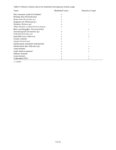
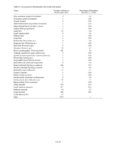
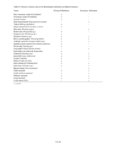
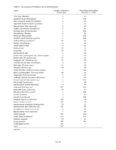
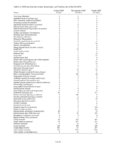
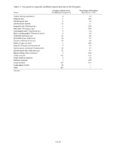
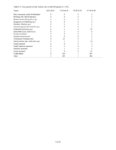
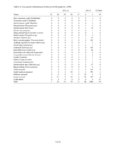
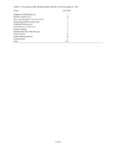
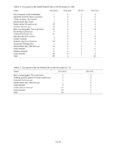
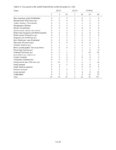
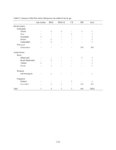
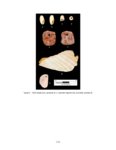
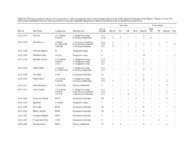
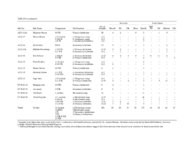
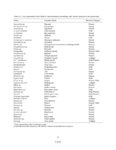
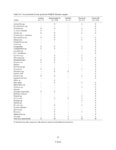
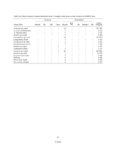
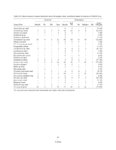
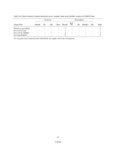
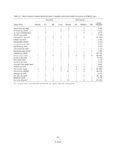
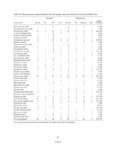
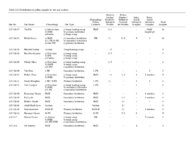
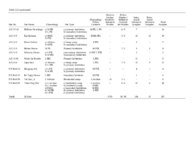
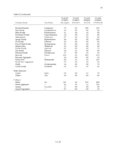
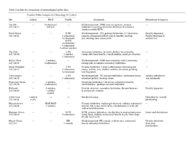
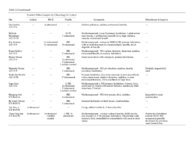
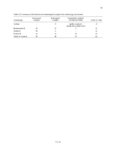
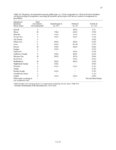
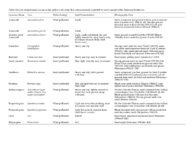
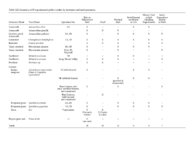
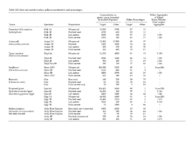
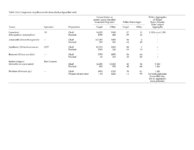
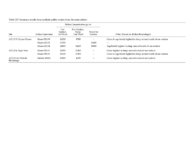
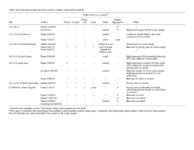
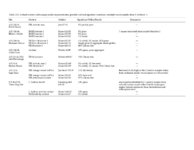
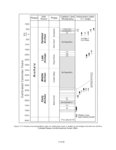
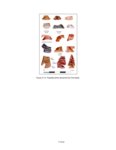
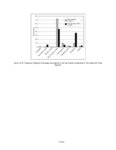
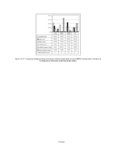
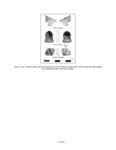
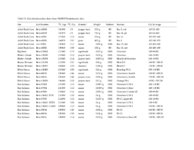
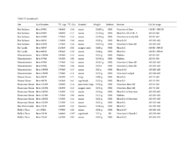
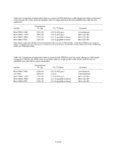
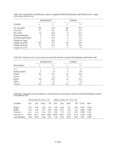
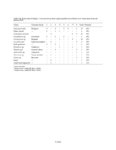
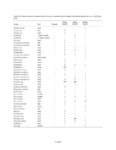
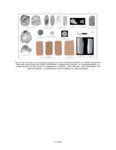
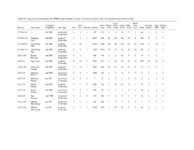
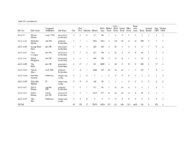
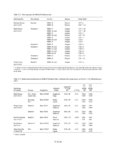
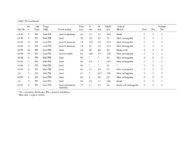
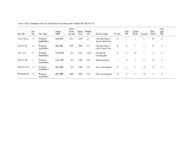
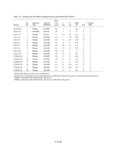
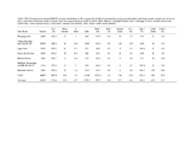
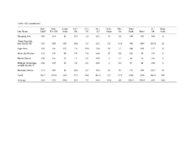
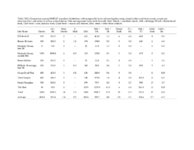
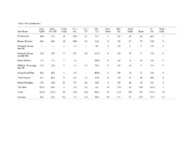
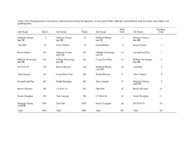
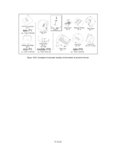
Show DISCUSSION AND SUMMARY The assemblage from nine sites along the N16 road corridor contains 16 pieces of marine shell and seven fragments of a terrestrial snail. The material represents an occupation that spans the late Archaic through the late Pueblo III period. These represent eight formal artifacts, one worked fragment, and five unworked specimens. There are several features of this small assemblage that foster discussion. The project's assemblage, summarized in Table 9.2, can be divided into two temporal sets that are essentially equal numerically, but quite different in content. The early component, consisting of material from contexts associated with Basketmaker II (and perhaps the late Archaic) occupations, is relatively diverse in the variety of artifact forms and the genera employed, whereas the later Pueblo II-III component seems to be more limited in the number of genera present and the associated artifact forms. In the former, three genera-all gastropods-were identified, along with a fourth probably present in the form of the unworked fragment of an unidentified, medium-sized gastropod at Kin Kahuna. This material appears to have been obtained from a trade network that included both the Gulf of California and the California coast sources. This diversity of genera is also reflected in the variety of the bead forms and pendants that are present. In contrast, the later Pueblo II-III material is limited to a single style of whole shell bead along with fragmentary material, which is largely unworked. The fact that much of the fragmentary material is Laevicardium, a shell primarily associated with carved shell pendants and beads, suggests that this contrast may be, in part, the product of small sample size. However, these observations seem to reflect larger patterns when seen in a regional context. Excavations for the Glen Canyon project at the Basketmaker II site of Sand Dune Cave recovered numerous disk beads, several rectangular pendants, and some "buttons," all made from Haliotis (Lindsay et al. 1968:63). The Twin Butte site, a Basketmaker III site in the Petrified Forest National Monument (Wendorf 1953), also produced a varied and relatively large shell assemblage. As with the Glen Canyon material, most of the shell ornaments were recovered from mortuary deposits, a context not represented in the current material. With the exception of the saucer-shaped bead, all of the forms in the current collection were also present in the Twin Butte assemblage (Wendorf 1953:147-150), although the latter also had several additional artifact forms, including bracelets. These two collections show that the diversity of the current Basketmaker II collection is not unique. The fact that the current collection does not include material from mortuary contexts, which were the most prolific sources of ornaments in contemporary sites, indicates that the variety of material could be considerably greater. The contrasting lack of diversity in the later Pueblo period collection is somewhat puzzling. Shell ornaments were not particularly prevalent in the Pueblo III sites investigated by the Glen Canyon project. The excavations at Upper Desha and Tcamahia Pueblos produced two ornaments made of shell-a whole shell pedant made of Glycymeris and a Conus fragment that had been worked (Lindsay et al. 1968). Sites to the south of the current project area along the Black Mesa Railroad Corridor (Swarthout et al. 1986) that date to the Pueblo II and III periods also produced relatively few shell ornaments. These were primarily shell beads made from Olivella, with the occasional Glycymeris bracelet and Conus tinkler. In contrast to this pattern are large settlements, like Wupatki (Stanislawski 1963) and Kiatuthlanna (Roberts 1931), which have relatively rich and varied shell ornament assemblages (but of course from sites outside the Kayenta region). While one must be cautious in making generalized observations on the basis of patterns found in a single class of material, it appears that the populations of these larger, more southern settlements on the Colorado Plateau may have had substantially greater access to the trade networks by which shell was being exchanged. Wilcox (1996, 1999) has argued that this access was through a political and economic network tied to-and dominated by-the Chaco Canyon complex. Regardless of the specific nature of the exchange networks, it appears that the Pueblo II-III sites around Navajo Mountain and in the Kayenta-Black Mesa area did not have the same level of access to exotic materials like marine shell. V.9.4 |