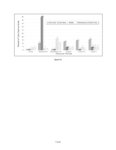
| OCR Text |
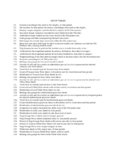
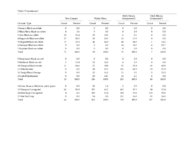
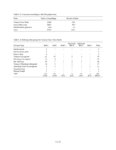
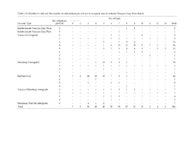
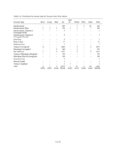
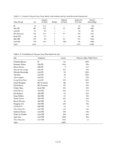
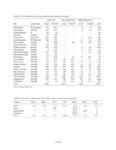
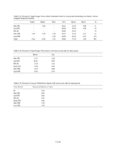
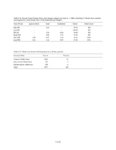
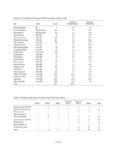
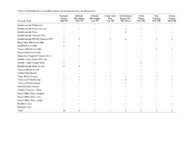
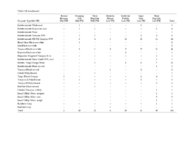
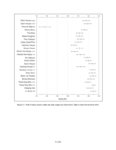
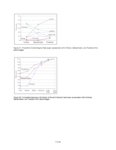
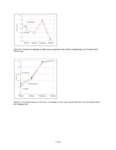
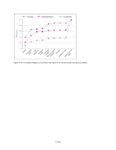
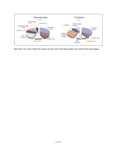
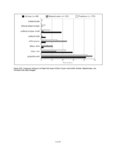
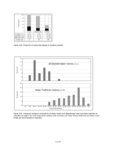
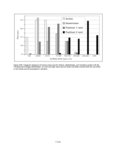
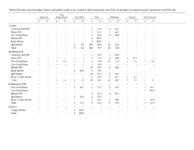
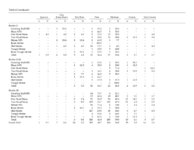
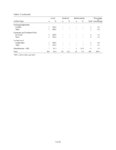
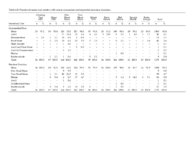
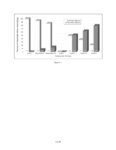
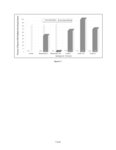
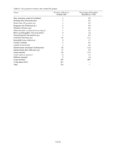
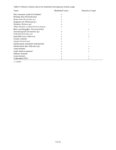
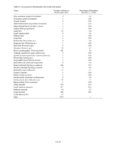
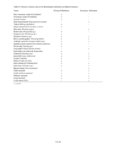
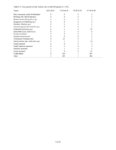
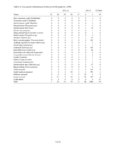
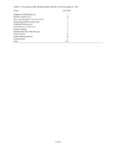
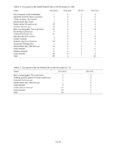
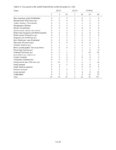
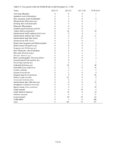
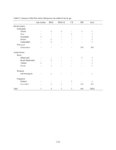
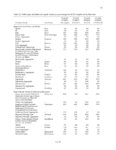
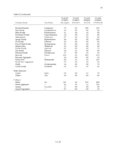
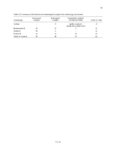
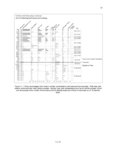
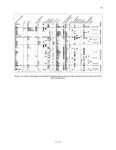
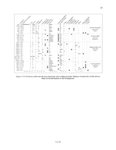
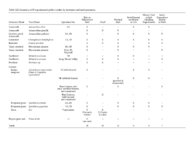
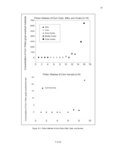
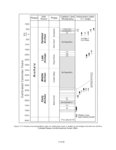
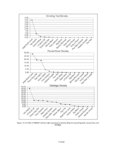
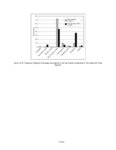
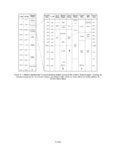
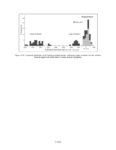
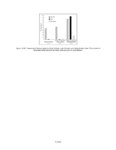
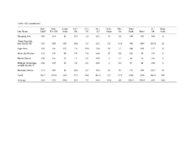
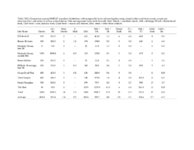
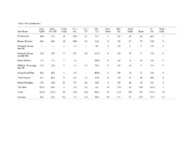
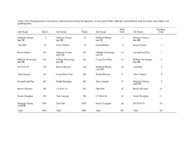
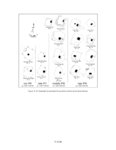
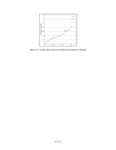
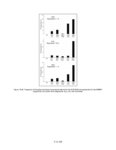
Show situ foragers adopting domesticates as an adjunct to their hunter-gatherer adaptation, the "monumental nonevent" (Minnis 1985:310) advocated by Irwin-Willaims (1973, 1979) among others. A dramatically different post-domesticate archaeological record would, however, seem to better accord with the idea that there was no "transition" to domesticate use in the usual sense within the northern Kayenta region but rather there was adaptive replacement or displacement. At a larger scale it is worth considering whether the changes in the archaeological record of the N16 project area coincident with the introduction of agriculture paralleled some of the trends indicated by Wills and Huckell (1994; also Huckell 1996) for the American Southwest as a whole? The sites at which maize first occurs were characterized earlier in this chapter. In part they consist of the primary residential sites of Kin Kahuna and The Pits with their extensive trash deposits, pit houses, numerous bell-shaped storage pits and other pits, and human burials. The capacity of the large storage pits allowed a considerable surplus of food to be cached for future use. The 24 such features at The Pits had a combined capacity of almost 17 cu m and the total storage potential was even greater because the number of pits in the core portion of the settlement (outside the ROW) remains unknown. Maize kernels and cupules occurred in most features at both habitations, with corn cobs obtained from several of the best preserved contexts. Ninety-five percent of the 72 flotation samples from Kin Kahuna contained maize, with almost 40 percent containing kernels. Maize had a 75 percent ubiquity in the 20 flotation samples from The Pits and a 60 percent occurrence based on kernels. These findings strongly suggest subsistence dependence on maize, which is exactly what stable isotopic data from Basketmaker burials of the Kayenta region document (Coltrain et al. 2007). The late Archaic sites of the northern Kayenta region are vastly different in character from those associated with maize. As described in detail in Volume II and characterized in the previous chapter, they consist of hearths in association with lithic debitage and occasional grinding tools, and they lack storage features entirely. The most impressive late Archaic sites consisted of small clusters of hearths surrounded by variable amounts of flaking debris, grinding tools, and bone. At Three Dog Site these concentrations of remains were both horizontally and vertically separated from one another following sequential use of a dune ridge over the span of several hundred years. At most, this and other late Archaic sites functioned as temporary camps used by small social groups; none appear to have had the substantial, long-lived residential occupations that are evident for Kin Kahuna and The Pits. Indeed, none of the late Archaic sites on the Rainbow Plateau appeared similar to the Basketmaker II seasonal residences excavated by the NMRAP, summarized above, even though the late Archaic sites contained considerably more artifacts. Figure 14.32 shows the increase in feature abundance from Archaic to Basketmaker and hints at the contrast in feature diversity. The late Archaic sites consist of hearths of various types and one possible burned brush structure. In contrast, the Basketmaker sites contain a great abundance and diversity of features. The dramatically different nature of the Basketmaker sites compared with those of the immediately preceding late Archaic strongly suggests a lack of adaptive continuity. The distinct records seem more in accordance with an adaptive disjuncture than an autochthonous transformation from a foraging economy to that of a farmer-forager economy. Relevant to this inference is the relatively brief interval on the larger time scale of prehistory that separates these contrasting archaeological records. At most there is about 300-400 years of separation and the interval might actually be just a few hundred years. Change during the preceding 7000 years of the Archaic period appears glacial by comparison to what transpired during the brief gap in the radiocarbon record for the northern Kayenta region. Continuity in Culture Basketmaker II material culture is best known from the wonderful array of perishable artifacts recovered from caves and dry shelters in the late 1800s and early 1900s. Much of this material lingers unstudied and unreported to this day, but fortunately Kidder and Guernsey (1919; Guernsey and Kidder 1921; Guernsey 1931) set a high standard for analysis and reporting with the sizable collection of Basketmaker II artifacts they amassed from the Marsh Pass-Monument Valley area of northeast Arizona. The wealth of perishables provided a glimpse into prehistoric life that archaeologists in few places of the world are privileged to see. Years later, Kidder along with Cosgrove made a "survival survey" of the vast collection recovered from the Basketmaker caves-determining what would have been remained had the collection been recovered from an open site: We found that of the hundreds of objects, filling five large display cases and many storage drawers, there would have remained no more than a score or so of chipped flints, a handful of bone awls, and a few beads of stone and shell. The whole lot would have gone into a good-sized soup plate. That pitiful residue would have told us nothing of how the Basket-makers cradled V.14.43 |