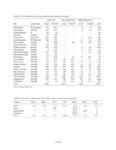
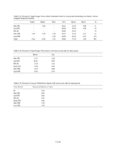
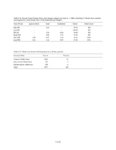
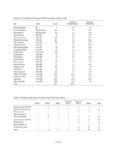
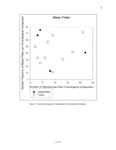
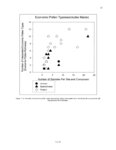
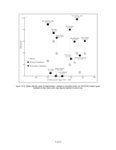
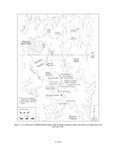
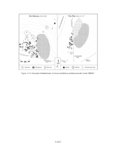
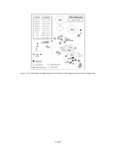
| OCR Text |
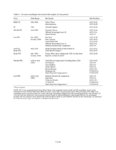
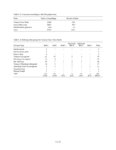
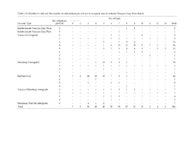
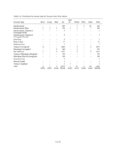
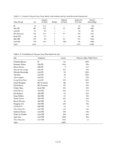
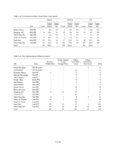
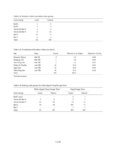
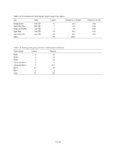
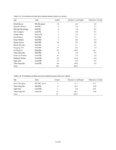
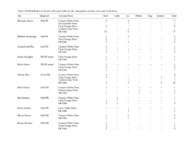
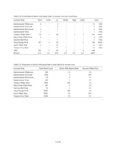
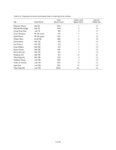
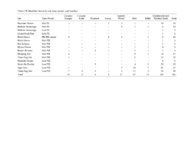
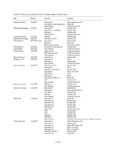
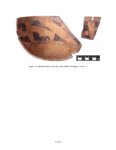
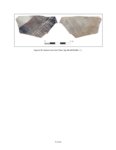
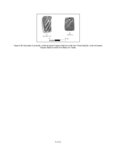
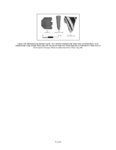
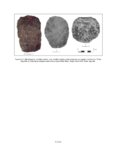
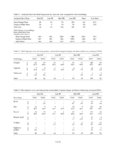
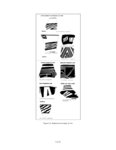
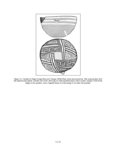
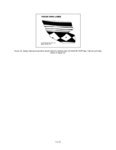
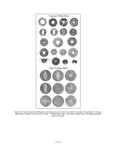
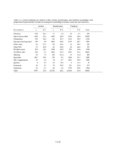
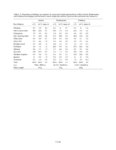
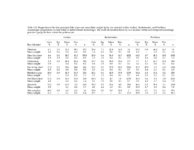
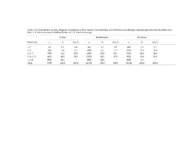
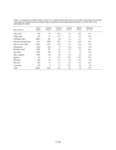
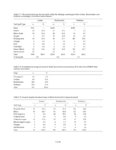
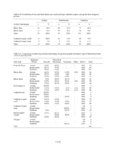
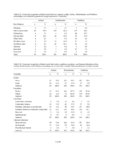
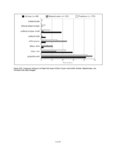
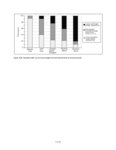
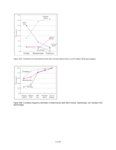
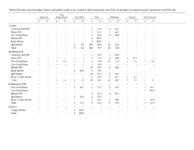
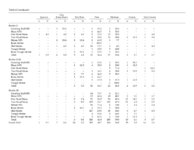
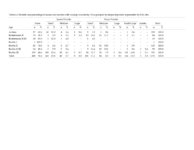
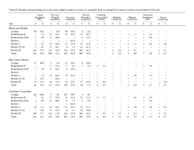
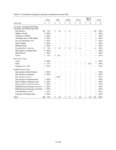
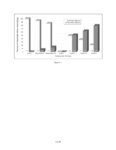
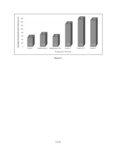
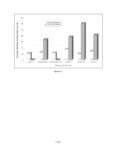
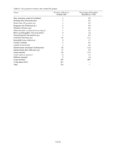
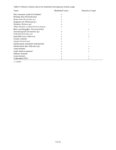
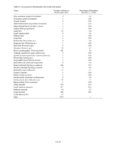
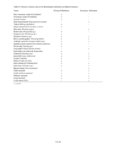
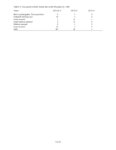
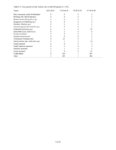
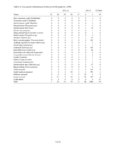
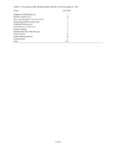
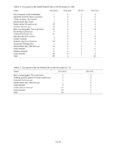
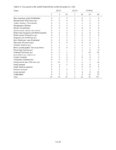
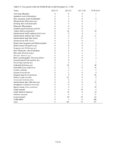
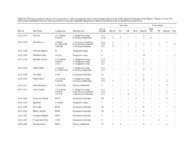
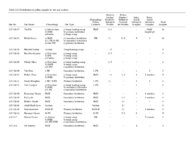
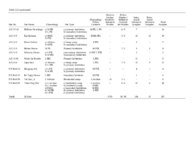
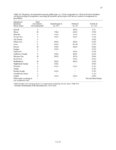
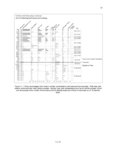
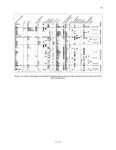
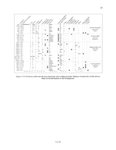
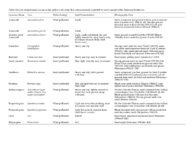
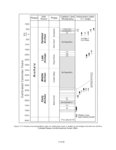
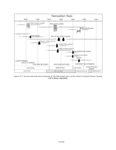
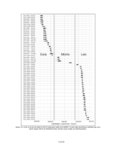
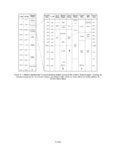
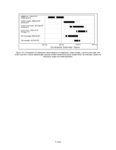
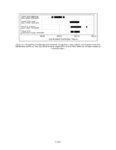
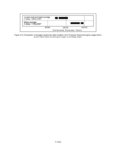
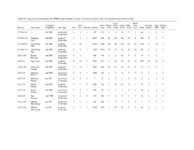
Show temporal assignment. Utility pottery made with iron-rich clay appears at other early Pueblo III sites of the project area, but not Pueblo II period sites (see Fairley and Callahan 1985). Therefore, the presence of this utility ware is most consistent with a date in the late 1100s (early Pueblo III). The sherds with problematic Black Mesa designs make more sense with this information in hand, since in early Pueblo III there was some experimentation with designs including dots and ticks that harken back to the Black Mesa style. Even if these particular vessel fragments were true Pueblo II productions, their value in temporal assignment for a seasonal habitation is limited (they could easily represent recycled sherds) and not sufficient to outweigh the more numerous utilitarian sherds in this instance. Although mean ceramic dating suggests an occupation range from AD 1083 to 1148 based on sherd count, the site was likely occupied sometime between AD 1150 and 1200, which here is considered an early Pueblo III site, the time period examined next. Early Pueblo III Early Pueblo III is characterized by the predominance of Flagstaff Black-on-white, a style that appears to have developed out of Sosi Black-on-white, although with perhaps influence from designs of a more "southern" origin (Beals et al. 1945:109, 133), such as seen on textiles from south of the Mogollon Rim (see Chapter 3 of Volume V). Ceramics aside, this interval is often characterized by the abandonment of certain areas (northern Black Mesa being a prime example) and perhaps even population reduction, occurrences thought to be directly related to environmental conditions inimical to farmers (e.g., Dean 1988; Dean et al. 1985). Dislocation of people is evident enough, but there was continuous occupation of several localities in the Kayenta region from late Pueblo II to late Pueblo III, including the Shonto and Rainbow Plateaus (contra Berry 1982). Such continuity of settlement is barely evident in the NMRAP site sample since this interval is poorly represented. This sample is, however, unrepresentative of the regional pattern. For example, excavations for the southern portion of N16 documented three primary habitations ceramically dated to the early Pueblo III period (Schroedl 1989), with one (AZ-J-19-9) providing three non-cutting tree-ring dates with the youngest being 1189vv. Work was confined to the trash middens at two of these sites, one of which produced 10 burials, a sizable number; at the site with the tree-ring dates, a kiva and mealing room were excavated. In the NMRAP sample there is but a single early Pueblo III primary habitation (Windy Mesa) and it was avoided during data recovery except for a few peripheral hearths encountered while excavating earlier components at this site (early Archaic and Basketmaker II). Testing of this site acquired a large enough ceramic sample to be certain of its temporal placement, and surface evidence of a room block, kiva depression, and abundant trash indicate a substantial habitation. Aside from Windy Mesa the previously discussed Mouse House, a probable field house (secondary habitation), is the only other NMRAP site occupied during early Pueblo III. The site of Ditch House also might have been seasonally occupied at this time, as the ceramic types suggest, but the evidence in this case is equivocal as discussed previously. The early Pueblo III sites that Schroedl (1989) reported from the southern portion of the N16 ROW on the Shonto Plateau have ceramic assemblages that well represent this interval. The site with structures and the noncutting date of 1189 contained no sherds classified as Tusayan Black-on-white, but almost 500 Flagstaff Black-on-white and a sizable number of Dogoszhi Black-on-white (Schroedl 1989: Table 97). Sosi Black-on-white is virtually absent (4 sherds total) since this design had "morphed" into Flagstaff Blackon-white. Six sherds were classified as Kayenta Black-on-white but all came from the upper fill of the kiva and are doubtless intrusive. The absence of Tusayan Black-on-white in this ca. AD 1190 assemblage is significant, especially given the number of sherds recovered (over 9000). At the other two early Pueblo III sites, the ratio of Flagstaff to Tusayan Black-on-white ranges from 12.2:1 (AZ-J-19-13) to 6.4:1 (AZ-J-19-6), far greater than the ratio of these types for sites dating after AD 1200. Middle to Late Pueblo III Twelve of the NMRAP Puebloan sites were occupied after AD 1200, corresponding to the middle to late Pueblo III ceramic periods, including the transition to the Tsegi Phase. The key diagnostic types for this interval are Tusayan and Kayenta Black-on-white, with the latter used as an indicator of the Tsegi Phase, along with the Kayenta and Kiet Siel polychromes often given the shorthand designation of "whiteline" polychromes. Kayenta Black-on-white should be absent from settlements occupied prior to AD 1260 (Breternitz 1966; Ambler 1985) or perhaps even 1270 (Dean 2002:131). Ditch House provides a useful example because of its AD1228 cutting dates. The ceramic assemblage from this site contains both Flagstaff and Tusayan Black-on-white, but no Kayenta Black-on-white and no whiteline polychromes (see Table 15.6). Given that the structures of the middle Pueblo III component at Ditch House may have been V.15.13 |